

We may earn a commission when you buy through links on this page, at no extra cost to you. Learn more.
Dry Creek Valley wine comes from a narrow valley in north-central Sonoma County, California, and it is best known for old-vine Zinfandel and crisp Sauvignon Blanc. The valley lies about 70 miles north of San Francisco, roughly 20 miles east of the Pacific Ocean. Its mix of warm days, fog-tempered breezes, and long-established vineyards gives its wines a character that sets them apart from neighboring Sonoma appellations.
Dry Creek Valley is one of the most recognizable wine areas in California, yet many wine drinkers know only one or two of its bottles. This guide explains where the valley sits, which grapes define it, how its climate shapes the glass, and how to serve, buy, and visit its wineries with confidence.
What makes Dry Creek Valley a distinct wine region
Dry Creek Valley is a recognized American Viticultural Area, or AVA, established on August 4, 1983, and amended in 2001. The valley is small by California standards. The Dry Creek Valley winegrowers association describes it as a premium winegrowing region in northern Sonoma County, and its materials refer to the valley as “16×2 idyllic miles” of winemaking and farming. That compact footprint helps explain why so many producers sit within a short drive of one another.
Wikipedia’s entry for the appellation lists about 94 wineries resident in the valley, and it notes that more than 160 producers use the Dry Creek Valley name on their labels. Some of those wineries are large, while many are family estates that farm their own blocks. That density matters for buyers. A single road can pass several producers, each with its own vineyard sites, winemaking style, and tasting room, so a bottle’s character often depends as much on the grower as on the grape.
The valley also has a layered history that shapes its identity. The area was planted with grapes in the 1800s, and its growers have spent generations refining how they work with old vines, dry-farmed blocks, and the valley’s varied soils. Those long roots are the reason a visit here feels different from a trip to a newer appellation where most vineyards date from the last few decades.
Climate and geography
The valley’s climate is central to its wines, and it is more nuanced than the warm reputation of Sonoma County might suggest.
Compared with the Russian River Valley to the south, Dry Creek Valley is wetter, warmer, and has a longer growing season, but it stays cooler than the areas to the north because of fog. Rainfall on the valley floor typically falls between 25 and 50 inches a year, and the uplands can receive 30 to 70 inches. The area is classified as Winkler Region III, with roughly 3,001 to 3,500 growing degree-day units. That range suits grapes that need real warmth to ripen fully but still hold acidity for freshness.
Those numbers translate into a practical pattern. Warm afternoons push sugars and flavors forward, and cooling air from the Pacific helps preserve the bright edge that keeps the wines from tasting flat. Growers who understand the local fog and wind can time harvests and choose rootstocks to suit each parcel, which is why two neighbors on the same road can produce noticeably different wines.
The grapes that define the valley
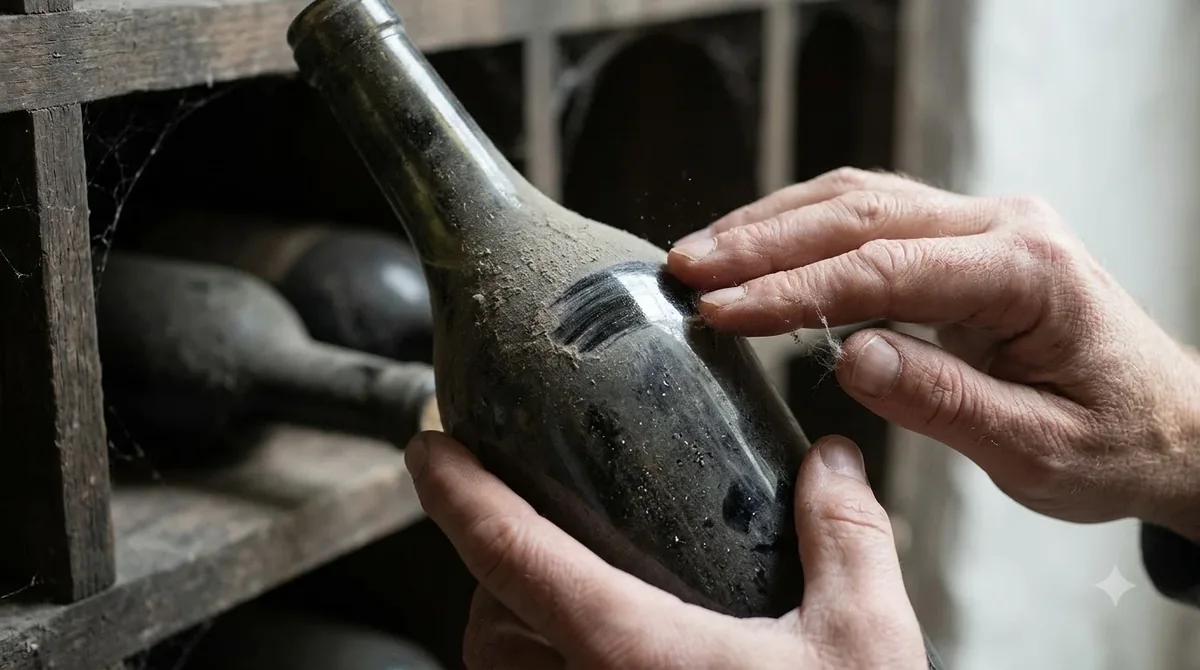
Zinfandel and Cabernet Sauvignon are the most planted red varieties in the valley, and Sauvignon Blanc is considered its most important white grape. Zinfandel has been grown here since the 1800s, and some old-vine blocks survived Prohibition, which reshaped much of the surrounding agriculture.
Zinfandel is the valley’s signature. Wine Folly’s Zinfandel guide describes the variety as bold and fruit-forward, with primary flavors of blackberry, strawberry, peach preserves, cinnamon, and sweet tobacco. Wines are usually full-bodied and above 14% alcohol. The same guide notes that warmer-climate Zinfandel shows deeper black fruit, baking spice, and a peppery note, which fits the sunny benchmarks of the Dry Creek style.
Old vines add concentration to that profile. Older vineyards produce fewer clusters, and the berries that remain often carry more intensity. That is why valley producers often market old-vine or single-vineyard bottlings as a distinct tier, and why it helps to read the back label before assuming two Zinfandels are the same.
Sauvignon Blanc offers the contrast. Dry Creek examples are generally crisp and aromatic, and they make a useful counterpoint for shoppers who find Zinfandel too heavy for warm-weather meals. Cabernet Sauvignon, the other leading red, tends to show firmer tannin and a more structured frame than the Zinfandel, which gives the valley a range of reds that suit different dinner tables.
| Variety | Typical style | What to know |
|---|---|---|
| Zinfandel | Full-bodied red, often above 14% alcohol | Old-vine history reaches back to the 1800s |
| Cabernet Sauvignon | Structured red with firm tannin | Among the most planted varieties today |
| Sauvignon Blanc | Crisp, aromatic white | The valley’s most important white grape |
A short history of Dry Creek Valley wine
Grape growing here predates the valley’s official recognition. By the early 1900s it was one of California’s leading Zinfandel producers. Prohibition pushed many vineyards toward plums, pears, and prunes, and wine grape production did not recover until the 1970s. The Bureau of Alcohol, Tobacco and Firearms established the AVA in 1983, giving the valley a legal identity that growers could market to buyers across the country.
That history explains the valley’s mix of old and new. Some blocks are more than a century old, while others were replanted with newer clones and rootstocks as producers learned which sites worked best. The result is a region that respects its heritage without being frozen in it.
How to serve and pair Dry Creek Zinfandel
Serving temperature changes how Zinfandel tastes. Wine Folly recommends serving it between 60 and 68 degrees Fahrenheit, and suggests decanting for about 30 minutes. Those conditions keep the fruit lifted without letting the alcohol feel hot on the palate.
Zinfandel’s ripe fruit and spice suit barbecue ribs, pulled pork, and burgers. Sharp cheeses such as aged cheddar or smoked gouda work well too, as do smoky or charred dishes seasoned with cumin, black pepper, or cinnamon. Quality bottles can age for five to ten years, though many are made to drink young and show their best within a few years of release.
Tip: Serve Sauvignon Blanc colder than Zinfandel, and check each winery’s website for tasting room hours and reservation rules before you visit.
Visiting and buying Dry Creek Valley wine
The valley works well for a tasting day because its wineries sit close together. Visitor guides for nearby towns, including Healdsburg, Geyserville, Cloverdale, and Windsor, help plan a route and show where to park and eat between stops. Start with two or three producers to avoid tasting fatigue, and ask pourers which bottles are small-production or old-vine releases, since those are often the most distinctive wines in the room.
When buying, look for the appellation name on the label and read the winemaker’s notes to see whether a bottle is a single-vineyard, old-vine, or blended Zinfandel. Those details explain more about the glass than the grape name alone. Shops and wine clubs often carry the valley’s wines, but tasting room releases can differ, so the label and vintage are worth checking.
Frequently Asked Questions
Where is Dry Creek Valley?
Dry Creek Valley is in north-central Sonoma County, California, about 70 miles north of San Francisco. It sits northwest of Healdsburg and forms one of several appellations within the wider Sonoma wine country.
What is Dry Creek Valley best known for?
The valley is best known for Zinfandel, especially old-vine wines from vineyards planted in the 1800s. Sauvignon Blanc is its most important white variety, and Cabernet Sauvignon is also widely planted.
What temperature should Dry Creek Zinfandel be served at?
Wine Folly suggests serving Zinfandel between 60 and 68 degrees Fahrenheit. A short decant of around 30 minutes helps bigger bottles open up and show more of their spice.
How many wineries are in Dry Creek Valley?
Wikipedia lists about 94 wineries resident in the valley, and more than 160 producers use the Dry Creek Valley appellation on their labels. Tasting hours and policies differ by estate, so check each winery’s website before a visit.
Dry Creek Valley rewards drinkers who want distinct grapes and a compact, walkable tasting route. To see how California’s appellations differ, start with our guide to Wine Regions. For a cooler coastal contrast, read about anderson valley wine, then return to Dry Creek with a clearer sense of how climate shapes the glass.
More in Wine Regions
 Willcox Wine Trail: Discover Arizona’s High-Elevation Wine CountryUpdated Nov 20, 2026
 Yakima Valley Wine Region: Find the Best Styles to TryUpdated Nov 20, 2026
 Vosne Romanee Wine Tasting: Identify Aromas and Choose Better PairingsUpdated Nov 20, 2026
 Yakima Valley Wine Festival: Find the Best Seasonal Wine EventsUpdated Nov 20, 2026
 Wales Vineyards: Discover Cool-Climate Wines and Where to VisitUpdated Nov 20, 2026
 Yountville Wine Festival: Discover Napa Wines and Local FoodUpdated Nov 20, 2026