

We may earn a commission when you buy through links on this page, at no extra cost to you. Learn more.
New Mexico vineyards follow the Rio Grande and its tributaries, and they are home to the oldest winemaking tradition in the United States, with Mission grapes first planted around 1629 near modern Socorro. Today the state’s commercial wine regions include the Mesilla Valley, Middle Rio Grande Valley and Mimbres Valley appellations, and the wines range from Merlot and Cabernet Sauvignon to hybrids such as Chambourcin and Vidal blanc. Most of the wineries sit within reach of the state’s larger towns, which makes a tasting trip practical.
This guide explains where New Mexico’s vineyards are, why the history matters for the wines you will taste, and how to plan a visit. It also covers the grape varieties and styles you are most likely to see in a tasting room.
Where New Mexico’s vineyards are
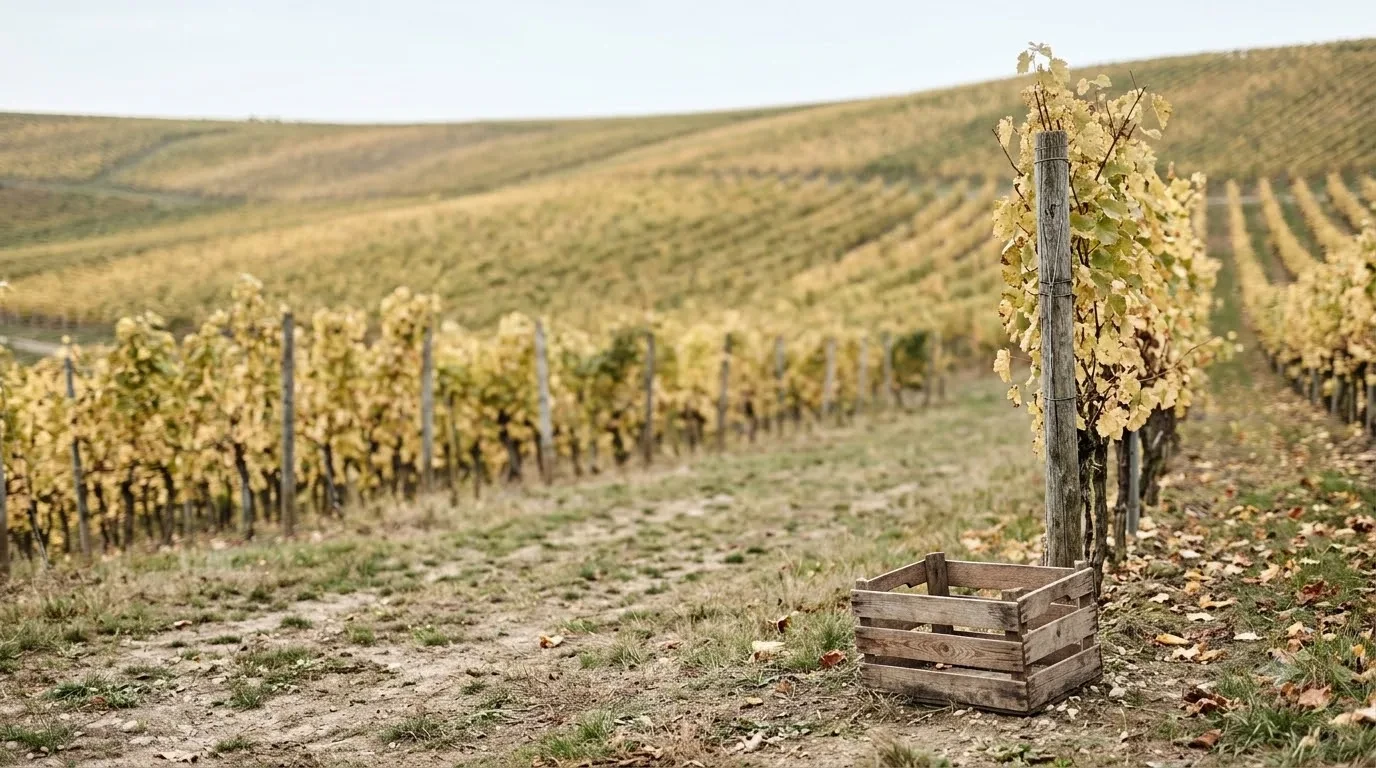
The state’s wine regions follow the Rio Grande, the river that runs through the middle of New Mexico. Wikipedia’s overview notes that the wineries lie mainly along the river, through the Albuquerque area and the Mesilla Valley, and in the Mimbres River valley. That geography gives visitors a choice: you can plan a day around Albuquerque and its nearby estates, or head south toward the Mesilla Valley and Las Cruces.
New Mexico has three federally recognized appellations, the Mesilla Valley, Middle Rio Grande Valley and Mimbres Valley American Viticultural Areas. Each has its own soils, water supply and set of growers, so a tasting trip that covers more than one area gives a fuller picture of how the state’s wines differ.
A winemaking history that goes back centuries
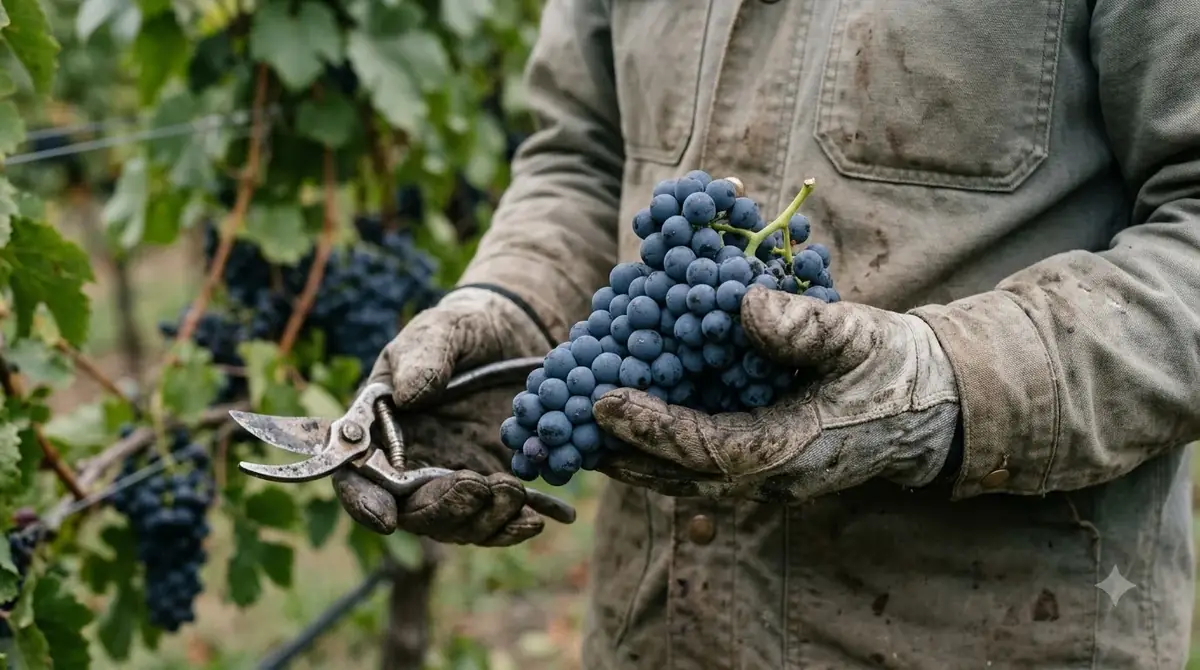
New Mexico’s wine story starts with missionaries. Franciscan and Capuchin friars planted the first wine grapes around 1629 near modern Socorro, using Mission grapes that are still grown today. By 1880, vineyards covered more than 3,000 acres, and the wineries produced more than a million gallons in a single year. Floods along the Rio Grande, Prohibition and major floods in 1926 and 1943 hurt the old commercial industry, and it did not recover in the same form.
The modern wine industry began in the late 1970s. According to Wikipedia, commercial wineries started opening in 1977, and La Viña Winery is described as the oldest continually operating winery in the state. A 1978 government-sponsored study encouraged growers to plant heritage grapes and to develop hybrids, which helps explain the mix of European and hybrid varieties in the tasting rooms you will visit.
Grapes and styles you will taste
New Mexico’s red varieties include Cabernet Sauvignon, Zinfandel, Sangiovese, Pinot noir, Merlot, Syrah and Tempranillo. White wines include Chardonnay, Riesling, Viognier and Sauvignon blanc. Hybrids such as Baco noir, Chambourcin and Vidal blanc appear on many lists, and they often suit a relaxed tasting flight or a summer afternoon.
Merlot deserves a closer look. Wine Folly’s Merlot guide describes cooler-climate examples as showing fresh red plum and cherry, while warmer sites give baked blackberry and a fuller body. That difference is useful when you taste in New Mexico, because the state’s varied sites can produce both styles. Ask staff whether a Merlot comes from a warm or cool site, since that answer explains much of the flavor on the glass.
The same guide suggests serving Merlot at 60 to 68°F (15 to 20°C) and decanting fuller-bodied versions for about half an hour. Tasting rooms often pour reds at room temperature, so a short chill can bring out the fruit in a lighter bottle.
| Variety | What to expect | Good with |
|---|---|---|
| Merlot | Plum, cherry or blackberry, medium-full body | Roast meats, pasta, pizza |
| Cabernet Sauvignon | Dark fruit, structured tannins, oak spice | Grilled steak, lamb |
| Tempranillo and Sangiovese | Savory red fruit, bright acidity | Tomato-based dishes, grilled vegetables |
| Hybrids such as Chambourcin | Fresh, fruity and easy-drinking | Barbecue and casual meals |
Tip: Ask which vineyard and which region each wine comes from. In a state with several appellations, that detail tells you more about the glass than the label alone.
How to plan a New Mexico vineyard visit
Start with the region you want to see. If you are based in Albuquerque, the Middle Rio Grande Valley is the easiest starting point, and you can add a few estates in a single afternoon. If you plan a longer drive, the Mesilla Valley near Las Cruces gives a different landscape and a different set of tasting rooms, so a two-day plan works well.
Book ahead for weekends and festival dates, and check hours before you go, since smaller wineries often open for limited days. Tasting rooms can be spread out, so leave room in the plan for drives and a break. A driver or a guided tour is a good option for a full day, especially in warm weather when water matters.
Timing matters as well. Spring and fall are the most comfortable seasons for outdoor tastings. Summer can be hot in the desert valleys, so start early and plan indoor breaks. Many New Mexico wineries also host seasonal events, so check the calendar before you travel.
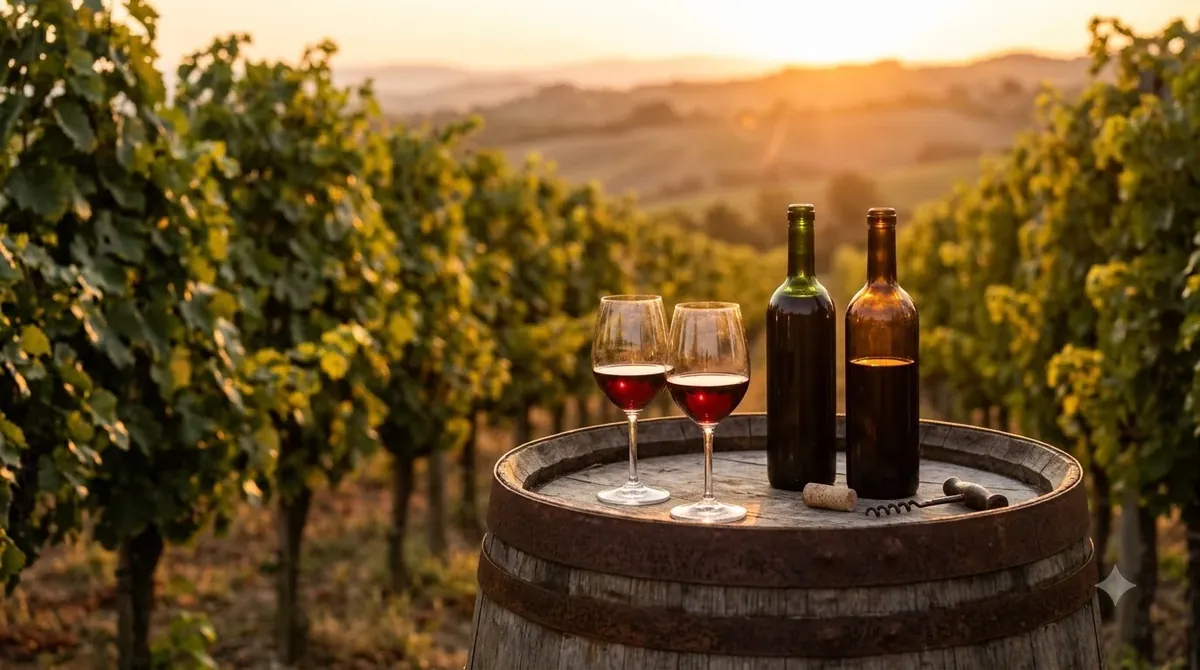
If you are planning a longer trip through the state, the New Mexico wine guide covers the state’s wine history in more detail, and the New Mexico wine festival page explains how to time a visit around a larger event. For a comparison with a different high-elevation region, the Murphys vineyards guide shows how a foothill setting in California changes the style of its reds.
Tasting etiquette and buying bottles
New Mexico tasting rooms are usually relaxed, and staff are often happy to explain the wines. Ask how the grapes were grown, whether the winery farms its own vineyard or buys fruit from growers, and whether the wine is made in small batches. Those answers help you see why two wines from the same state can taste so different.
Taste each pour and remember that tasting rooms typically serve small amounts. You do not need to finish every glass. If you plan to buy, ask whether the winery ships to your state, since shipping rules vary and a bottle bought in person may be easier to carry home than to ship.
Many smaller estates sell most of their wine at the tasting room or through a mailing list. A visit is the best way to find bottles that never reach wide distribution, and a club membership can make later orders easier.
Frequently Asked Questions
What is New Mexico best known for in wine?
New Mexico is known for its long winemaking history, which goes back to Mission grapes planted in the early 1600s. Today the state makes a mix of European varieties, such as Merlot, Cabernet Sauvignon and Tempranillo, along with hybrids like Chambourcin.
Which New Mexico wine regions should I visit first?
The Middle Rio Grande Valley near Albuquerque is the easiest starting point for most visitors. The Mesilla Valley near Las Cruces is a good second stop, and it works well as part of a longer trip.
Are New Mexico vineyards open year-round?
Many are open through the year, but hours and days vary, and some smaller wineries open only on certain days. Check each estate’s schedule before you travel, especially in winter.
Do I need reservations for New Mexico wineries?
Reservations help for weekends, festival dates and larger tours, and small estates may limit the number of guests per slot. Calling ahead avoids a wasted drive, especially for a planned lunch or a group visit.
A New Mexico vineyard visit rewards a clear plan: pick a region, book the estates you care about, and let the tasting room staff explain what makes each wine different. Once you know how the Rio Grande and the state’s history shape the bottles, the rest of the tasting menu makes more sense.
More in Wine Regions
 Willcox Wine Trail: Discover Arizona’s High-Elevation Wine CountryUpdated Nov 20, 2026
 Yakima Valley Wine Region: Find the Best Styles to TryUpdated Nov 20, 2026
 Vosne Romanee Wine Tasting: Identify Aromas and Choose Better PairingsUpdated Nov 20, 2026
 Yakima Valley Wine Festival: Find the Best Seasonal Wine EventsUpdated Nov 20, 2026
 Wales Vineyards: Discover Cool-Climate Wines and Where to VisitUpdated Nov 20, 2026
 Yountville Wine Festival: Discover Napa Wines and Local FoodUpdated Nov 20, 2026