

We may earn a commission when you buy through links on this page, at no extra cost to you. Learn more.
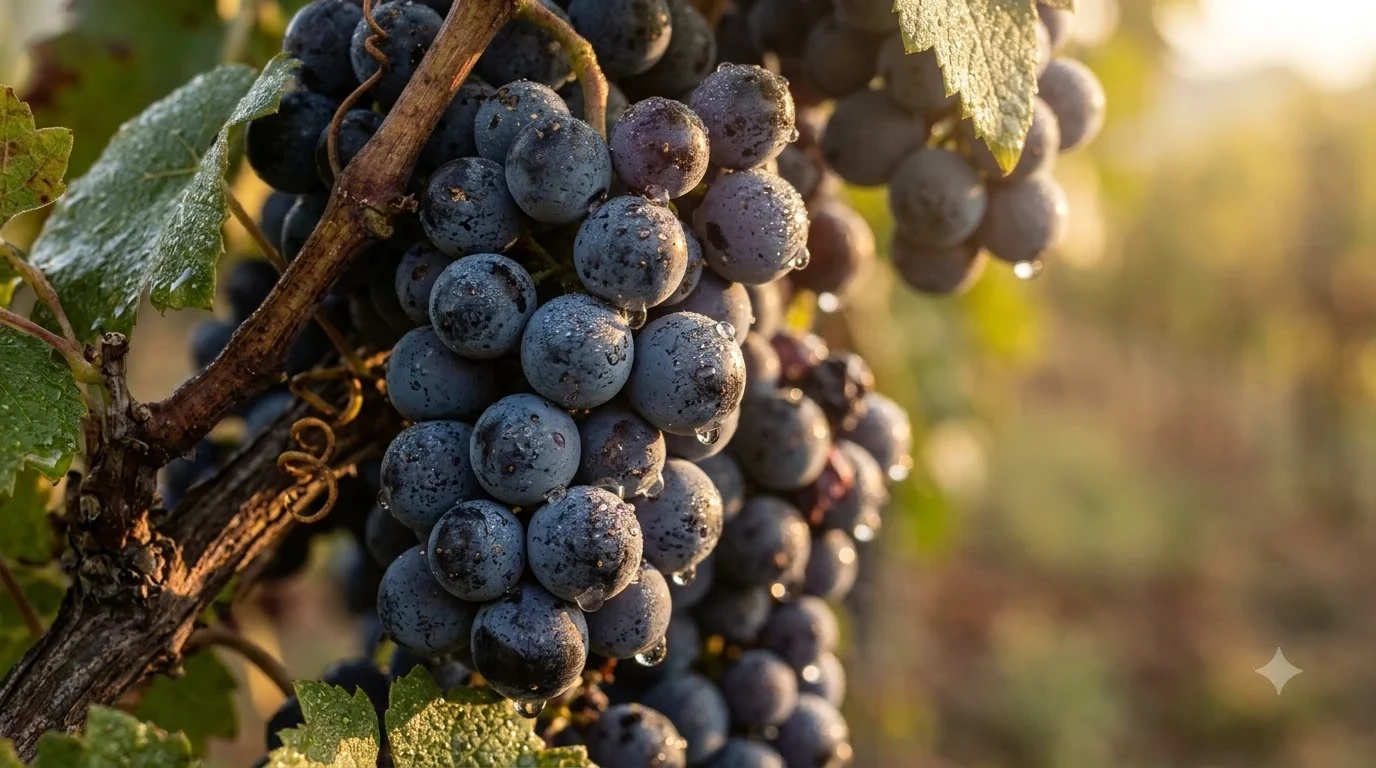
New Mexico wine comes from a high-desert wine country that claims one of the oldest winemaking traditions in the United States, with vines planted along the Rio Grande since 1629. Today the state’s wineries work with European vinifera grapes, cold-hardy French hybrids and a growing list of local bottlings, most of them grown in three sub-regions near the Rio Grande and the Mimbres River.
If you have seen a New Mexico bottle on a restaurant list and wondered what to expect, this guide explains where the wine comes from, which grapes show up most often, and how to choose and serve it. It also points you to a few useful reads for planning a trip.
Overview of New Mexico wine
New Mexico is not the first state most wine drinkers think of, yet it has one of the longest documented wine histories in the country. The grape-growing areas sit at high elevation with strong sun, dry air and wide temperature swings between day and night. Those conditions keep disease pressure low and give the grapes bright acidity, which is why many local wines taste fresher than their desert setting would suggest.
Most of the state’s production is concentrated along the Rio Grande, from the Santa Fe and Albuquerque areas south toward the Mesilla Valley, with a smaller group of vineyards in the Mimbres River valley to the southwest. Wineries range from small family estates to larger tasting rooms that sell wine across the region.
A history older than most of the country’s wine
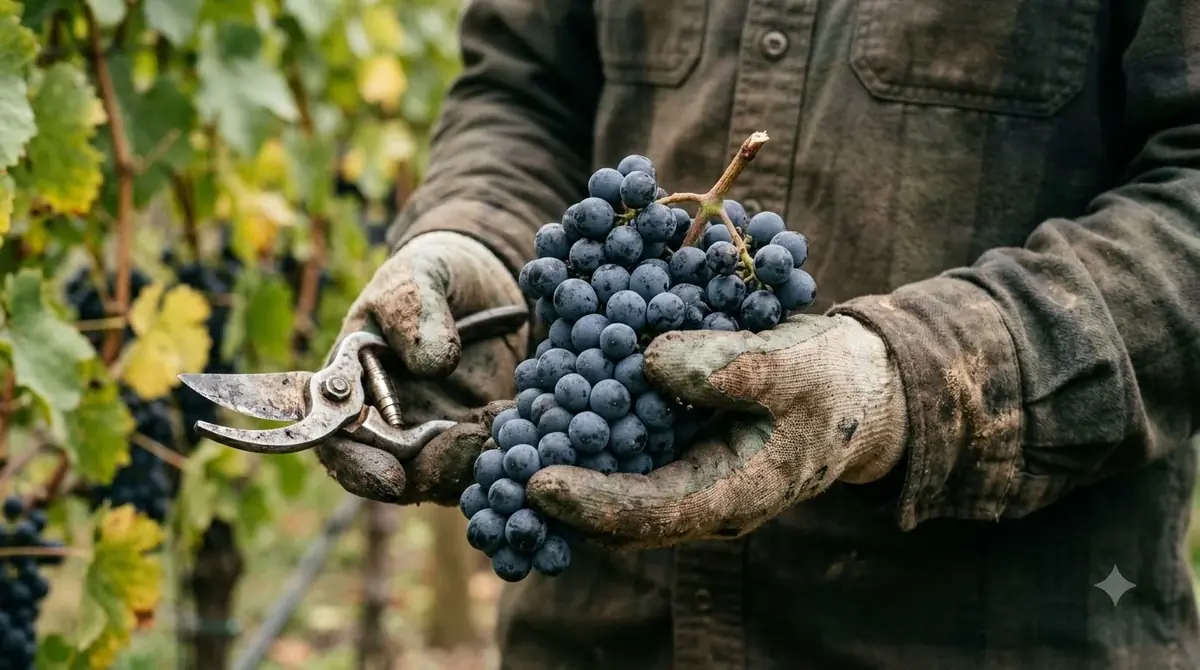
The region’s wine story starts with missionaries. According to the historical account on Wikipedia, Franciscan and Capuchin friars planted the first vines near modern Socorro in 1629, using the Mission grape. That makes New Mexico home to what the state’s wine community calls the oldest winemaking tradition in the United States. The New Mexico wine industry site describes the state as the birthplace of American wine, with a history reaching back nearly 400 years.
Production grew through the 1800s, with a reported output of more than 1,000,000 US gallons by 1880. Floods in the late 1800s and 1900s, along with Prohibition, hit the industry hard. Vineyard acreage peaked at about 7,000 acres in 1986 and fell to roughly 700 acres by 1989, according to the same source. The modern revival began around 1977, when small wineries started making wine from French-hybrid grapes. La Viña Winery is described as the oldest continually operating winery in the state.
Regions and sub-regions
New Mexico has three federally recognized American Viticultural Areas, and each one has its own character. The table below gives a quick overview. Check the label or the producer’s website for the exact appellation on any bottle you buy, because many wines are labeled simply as New Mexico.
| Area | Where it sits | What to expect |
|---|---|---|
| Mesilla Valley AVA | Near Las Cruces in the south of the state | Warm growing conditions along the Rio Grande, and a base for many well-known local wineries |
| Middle Rio Grande Valley AVA | Central New Mexico, including the Albuquerque and Socorro areas | The historic core of the industry, with a wide mix of grapes and some of the oldest vineyard sites |
| Mimbres Valley AVA | Southwest New Mexico, along the Mimbres River | A smaller, more remote area with a quieter pace and fewer wineries |
The state’s wine trail and winery directories make it easy to plan visits across these areas. For a deeper look at the wineries themselves, our guide to New Mexico vineyards covers the growing sites in more detail.
Grape varieties and wine styles
New Mexico grows a surprisingly wide range of grapes. Reference lists from Wikipedia name Cabernet Sauvignon, Zinfandel, Sangiovese, Pinot noir, Merlot, Syrah and Tempranillo among the red vinifera, and Chardonnay, Riesling, Gewürztraminer, Sauvignon blanc and Viognier among the whites. The state’s hybrid grapes, including Baco noir, Chambourcin, Vidal blanc and Marechal Foch, have a long history here because they handle cold winters better than many vinifera varieties.
In practice, you will see two broad styles. Warm-climate reds such as Syrah and Tempranillo tend to show dark fruit and firm tannins. Crisp whites and rosés, often made from Riesling, Viognier or Sauvignon blanc, lean toward citrus and stone fruit with lively acidity. Many wineries also make fruit wines and sweeter blends, which are popular at tasting rooms and festivals.
Hybrids deserve a closer look because they explain a big part of the region’s wine identity. Varieties such as Chambourcin and Marechal Foch were developed to survive harsh winters and disease pressure, so they became a practical choice for growers in cold-winter areas. Their flavors are usually fruit-forward, with dark berry notes in the reds and bright tropical or floral notes in whites like Vidal blanc. Tasting one next to a Syrah or a Riesling is a useful way to see how grape genetics, not only climate, shape the glass.
When you read a label, look for the variety name first. A bottle labeled Chambourcin tells you more about the style than a generic red blend. Producers who work with a single variety often publish tasting notes that describe the oak regime, fermentation style and whether the wine is meant for early drinking or aging. Those details help you match a bottle to your meal and your taste without relying on a score.
How to serve and pair New Mexico wine
Serving New Mexico wine is simple because the styles follow familiar patterns. Serve the whites and rosés cool, not ice cold, so the aromas stay open. Let the bigger reds breathe for a short time after opening, especially the Syrah and Tempranillo bottlings, which often soften with a little air.
The state’s food culture is a natural partner for local wine. Green chile dishes, grilled meats and smoky barbecue pair well with the Tempranillo and Syrah styles, while Viognier and Riesling work with spicy sauces and fresh salsas. Crisp Sauvignon blanc suits lighter seafood and salads.
Tip: If you are unsure which bottle to pick, ask the tasting room staff which wines they make from their own vines and which they source. Their answer tells you a lot about what they are trying to show.
How to choose a New Mexico bottle
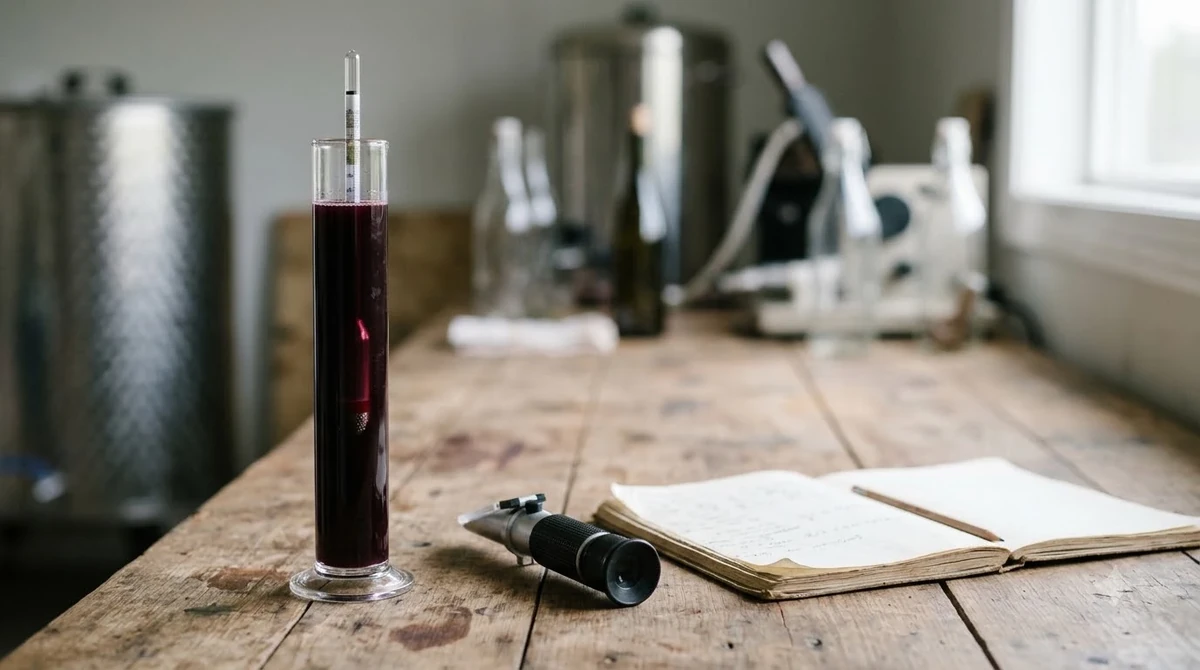
Start with the style you like, then look at the producer. Smaller wineries often focus on one or two varieties and can tell you exactly where the grapes were grown. Larger brands may blend fruit from several areas, which makes them consistent but less specific. Hybrid and fruit wines are a good choice for casual evenings, while vinifera-focused bottles suit meals where you want more structure.
If you plan to visit the region rather than shop online, the wine regions guide on this site explains how other areas compare, which can help you decide where to spend your time.
Frequently Asked Questions
Is New Mexico really one of the oldest wine regions in the United States?
Historians often point to 1629 as the start of grape growing near Socorro, when friars planted vines. That makes New Mexico one of the oldest documented winemaking traditions in the country, though other areas also have long histories.
What grapes are most common in New Mexico wine?
Producers grow a wide mix. Red vinifera such as Syrah, Tempranillo and Cabernet Sauvignon are common, along with whites like Riesling, Viognier and Chardonnay. Cold-hardy hybrids such as Chambourcin and Vidal blanc are also widely planted.
How many wineries are in New Mexico?
Counts vary by source and by what is included, such as tasting rooms with several locations. Published figures range from about 50 to more than 60 wineries, so check a current state directory if you are planning a route.
Where should I start if I want to try local wine at home?
Look for a bottle from a small producer that names its growing area, and try one white or rosé and one red. Pairing it with local food, such as green chile dishes or grilled meats, gives you a good sense of how the regional wines are meant to taste.
New Mexico wine rewards curiosity. Start with a few bottles from different sub-regions, compare the styles side by side, and you will quickly see how the desert climate shapes what is in the glass. For the bigger picture across other wine areas, browse our New Mexico wine festival coverage or return to the wine regions hub to plan your next bottle.
More in Wine Regions
 Willcox Wine Trail: Discover Arizona’s High-Elevation Wine CountryUpdated Nov 20, 2026
 Yakima Valley Wine Region: Find the Best Styles to TryUpdated Nov 20, 2026
 Vosne Romanee Wine Tasting: Identify Aromas and Choose Better PairingsUpdated Nov 20, 2026
 Yakima Valley Wine Festival: Find the Best Seasonal Wine EventsUpdated Nov 20, 2026
 Wales Vineyards: Discover Cool-Climate Wines and Where to VisitUpdated Nov 20, 2026
 Yountville Wine Festival: Discover Napa Wines and Local FoodUpdated Nov 20, 2026