

We may earn a commission when you buy through links on this page, at no extra cost to you. Learn more.
Sonoma Coast vineyards are the grapes planted in Sonoma Coast, a large American Viticultural Area in Sonoma County, California, that was established in 1987. The appellation is cool and wet compared with much of the rest of the county, and it covers a long stretch of Pacific coastline and the valleys behind it. Its vineyards grow a wide range of grapes, from Pinot Noir and Chardonnay to Syrah and Zinfandel, and the region is divided into several smaller subregions with distinct character.
This guide explains what the Sonoma Coast appellation is, how its climate shapes the grapes, which subregions are worth knowing, and how to find and enjoy wines from these vineyards. It is written for a wine drinker who wants to understand the region before choosing a bottle or planning a visit.
What the Sonoma Coast appellation covers
Sonoma Coast is an American Viticultural Area, a legally defined growing region, located inside Sonoma County. According to the Wikipedia article on the appellation, it was established on June 10, 1987. Its boundary is large: the appellation covers about 480,000 acres, or 750 square miles, and only a small part of that land, about 11,452 acres, is planted with vineyards. Most of the area is hills, valleys, and coastline that are not planted, which is typical of a broad AVA.
Because the appellation is so large, the name describes a general region rather than a single style of wine. A bottle labeled Sonoma Coast can come from a vineyard near the ocean or from one many miles inland. Reading the back label for a smaller appellation, such as Russian River Valley or Green Valley, often tells you more about the wine’s character.
How the climate shapes the grapes
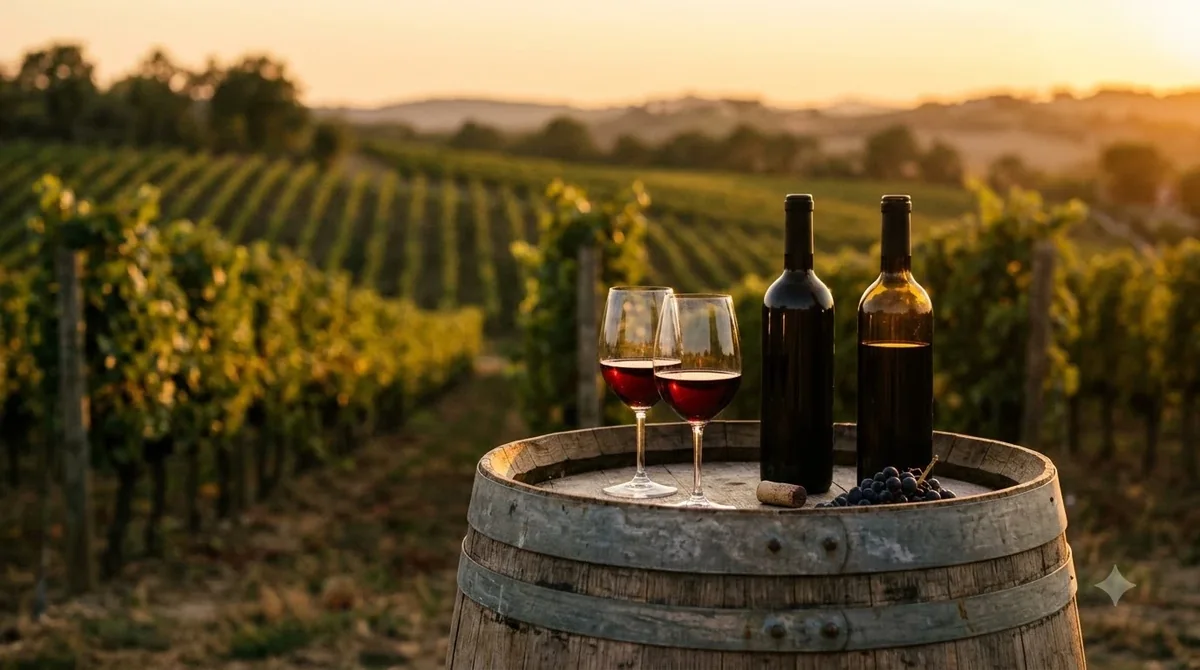
The region is known for its cool climate and high rainfall relative to other parts of Sonoma County. That cool air is what makes the coastal vineyards different from the warmer inland valleys. Cool growing seasons allow grapes to ripen slowly, which tends to keep acidity high and flavors fresh, and this is why cool-climate grapes such as Pinot Noir and Chardonnay do well here.
The Wine Folly guide to Pinot Noir makes a similar point about the Pacific Coast in general. It advises that the best wines from the United States often come from the cooler regions, and it describes the coast and northern areas as the place to look for them. In practice, a vineyard closer to the ocean usually ripens later and keeps more acidity than one in a warm inland valley, and winemakers in the area often adjust their picking dates and canopy management to suit.
| Fact | Detail for Sonoma Coast |
|---|---|
| Established | June 10, 1987 |
| Total area | About 480,000 acres (750 square miles) |
| Planted vineyards | About 11,452 acres |
| Climate | Cool, with more rain than much of Sonoma County |
| Wineries | 269, according to the appellation article |
The main grape varieties
The appellation supports a long list of grapes, which reflects how varied its sites are. Pinot Noir and Chardonnay are the cool-climate classics, and Pinot Gris and Sauvignon Blanc also suit the cooler sites. Warmer pockets grow Cabernet Sauvignon, Merlot, Syrah, and Zinfandel. Smaller plantings include Cabernet Franc, Gewurztraminer, Marsanne, Pinotage, Roussanne, Viognier, and Pinot Meunier.
For a first bottle, Pinot Noir and Chardonnay are the easiest to find and to understand. Pinot Noir from the coast tends to show bright red fruit, lively acidity, and a light, savory finish. Chardonnay from cooler sites tends to be more restrained than a warm-climate bottle, with crisp fruit and less heavy oak. Each style is worth comparing with a bottle from a warmer appellation to see the difference the climate makes.
The subregions and named sites
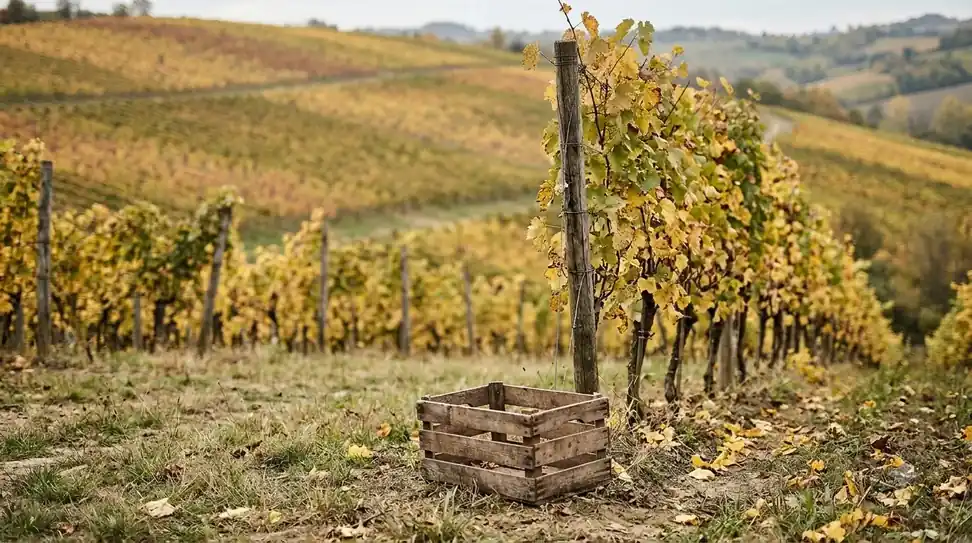
Sonoma Coast contains several named subregions, and many producers label their wines with the smaller name instead. Chalk Hill, Fort Ross-Seaview, Green Valley of Russian River Valley, Los Carneros, Northern Sonoma, Petaluma Gap, Russian River Valley, Sonoma Valley, and West Sonoma Coast are all named in the appellation article. Each one has its own soils, elevation, and exposure to fog and wind, so a Chardonnay from Petaluma Gap can taste quite different from one out of the Sonoma Valley.
Chalk Hill is one of the best-known sub-areas, and it has its own Chalk Hill vineyards guide on this site, which is useful if you want to learn more about one vineyard in the region. The appellation article also mentions that the region’s large number of wineries includes big producers as well as small estates. One example it gives is E & J Gallo Winery, which operates Two Rock Vineyard, a 400-acre hillside vineyard near Cotati. That mix of large and small producers means you can find a wide range of prices and styles.
How to find and buy Sonoma Coast wine
Start by reading the label. A bottle labeled Sonoma Coast will say so on the front or back, and it may also name a smaller appellation or a single vineyard. If the label names Chalk Hill or Green Valley, you know more about the site. If the label only says Sonoma County, the grapes may come from anywhere in the county, and the Sonoma Coast name will not appear.
When you buy, look for the vintage, the grape, and the producer’s notes on acidity and style. Coastal wines tend to be bright, so if you prefer richer, bolder bottles, check whether the producer makes a warmer-site wine too. The Wine Regions guides on this site cover other appellations if you want to compare styles across California and beyond.
Visiting the region
The coast and the valleys behind it are easy to combine into a single trip. Tasting rooms are spread across several subregions, and many are small enough that you can talk with the winemaker or the person pouring. Plan visits in advance, since many smaller estates use reservations, and keep the drive between tasting rooms short, since the roads are winding in places.
If your interest is in one specific area, it is worth planning around it. Visitors who want to understand the cool-climate side of the region often start with a Pinot Noir or Chardonnay tasting, then move to a warmer valley for comparison. The effect of climate is easier to taste side by side than to describe in words. For a valley with a warmer profile, the Calistoga vineyards guide offers a useful comparison point.
Frequently Asked Questions
What is Sonoma Coast known for?
Sonoma Coast is known for cool-climate wines, especially Pinot Noir and Chardonnay. The area is cooler and wetter than much of Sonoma County, which keeps acidity high in the grapes.
When was the Sonoma Coast AVA established?
According to the Wikipedia article on the appellation, it was established on June 10, 1987. It is one of the broader appellations inside Sonoma County.
Is Sonoma Coast the same as Russian River Valley?
No. Russian River Valley is one of the smaller subregions within the broader Sonoma Coast appellation. A bottle labeled Russian River Valley is a more specific claim than one labeled Sonoma Coast.
Which grapes grow best on the Sonoma Coast?
Pinot Noir and Chardonnay suit the cooler sites best, and Pinot Gris and Sauvignon Blanc also do well. Warmer pockets of the appellation grow Cabernet Sauvignon, Merlot, Syrah, and Zinfandel.
Sonoma Coast vineyards reward curious drinkers who read labels closely and compare styles. Start with a cool-climate Pinot Noir or Chardonnay, then look at the named subregions to see how much the site changes the wine.
More in Wine Regions
 Willcox Wine Trail: Discover Arizona’s High-Elevation Wine CountryUpdated Nov 20, 2026
 Yakima Valley Wine Region: Find the Best Styles to TryUpdated Nov 20, 2026
 Vosne Romanee Wine Tasting: Identify Aromas and Choose Better PairingsUpdated Nov 20, 2026
 Yakima Valley Wine Festival: Find the Best Seasonal Wine EventsUpdated Nov 20, 2026
 Wales Vineyards: Discover Cool-Climate Wines and Where to VisitUpdated Nov 20, 2026
 Yountville Wine Festival: Discover Napa Wines and Local FoodUpdated Nov 20, 2026