

We may earn a commission when you buy through links on this page, at no extra cost to you. Learn more.
The best Temecula wineries are the ones that match the kind of day you want: a tasting room with a view of the vines, a small producer focused on one or two grapes, or a larger estate that suits a group visit. Temecula Valley is a warm, inland wine region in Southwestern Riverside County, and its wineries range from casual tasting rooms to established estates. Plan around the style of wine you enjoy and how many stops you want in one day.
Temecula is one of the closer wine regions to Los Angeles and San Diego, which makes it a popular day trip. Its vineyards sit on the eastern slopes of the Santa Ana Mountains, and the area has a long tradition of tasting rooms that welcome visitors without an appointment. Choosing among them can feel overwhelming. This guide explains how the region is laid out, what affects the wine you taste, and how to pick the right wineries for a visit.
Quick Comparison
Wineries in Temecula vary in size, tasting format, and how much time a visit usually takes. Use the table to match a winery type to your plans before you book.
| Winery Type | Typical Visit | Best For | Booking | Pace |
|---|---|---|---|---|
| Tasting room in a village or plaza | One to two hours | Sampling several styles on foot | Walk-in common, reservations for groups | Relaxed |
| Estate with vineyard views | Two to three hours | Seated tastings and scenery | Reservations recommended | Slower, with food pairings |
| Small producer focused on few grapes | One to two hours | Learning one variety or style well | Varies by producer | Focused and detailed |
| Large event-friendly estate | Two to four hours | Groups, celebrations, and events | Reservations and group bookings | Busy on weekends |
Best for Scenic Estates: Vineyard-View Tasting Rooms
Estate tasting rooms that sit among the vines are the most popular choice for a first visit. The setting shows how the grapes are grown, and the seated tastings usually include a few wines matched with simple food. The area’s warm days and cool nights, shaped by marine air that enters through gaps in the mountains, help explain why many estates grow a broad mix of varieties.
Book a seated tasting ahead of time on a weekend, especially in spring and fall. Ask whether the tasting includes the estate’s reserve wines or only the entry-level lineup, since the difference can be large. If the view is the main goal, plan the visit for late afternoon, when the light is best and the wind is usually calmer.
Best for Wine Lovers Who Want Variety: Village Tasting Rooms
Tasting rooms clustered in a village or plaza let you sample several styles in one walk. This format suits a group that wants to compare reds, whites, and sparkling wines without driving between stops. It is also a good option for someone trying the region for the first time, because the staff can explain the differences between styles in a short visit.
Plan two or three stops at most. Each tasting pour is small, but the total adds up, and the wine is better appreciated when you have time between stops. Eat before you go, and arrange a driver or a rideshare for the trip back. A walk-in visit works on a weekday, while group visits on weekends should be arranged in advance.
Best for Grape Specialists: Producers Focused on a Few Varieties
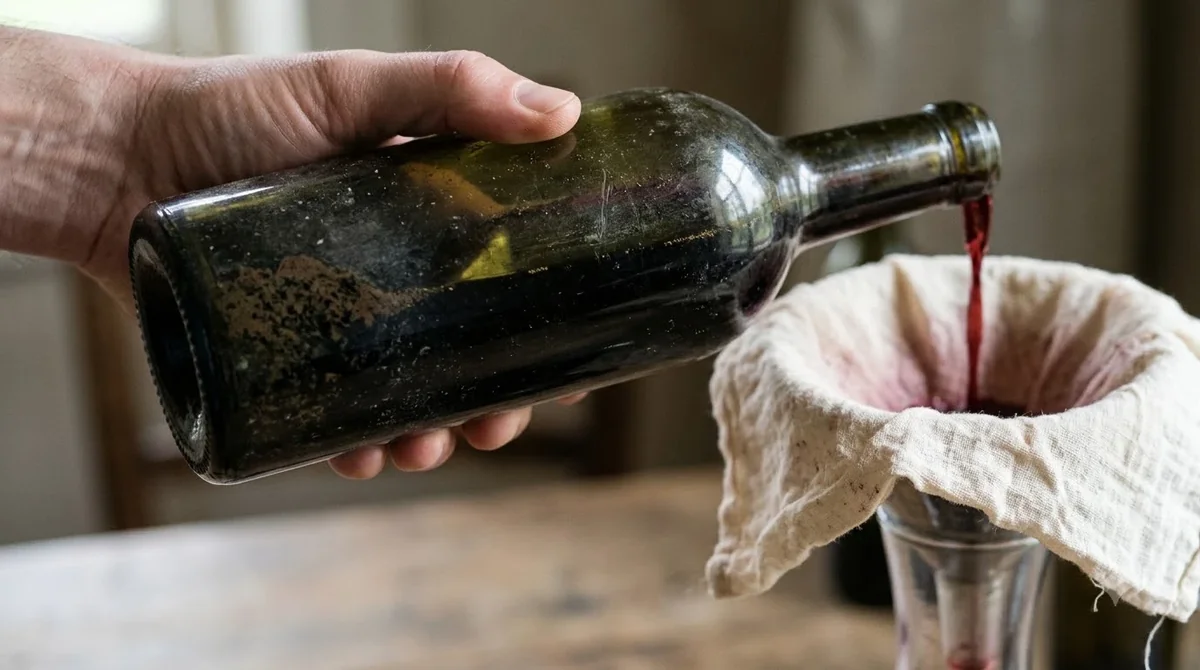
Some Temecula producers focus on a small number of grapes rather than a broad list. Temecula’s named varieties include Cabernet Sauvignon, Chardonnay, Merlot, Syrah, Zinfandel, Sangiovese, and Viognier, according to the Wikipedia entry for the Temecula Valley AVA. A focused producer lets you taste how one grape behaves in this climate, which is more useful than a sampler when you want to learn.
Ask the tasting staff which variety the winery grows most and how the producer handles it in the cellar. A visit with a clear focus is a good way to build your palate, and it helps you remember what you liked. Take notes on the aroma, body, and finish of each wine, because the differences between two producers’ Syrah or Chardonnay can be subtle.
Best for Groups and Celebrations: Large Event-Friendly Estates
Larger estates often host private events, weddings, and corporate groups, and they can handle a party of eight or more with a reservation. These wineries usually have food service, outdoor seating, and staff who can guide a group through a flight of wines. They are a good choice for a birthday or a celebration where the group wants to spend a long afternoon together.
Book group visits well in advance, especially on weekends and during harvest season. Check whether the estate charges for a tour, and whether the tasting fee is waived with a bottle purchase. A group should agree on a driver or a shuttle before the day begins, since the roads between estates can take longer than expected.
Best for Learning the Region: Wineries with Clear Stories
A winery with a clear story about its land, its founding, or its approach to winemaking makes the visit more memorable. The region itself has a short formal history. The Temecula Valley American Viticultural Area was established in 1984 and was renamed Temecula Valley in 2004, according to the same Wikipedia entry. Knowing that timeline helps you ask better questions about how a producer’s approach has changed over the years.
Look for wineries that explain their vineyard sites, their use of oak, and their approach to the local climate. A staff member who can connect the wine to the land gives you more to take home than a list of tasting notes. If the story matters to you, read the producer’s own history page before you visit so you can ask about the details.
Key Factors to Compare
The region’s climate and soils affect how wines taste, so it helps to know what to look for. The table below lists the features that matter most when choosing a winery.
| Factor | What It Means | Why It Matters |
|---|---|---|
| Elevation | Vineyards sit roughly 1,000 to 1,600 feet above sea level | Altitude affects temperature and ripening |
| Climate | Warm days, cool nights from marine air through the mountains | Helps grapes keep acidity and develop flavor |
| Soils | Decomposed granite, rocky, and sandy loam | Affects drainage and vine vigor |
| Grape mix | Many varieties are grown, including several red and white styles | Lets you compare styles within one region |
| Tasting format | Walk-in, seated, or group tastings | Determines pace and cost of the visit |
How to Plan Your Visit
A good Temecula visit starts with a clear plan. Decide how many wineries you want to see, which styles you want to taste, and whether the day is about the setting or the wine. Build the schedule around driving time and meals, and leave room for the unexpected.
- Choose two or three wineries. Pick a mix of formats, such as one estate and one village room.
- Book the seated tastings. Reservations help on weekends and during events.
- Set a driver plan. Use a designated driver, a rideshare, or a tour service.
- Eat between stops. Food slows the pace and keeps the tastings enjoyable.
- Take notes. Record the names of wines and the features you liked.
Common Mistakes to Avoid
Many visitors try to fit too many wineries into one day, which makes the later tastings hard to remember and the driving tiring. Another common mistake is skipping food and then tasting on an empty stomach. Visitors also forget that tasting rooms may have their own rules about group size, reservation timing, and tasting fees.
Tip: Ask the staff what the winery is known for before you taste. A short explanation helps you judge the wine in context and often leads to a better pour.
Frequently Asked Questions
How many wineries can you visit in one day in Temecula?
Two or three stops is a comfortable pace for most visitors. A longer day can work if you plan lighter tastings and meals between stops, but the later visits are easier to enjoy when you are not rushing.
Do Temecula wineries need reservations?
Some do and some do not. Walk-in visits are common on weekdays, while weekends, events, and group visits usually need a reservation. Check each winery’s current policy before you go.
What grapes are grown in Temecula?
The region grows a broad mix, including Cabernet Sauvignon, Chardonnay, Merlot, Syrah, Zinfandel, Sangiovese, and Viognier, according to the Wikipedia entry for the Temecula Valley AVA. Each winery chooses its own mix, so the tasting menu will vary.
Is Temecula a good area for a first wine trip?
Yes. The villages are close together, the tasting rooms are easy to reach, and the range of styles lets a new visitor compare what they like. Plan a relaxed route and ask staff for explanations along the way.
The best Temecula wineries for your visit depend on the day you want. Choose one or two estates for the view, a village room for variety, and a focused producer if you want to learn a grape. For more regional planning, read the guides to Paso Robles wineries, Fredericksburg wineries, and Sonoma wineries, or start with the wine buying guide.
More in Wine Buying Guides
 Riesling Gift: Choose a Bottle They’ll LoveUpdated Nov 21, 2026
 Sweet Red Wine Gift: Choose a Bottle They’ll LoveUpdated Nov 21, 2026
 Malbec Gift: How to Choose a Memorable Bottle for Any OccasionUpdated Nov 21, 2026
 Sherry Gift Ideas That Match Every Wine LoverUpdated Nov 21, 2026
 Moscato Gift: How to Choose a Sweet Wine They’ll LoveUpdated Nov 21, 2026
 Merlot Gift: How to Choose a Bottle They’ll AppreciateUpdated Nov 21, 2026