

We may earn a commission when you buy through links on this page, at no extra cost to you. Learn more.
Temecula wineries sit inside the Temecula Valley American Viticultural Area, a region of about 33,000 acres on the eastern slopes of the Santa Ana Mountains in southwestern Riverside County, California. Cool marine air moves inland through gaps in the mountains, and that breeze helps the valley’s warm days produce grapes with balanced acidity. This guide explains where the region is, how it developed, which grapes grow there, which wineries are best known, and how to plan a visit.
Temecula is often grouped with the other California wine country areas, but it has its own history and character. Whether you are a curious drinker, planning a trip to Southern California, or comparing regions, the sections below cover the facts that matter most.
Where the Temecula Valley Is and Why It Matters
The valley is a compact wine district. Its vineyards are planted on the eastern slopes of the Santa Ana Mountains, and the region’s vineyards sit at roughly 1,000 to 1,600 feet above sea level. Viticultural area status is a formal designation that defines the boundaries a winery can use on its label when it names the region.
Because the district is small compared with Napa Valley or the Central Coast, most tasting rooms, restaurants, and lodging are close enough to combine in a single day. Wine tourism in the valley is built around that density, which is one reason the area draws so many first-time visitors from the greater Southern California region.
For readers new to wine regions in general, the Wine Regions hub explains how climate, soil, and rules shape a wine’s character. Temecula is a useful example of a warm, inland-influenced area that still produces fresh, structured wines.
A Short History of the Region
Before it was a wine district, the valley was largely ranch land. Its modern wine history began in the late twentieth century, when growers tested whether the local soils and climate could support serious grape growing. The results encouraged a wave of new vineyards and tasting rooms.
The first milestone for public wine tourism came in 1974, when Callaway Vineyard and Winery opened the first public tasting room in the valley. Mount Palomar Winery was established in 1969, and Brookside Winery planted its own vineyard and produced the first Temecula-grape wines in 1971. These early producers helped establish the valley as a place to make wine rather than only to grow grapes for buyers elsewhere.
The federal government recognized the area as an American Viticultural Area in 1984. The name was changed to Temecula Valley in 2004, which is the name used today. The Cilurzo family’s original vineyard is now owned by Maurice Carrie Winery, a reminder that many of the valley’s vineyards have changed hands over the decades.
Climate, Soils, and the Grapes Grown Here
The valley’s climate is warm during the growing season, which typically runs from March through September. Growers in the valley describe conditions that range from warm inland heat to cooler marine air, so the same region can support both bold reds and crisp whites depending on the site. Annual rainfall is modest, usually between 10 and 20 inches, which means vineyards rely on irrigation as a standard practice.
The valley’s blend of warm days and marine breezes is the main reason winemakers here can ripen fruit fully while keeping acidity. Warm-climate grapes often taste riper and fuller than the same varieties from cooler coastal sites, and the cooling air at night helps the grapes hold freshness. That balance is why many local bottles feel generous on the palate without becoming flat.
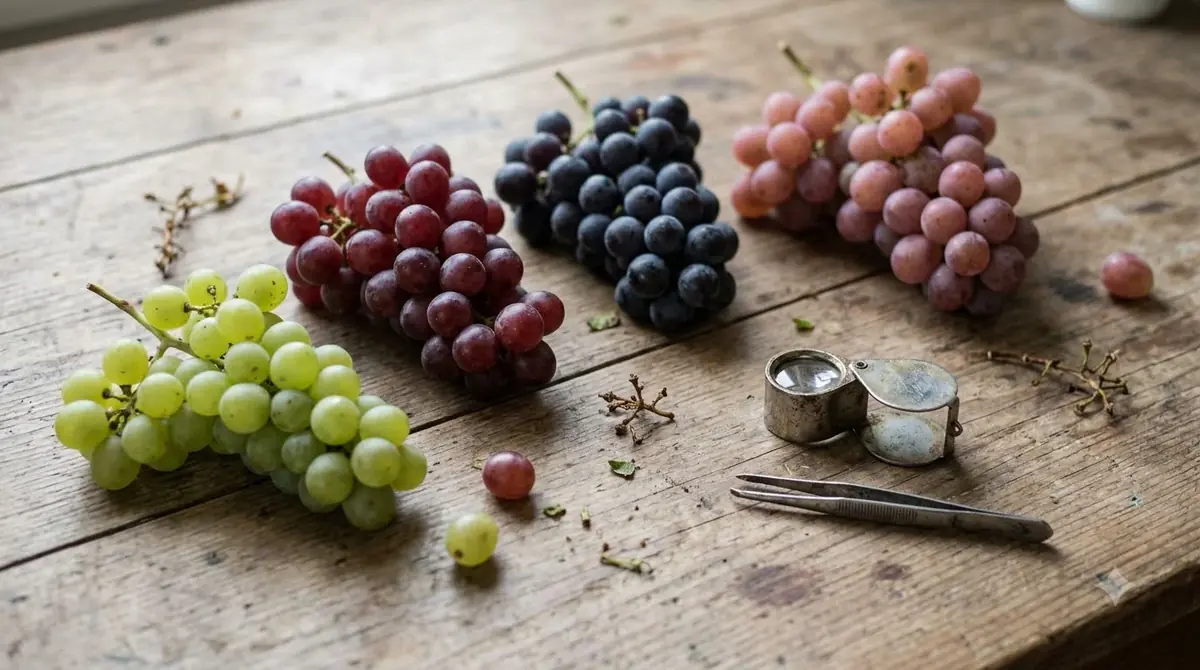
The Temecula Valley AVA entry lists 32 grape varieties grown in the district. Among the best-known are Cabernet Sauvignon, Chardonnay, Merlot, Syrah, Zinfandel, Sangiovese, Pinot Noir, and Sauvignon Blanc. A visitor will commonly see Italian and Rhône-style blends alongside classic Bordeaux and Burgundy varieties.
| Feature | Temecula Valley AVA |
|---|---|
| Total area | About 33,000 acres (52 square miles) |
| Planted vineyard | About 500 acres |
| Vineyard elevation | Roughly 1,000 to 1,600 feet |
| Growing season | March through September |
| Annual precipitation | 10 to 20 inches |
| Common grapes | Cabernet Sauvignon, Chardonnay, Merlot, Syrah, Zinfandel, Sangiovese, Pinot Noir, Sauvignon Blanc |
Tip: When a label says Temecula Valley, the wine must be made from grapes grown within the designated area. Check the label for the appellation and for the specific grape variety if you want a particular style.
Notable Wineries and What They Are Known For
Several wineries are often named when people talk about the region. Each brings a different experience, from the historic early producers to newer estates that focus on specific grapes. Their tasting rooms make good starting points for a first visit.
Callaway Vineyard and Winery is remembered as the valley’s pioneer tasting room, and it remains a familiar stop for visitors who want a classic introduction to the area. Mount Palomar Winery and Brookside Winery are also part of the valley’s early story, and both are frequently mentioned in regional histories. Some estates also offer restaurants, patios, or event space, so the choice often depends on whether you want a quiet tasting or a full afternoon out.
When you compare Temecula to other destinations, you may notice a similar pattern to the sancerre wineries of the Loire Valley, where small producers cluster around a single signature grape. Temecula has more varied plantings than that single-grape model, and it can also be compared with the bordeaux wineries or the paso robles wineries, which show other ways a region can organize its estates. The same advice applies here: pick a few estates that match your taste and plan your route around them.
| Visitor goal | What to look for |
|---|---|
| Historic first visit | Early producers with long histories in the valley |
| Food and a full day | Estates with restaurants, patios, or event space |
| Quiet tasting | Smaller tasting rooms with a slower, more personal pace |
| Specific grape focus | Wineries that concentrate on one variety, such as Zinfandel or Sangiovese |
Planning a Visit to Temecula Wineries
A Temecula trip works best with a plan. Visit California counts nearly 50 wineries in the valley and notes that three wine trails help organize them, including the Rancho California Wine Trail, which stops at some of the region’s oldest and best-known estates. Because the wineries are spread across rolling hills rather than a single town center, distances between tasting rooms can be longer than they appear on a map. A designated driver or an organized tour makes the day more relaxed and keeps the schedule realistic.
Many visitors choose a small number of stops, often three or four, and spend more time at each one. Some tastings, especially those that include food, may need a booking, so check ahead. Arriving early in the day tends to mean shorter lines and a more relaxed conversation with the staff, who are often able to explain the wines in detail.
Tasting rooms in the valley vary in format. Some offer a flight of several wines poured at the bar, while others run seated tastings with food pairings or a guided walk through the vineyard. Asking about the format when you book helps you plan the length of the visit and the amount of wine you will taste.
Plan for water, sun, and a slow pace. Wine is best enjoyed in moderation, and it is sensible to eat during your tastings and to arrange a safe ride home before you leave.
Tip: Ask staff which wines are made from estate-grown grapes and which are sourced from other vineyards. Both can be good, but the answer helps you understand what you are tasting.
Frequently Asked Questions
Where are the Temecula wineries located?
The wineries are in the Temecula Valley American Viticultural Area in southwestern Riverside County, California. The vineyards sit on the eastern slopes of the Santa Ana Mountains.
What grapes are grown in Temecula?
Reference data for the region lists 32 varieties. Common examples include Cabernet Sauvignon, Chardonnay, Merlot, Syrah, Zinfandel, Sangiovese, Pinot Noir, and Sauvignon Blanc.
When was the Temecula Valley wine region established?
The area was recognized as an American Viticultural Area in 1984. It was renamed Temecula Valley in 2004, and that is the name used on labels today.
Is Temecula a good place for a first wine tour?
Yes. The wineries are close together compared with larger regions, so visitors can sample several styles in one day. Booking ahead for food-focused tastings and choosing three or four stops keeps the trip manageable and lets you spend time at each estate.
Temecula offers a relaxed way to learn about California wine, with a short history, a varied set of grapes, and tasting rooms that suit many different moods. Start with two or three wineries, note which styles you enjoy, and use that knowledge when you buy a bottle at home.
More in Wine Regions
 Willcox Wine Trail: Discover Arizona’s High-Elevation Wine CountryUpdated Nov 20, 2026
 Yakima Valley Wine Region: Find the Best Styles to TryUpdated Nov 20, 2026
 Vosne Romanee Wine Tasting: Identify Aromas and Choose Better PairingsUpdated Nov 20, 2026
 Yakima Valley Wine Festival: Find the Best Seasonal Wine EventsUpdated Nov 20, 2026
 Wales Vineyards: Discover Cool-Climate Wines and Where to VisitUpdated Nov 20, 2026
 Yountville Wine Festival: Discover Napa Wines and Local FoodUpdated Nov 20, 2026