

We may earn a commission when you buy through links on this page, at no extra cost to you. Learn more.
The best Sonoma wineries depend on the region you pick: Pinot Noir and Chardonnay from the cool coastal valleys, Cabernet Sauvignon from Alexander Valley and Knights Valley, or Zinfandel from Rockpile and Dry Creek Valley. Sonoma County has 19 American Viticultural Areas, so the wineries cover very different climates and soils. Choose the grape you care about most, then group your visits by area to keep the drive short.
Sonoma County sits north of San Francisco and is widely described as the more relaxed neighbor of Napa Valley. Its wine industry dates back to the early 1800s, when Russian settlers planted vines near Fort Ross, and it grew through the mid-1800s after Agoston Haraszthy brought back more than 100,000 cuttings from Europe. The Sonoma County tourism office describes the region as about 40 minutes from Napa, with a slower and more casual pace. This guide explains how to choose wineries by region, grape, and visit style.
Quick Comparison
The table below groups the county’s main regions by the grapes they are known for and the kind of climate that shapes them. It is a starting point for choosing where to spend your time.
| Area | Known for | Climate character |
|---|---|---|
| Russian River Valley | Pinot Noir and Chardonnay | Cooling coastal fog |
| Sonoma Coast | Pinot Noir, with Chardonnay | Cool and wet |
| Alexander Valley | Cabernet Sauvignon, Chardonnay, Zinfandel | Warmer inland valley |
| Dry Creek Valley | Sauvignon Blanc and Zinfandel | Mixed, with scenic tasting rooms |
| Sonoma Valley | Varied red and white styles | Sheltered by Sonoma Mountain |
Best for Pinot Noir and Chardonnay Lovers
Pinot Noir and Chardonnay are the county’s most recognized pair, and the cooler appellations do much of the work. The Russian River Valley is named for its cooling coastal fog, while Los Carneros and the Sonoma Coast also suit these grapes. Wines from these areas tend to show bright acidity and fresh fruit.
When you visit, ask whether the Pinot Noir is sourced from one vineyard or blended from several. Single-vineyard bottlings show the character of one site, while blends often offer a more consistent house style. Both are worth tasting side by side if you want to understand how the area’s cool climate changes the wine.
Best for Cabernet Sauvignon and Bold Reds
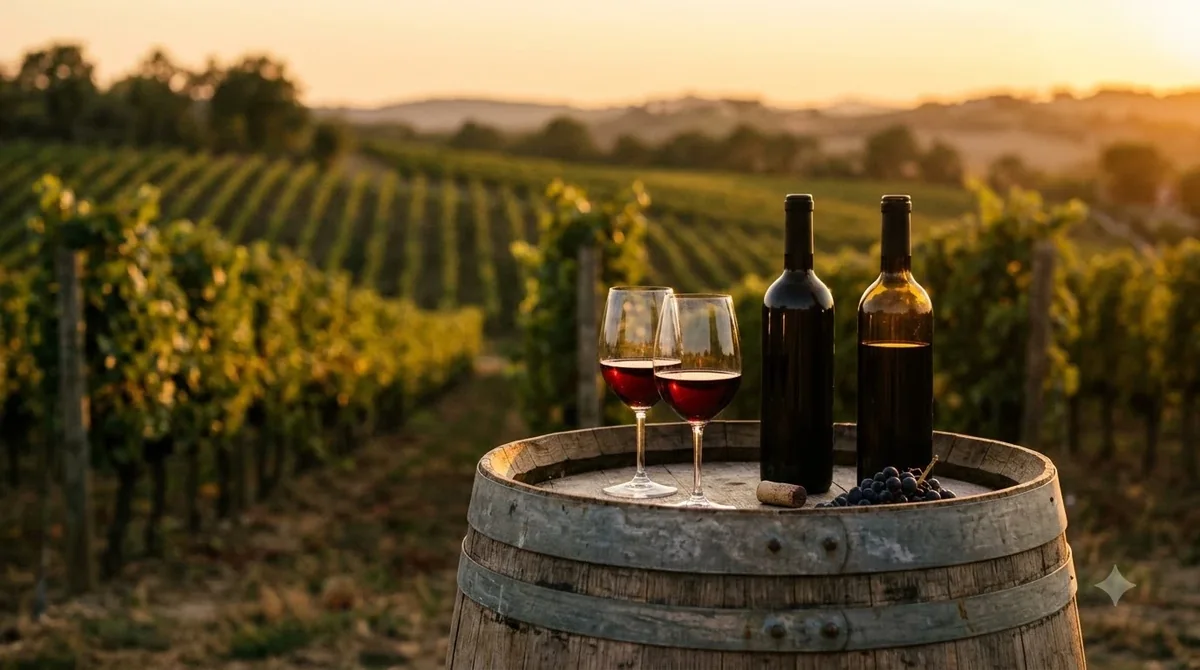
Alexander Valley and Knights Valley are the county’s best-known sources of Cabernet Sauvignon, with Sonoma Mountain also supporting the grape in its varied microclimates. The warmer inland valleys give these wines riper fruit and fuller structure than the coastal areas produce.
Cabernet-led wineries suit a long dinner table, and the reds from the warmer valleys often show more structure than the coastal Pinot Noirs. That contrast is useful for a tasting plan, because it lets you compare how two areas express the same kind of wine at different ends of the county.
Cabernet-led wineries are the right choice for a long dinner or for a bottle you plan to age. Look for tasting rooms that discuss oak use and the vineyard site, because those details shape the texture and tannin of the finished wine.
Best for Zinfandel and Heritage Reds
Zinfandel is one of the county’s signature grapes, and the Rockpile appellation is known for fruity, ripe examples. Dry Creek Valley also makes Zinfandel, along with Sauvignon Blanc, so a visit there can cover both a bold red and a bright white in one afternoon.
Zinfandel is often the most approachable red on a tasting menu. If you are new to the grape, start with a Zinfandel flight and ask the staff to describe the fruit style and the vine age, since both affect how the wine tastes.
Best for Sauvignon Blanc and Crisp Whites
Dry Creek Valley is named as a source of Sauvignon Blanc, and Chalk Hill’s volcanic, ash-based soils suit white varieties such as Chardonnay and Sauvignon Blanc. These whites are a good match for the county’s warm summer afternoons, and they pair well with seafood and fresh salads.
If you visit in the warmer months, begin the tasting with whites and move to the reds later. Many visitors find this order keeps the palate clear for each wine.
Best for Sparkling and Cool-Climate Styles
Sparkling wines are also made across the county, and cool-climate sites such as Green Valley and the Petaluma Gap support Pinot Noir, Chardonnay, and Syrah. These areas suit visitors who want lighter wines with high acidity and a fresh finish.
Plan the sparkling flight for the last stop of the day, when your palate has already tasted several reds and whites and the lighter, crisp bubbles feel refreshing. Many tasting rooms pour sparkling wine by the glass, which makes it an easy choice for a relaxed finish.
Ask whether a winery makes a sparkling wine in-house or sources it, since some producers focus on still wines only.
Zinfandel ends the list in many tasting rooms, so keep an eye out for old-vine bottlings if you want to compare the heritage style with the younger examples poured nearby.
A sparkling flight is a good way to end a tasting day before a meal.
How to Choose
A simple plan makes the choice easier. Start with the grape you want, match it to a region, and then select a route that keeps the number of stops manageable.
- Grape: pick Pinot Noir for the coastal areas, Cabernet for the warmer valleys, or Zinfandel for heritage reds.
- Region: group wineries by area so you spend less time driving between tastings.
- Pace: plan three or four wineries per day, about an hour at each, to keep your palate fresh.
- Season: early spring brings mustard blooms and early summer brings green vines, while late September to early October is harvest season.
Winter is also a good time to visit. The county’s tourism office notes that the landscape is green and misty, with lighter crowds, so tastings and reservations are easier to book. Summer weekends are busier, and harvest weeks can bring a lively atmosphere but more demand for appointments.
Lodging is another factor. The towns of Healdsburg, Sonoma, and Glen Ellen sit near many of the best-known tasting rooms, so staying in one of them cuts down on driving at the end of a long tasting day. Booking a room early matters most during harvest and holiday weekends, when the nearby inns fill quickly.
Tip: Ask which wines the staff would pour with a meal, not only which bottles sell best. That answer often points to a better bottle for the dinner you have planned.
Frequently Asked Questions
How many wineries are in Sonoma County?
Sources differ on the exact count. The county’s tourism office reports more than 400 wineries, while older historical figures are lower. Because the number changes as producers open and close, check a current directory before planning a route.
What is the best region for Pinot Noir in Sonoma?
The Russian River Valley, Sonoma Coast, and Los Carneros are the regions most often linked with Pinot Noir in the county. Their cool, foggy climate suits the grape, and each area produces a slightly different style.
How many wineries can visitors fit into one day?
The county’s tourism office suggests three or four wineries per day, with about an hour at each. Visiting more than that can lead to palate fatigue and make it harder to remember the wines.
Is Sonoma County close to Napa Valley?
Yes. The county’s tourism office describes Sonoma as about 40 minutes from Napa, and many visitors combine both regions in one trip. Sonoma tends to feel more relaxed and less crowded.
Once you have chosen a region and grape, the rest of the trip falls into place. For a broader look at how to choose a bottle by region, read the wine buying guide. If you are comparing trips, the best Paso Robles wineries and the best Temecula wineries are good alternatives on the California coast.
More in Wine Buying Guides
 Riesling Gift: Choose a Bottle They’ll LoveUpdated Nov 21, 2026
 Sweet Red Wine Gift: Choose a Bottle They’ll LoveUpdated Nov 21, 2026
 Malbec Gift: How to Choose a Memorable Bottle for Any OccasionUpdated Nov 21, 2026
 Sherry Gift Ideas That Match Every Wine LoverUpdated Nov 21, 2026
 Moscato Gift: How to Choose a Sweet Wine They’ll LoveUpdated Nov 21, 2026
 Merlot Gift: How to Choose a Bottle They’ll AppreciateUpdated Nov 21, 2026