

We may earn a commission when you buy through links on this page, at no extra cost to you. Learn more.
The best pinot noir brands are easiest to find by region and style rather than by a single name. According to Wine Folly, the grape is planted most widely in France, the United States, and Germany, and each area produces a noticeably different wine. Burgundy tends toward a delicate, classic profile, Oregon’s Willamette Valley is known for cool-climate freshness, and California covers everything from the Sonoma Coast’s richer, more structured wines to lighter Central Coast styles.
Shoppers searching for the best pinot noir brands usually want one thing: a bottle that tastes like the wine they had in mind. The problem is that pinot noir is a thin-skinned grape that reacts strongly to climate, soil, and winemaking, so two bottles with the same producer name can taste quite different from one vintage to the next. This guide explains how the major regions differ, which styles suit which people, and what to check on a label before you buy.
Quick Comparison
Before comparing individual labels, it helps to see how the main pinot noir regions differ. The table below summarizes the typical style of each area, based on the descriptions in Wine Folly and VinePair.
| Region | Typical style | What to expect |
|---|---|---|
| Burgundy, France | Classic, delicate, earthy | Red fruit, mushroom, and a structured finish; often considered the grape’s historic benchmark |
| Willamette Valley, Oregon | Cool-climate, fresh | Bright acidity, red fruit, and a light to medium body |
| Sonoma Coast, California | Richer, more structured | Riper fruit with more body than many cool-climate examples |
| Central Coast, California | Fruit-forward, approachable | Cherry and raspberry notes with soft tannins |
| Marlborough and Central Otago, New Zealand | Vibrant, aromatic | Fresh fruit and herbal notes, often with lively acidity |
| Baden and Ahr, Germany | Lighter, cool-climate | Known locally as Spätburgunder; pale color and a crisp, savory edge |
Best Burgundy-Style Pinot Noir for Classic Structure
Burgundy is the reference point for the grape. The VinePair guide describes the region as the grape’s historic stronghold, with wines considered among the most prized in the world. Wine Folly names several villages on the Côte de Nuits and Côte de Beaune, including Gevrey-Chambertin, Chambolle-Musigny, and Pommard, where the grape is planted on some of the region’s best sites.
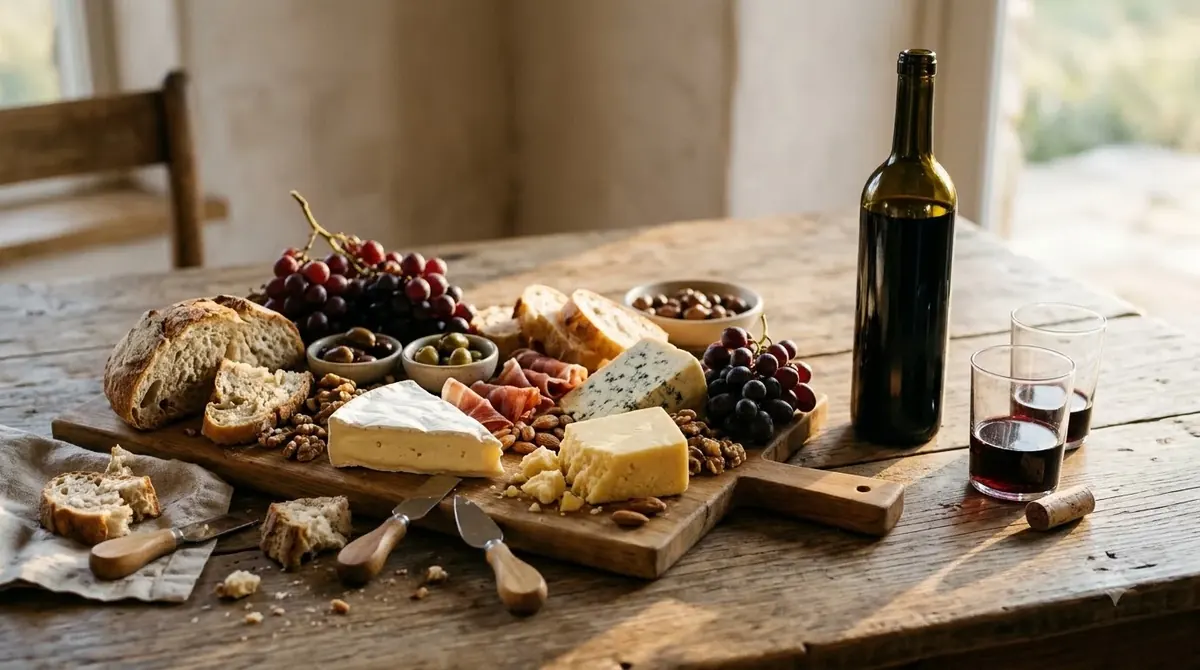
Burgundy-style wines tend to be more restrained than the fruit-forward bottles many American shoppers are used to. They usually show red fruit, earth, and a savory, mushroom-like note, along with a finish that rewards a few years of cellaring. If you enjoy food-friendly wines with a sense of place, this style is worth exploring first, even though it can cost more and vary widely from year to year.
Best Oregon Pinot Noir for Cool-Climate Freshness
Oregon’s Willamette Valley is one of the best-known cool-climate homes for pinot noir in the United States. VinePair describes the region as a place where the grape grows in a cool environment, which tends to keep acidity lively and the fruit bright.
Oregon bottles are often a good middle ground for people who find Burgundy too austere and California bottles too ripe. Look for red cherry, raspberry, and a hint of spice. Because the style is lighter, these wines usually pair well with salmon, roasted chicken, and mushroom dishes, which echo the grape’s earthy side.
Best California Pinot Noir for Rich, Ripe Fruit
California produces pinot noir across a wide range of climates, and the state’s style depends heavily on where the grapes are grown. VinePair notes that the grape is grown on the Central Coast, while the Sonoma Coast tends to produce a richer, more structured wine. Wine Folly lists Carneros and Napa Valley among the state’s named areas.
If you want a fuller, rounder bottle with more visible oak character, a Sonoma Coast or Carneros wine is a sensible place to start. Oak aging can add vanilla and smoke, so check the back label or producer notes to see how much barrel influence the wine carries. Central Coast bottles often feel softer and more approachable, which makes them a practical choice for weeknight dinners.
Best New Zealand and German Pinot Noir for Something Different
New Zealand and Germany give shoppers a chance to try pinot noir outside the usual American and French comparisons. Wine Folly names Central Otago, Marlborough, and Martinborough in New Zealand, and Baden and Ahr in Germany, where the grape is called Spätburgunder.
New Zealand wines are often aromatic and vibrant, with fresh fruit and herbal notes. German examples are usually lighter in color and body, with a crisp, savory edge. Both styles can be a good fit for someone who wants a different experience from the more familiar regions, and both can be a practical choice when a bottle needs to be served slightly cool on a warm evening.
How to Choose a Pinot Noir Bottle
Brand names help, but a few label details tell you more about what is in the glass. Use the checklist below before you commit to a bottle.
| Factor | What to look for | Why it matters |
|---|---|---|
| Region | Name of the appellation or American Viticultural Area | Climate shapes acidity, fruit, and body |
| Style | Descriptions such as “bright,” “structured,” or “rich” | Helps you match the bottle to your taste |
| Alcohol | Typically 12 to 14 percent in many examples | Lower alcohol often means a lighter, more food-friendly wine |
| Oak | Notes of vanilla or smoke in the producer description | Oak adds richness and can mask fresh fruit if used heavily |
| Age | Vintage year and whether the wine is meant to be drunk young | Some bottles gain complexity with a few years of aging |
Tip: If you are unsure which bottle to buy, choose a Central Coast or Oregon pinot noir first. Its fruit and acidity are easier to judge, and it gives you a clear reference point for comparing other regions.
Step-by-Step: Finding a Pinot Noir You Like
- Decide whether you prefer a lighter, earthier wine or a riper, fruit-forward one.
- Choose a region that matches that preference, using the comparison table above.
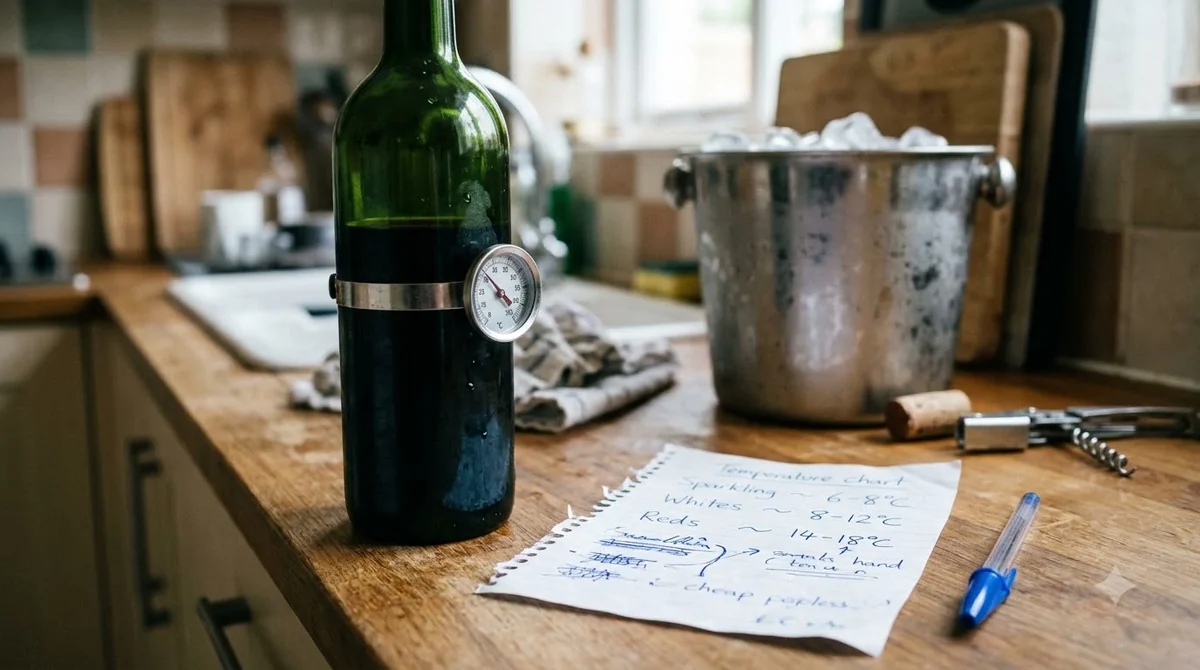
- Serve the wine slightly cool, around 55 to 60 degrees Fahrenheit (12 to 15 degrees Celsius), according to Wine Folly, which helps the fruit and acidity show clearly.
- Try the bottle with a simple meal such as roast duck, salmon, or mushroom dishes, since these pairings are often recommended for the grape.
- Keep notes on what you liked, then move to a neighboring region to compare.
For a broader look at how these wines are sold, see our guide to best pinot noir at costco and best pinot noir at trader joes, where store selections change often and the shelf is a good place to compare regions side by side.
Common Mistakes When Buying Pinot Noir
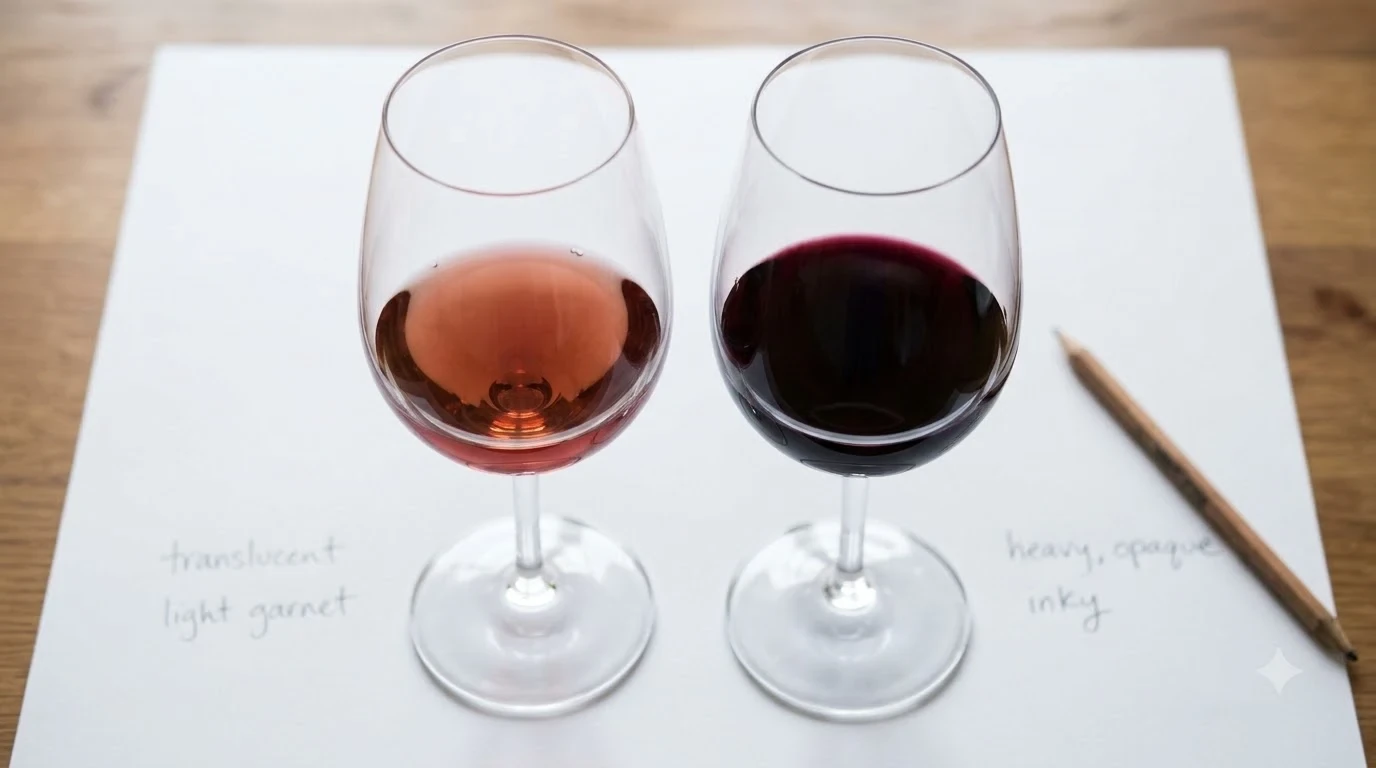
Many shoppers judge pinot noir by price or by a famous name alone. Because the grape is so sensitive to place and vintage, a well-known label may not suit your palate, while a lesser-known bottle from a cool-climate area may. Another common mistake is serving the wine too warm. Pinot noir is light in color and body, and it can taste flat or heavy when it sits at room temperature for long.
Decanting is a third point to consider. Wine Folly suggests about 30 minutes of decanting for many young wines, which can help the aromas open. Older, more delicate bottles may need less time and should be poured carefully to avoid disturbing sediment.
Frequently Asked Questions
What is the best pinot noir for a beginner?
A beginner often enjoys a fruit-forward pinot noir from the Central Coast of California or a cool-climate bottle from Oregon. These styles tend to be approachable, with clear red fruit and soft tannins, which makes it easier to learn what you like.
Is Burgundy pinot noir worth the extra cost?
Burgundy can be a rewarding choice for people who enjoy earthy, structured wines, but prices and quality vary widely between producers and vintages. Many shoppers find good value in other regions, so it helps to taste a few styles before committing to a premium bottle.
Does pinot noir need to be decanted?
Many young pinot noirs benefit from about 30 minutes of decanting, according to Wine Folly, because it lets the aromas open. Older bottles may need less time, and you should pour them carefully if they have sediment.
What food goes well with pinot noir?
Pinot noir is often paired with duck, salmon, roasted chicken, and earthy mushroom dishes. Its light body and medium-high acidity make it versatile at the table, which is why it is often called a food-friendly wine.
Choosing a good pinot noir comes down to knowing what you enjoy and where the grape grows best. Start with a region that matches your taste, compare a few bottles side by side, and keep notes so your next purchase is easier. For more background on the grape and its styles, visit the Wine Folly pinot noir guide or the wine buying guide on this site.
More in Wine Buying Guides
 Riesling Gift: Choose a Bottle They’ll LoveUpdated Nov 21, 2026
 Sweet Red Wine Gift: Choose a Bottle They’ll LoveUpdated Nov 21, 2026
 Malbec Gift: How to Choose a Memorable Bottle for Any OccasionUpdated Nov 21, 2026
 Sherry Gift Ideas That Match Every Wine LoverUpdated Nov 21, 2026
 Moscato Gift: How to Choose a Sweet Wine They’ll LoveUpdated Nov 21, 2026
 Merlot Gift: How to Choose a Bottle They’ll AppreciateUpdated Nov 21, 2026