

We may earn a commission when you buy through links on this page, at no extra cost to you. Learn more.
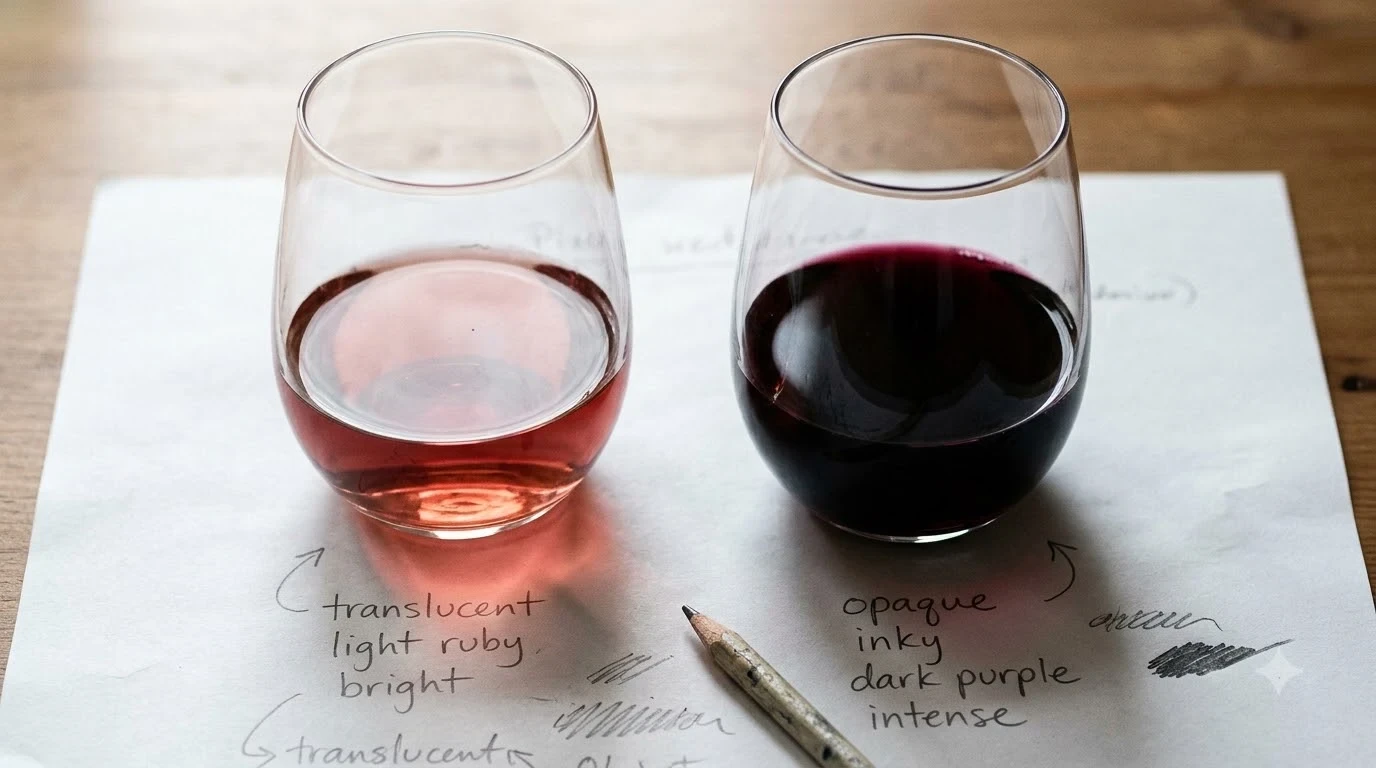
The best pinot noir at Trader Joes is the one whose label tells you a style you like, usually by region, because Pinot Noir changes a great deal with where it is grown. Pinot Noir is a light to medium-bodied red with low tannin and bright acidity, and its flavors shift from red fruit in cooler regions to darker, fuller fruit in warmer ones. Read the origin on the label first, then compare the style against what you want to drink.
Pinot Noir is one of the most popular red wines for everyday drinking and for food, and it is widely available at grocery stores. Stock changes over time, so the bottles on the shelf may not match a list from one season to the next. This guide explains how to read a Pinot Noir label, what the regions tell you, and how to choose a bottle at the shelf.
Why Pinot Noir Is Easy to Read Once You Know the Region
Pinot Noir is a thin-skinned grape, and it reflects its growing site closely. Wine Folly’s Pinot Noir guide describes it as light to medium-bodied, with low tannins and high acidity. Its primary flavors include raspberry, cherry, mushroom, and vanilla, with forest floor and tea leaves in older or more complex bottles. The guide also notes that oak aging adds vanilla and smoke.
Because the grape responds to climate, the region on the label is the most useful clue. The same guide places California’s wines as fuller and fruit-forward and Oregon’s as lighter and tarter, often the closest to Burgundy in style. Burgundy, France, is the variety’s home and produces the most classic and delicate versions.
Quick Comparison of Pinot Noir Styles by Region
Use this table to match a label to a style before you shop. The descriptions come from the regional notes in Wine Folly’s Pinot Noir guide and the broader Wikipedia article on the grape.
| Label cue | Typical style | Best for |
|---|---|---|
| Burgundy, France | Classic and delicate, with savory notes in traditional styles | Drinkers who want a more restrained, food-friendly wine |
| Oregon | Lighter and tarter, often close to Burgundy in style | Drinkers who like freshness and bright acidity |
| California | Fuller and fruit-forward, often richer in body | Drinkers who like ripe red fruit and a rounder texture |
| New Zealand | Marlborough often shows red fruit and fresh acidity | Drinkers who want crisp fruit with a clean finish |
| Germany (Spätburgunder) | Baden is warmer and fuller, and Ahr is more elegant and structured | Drinkers curious about a European alternative |
If you also want to compare white options on the same shelf, our guide to best pinot grigio at Trader Joe’s shows how a different grape fits the same shopping trip.
Best for Lighter, Fresher Bottles
If you want a Pinot Noir that drinks lightly and keeps its freshness, look for labels that name Oregon or a cooler New Zealand region. According to Wine Folly, Oregon’s wines are lighter and tarter, and Marlborough’s wines often show red fruit with fresh acidity.
The Wikipedia article notes that Oregon’s wines earned global recognition after the 1979 Paris competition, which is one reason the region’s Pinot Noir is so often compared with Burgundy. These bottles suit a simple weeknight dinner. Serve them slightly cool, at about 55 to 60 degrees Fahrenheit, and use a glass with a wide bowl so the aromas come through.
Best for Rounder, Fruit-Forward Bottles
For a fuller style with ripe red fruit, look for California on the label. Wine Folly describes California Pinot as fuller and fruit-forward, and it pairs well with dishes that have a little sweetness or smoke, such as barbecue or roasted vegetables.
A fuller bottle can also handle a richer dinner. Choose it when you want the wine to stand up to grilled meat or a tomato-based sauce.
Best for Classic and Food-Friendly Styles
If you enjoy the most traditional expression of the grape, look for Burgundy. The Wikipedia article on Pinot noir describes Burgundy as the variety’s home, where wines can age well and develop complex fruit and forest-floor flavors. Traditional styles are savory, while modern ones tend to be lighter and more fruit-forward. The same article gives about 4,500 hectares for the Côte-d’Or escarpment alone, which shows how central the grape is to the region.
Burgundy bottles also reward patience. Wine Folly notes that age can bring leather notes to Pinot Noir, so a bottle from an older vintage will taste different from a fresh one even when the producer is the same.
Duck is a classic match for Pinot Noir, according to Wine Folly, because the wine’s acidity cuts through the fat. Salmon and earthy, mushroom-based dishes also work well, and spiced duck brings out more of the wine’s nuance.
Best for Learning How the Grape Tastes
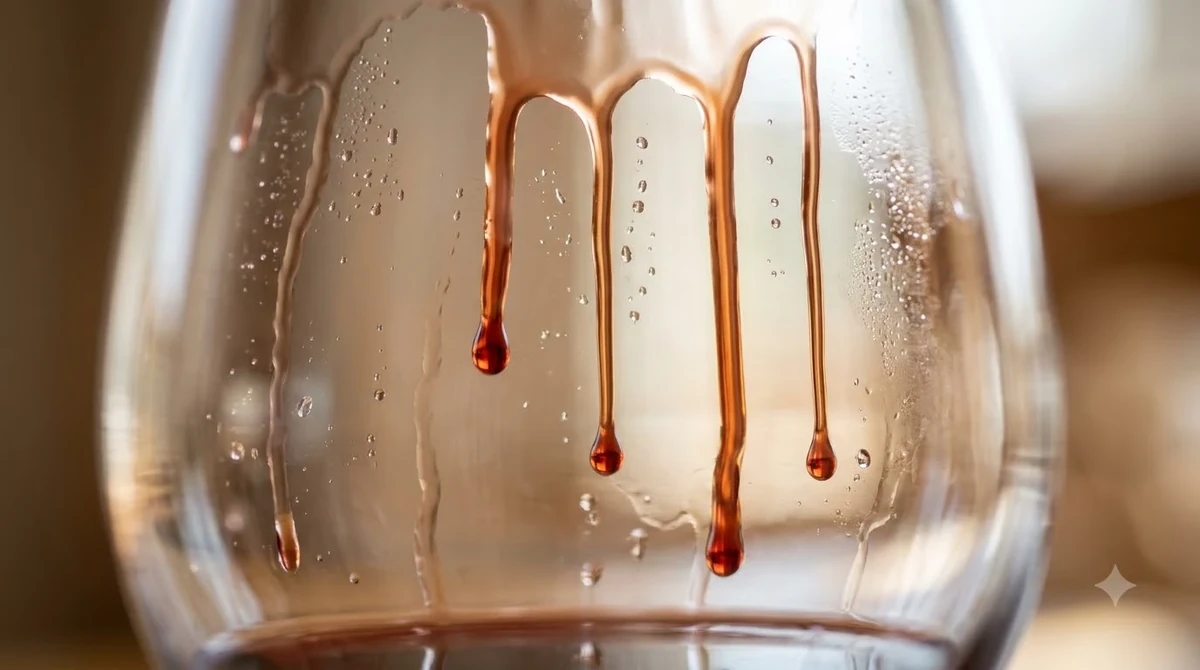
A simple way to learn Pinot Noir is to taste two bottles side by side. Pick one from a cooler region and one from a warmer region, then compare the fruit, the acidity, and the body. The difference will teach you more about the grape than any single description.
Wine Folly also notes that decanting for about 30 minutes can help younger Pinot Noir open up, so a short pause before dinner can make a noticeable difference.
How to Choose a Pinot Noir at the Shelf
Use these steps to decide quickly when you are in the aisle.
- Check the region first. The origin tells you the style more reliably than the front label does.
- Decide on freshness or richness. Oregon and cooler New Zealand suit freshness, while California suits a rounder style.
- Match the bottle to your dinner. Lighter wines suit simple dishes, and fuller wines suit grilled or richer food.
- Pick a second bottle from a different region. Comparing two regions at home is the fastest way to learn your own preference.
Tip: Pinot Noir is often described as a food-friendly red. If you are unsure, choose a bottle from Oregon or Burgundy for a meal with mild spice or richer protein.
Common Mistakes When Buying Pinot Noir
- Judging the whole grape by one bottle. Region changes the style a great deal.
- Serving Pinot Noir too warm. The Wine Folly guide recommends about 55 to 60 degrees Fahrenheit.
- Expecting the same bottle to be on the shelf each time. Stock changes, so use the region and style as your guide.
- Skipping food pairing. Pinot Noir is versatile, but the right dish makes the wine’s fruit and acidity stand out.
Frequently Asked Questions
What does Pinot Noir taste like?
Young Pinot Noir often shows raspberry, cherry, and strawberry, with bright acidity and low tannin. Older or more complex bottles can add mushroom, forest floor, and tea leaves.
Should Pinot Noir be served chilled?
It is best served slightly cool, around 55 to 60 degrees Fahrenheit, according to Wine Folly. A short time in the refrigerator before serving can bring the wine to that range on a warm day.
Which region should I try first?
Oregon is a good starting point if you like freshness and lighter styles. California is a good choice if you prefer a rounder, fruit-forward wine. Each region gives a clear sense of how the grape changes.
What food goes best with Pinot Noir?
Duck is a classic match, and salmon and mushroom-based dishes also work well. The grape’s acidity and low tannin make it flexible with many meals.
Pinot Noir is easiest to choose when you read the region first and then decide between freshness and richness. For more on how wine styles differ, start with our wine buying guide, or compare a red option in our guide to best red wine at Trader Joe’s.
More in Wine Buying Guides
 Riesling Gift: Choose a Bottle They’ll LoveUpdated Nov 21, 2026
 Sweet Red Wine Gift: Choose a Bottle They’ll LoveUpdated Nov 21, 2026
 Malbec Gift: How to Choose a Memorable Bottle for Any OccasionUpdated Nov 21, 2026
 Sherry Gift Ideas That Match Every Wine LoverUpdated Nov 21, 2026
 Moscato Gift: How to Choose a Sweet Wine They’ll LoveUpdated Nov 21, 2026
 Merlot Gift: How to Choose a Bottle They’ll AppreciateUpdated Nov 21, 2026