

We may earn a commission when you buy through links on this page, at no extra cost to you. Learn more.
Carneros wine comes from Carneros, a cool American Viticultural Area at the southern edge of Napa and Sonoma counties, where breezes off San Pablo Bay keep the vineyards cool. The region is best known for Chardonnay, Pinot Noir and sparkling wine made from those grapes. Its wines tend to be bright, fresh and structured, with more acidity than wines from the warmer valleys to the north.
Carneros is easy to overlook on a map, because it is a small strip of land and many wine labels simply say Napa or Sonoma. Yet the region has a distinct climate and soil that shape its wines in a way that is easy to taste. This guide covers where Carneros is, how its climate works, which grapes grow there and how to recognize Carneros wine on a label.
Where Carneros is and why it stands apart
Carneros sits where the southern parts of Napa and Sonoma counties meet San Pablo Bay, the northern arm of San Francisco Bay. The Carneros Wine Alliance describes the area as “located at the crossroads of two world-renowned wine regions: Napa and Sonoma Valley.” Its position gives it a cooler, more maritime character than the warmer inland valleys to the north.
The region is an American Viticultural Area, or AVA, which is a government-recognized growing area with its own name on the label. A wine labeled Carneros must be made with grapes grown within those boundaries, so the name tells you where the fruit came from. Many producers use the name to signal a cool-climate style even when the winery itself sits in Napa or Sonoma.
Because the region spans two counties, you will see Carneros on wines from both sides of the boundary. The label is the best guide, and the producer’s website usually explains the vineyard source in more detail.
The climate that shapes Carneros wine
Climate is the main reason Carneros wines taste the way they do. According to the Carneros Wine Alliance appellation page, the AVA sits next to the Napa River and near San Pablo Bay, and it is described as one of the coolest AVAs in the area. Vineyards lie between one and four miles along the bay, and afternoon breezes from the water are cool and often quite strong.
The temperatures are moderate for California. The same Alliance page notes that daytime temperatures rarely break 80 degrees, and that rainfall is about 18 to 27 inches in typical, non-drought years, with four or five inches falling during the growing season. Wikipedia’s entry on the appellation also describes fog and breezes that make it cooler and more moderate than the Napa and Sonoma valleys to the north, and notes a long growing season of about 277 days.
These conditions slow ripening. Grapes hang on the vine longer and keep more acidity, which is why Carneros wines often show crisp fruit and a lively finish. Winemakers in the region tend to pick at a moderate sugar level, so the wines do not feel heavy or jammy.
| Factor | What it means in the glass |
|---|---|
| Cool afternoon breezes from San Pablo Bay | Slower ripening and fresher acidity |
| Daytime highs that rarely reach 80 degrees | Fruit that stays bright, not overripe |
| Clay-heavy soils | Vines that struggle a little, which can concentrate flavor |
| Moderate rainfall, mostly in spring | Vineyards that need careful water management |
Tip: If a bottle says Carneros and tastes lean and crisp, the cool climate is usually the reason, not a lack of ripeness.
Soils and vineyard challenges
The soils in Carneros are mostly clay, with the Haire-Coombs series as the predominant soil type. The Alliance describes a compressed clay layer beneath the topsoil, a hardpan that vine roots usually cannot penetrate. Wikipedia’s article describes the same family of soils as clay and clay loam, with poor drainage and low fertility on many sites.
Clay holds water into spring, which cools the vines and delays bud break. The same clay can limit vigor, so the vines grow more slowly and put energy into the fruit. Near the bay, the water table is too salty for vines, which is one reason vineyards are planted a short distance inland. Growers manage water and canopy carefully, because too much vigor in a cool climate can keep the grapes from ripening fully.
Frost and wind are also concerns in some years. Strong afternoon breezes help reduce disease pressure, but they can dry the soil and stress young vines. Growers often plant with those winds in mind, choosing sites and row orientations that suit the local exposure.
Main grapes grown in Carneros
Chardonnay and Pinot Noir are the main varieties in Carneros, and they make up most of the plantings. Both grapes do well in cool conditions, which is why the region has earned a reputation for them. Pinot Noir in particular benefits from long, cool growing seasons, and Wine Folly’s Pinot Noir guide notes that it prefers intermediate climates with long, cool growing seasons, often in protected valleys or near large bodies of water.
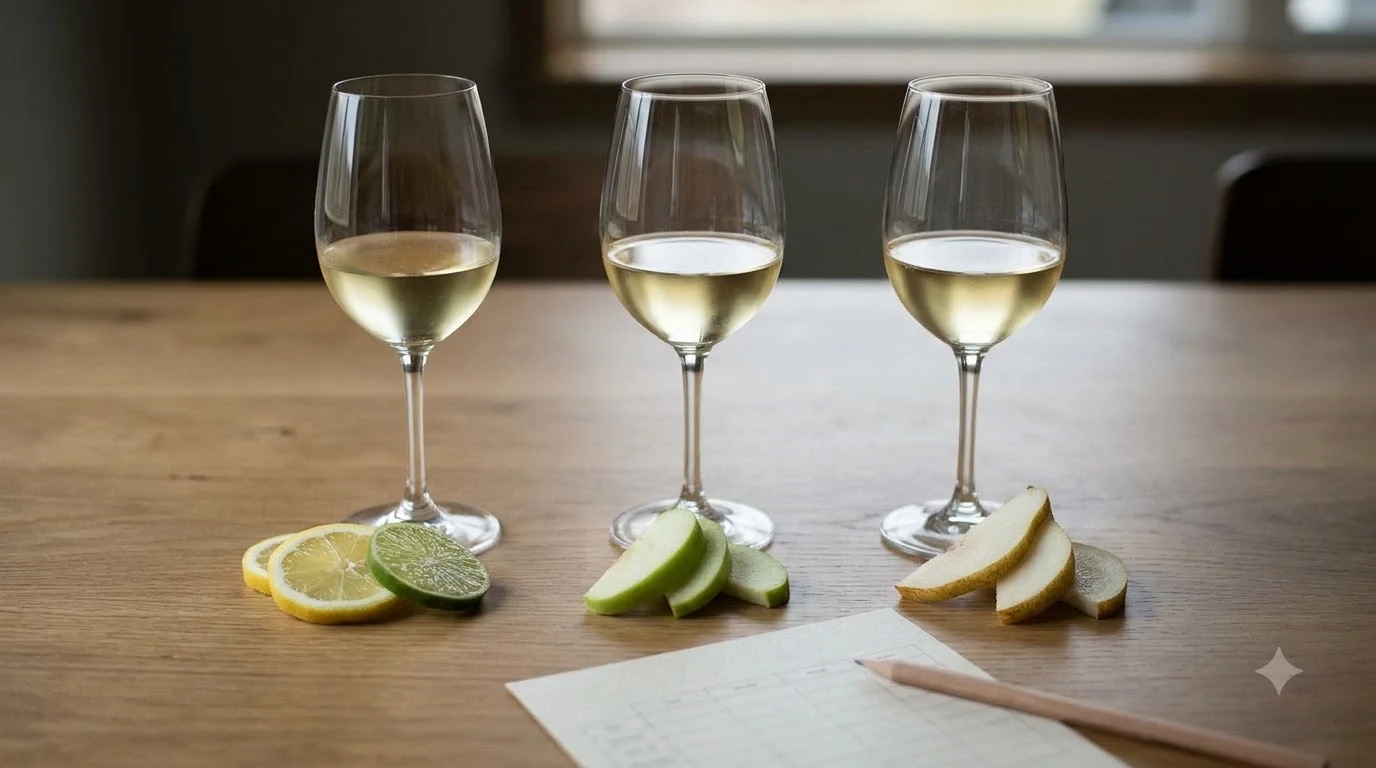
Chardonnay from Carneros tends to show green apple, citrus and fresh acidity, with less of the heavy tropical character found in warmer regions. Pinot Noir from the area often shows red cherry, strawberry and herbal notes, with a fresh, lively structure. Merlot and Syrah are grown in some warmer pockets of the AVA, according to the Wikipedia entry, but Chardonnay and Pinot Noir define the region’s identity.
Sparkling wine is another major focus. Because Carneros grapes keep their acidity, they suit traditional-method sparkling wine, which needs bright acid to balance the bubbles. Many producers in the region use the same grapes for both still and sparkling bottles.
How to recognize Carneros wine
Look for the AVA name on the front or back label. A Carneros designation means the grapes came from the cool southern zone rather than the warmer valleys. Pinot Noir and Chardonnay are the most common varieties to watch for, but the name can also appear on sparkling wines.
Tasting is the next step. Carneros wines often feel fresher and more restrained than their Napa or Sonoma counterparts, with clean fruit and a long finish. If you compare a Carneros Pinot Noir with a Pinot from a warmer valley, you will usually notice more tartness and less jammy sweetness in the Carneros version.
Visiting and buying Carneros wine
Many wineries in Carneros welcome visitors, and the area makes a good day trip from the San Francisco Bay Area. Tasting rooms often focus on Chardonnay, Pinot Noir and sparkling wine, which makes it easy to taste the region’s signature styles in one afternoon. Booking ahead is wise on weekends, especially for tastings that include vineyard tours.
When buying, check the label for the Carneros AVA and read the producer’s notes on vineyard sites and vintage. Wine shops in Napa and Sonoma often stock Carneros bottles, and many restaurants list them alongside other regional wines. A good starting point is a Carneros Chardonnay or Pinot Noir, which shows the region’s character without much extra complexity.
For wider context on the region, check out our article on Calistoga vineyards, which covers the warmer valley to the north, or compare cool and warm regions in our Arizona vineyards guide. For a broader overview of the world’s growing areas, visit Wine Regions.
Frequently Asked Questions
Where is Carneros wine made?
Carneros wine comes from the Carneros AVA, a region in the southern parts of Napa and Sonoma counties near San Pablo Bay. The name on the label tells you the grapes were grown within that zone.
What grapes are used for Carneros wine?
Chardonnay and Pinot Noir are the main varieties, and many producers use them for sparkling wine as well. Merlot and Syrah are grown in some warmer areas of the region.
Is Carneros wine sweet or dry?
Most Carneros wines are dry. The cool climate keeps acidity high and sugar levels moderate, so the wines tend to taste crisp and fresh rather than sweet. Sweetness depends on the producer’s style, so check the tasting notes for any sweet bottles.
Why is Carneros so cool?
The region sits next to San Pablo Bay, and afternoon breezes from the water keep daytime temperatures moderate. The Carneros Wine Alliance notes that daytime temperatures rarely break 80 degrees, which slows ripening and preserves acidity.
Carneros wine rewards anyone who likes fresh, structured Chardonnay, Pinot Noir and sparkling wine. Its cool climate and clay soils set it apart from the warmer valleys nearby, and the AVA name on the label is a reliable guide to the style. Start with one bottle, taste it against a warmer-region wine, and you will see the difference quickly.
More in Wine Regions
 Willcox Wine Trail: Discover Arizona’s High-Elevation Wine CountryUpdated Nov 20, 2026
 Yakima Valley Wine Region: Find the Best Styles to TryUpdated Nov 20, 2026
 Vosne Romanee Wine Tasting: Identify Aromas and Choose Better PairingsUpdated Nov 20, 2026
 Yakima Valley Wine Festival: Find the Best Seasonal Wine EventsUpdated Nov 20, 2026
 Wales Vineyards: Discover Cool-Climate Wines and Where to VisitUpdated Nov 20, 2026
 Yountville Wine Festival: Discover Napa Wines and Local FoodUpdated Nov 20, 2026