

We may earn a commission when you buy through links on this page, at no extra cost to you. Learn more.
The best pinot noir at Costco depends on the style you want, but cool-climate bottles with bright red fruit and soft tannins are the safest place to start. Warehouse shelves change by location and season, so the region on the label and the vintage usually tell you more than the brand name. This guide shows what to look for and which styles suit different meals and occasions.
Pinot noir is one of the most food-friendly red wines, and Costco’s wine department often carries several bottles from different growing regions side by side. That makes it a practical place to compare styles without committing to a single expensive bottle. The trick is knowing what the label is telling you before you reach the register.
Quick Comparison
Most pinot noir on a warehouse shelf falls into a few broad styles. Region and climate do most of the work in predicting how a bottle will taste, so use the table below as a shopping shortcut.
| Style | What to expect | Common regions | Good with |
|---|---|---|---|
| Light and fresh | Cherry, raspberry, bright acidity, low oak | Cool coastal areas, Oregon, New Zealand | Salmon, roast chicken, mushrooms |
| Ripe and fruit-forward | Dark cherry, plum, more body, soft tannins | Warmer parts of California | Pork tenderloin, burgers, pizza |
| Earthy and savory | Forest floor, mushroom, subtle spice | Burgundy-style bottles from France | Duck, lamb, roasted vegetables |
Best for Shoppers New to Pinot Noir
A bottle with cool-climate character is usually the most approachable starting point. These wines tend to show red fruit and fresh acidity without heavy oak, which makes them easy to enjoy on their own before a meal.
Look for regions such as Oregon or the Central Coast on the label. According to Wine Folly’s pinot noir overview, the typical flavors are raspberry, cherry and other red fruits, often with earthy notes that develop with age.
Wine Folly’s pinot noir guide also notes that the grape is grown across France, the United States, Germany, New Zealand, Italy and Australia, so regional labels give you a useful clue about style.
Best for Roast Chicken and Salmon
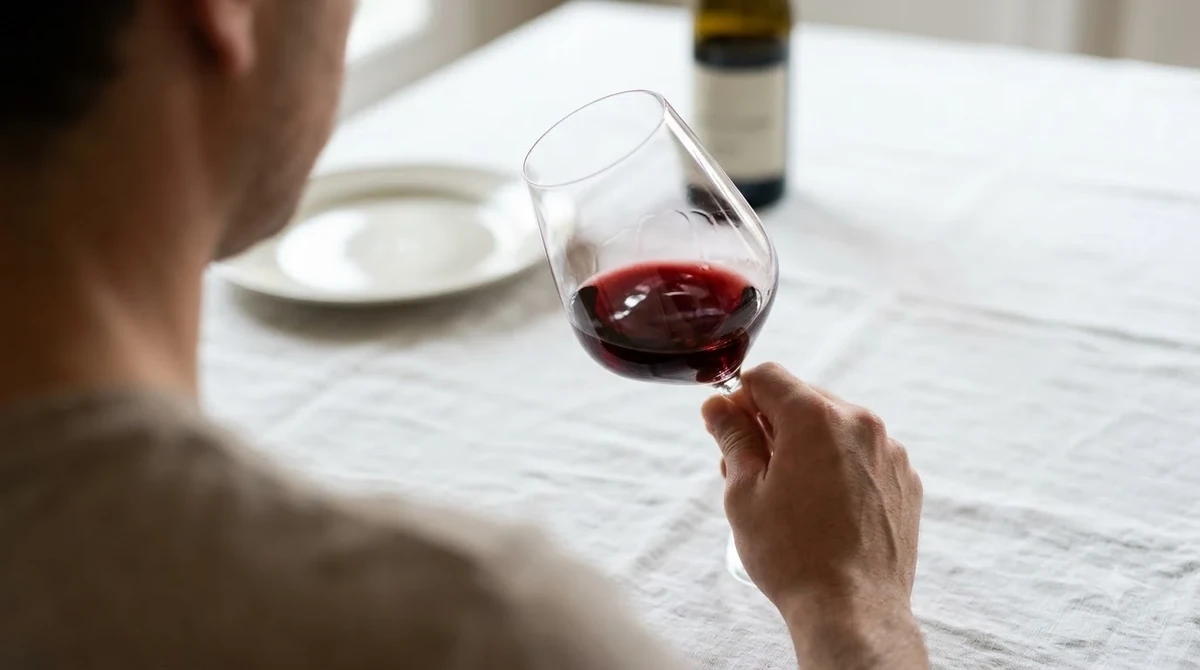
Lighter pinot noirs pair well with dishes where the fish or poultry should stay in the foreground. Their acidity cuts through rich sauces, and their modest tannin keeps the wine from overpowering delicate flavors.
Choose bottles that describe red cherry and herb notes rather than heavy oak. Mushroom dishes and roasted root vegetables also suit this style well, since the earthy character of the wine echoes the flavors on the plate.
Best for a Richer, Fruit-Forward Bottle
Pinot noir from warmer parts of California tends to be fuller and riper, with dark cherry and plum flavors and more noticeable body. These bottles are often the better match for a dinner built around grilled meat or a hearty pasta.
The fuller style can feel more generous on the palate, but it also changes the food pairing. A ripe bottle works best with dishes that have some sweetness or smoke, such as barbecue pork or a burger with caramelized onions.
Best for Earthy, Savory Dinners
Bottles labeled as Burgundy-style or from France often lean toward forest floor, mushroom and subtle spice. Wikipedia’s entry on pinot noir describes Burgundy as the grape’s chief historical home, and the earthy notes of older or traditionally made wines reflect that origin.
These wines are a good match for duck, lamb or a mushroom risotto. Serve them slightly cool rather than warm, since warmth can make the alcohol feel more prominent and mute the fruit.
Best for a Special Dinner or Gift
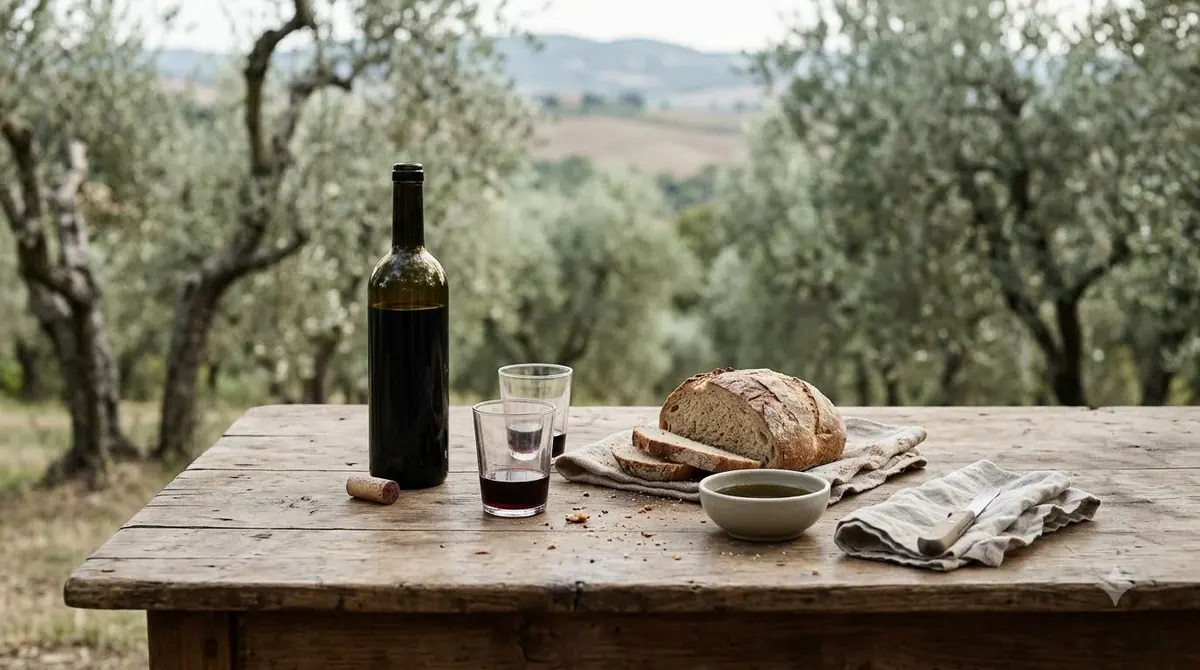
A pinot noir with a clear regional label and a recognizable producer makes a dependable gift. Shoppers often choose the bottle based on the story on the label, such as the vineyard or the growing area, rather than on the most detailed tasting notes.
If you are pairing a bottle with a celebration meal, plan the menu around the wine. A lighter style suits an appetizer-heavy evening, while a fuller bottle can carry a holiday roast. Our wine buying guide covers more ways to read labels before you shop.
Best for Comparing Stores
If you are shopping across warehouse chains, the same pinot noir style can be easier to find at one store than another. For a side-by-side look at how the same question plays out elsewhere, read the guides on pinot noir at Trader Joe’s and pinot noir at Total Wine. Each store carries a different mix, so the shelf you see on one visit may not match the next.
Common Mistakes When Shopping for Pinot Noir
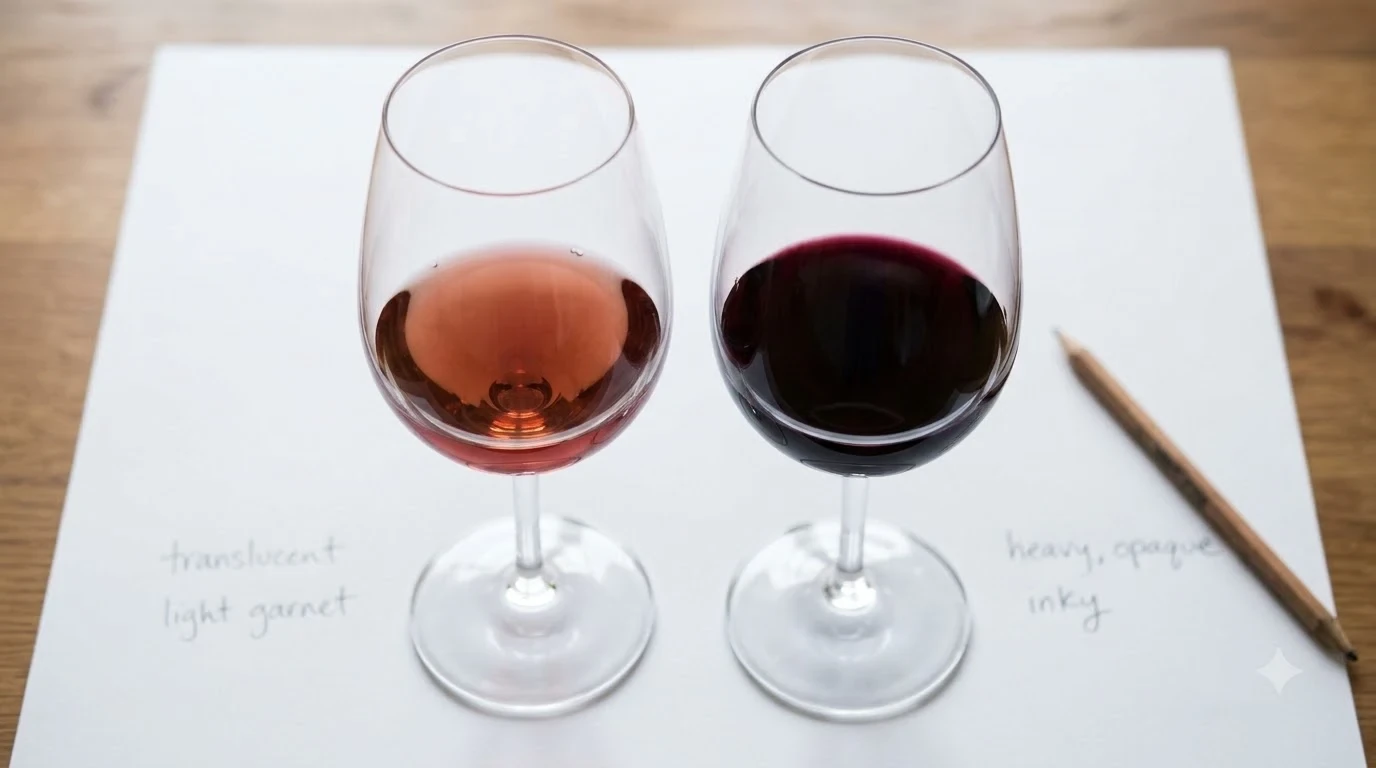
The most common mistake is choosing a bottle only by its color or its price tag. Pinot noir is naturally lighter in color than many other red wines, so a pale ruby bottle is not a sign of weak flavor. Focus on the region, the vintage and the style description instead.
Another mistake is assuming that every bottle from a warm region will be heavy. Warm-climate pinot noir can be riper, but producers in many areas make lighter styles too. Read the tasting notes or ask a staff member about the body before you buy a bottle for a specific meal.
Shoppers also sometimes buy a single bottle for a party and find that it does not suit the menu. Buy two different styles when you are unsure. A lighter bottle and a fuller bottle give you options at the table and let guests choose what they prefer.
How to Choose
Start with the region on the label, then look at the vintage and the producer. A cool-climate region usually means brighter acidity and red fruit. A warm region usually means riper fruit and fuller body. Vintage matters less for everyday bottles, but a recent year is often fresher.
Next, match the style to the meal. Lighter bottles suit fish and poultry, earthy bottles suit game and mushrooms, and fuller bottles suit grilled and smoky food. If you are unsure, choose a bottle described as medium-bodied, because it works with the widest range of dishes.
Finally, check the serving temperature before opening. Wine Folly gives 55 to 60 degrees Fahrenheit (12 to 15 degrees Celsius) for pinot noir, which is cooler than many people expect for a red wine. A short time in the refrigerator before serving is usually enough.
Frequently Asked Questions
Does Costco always carry the same pinot noir?
No. Stock varies by warehouse and season, and bottles rotate in and out. Look for a region and style you like rather than a single label, since a similar bottle is often available on the next visit.
What is the easiest pinot noir for a beginner?
A cool-climate bottle with bright red fruit and low oak is usually the easiest to enjoy. These wines are fresh, approachable and pair with many simple dishes, which makes them a good first choice.
Should pinot noir be chilled before serving?
A light chill helps. Wine Folly suggests serving pinot noir around 55 to 60 degrees Fahrenheit, so a short stay in the refrigerator before dinner is enough for most bottles.
What food goes best with pinot noir?
Pinot noir pairs well with salmon, roast chicken, mushrooms, duck and pork. Its acidity and soft tannins suit dishes with moderate richness, and its red fruit complements herbs and roasted vegetables.
Pinot noir at Costco is easiest to shop when you know what style you want before you walk in. Bring a short list of two or three regions, compare the tasting notes on the label or the shelf card, and remember that the best bottle for one dinner may not be the best for another. Choose a region that matches your meal, read the label for the growing area, and drink responsibly. For more ways to compare bottles, browse the red wine at Costco guide.
More in Wine Buying Guides
 Riesling Gift: Choose a Bottle They’ll LoveUpdated Nov 21, 2026
 Sweet Red Wine Gift: Choose a Bottle They’ll LoveUpdated Nov 21, 2026
 Malbec Gift: How to Choose a Memorable Bottle for Any OccasionUpdated Nov 21, 2026
 Sherry Gift Ideas That Match Every Wine LoverUpdated Nov 21, 2026
 Moscato Gift: How to Choose a Sweet Wine They’ll LoveUpdated Nov 21, 2026
 Merlot Gift: How to Choose a Bottle They’ll AppreciateUpdated Nov 21, 2026