

We may earn a commission when you buy through links on this page, at no extra cost to you. Learn more.
Oyster Bay wine is a New Zealand brand best known for crisp, citrus-driven Sauvignon Blanc from Marlborough, the South Island region that has become the reference point for New Zealand white wine. The wines follow the bright, herbal style that Marlborough is famous for, which makes the brand an easy starting point for anyone new to New Zealand wine. This guide covers where the wines come from, what they taste like, how to serve them, and which foods suit them.
Oyster Bay sits in the middle of the wine shelf, the bottles most shoppers grab for a dinner party or a weeknight glass. If you have seen the name and wondered what makes it different from other white wines at the same price tier, the answer comes down to place, grape and style. Knowing those three things helps you choose the right bottle and avoid the mismatch of a light, zesty white served with a heavy dish.
Where Oyster Bay Wine Comes From
Oyster Bay is made in New Zealand, and its identity is tied to Marlborough. The region sits in the northeast corner of the South Island and has a cool, maritime climate shaped by ocean breezes. Those conditions slow ripening and keep acidity high, which is the reason Marlborough whites tend to taste so sharp and fresh. Sauvignon Blanc is the grape that made the region famous, and it is the variety most people associate with the brand.
Because the climate is cool and the nights stay cold, grapes keep more of their natural acidity. Winemakers in the region often aim for a fruit-forward wine that still tastes clean and lively on the finish rather than heavy or sweet.
What the Wines Taste Like
Marlborough Sauvignon Blanc is known for a set of aromas that are easy to spot once you know them. Expect passionfruit, gooseberry, lime and fresh-cut grass, often with a green bell pepper note in the background. The wines are usually dry, with a crisp finish that makes them refreshing on a warm day. Compared with the flinty, mineral style of Sauvignon Blanc from the Loire Valley in France, the New Zealand version is more citrus and tropical fruit focused, as the Wine Folly guide to Sauvignon Blanc describes.
That difference matters when you choose a bottle. A Marlborough-style wine like the one from Oyster Bay will taste more obviously fruity and aromatic than a wine from Sancerre or Pouilly-Fume. If you prefer a more restrained, stony white, the French style may suit you better. If you want a wine that smells like a glass of fresh citrus, the Marlborough style is the one to reach for.
| Style | Typical aromas and flavors | Best serving temperature |
|---|---|---|
| Marlborough Sauvignon Blanc (New Zealand) | Passionfruit, gooseberry, lime, cut grass, bell pepper | 45 to 55 F (7 to 12 C) |
| Loire Sauvignon Blanc (France) | Citrus, green apple, flint or smoke, wet stone | 45 to 55 F (7 to 12 C) |
For a closer look at the Oyster Bay range itself, the brand’s Sauvignon Blanc has its own detailed guide in the Oyster Bay Sauvignon Blanc article, which covers the bottle profile and how it compares with other Marlborough wines.
How to Serve Oyster Bay Wine
Serve Oyster Bay chilled, but not ice cold. A temperature range of about 45 to 55 F (7 to 12 C) lets the aromas come through without making the wine taste thin or sharp. Most white wines of this style do not need decanting, and a standard white wine glass with a moderate bowl is enough to show the fruit and acidity.
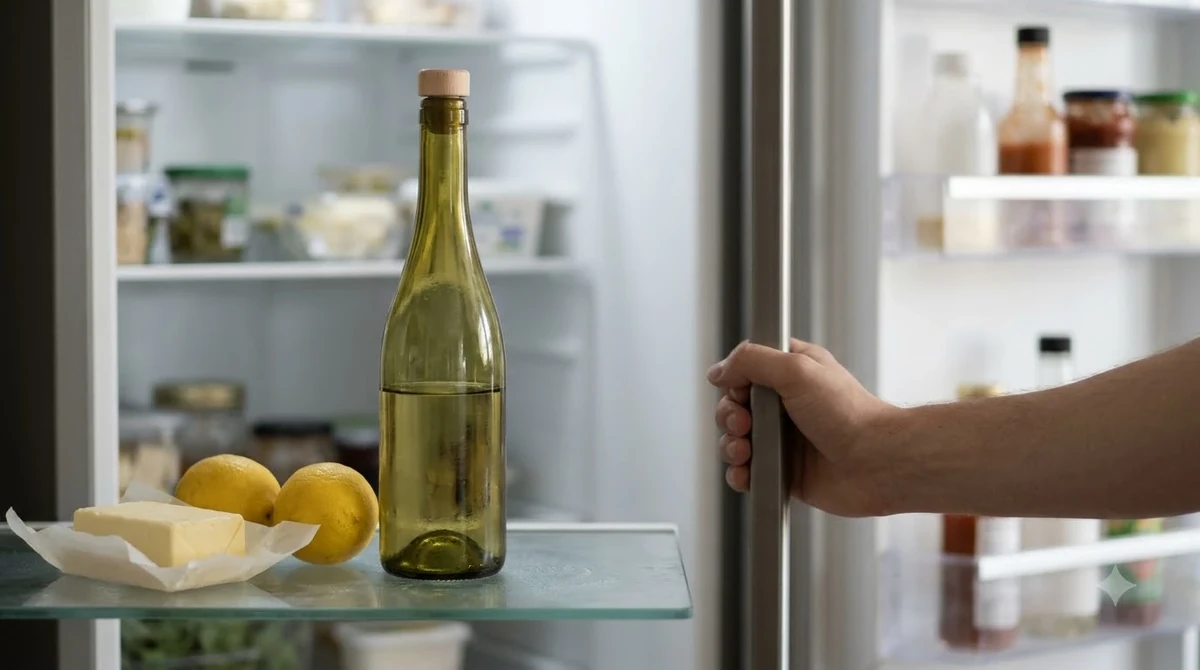
Once opened, keep the bottle sealed with a stopper and refrigerated. Sauvignon Blanc is at its best within a few days of opening because its fresh aromas fade as the wine sits. If the bottle is left out on the table during a long meal, pour smaller glasses and return the rest to the fridge between servings.
Food Pairings That Work With Oyster Bay
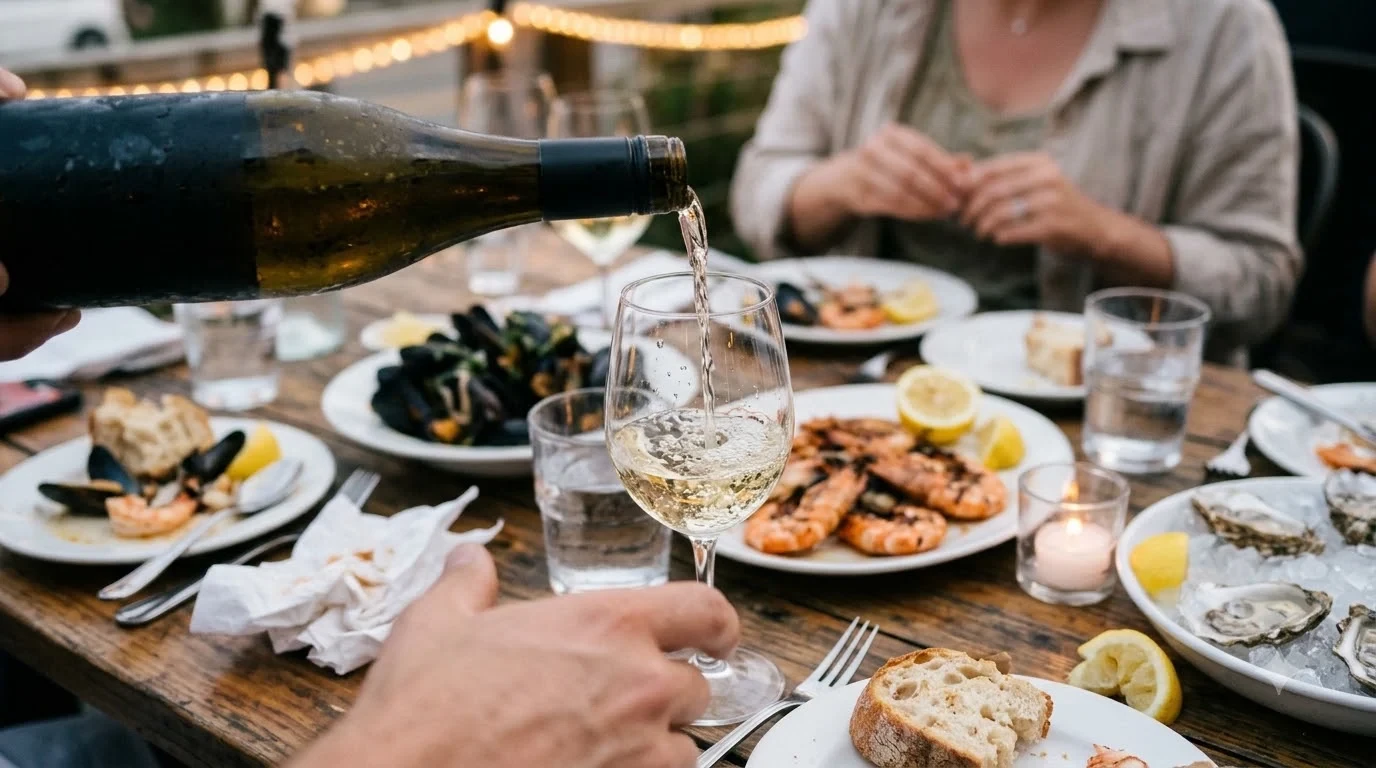
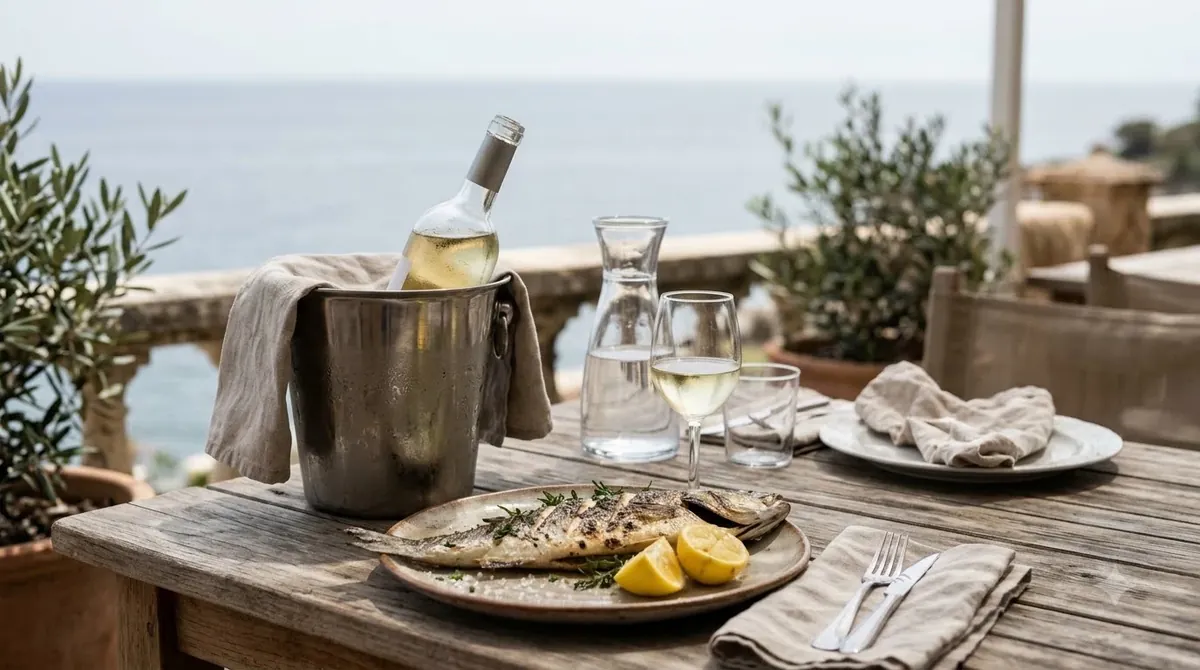
The acidity and herbal character of Marlborough Sauvignon Blanc make it a versatile partner at the table. It works best with dishes that share its brightness, such as fresh salads, grilled fish, and sauces built on herbs and lemon. Light proteins like chicken, turkey, pork, halibut, crab and salmon are natural matches, and oysters, which the brand’s name evokes, are a classic pairing.
Vegetables also suit the wine well. Green peas, asparagus, arugula, zucchini and cucumber salads all echo the green notes in the glass. Soft, fresh cheeses such as goat cheese or burrata complement the citrus and acidity, and fresh mint, dill, basil and chive bring out the herbal side of the wine. Heavy red-sauce pasta or rich, buttery dishes tend to overpower it.
Buying and Storing Oyster Bay Wine
Shoppers often choose a white wine by grape alone, but the back label tells you a lot more. For Oyster Bay, the details that matter most are the grape, the region and the vintage. A Sauvignon Blanc from Marlborough tastes brighter and more citrus-led than one from another part of the world, so the origin is worth reading before you buy. If you prefer a softer, rounder white, you may find a different grape more satisfying, and it is reasonable to try a few options before settling on a regular bottle.
Storage matters more for white wine than many people expect. Keep unopened bottles in a cool, dark place away from heat and direct sunlight, since warmth speeds up aging and dulls the fresh aromas. Sauvignon Blanc is generally meant to be drunk young, usually within a year or two of the vintage, so a recent bottle tastes closer to the wine the winemaker intended. Once a bottle is opened, recork it, refrigerate it and aim to finish it within a few days.
Buying for a group is simpler if you plan the menu first. A crisp, citrus-driven white works best with seafood, salads and light appetizers, so Oyster Bay is a practical choice for a summer lunch or a casual gathering. If the meal leans toward rich, creamy sauces, consider a fuller white, or save the Sauvignon Blanc for the lighter courses.
When you compare bottles, the simplest test is to taste two or three side by side. Notice whether the wine feels sharp, round or fruity, and whether the finish lingers or drops away quickly. Those notes tell you more than any single tasting description, and they help you identify the style you come back to.
Frequently Asked Questions
Is Oyster Bay wine dry or sweet?
Oyster Bay’s Sauvignon Blanc is a dry white wine. Its perception as fruity comes from the aromas of passionfruit and citrus rather than from residual sugar, so it tastes refreshing rather than sweet to most drinkers.
What does Oyster Bay Sauvignon Blanc taste like?
Expect a bright, citrus-led wine with notes of passionfruit, gooseberry and fresh-cut grass. The acidity is lively, and the finish is clean, which is typical of Sauvignon Blanc from Marlborough.
How should I serve Oyster Bay wine?
Chill it to about 45 to 55 F (7 to 12 C) and serve it in a standard white wine glass. It does not need decanting, and it tastes best within a few days of opening if the bottle is kept sealed and refrigerated.
How is Oyster Bay different from Cloudy Bay?
Both are Marlborough Sauvignon Blanc wines, so they share the region’s citrus and herbal character. Drinkers often describe the two as different in weight and intensity, and tasting them side by side is the simplest way to decide which style you prefer. The Cloudy Bay Sauvignon Blanc guide walks through that comparison in more detail.
Oyster Bay is a good choice if you want a clear, citrus-forward New Zealand white that pairs easily with fish, salads and fresh herbs. Start with the Sauvignon Blanc, learn how it differs from the French style, and then explore other brands in the wine brands section to see how different producers handle the same grape.
More in Wine Brands
 Underwood Wine Price: Compare Bottles, Cans, and Pack SizesUpdated Nov 21, 2026
 Zenato Wine Price: Compare Styles and Choose the Right BottleUpdated Nov 21, 2026
 Zuccardi Wine Price: Compare Bottles and Find the Right RangeUpdated Nov 21, 2026
 Yellow Tail Moscato Review: Taste, Sweetness and Serving TipsUpdated Nov 21, 2026
 Wolf Blass Yellow Label Review: Choose Your Best StyleUpdated Nov 21, 2026
 Wolffer Estate Rose Review: Choose the Right Bottle for Your TableUpdated Nov 21, 2026