

We may earn a commission when you buy through links on this page, at no extra cost to you. Learn more.
Cloudy Bay Sauvignon Blanc is a Marlborough white from New Zealand that is known for concentrated stone fruit, citrus, and tropical notes. The winery was founded in 1985 by David Hohnen, and its first vintage helped put Marlborough on the international wine map. Most bottles are fermented in stainless steel with some lees contact, which gives the wine its fresh, lively, and textured character.
Sauvignon Blanc from New Zealand is one of the most recognizable white wines in the world, and Cloudy Bay is one of the names that most people think of first. Its bottles appear on restaurant lists and wine shop shelves in many countries, and the style has become a benchmark for the category. This guide explains where the wine comes from, how it is made, what it tastes like, and how to serve and pair it.
Where the Cloudy Bay Story Begins
The winery traces its start to 1985, when David Hohnen, the founder of Cape Mentelle, set up the estate in Marlborough. According to the LVMH profile of Cloudy Bay, the story began with the first vintage of its Sauvignon Blanc that year. The company describes the wine as distinctive and vibrant, and that early release is still the reference point for the brand’s style.
Marlborough was not yet a famous wine region when the winery opened. LVMH, which now owns the brand, says Cloudy Bay was one of the first five wineries in the area, and its Sauvignon Blanc vineyards span three sub-regions in the heart of the Wairau Valley. That early position gave the brand a head start, and the region’s reputation grew alongside it.
Where the Grapes Grow
Marlborough sits at the top of New Zealand’s South Island, and the Wairau Valley is the heart of its vineyard land. The soils are free-draining and gravelly, which keeps the vines from sitting in water and pushes them to put energy into fruit and flavor rather than leaves. The valley also has a maritime climate, with cooling sea breezes that help the grapes keep their acidity through a long growing season.
Those conditions suit Sauvignon Blanc well. The grape ripens steadily in the valley’s sunshine and holds its acid, which is why Marlborough has become the best-known growing area for the variety. Cloudy Bay’s vineyards in the Wairau Valley use these same characteristics to shape a wine that is both aromatic and crisp.
How the Sauvignon Blanc Is Made
The standard bottling is fermented in stainless steel, a method that keeps the wine clean and fresh and preserves the fruit character of the grape. A short period of contact with lees, the spent yeast cells left after fermentation, adds texture and a slightly fuller mouthfeel without making the wine heavy. That balance is the key to the house style, which aims for freshness first and body second.
The producer also makes a barrel-fermented Sauvignon Blanc called Te Koko. It was launched in 2000, and the LVMH profile says it changed how the world saw the region’s signature variety. Te Koko is a different style from the core Sauvignon Blanc, with more weight and oak influence, and it gives drinkers a way to compare two expressions of the same grape from the same estate.
Vineyard work starts long before harvest. Canopy management, which means controlling how the leaves and shoots grow around the fruit zone, affects how much sun the grapes receive and how well air moves through the rows. Good canopy work helps the fruit ripen evenly and keeps the aromas clean, which is especially important for a variety as expressive as Sauvignon Blanc.
Harvest timing matters in every vintage. Sauvignon Blanc can lose its freshness if it is picked too late, so growers in Marlborough watch the sugar and acidity balance closely as the grapes approach ripeness. That attention to timing is part of why the wine tends to show such clear aromas year after year.
Flavor Profile and Style
Cloudy Bay Sauvignon Blanc is usually described as pure, vibrant, and full of concentrated flavor. The core aromas are grapefruit, passionfruit, and lime zest, with a mineral edge that many drinkers notice on the finish. The brand’s own description points to stone fruit and citrus, with subtle tropical notes sitting behind them.
The table below compares the main flavor signals people usually look for when they buy a Marlborough Sauvignon Blanc. It is a general guide to the style rather than a score for any single vintage.
| Flavor cue | What you may notice | How it comes across |
|---|---|---|
| Citrus | Grapefruit, lime zest | Bright, lifted, and refreshing |
| Tropical | Passionfruit, ripe fruit | Round and fruit-forward |
| Stone fruit | Peach, nectarine notes | Soft, ripe, and fleshy |
| Mineral | Chalky, saline finish | Clean, dry, and lingering |
Reviews from major critics have recognized the wine. A producer profile on WineDrops lists scores of 93 from James Suckling and 90 from Wine Spectator, and it notes a Best in Show award at Decanter Asia. Scores change with each vintage, so treat them as a snapshot rather than a guarantee.
How to Serve and Pair Cloudy Bay
Serve the wine well chilled, but not ice cold. A slightly cool glass keeps the citrus sharp and lets the passionfruit and stone fruit come forward. Pour into a standard white wine glass and give it a few minutes in the glass as it warms, since the aromas open up as the temperature rises.
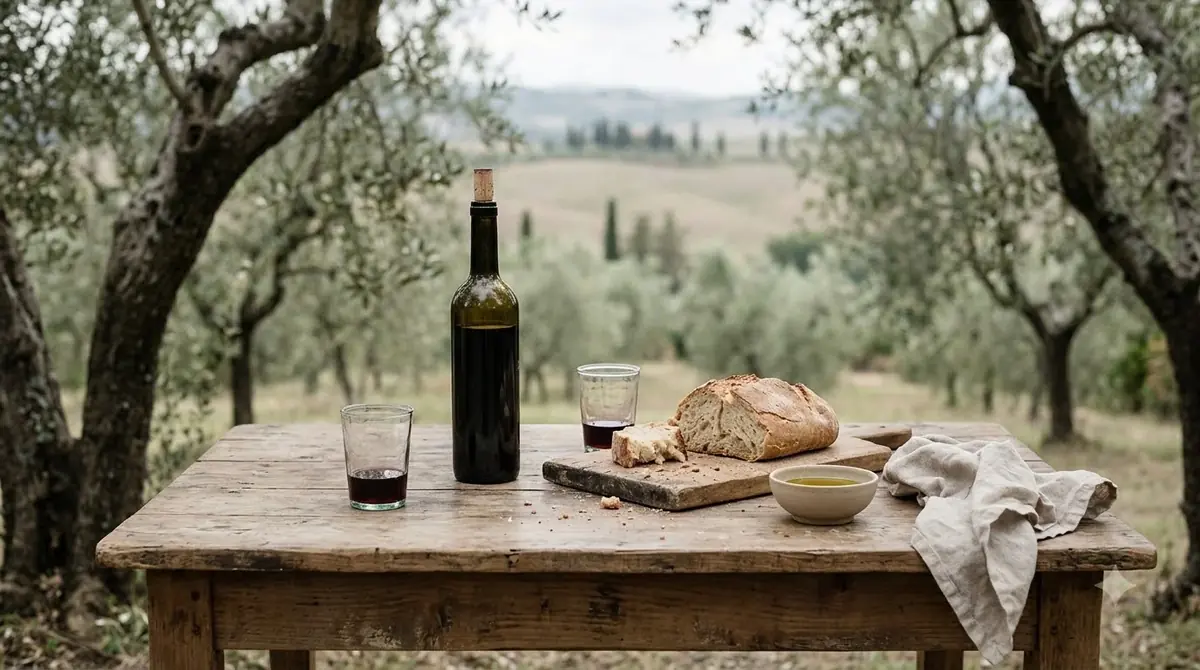
The wine’s acidity and fruit make it a natural partner for food with fresh herbs, lemon, or a little salt. Goat cheese, shellfish, grilled chicken, and green vegetables all work well. Sauvignon Blanc also pairs with many Asian dishes that carry chili heat, since the fruit softens the spice while the acid keeps the palate fresh.
Avoid pairing the wine with heavy cream sauces or very rich, buttery dishes, which can make the acidity feel sharp. A simple grilled fish with lemon, or a salad with citrus dressing, shows the wine at its best. If you want to compare the house style with other New Zealand bottles, the Oyster Bay Sauvignon Blanc and Kim Crawford Sauvignon Blanc guides cover two other widely sold labels from the same region.
Lastly, do not judge the whole category by one bottle. Two Sauvignon Blancs from Marlborough can taste quite different depending on the vineyard, the vintage, and how the winemaker handled the fruit.
Tip: Sauvignon Blanc is best enjoyed young. If you want a bottle to hold for a year or two, pick a wine from a recent vintage and keep it cool and away from light.
Frequently Asked Questions
Is Cloudy Bay Sauvignon Blanc dry?
Yes. The wine is made in a dry style, with the fruit showing as citrus, stone fruit, and tropical notes rather than as sweetness on the palate.
What makes Marlborough Sauvignon Blanc different?
The Wairau Valley has free-draining gravelly soils and a maritime climate with cooling breezes. Those conditions hold acidity in the grapes and help bring out intense aromas.
What is Te Koko?
Te Koko is a barrel-fermented Sauvignon Blanc from the same estate, launched in 2000. It has more weight and oak influence than the core bottling, so it suits drinkers who want a fuller style.
How long does Cloudy Bay keep?
The core Sauvignon Blanc is designed to be drunk fresh, usually within a year or two of the vintage. A barrel-fermented style can hold longer, but cool and dark storage is important for any bottle.
Buying tip: when you compare bottles on a shelf, check the vintage year first. A recent vintage will show the bright fruit and lift that the brand is known for, while an older bottle of the core Sauvignon Blanc may taste flatter and less aromatic than the producer intended.
Cloudy Bay Sauvignon Blanc is a good first stop for anyone who wants to understand the New Zealand style. Start with the core bottling to learn the fresh, citrus-driven profile, then try a barrel-fermented expression for comparison. For more Sauvignon Blanc names to compare, the Wine Brands hub groups many of the labels by style.
More in Wine Brands
 Underwood Wine Price: Compare Bottles, Cans, and Pack SizesUpdated Nov 21, 2026
 Zenato Wine Price: Compare Styles and Choose the Right BottleUpdated Nov 21, 2026
 Zuccardi Wine Price: Compare Bottles and Find the Right RangeUpdated Nov 21, 2026
 Yellow Tail Moscato Review: Taste, Sweetness and Serving TipsUpdated Nov 21, 2026
 Wolf Blass Yellow Label Review: Choose Your Best StyleUpdated Nov 21, 2026
 Wolffer Estate Rose Review: Choose the Right Bottle for Your TableUpdated Nov 21, 2026