

We may earn a commission when you buy through links on this page, at no extra cost to you. Learn more.
Nebbiolo with steak is an excellent pairing, especially with well-marbled cuts such as ribeye and strip steak, because the beef’s fat softens the wine’s firm tannins while its acidity balances the richness of the meat. This Italian red grape produces wines with distinctive cherry, rose, earthy, and savory characteristics that complement grilled and pan-seared beef. Barolo, Barbaresco, and younger Langhe Nebbiolo offer different expressions of the grape, giving you options for everything from a casual steak dinner to a special occasion.
Steak and Nebbiolo have a natural connection rooted in their contrasting textures and complementary flavors. The wine can look surprisingly pale in the glass, but its tannins and acidity give it enough structure to accompany substantial meat dishes. Choosing the right cut, cooking method, sauce, and bottle style makes the difference between a pleasant combination and an especially memorable dinner. Here’s how to bring these elements together.
Why Nebbiolo Works So Well With Steak
Nebbiolo works with steak because its firm tannins interact with the fat in beef, while its refreshing acidity balances the richness of the meat. Its red-fruit and earthy characteristics also complement the savory flavors created by browning and grilling.
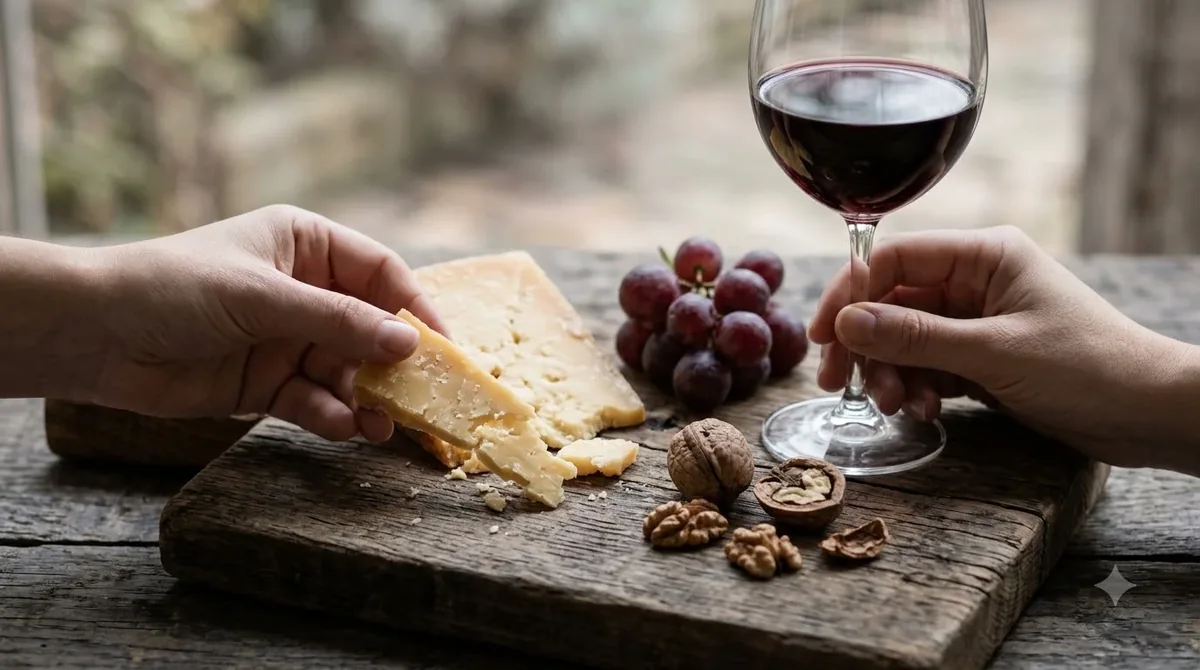
Nebbiolo is one of Piedmont’s most important red grape varieties. It is the foundation of famous wines such as Barolo and Barbaresco, and it produces a distinctive combination of high tannins, medium-high acidity, and medium-full body. Its aromas can include cherry, rose, leather, anise, and earthy notes. Despite its relatively pale color, Nebbiolo can have considerable structural intensity.
These characteristics explain why Nebbiolo behaves differently from a softer, fruitier red wine. Its tannins create a drying sensation in the mouth, particularly when the wine is young. Steak supplies protein and fat that help make this sensation less aggressive. The fat in a marbled cut is especially helpful because it softens the perception of astringency and makes the wine feel more integrated with the food.
The relationship works in both directions. A fatty steak can leave a coating on the palate, while Nebbiolo’s acidity refreshes the mouth between bites. The wine’s savory character also complements the browned crust produced by a hot grill or skillet. This makes it particularly attractive with beef that has a substantial sear rather than simply being cooked gently without developing a browned exterior.
Wine Enthusiast explains this relationship in its discussion of wine and steak: acidity refreshes the palate, body should match the intensity of the beef, and tannins interact with the fat in the meat. Its Nebbiolo and ribeye steak recipe also illustrates how the wine’s firm structure and the beef’s marbling complement one another.
Another advantage is the wine’s aromatic complexity. Fresh cherry and floral notes provide contrast to roasted meat, while mature aromas of leather, tobacco, dried flowers, and truffle can echo the savory character of grilled beef. Mushroom-based sides and earthy seasonings make these connections even more noticeable.
For a broader understanding of how wine structure interacts with different ingredients, explore our Nebbiolo food pairing recommendations. The same principles apply to beef, mushrooms, aged cheeses, and other substantial dishes.
Best Steak Cuts for Different Nebbiolo Styles
Ribeye is the strongest all-around choice for Nebbiolo because its marbling provides enough fat to balance the wine’s tannins. New York strip, filet mignon, and sirloin can also work, but their different textures and fat levels call for slightly different wine styles.
The most important consideration is the relationship between the steak’s richness and the wine’s structure. A young Barolo can feel especially demanding beside a very lean cut, whereas a more approachable Langhe Nebbiolo can offer greater flexibility. The following cuts provide useful starting points.
| Steak cut | Fat level | Recommended Nebbiolo | Best preparation |
|---|---|---|---|
| Ribeye | High | Barolo or Barbaresco | Grilled or pan-seared |
| New York strip | Medium-high | Barbaresco or Langhe Nebbiolo | Cast-iron seared |
| Filet mignon | Low | Elegant, mature Barbaresco | Pan-seared with butter |
| Sirloin | Medium | Langhe Nebbiolo | Grilled with herbs |
| Hanger steak | Medium | Fresh, structured Nebbiolo | Quick-seared and sliced |
| Prime rib | High | Aged Barolo | Slow-roasted |
Ribeye: The most dependable choice
Ribeye is particularly successful because of its abundant intramuscular fat. The fat melts during cooking, adding richness to the meat and creating a natural counterbalance to Nebbiolo’s drying tannins. The combination is especially satisfying when the steak develops a deep brown crust.
Both grilled and cast-iron ribeye work well. A steak approximately 1½ inches thick offers enough substance for a strong sear while allowing the interior to remain juicy. Barolo is a natural partner for a substantial ribeye, while Barbaresco offers another excellent option with its aromatic elegance.
New York strip: A balanced alternative
New York strip generally has less marbling than ribeye but still offers enough richness to support Nebbiolo. Its firm texture and beef-forward flavor work particularly well with a wine that has noticeable acidity and defined red-fruit characteristics.
A Barbaresco or a well-structured Langhe Nebbiolo is a sensible choice. Add roasted shallots, rosemary, or mushrooms to reinforce the wine’s savory aromas without making the meal excessively rich.
Filet mignon: Choose a more restrained wine
Filet mignon is tender and lean, making it a less obvious match for a highly tannic young Barolo. The wine can dominate the delicate flavor of the beef, particularly if the steak is served without a rich accompaniment.
A mature Barbaresco or softer, earlier-drinking Nebbiolo can work better. A butter-based pan sauce, mushroom topping, or truffle butter supplies additional richness and helps connect the meat with the wine’s structure.
Sirloin and hanger steak: Good everyday combinations
Sirloin has enough beefy flavor to work with a moderately structured red, especially when grilled over high heat. Langhe Nebbiolo offers an approachable choice because it can deliver the grape’s characteristic aromas without necessarily having the demanding structure of a young Barolo.
Hanger steak also deserves consideration. Its pronounced savory flavor pairs nicely with Nebbiolo’s earthy and herbal notes. Slice it against the grain and serve with roasted mushrooms or a modest amount of herb butter.
Barolo, Barbaresco, and Langhe Nebbiolo for Steak
Barolo is an excellent choice for rich ribeye and prime rib, Barbaresco offers an elegant alternative for strip steak and tenderloin, and Langhe Nebbiolo suits more casual grilled beef. All three are made from Nebbiolo, but their regional identities, production requirements, and typical structures create different dining experiences.
Understanding these distinctions helps you select a wine that complements the steak rather than overpowering it. The grape remains the same, but the appellation and production style influence how the finished wine behaves at the table.
Barolo: For rich, substantial beef
Barolo comes from the Langhe hills south of Alba in Piedmont. It is produced entirely from Nebbiolo and comes from a designated area encompassing 11 municipalities, including Barolo, La Morra, Serralunga d’Alba, and Castiglione Falletto.
Its characteristic structure makes it particularly suitable for ribeye, prime rib, and other rich beef dishes. Aromas can include red cherries, rose, violet, spice, tobacco, and leather. These flavors provide complexity alongside grilled meat, especially when the steak has a dark crust and a savory butter sauce.
Barolo also has formal aging requirements. Its standard minimum aging period is 38 months from November 1 of the harvest year, including at least 18 months in wood. The Riserva designation requires a longer minimum aging period of 62 months.
These requirements contribute to Barolo’s reputation for complexity and aging potential. For a particularly tannic bottle, choose a fatty steak rather than a lean filet. If you want to explore this combination in more detail, see our Barolo with steak article.
Barbaresco: For aromatic elegance
Barbaresco is another important expression of Piedmontese Nebbiolo. Its production area includes Barbaresco, Neive, Treiso, and part of Alba. The regional consortium identifies raspberry, red-fruit jam, violet, cinnamon, nutmeg, and anise among its characteristic aromatic notes.
Barbaresco requires at least two years of aging, including nine months in oak. Its Riserva designation requires four years of aging. The resulting wines can offer impressive structure while emphasizing floral and red-fruit characteristics.
Barbaresco is a particularly appealing partner for New York strip, tenderloin with mushroom sauce, and ribeye with moderate seasoning. Its aromatic complexity complements the beef without necessarily demanding the same level of richness as a powerful young Barolo.
Langhe Nebbiolo: For a more approachable dinner
Langhe Nebbiolo is a useful choice when you want the character of the grape without committing to a more structured Barolo or Barbaresco. These wines can show fresh cherry, raspberry, floral notes, and lively acidity, making them suitable for everyday steak dinners.
Try it with grilled sirloin, hanger steak, or a moderately marbled strip steak. The wine’s freshness can work particularly well when the meat is seasoned with rosemary, thyme, black pepper, and salt.
Langhe Nebbiolo also offers more flexibility with side dishes. Roasted vegetables, mushrooms, and polenta provide complementary flavors without requiring an especially elaborate meal. It is a good starting point for anyone exploring the relationship between Nebbiolo and beef.
When selecting between these wines, think about the steak first. The richer and more intensely flavored the beef, the more structure the wine can generally support.
Steak Sauces, Seasonings, and Cooking Methods
Butter-based sauces, roasted mushrooms, rosemary, and black pepper are particularly compatible with Nebbiolo and steak. These ingredients complement the wine’s earthy and savory qualities while providing enough richness to balance its tannins and acidity.
Cooking method matters because it changes the steak’s texture, moisture, and flavor intensity. A strong sear creates browned, savory notes that work naturally with Nebbiolo, while a butter-based finish adds richness that helps soften the wine’s drying sensation.
Truffle butter and compound butter
Truffle butter is one of the most effective accompaniments for Nebbiolo. Its creamy texture and earthy aromas connect with the wine’s mature characteristics, particularly when the bottle shows leather, dried flowers, or truffle-like complexity.
A simple compound butter made with unsalted butter, chopped parsley, rosemary, and black pepper is another excellent choice. Place a small amount over the steak immediately after cooking and allow it to melt into the resting juices.
For a more elaborate preparation, Wine Enthusiast’s ribeye recipe combines two boneless steaks, each at least 1½ inches thick, with 2 tablespoons of truffle butter. It demonstrates how a relatively simple finishing ingredient can strengthen the relationship between a structured red wine and marbled beef.
Mushroom sauces
Mushrooms are especially suitable because their earthy, savory qualities complement Nebbiolo’s aromas. Porcini, cremini, shiitake, and mixed wild mushrooms can all work well with grilled steak.
For a straightforward sauce, brown sliced mushrooms in butter, add minced shallot, and finish with a little beef stock. A small amount of cream can provide additional richness, particularly when the wine is young and tannic.
Keep the sauce savory rather than sweet. A mushroom preparation with restrained seasoning allows the wine’s cherry and floral characteristics to remain noticeable.
Red wine reduction
A red wine reduction is another natural partner, especially with strip steak and ribeye. Beef stock, shallots, thyme, and a modest amount of wine can create a concentrated sauce with enough savory depth to complement Nebbiolo.
Avoid reducing the sauce until it becomes excessively concentrated or sweet. Nebbiolo’s acidity is valuable at the table, and an overly rich or sugary preparation can make the overall combination feel unbalanced.
Herbs, salt, and pepper
Rosemary, thyme, sage, and black pepper are reliable seasonings. They reinforce the savory character of the meat while complementing the herbal and floral aspects of the wine.
Salt also plays an important role. It can soften the perception of tannin, making a structured Nebbiolo feel more harmonious alongside beef. Season the steak evenly before cooking, and avoid relying on excessive amounts of seasoning to create flavor.
Very hot chili sauces are less suitable. Alcohol and tannins can amplify the sensation of chili heat, making a powerful Nebbiolo seem more aggressive. If you want a spicy steak preparation, keep the heat moderate and emphasize black pepper, herbs, and savory ingredients instead.
Tip: For a reliable dinner combination, cook a 1½-inch ribeye in a hot cast-iron skillet, finish it with rosemary butter, and serve it with sautéed mushrooms. Pair it with a structured Barolo or Barbaresco to balance the steak’s richness with the wine’s acidity and tannins.
Side Dishes That Complement Nebbiolo and Beef
The best side dishes for Nebbiolo and steak emphasize savory depth, moderate richness, and earthy flavors. Mushroom risotto, roasted root vegetables, creamy polenta, and aged cheeses are especially effective because they reinforce the wine’s structure without overwhelming its aromas.
Mushroom risotto
Mushroom risotto is a particularly strong accompaniment to Barolo and Barbaresco. Arborio rice creates a creamy texture, while mushrooms contribute earthy flavors that connect with the wine’s savory complexity.
Parmesan cheese and butter add further richness. These ingredients help balance the wine’s tannins, and the dish can work as either a side for steak or a substantial main course in its own right.
Porcini mushrooms are especially attractive because of their concentrated flavor. Fresh or dried porcini can provide the depth needed to complement an aged Nebbiolo without requiring heavy seasoning.
Roasted vegetables
Roasted carrots, parsnips, onions, and butternut squash work well with younger and more fruit-forward Nebbiolo. Their natural sweetness provides a contrast to the wine’s acidity, while browning adds savory complexity.
Use olive oil, rosemary, and black pepper rather than sweet glazes. Excessive sweetness can make a dry wine seem harsher, so keep the preparation savory and balanced.
Polenta and potatoes
Creamy polenta is a classic Piedmont-inspired accompaniment for structured red wines. Its mild flavor and soft texture provide a comfortable background for steak and Nebbiolo.
For additional richness, finish the polenta with butter and Parmesan. Crispy roasted potatoes are another practical option, especially with grilled ribeye or sirloin.
Cheese and savory extras
Aged Parmesan, Pecorino, and other firm cheeses can complement Nebbiolo because their saltiness and fat soften the perception of tannin. A small cheese course after steak can extend the meal naturally, especially with Barolo or Barbaresco.
Fresh green salads can also provide contrast, but dressings should be balanced. Because acidic food needs wine with equal or higher acidity, avoid a sharply acidic vinaigrette that overwhelms a less vibrant bottle. A moderate dressing with olive oil and a restrained amount of vinegar is a safer choice.
For more ideas about balancing ingredients, textures, and wine structure, consult our Grape x Food resource.
Serving Temperature, Decanting, and Dinner Preparation
Nebbiolo is best served slightly cool, with 55–60°F being a useful starting range for enjoying its aromas and structure. Young Barolo and Barbaresco can benefit from approximately 30–60 minutes of decanting, while older bottles generally need more careful handling.
Temperature is important because overly warm red wine can emphasize alcohol and make its structure feel heavier. Serving Nebbiolo too cold, however, can suppress its floral and red-fruit aromas and make the tannins seem more pronounced.
For a practical starting point, serve the wine within the 55–60°F range. Decanting time depends on the wine’s age, structure, and current aromatic expression. A young, tightly wound Barolo may need more time than an already expressive Langhe Nebbiolo.
| Preparation detail | Recommendation | Purpose |
|---|---|---|
| Serving temperature | 55–60°F | Preserve aroma and balance |
| Young Nebbiolo decanting | 30–60 minutes | Allow aromas to develop |
| Young, structured Barolo | 60 minutes or longer | Give the wine additional air |
| Pour size | 5 ounces | Leave room for swirling |
| Standard bottle | 750 ml | Approximately 5 glasses |
| Steak resting time | 5–10 minutes | Allow juices to redistribute |
How to prepare the wine
If the bottle has been stored at typical room temperature, cool it before serving. A short period in a refrigerator or wine cooler can bring it into the recommended temperature range. Avoid serving it directly from a very cold refrigerator without allowing it to warm slightly.
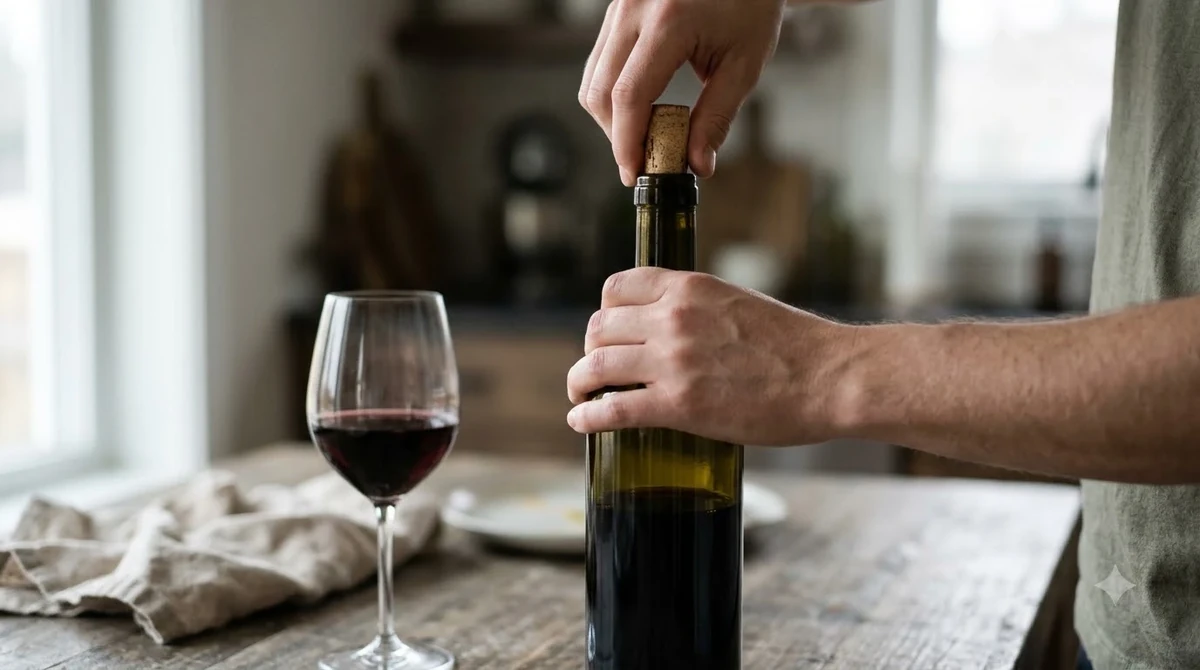
Young Nebbiolo often benefits from aeration because its tannins can initially feel firm and restrictive. Pouring the wine into a decanter allows it to develop greater aromatic expression before dinner. Start with approximately 30 minutes for a moderately structured bottle and extend the time if a young Barolo seems especially closed.
Older wines require a different approach. Extended exposure to air can cause delicate mature aromas to fade, so decanting should focus on separating any sediment rather than automatically providing prolonged aeration. Open an older bottle carefully and evaluate its condition before deciding whether it needs additional time.
Coordinate the wine with the steak
Open the wine before beginning the final cooking stage. This gives you time to assess its aromas and decide whether it needs more aeration. It also makes it easier to coordinate the timing of the steak and the side dishes.
For a medium-rare ribeye, use a reliable instant-read thermometer rather than relying only on appearance. Wine Enthusiast’s truffle-butter recipe uses 130°F as its target temperature and recommends resting the cooked steaks for 5–10 minutes.
Once the steak is resting, pour the wine into appropriately sized glasses. A glass with a generous bowl allows the wine to develop its floral, red-fruit, and earthy aromas. Pour approximately 5 ounces per person, leaving sufficient room for swirling.
Keep the bottle away from direct heat and sunlight during dinner. If there is wine left after the meal, recork it and refrigerate it. Most opened still wines retain their best qualities for approximately 3–5 days when properly stored in the refrigerator.
Building a Complete Nebbiolo and Steak Dinner
A successful Nebbiolo and steak dinner does not require an elaborate menu. One well-chosen steak, a complementary sauce, two savory sides, and a bottle selected for the richness of the meat are enough to create a balanced meal.
For a special occasion, start with a ribeye and Barolo. Prepare the steak with salt and black pepper, develop a deep sear, and finish with truffle butter. Serve with porcini mushroom risotto and roasted shallots. The fat in the steak and butter balances the wine’s tannins, while the mushrooms connect with its earthy characteristics.
For a slightly lighter combination, choose New York strip with Barbaresco. Pan-sear the meat and finish it with rosemary butter. Roasted carrots and sautéed cremini mushrooms provide complementary flavors without making the meal too heavy.
For an everyday dinner, grilled sirloin and Langhe Nebbiolo are a practical combination. Add roasted potatoes, grilled onions, and a modest herb sauce. The wine’s freshness and red-fruit character make the meal feel balanced without requiring a particularly rich preparation.
A practical menu for four people
A ribeye dinner for four can be organized around four steaks, each weighing approximately 12–16 ounces, depending on appetite and the amount of bone. Prepare the meat with salt, black pepper, and olive oil, and set aside enough butter and mushrooms for the finishing sauce.
Begin with the side dishes. Prepare the mushroom risotto and roast the vegetables before cooking the steak. This leaves the final cooking stage relatively simple and prevents the meat from sitting too long while other components are being finished.
Allow approximately one hour for the wine to open if serving a young, structured Barolo. Adjust the timing for an older or more delicate bottle. Bring the wine into the 55–60°F serving range, then prepare the steaks in a hot skillet or on a grill.
Rest the steaks for 5–10 minutes, finish them with butter, and serve immediately. Pour the Nebbiolo alongside the beef rather than waiting until after the meal. This allows the wine and food to interact throughout the dinner.
For a different occasion, sparkling wine is another interesting possibility with steak, particularly when the meal includes richer sauces or a celebratory starter. Our article about Champagne with steak explains how acidity and bubbles provide a different contrast to beef.
Frequently Asked Questions
Is Nebbiolo the same grape as Pinot Noir?
No. Nebbiolo and Pinot Noir are different grape varieties, although both can produce relatively pale-colored red wines with expressive aromas. Nebbiolo generally has much firmer tannins and a more pronounced structural profile, while Pinot Noir is typically lower in tannin and often emphasizes delicate red-fruit characteristics.
Can Nebbiolo be served with steak tartare?
Yes, although the pairing requires more attention than cooked steak. Steak tartare is generally less rich than grilled ribeye, and its raw texture may not provide enough richness to balance a highly tannic young Barolo. A fresher Langhe Nebbiolo with moderate structure is a more suitable starting point, particularly when the tartare includes egg yolk, capers, and savory seasoning.
Does Nebbiolo have to be aged before drinking?
No. Some Nebbiolo wines are intended for relatively early enjoyment, particularly approachable Langhe expressions. Barolo and Barbaresco have stricter aging requirements, but their ability to develop further in the bottle depends on the producer, vintage, and storage conditions. A younger wine can be enjoyable with steak when its structure is balanced by sufficient richness in the food.
What is the difference between Nebbiolo and Barolo?
Nebbiolo is the grape variety, whereas Barolo is a protected wine denomination produced entirely from that grape in a designated part of Piedmont. Barbaresco is another denomination made from 100% Nebbiolo. The grape can also appear in other regional wines, including Langhe Nebbiolo, so the name Nebbiolo does not automatically mean the bottle is Barolo.
Why does Nebbiolo sometimes have an orange or garnet color?
Nebbiolo can develop orange and garnet tones as it ages in the bottle. This color evolution is part of the grape’s characteristic appearance and can occur even when the wine remains structurally sound. Its relatively pale initial color should not be mistaken for a lack of tannin or intensity.
Nebbiolo is a rewarding partner for steak because its acidity, tannins, and aromatic complexity complement the richness of beef. Start with ribeye and Barolo for a classic combination, or choose strip steak and Barbaresco for a more elegant dinner. With the right cut, savory accompaniments, and serving temperature, this Piedmontese grape can make a steak dinner especially memorable.
More in Food & Wine Pairing
 Risotto With White Wine Recipe: Make a Creamy Dinner at HomeUpdated Nov 20, 2026
 Wassail With Wine Recipe for a Festive Spiced Holiday DrinkUpdated Nov 20, 2026
 Spritz Veneziano Recipe: Make a Classic Venetian Aperitivo at HomeUpdated Nov 20, 2026
 Summer Wine Punch Recipe for Easy Homemade EntertainingUpdated Nov 20, 2026
 Bishop Recipe: How to Make a Bright, Citrus-Forward Red Wine CocktailUpdated Nov 20, 2026
 Wine Cupcakes Recipe: Bake Rich Chocolate Cupcakes at HomeUpdated Nov 20, 2026