

We may earn a commission when you buy through links on this page, at no extra cost to you. Learn more.
The best champagne with steak pairing is usually a dry, structured rosé Champagne matched to the cut, doneness, and sauce. Its red-fruit character can meet the savory flavor of beef, while bright acidity and bubbles refresh the palate between bites. Choose a fuller, Pinot Noir-driven bottle for ribeye or a richer reduction, and a fresher Brut for leaner filet.
Steak does not require a red wine, and Champagne is more than a celebratory opening pour. The key is to choose a bottle with enough flavor and texture to stand beside the beef without losing the freshness that makes sparkling wine distinctive.
Why Champagne Can Work with Steak
Champagne works best with steak when its intensity matches the beef and its acidity balances the richness on the plate. Rosé Champagne is the most dependable starting point for red meat, although a full-bodied Blanc de Noirs or a mature vintage Brut can suit particular preparations.
Steak combines savory flavor, salt, browned crust, protein, and often substantial fat. A ribeye has more marbling than filet mignon, while strip steak usually falls between the two. The cut matters, but so do the cooking method, seasoning, and sauce.
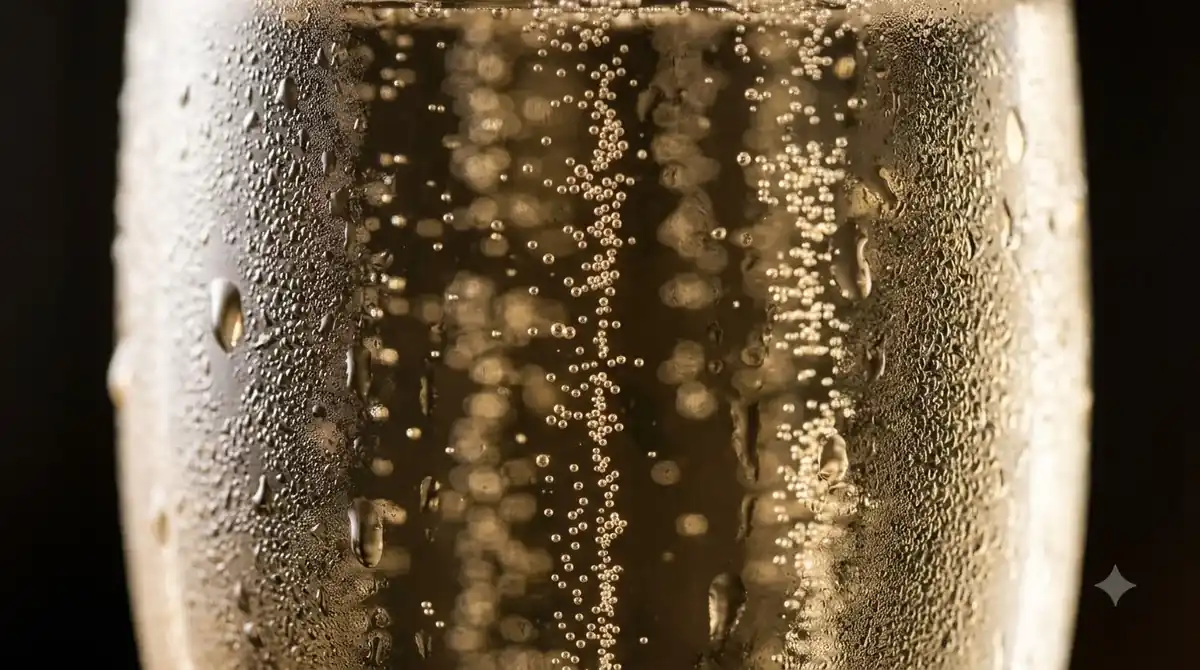
Champagne brings acidity and effervescence, two qualities that refresh the palate beside butter, marbling, or creamy sauce. Laurent-Perrier’s guide to Champagne and meat specifically recommends powerful rosé Champagne for ribeye and côte de bœuf. A full-bodied rosé is a safer match for a heavily charred steak than a delicate, light-bodied bottling.
Champagne does not soften steak’s richness in the same way a tannic red can. Salt and fat can soften the drying impression of tannin in Cabernet Sauvignon or Barolo, while Champagne usually has little tannin. Its role is different: acidity and bubbles provide contrast, and red-fruit character and body keep the wine present. WSET’s food-pairing principles make the same broader point: assess the salt, fat, acidity, and intensity of the dish rather than following a rigid rule.
Choose a Champagne Style with Enough Body
For most steak dinners, start with Brut rosé Champagne that has clear red-fruit character and a substantial palate. If rosé is not available, consider a Pinot Noir-led Blanc de Noirs or a mature vintage Brut rather than the lightest, most citrus-driven bottle on the shelf.
Rosé Champagne ranges from pale and delicate to deep-colored, spicy, and vinous. The fuller styles tend to work better with grilled ribeye, strip steak, and peppercorn crust. Look for a dry wine with red currant, raspberry, cherry, or blood-orange character, plus enough body to meet the beef’s savory intensity.
A Pinot Noir-led Blanc de Noirs is another option. Pinot Noir contributes body, structure, and red-fruit character; Meunier often adds roundness. A fuller example can suit filet with mushroom sauce or simply grilled strip steak. A lighter Blanc de Blancs emphasizes Chardonnay’s citrus, floral, and mineral notes, which can be attractive with lean beef but may feel delicate beside a charred ribeye.
Vintage Champagne is useful when the preparation is layered, such as steak with mushrooms, shallots, or roasted-meat drippings. Its savory complexity can meet the sauce without relying on red-fruit flavor alone. When choosing from a restaurant list, ask about the rosé’s weight and fruit rather than judging by color alone: a pale wine is not automatically light, and a deeper shade does not guarantee concentration. For a savory steak dinner, Brut is generally the practical sweetness level; sweeter styles such as Extra Dry, Sec, Demi-Sec, and Doux are usually better saved for dishes with sweetness.
Match the Bottle to the Steak Cut and Cooking Method
The fattier and more intensely browned the steak, the more structure and flavor the Champagne should have. Ribeye and strip steak usually favor a fuller rosé, while filet mignon and lightly seasoned tenderloin can work with a more precise Brut or Blanc de Noirs.
| Steak and preparation | Champagne to try | Why it fits | Serving temperature |
|---|---|---|---|
| Ribeye, grilled or cast-iron seared | Full-bodied Brut rosé | Red fruit and structure meet marbling and char | 40–50°F |
| New York strip, salt and herbs | Pinot Noir-led rosé or Blanc de Noirs | Body matches the beef; acidity keeps the finish fresh | 40–50°F |
| Filet mignon, rare to medium-rare | Rosé Brut or richer vintage Brut | Fine texture suits a more restrained wine | 40–50°F |
| Steak with mushroom pan sauce | Vintage Brut or structured Blanc de Noirs | Earthy flavors call for depth and savory complexity | 40–50°F |
| Beef carpaccio or steak tartare | Fresh, red-fruited rosé Champagne | Lift and red-berry character suit the delicate raw beef | 40–50°F |
Ribeye has marbling and a browned crust, so choose a rosé with noticeable Pinot Noir character, enough body, and a dry finish. Laurent-Perrier lists powerful rosé Champagne for ribeye and côte de bœuf, and suggests saignée or maceration rosé for beef fillet. A delicate, low-intensity bottle can disappear beside a large steak.
Filet mignon is leaner and more tender, so it needs less intensity. Rosé Brut still works, especially with a savory pan sauce, while a more delicate vintage Brut can suit simple seasoning. Grilling and cast-iron searing add browned flavors; gently cooked steak with herb butter needs less force. For beef carpaccio or steak tartare, choose a fresh rosé rather than a powerful, mature bottle. Decanter identifies rare roast beef, carpaccio, and steak tartare as suitable matches for rosé Champagne.
Slow-cooked beef can suit mature vintage Champagne when the sauce is restrained. Braised short ribs with reduced stock are richer than a simple filet, so match their concentration with a more complex wine. Keep sugar, smoke, soy, and heavy spice measured, since a sweet barbecue glaze can obscure Champagne’s freshness.
Build the Pairing Around Salt, Sauce, and Sides
Salt, fat, acidity, sweetness, and spice can change how Champagne tastes after each bite. Keep the steak’s seasoning savory, use acidic sides with care, and avoid sauces that are much sweeter or hotter than the wine can comfortably handle.
Salt can make savory flavors more vivid, and a well-seasoned steak is a natural partner for dry rosé Champagne. Fat from butter, marrow, and ribeye marbling adds richness, while acidity and bubbles create contrast. This is different from the way tannin interacts with protein and fat, so choose a Champagne with enough weight rather than expecting acidity alone to compensate for a very fatty steak.
Sauces can clarify or confuse the match. A pan sauce with shallots, stock, mushrooms, and a little butter keeps the focus on beef; peppercorn sauce can work with a fruit-forward rosé. A very hot pepper sauce may make alcohol seem more pronounced, while a sweet barbecue glaze can make Brut taste unusually sour. Choose the bottle for the sauce as much as for the cut.
Acidic sides need a little restraint: acidic food calls for wine with equal or higher acidity, so a sharp vinaigrette can dominate a softer Champagne. Roasted mushrooms, grilled asparagus, caramelized onions, and olive-oil potatoes are more forgiving partners. A green salad with a light lemon dressing can add lift, while a balsamic reduction brings sweetness and acidity together and can make a delicate sparkling wine harder to place. Keep chili heat modest, too, because it can amplify alcohol and make a wine feel harsher. Black pepper, thyme, rosemary, garlic, and smoked paprika give a steak plenty of flavor without the force of cayenne or fresh hot chilies.
Serve Champagne at the Right Temperature
Serve Champagne chilled, but not so cold that its aromas and texture disappear. A practical target for sparkling wine is 40–50°F, with a tulip-shaped glass giving a structured rosé or vintage bottle room to show its character.
At the colder end of the 40–50°F range, Champagne feels brisk beside a fatty ribeye. As it warms slightly in the glass, red-fruit, toast, and savory aromas become easier to notice. Start a simple Brut cooler and let a mature, complex bottle move toward the warmer end of the range.
Use a clean, dry glass rather than one straight from the freezer. A tulip-shaped sparkling-wine glass allows more aroma to collect than a narrow flute while directing the bubbles upward; a coupe’s broad opening lets aromas disperse quickly. A 5-ounce pour should leave room above the wine.
A standard 750 ml bottle gives about five 5-ounce glasses. Keep the bottle cold between pours, using an ice bucket with both ice and water for even chilling. After opening, use a sparkling-wine stopper and refrigerate the bottle; sparkling wine is usually best within 1–3 days.
Plan a Steak Dinner That Lets Champagne Shine
A successful Champagne-and-steak dinner is built around a clear main flavor, not a long list of competing sauces and sides. Choose one cut, one main seasoning, and one Champagne style, then keep the opening course and dessert from distracting from the pairing.
Start with a modest appetizer such as salted almonds, Parmesan crisps, or a little charcuterie. Avoid sweet starters and strong vinegar dressings, which can make dry Champagne seem austere. A small oyster course can be a natural opening; see champagne with oysters for how acidity meets salinity without competing with the steak.
For the main course, serve ribeye with full-bodied rosé Brut, or strip steak with a Pinot Noir-led rosé or Blanc de Noirs. Season with salt, black pepper, and herbs, then add a simple pan sauce or roasted mushrooms. Smoked salmon is another possible starter, but it has its own texture and flavor needs; see champagne with smoked salmon for that separate pairing. Keep the opening course restrained so the beef remains the focus.
Champagne need not stop after the toast. The Union des Maisons de Champagne outlines pairings for poultry, seafood, charcuterie, and red meat, and recommends rosé for beef and lamb. After the steak, an aged Comté, Gruyère, or firm sheep’s-milk cheese offers a savory finish. For dessert, remember that wine should be at least as sweet as the food: dry Brut can taste sour beside sweet pastry or chocolate, so choose a sweeter Champagne or switch to coffee. These same principles apply to other meals, including champagne with sushi; the Grape x Food reference can help compare how salt, fat, and acidity affect different wines.
Tip: Buy a dry rosé Champagne with enough body for the steak, chill it to 40–50°F, and taste it with a bite of the beef before adding sauce. If the wine seems too delicate, simplify the plate or choose a more structured bottle next time.
Frequently Asked Questions
These details can help decode the bottle and make the next pairing decision more precise.
How is rosé Champagne made?
There are two principal methods: blending white Champagne with 5–20% red Champagne wine, or macerating black-skinned grapes so their skins color the juice. The Comité Champagne describes a typical maceration of 36 hours, while the shorter saignée method lasts about 8–12 hours. These techniques can produce rosés with different color, body, and fruit intensity.
What does Blanc de Noirs mean?
Blanc de Noirs means a white Champagne made only from black grape varieties, usually Pinot Noir and/or Meunier. The juice is pressed in a way that limits the amount of color extracted from the skins. It is the counterpart to Blanc de Blancs, which is made only from white grape varieties, most often Chardonnay.
Which grape varieties are allowed in Champagne?
Chardonnay, Pinot Noir, and Meunier are the three principal varieties. The Champagne appellation also authorizes Arbane, Petit Meslier, Chardonnay Rose, Pinot Blanc, and Pinot Gris; together, these five account for only about 0.3% of vineyard plantings. Their use is uncommon, but they are part of the region’s authorized grape list.
What is the difference between vintage and non-vintage Champagne?
A vintage Champagne is made from wines harvested in one year, while a non-vintage bottling can blend wines from multiple years to maintain a house style. Under Champagne rules, non-vintage wines must spend at least 15 months in cellar aging and vintage wines at least 3 years. A vintage date therefore indicates a single harvest, not simply a longer name for a premium blend.
How long should I chill Champagne before serving?
The Comité Champagne recommends serving it at about 8–10°C. An ice bucket half filled with water and ice can chill a bottle in 20–30 minutes, while a few hours in the refrigerator is another option. These timings give the bottle a practical starting point before dinner service.
For a first attempt, pair a full-bodied rosé Brut with a simply seasoned ribeye or strip steak and keep the sauce restrained. Once the balance feels right, try vintage Brut with mushrooms or a fresher rosé with filet mignon; the best bottle is the one that lets both the steak and Champagne remain distinct.
More in Food & Wine Pairing
 Risotto With White Wine Recipe: Make a Creamy Dinner at HomeUpdated Nov 20, 2026
 Wassail With Wine Recipe for a Festive Spiced Holiday DrinkUpdated Nov 20, 2026
 Spritz Veneziano Recipe: Make a Classic Venetian Aperitivo at HomeUpdated Nov 20, 2026
 Summer Wine Punch Recipe for Easy Homemade EntertainingUpdated Nov 20, 2026
 Bishop Recipe: How to Make a Bright, Citrus-Forward Red Wine CocktailUpdated Nov 20, 2026
 Wine Cupcakes Recipe: Bake Rich Chocolate Cupcakes at HomeUpdated Nov 20, 2026