

We may earn a commission when you buy through links on this page, at no extra cost to you. Learn more.
Learning how to serve champagne properly starts with chilling the bottle to 46°F–50°F (8°C–10°C), pouring it into a tulip-shaped glass, and opening the cork with a quiet sigh rather than a loud pop. Pour the wine slowly in two stages until the glass is two-thirds full, keeping the bottle in an ice-and-water bucket between rounds so the bubbles stay fine and expressive.
Great sparkling wine loses much of its character when treated like a party prop instead of a serious white wine. Everything from fridge time to detergent residue inside your stemware shapes how those tiny bubbles carry citrus, orchard fruit, and toasted brioche aromas from the bowl to your palate.
Best Serving Temperature for Champagne
The ideal serving temperature for classic non-vintage Champagne is 46°F–50°F (8°C–10°C), while older vintage cuvées show more complexity slightly warmer at 50°F–54°F (10°C–12°C). Chilling the bottle inside this narrow window balances crisp acidity with aromatic depth.
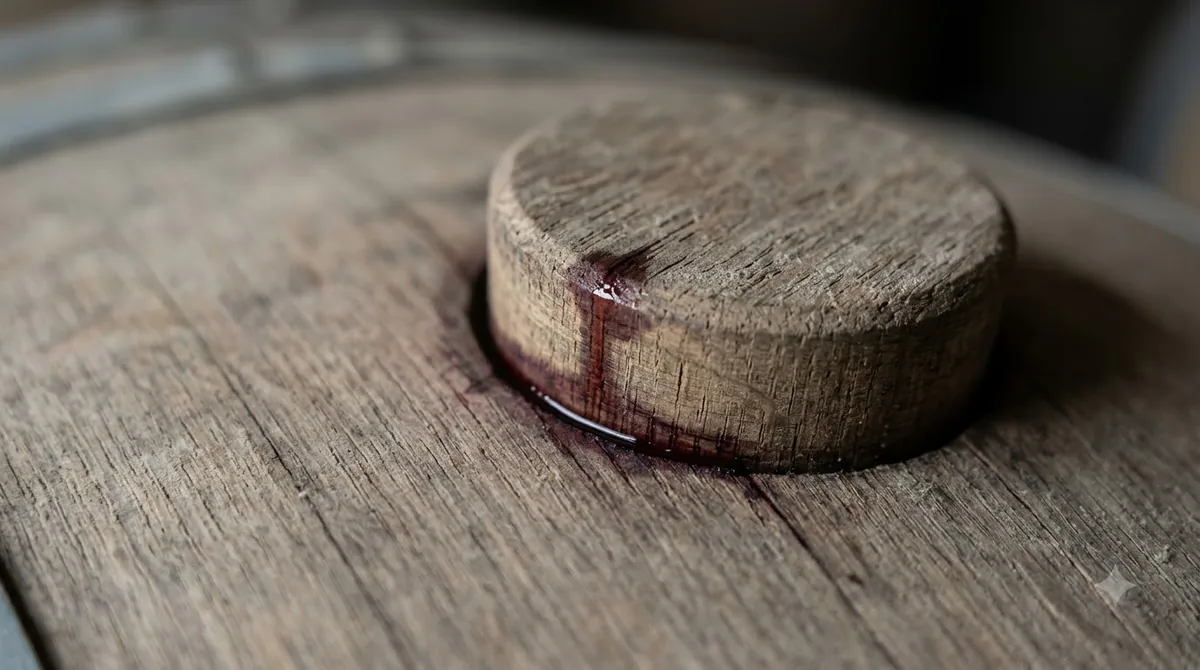
When sparkling wine drops below 40°F (4°C), extreme cold numbs your taste buds and locks down the delicate pastry, almond, and floral notes that define bottle-aged cuvées. You end up tasting sharp acidity and carbonation without any of the wine’s underlying texture. On the flip side, letting a bottle warm past 55°F (13°C) makes the alcohol feel heavy and causes dissolved carbon dioxide to escape too rapidly, leaving the pour flat and clumsy.
Because wine warms by roughly a couple of degrees the moment it hits room-temperature crystal, aim for the lower end of the target range right before opening. If you are exploring different sparkling styles across our Wine by Type guide, remember that simpler, fruit-forward sparkling wines tolerate slightly colder temperatures, whereas traditional-method Champagne rewards white-wine temperatures.
| Champagne Style | Target Serving Temp (°F) | Target Serving Temp (°C) | Recommended Glassware |
|---|---|---|---|
| Non-Vintage Brut & Blanc de Blancs | 45°F–48°F | 7°C–9°C | Tulip glass |
| Rosé Champagne | 46°F–50°F | 8°C–10°C | Tulip or universal white glass |
| Vintage & Prestige Cuvée | 50°F–54°F | 10°C–12°C | Tulip or white wine glass |
| Demi-Sec (Off-Dry) | 43°F–46°F | 6°C–8°C | Tulip glass |
How to Chill a Bottle Safely and Quickly
The safest way to chill Champagne is either four hours on the bottom shelf of a standard refrigerator or 30 minutes submerged in a bucket filled with equal parts ice and cold water. Never put a pressurized sparkling wine bottle into the freezer.
A standard kitchen refrigerator usually runs around 38°F–40°F (3°C–4°C), which means a bottle left inside for several days gets slightly too cold. If you store a bottle in the fridge overnight, pull it out onto the counter 15 to 20 minutes before uncorking so it can rise into its expressive sweet spot. Furthermore, household fridges are dry and vibrate constantly, so use them only for short-term chilling rather than long-term cellaring.
When you are short on time, an ice-and-water bath outperforms ice cubes alone by a wide margin. Liquid water wraps completely around the glass, transferring heat out of the bottle far faster than pockets of air between dry cubes. Submerge the bottle right up to its neck and add a small handful of table salt if you want to drop the water temperature even faster, bringing a room-temperature bottle to serving readiness in 15 to 20 minutes.
Tip: Skip the freezer entirely—forgetting a pressurized bottle in sub-freezing temperatures can freeze the wine, push out the cork, or shatter the glass.
Choosing the Right Champagne Glassware
A tall tulip-shaped glass is the best vessel for Champagne because its wider middle bowl lets aromas open up while its tapered rim concentrates bouquet and preserves steady effervescence. Traditional coupes and ultra-narrow flutes both compromise the tasting experience in opposite ways.
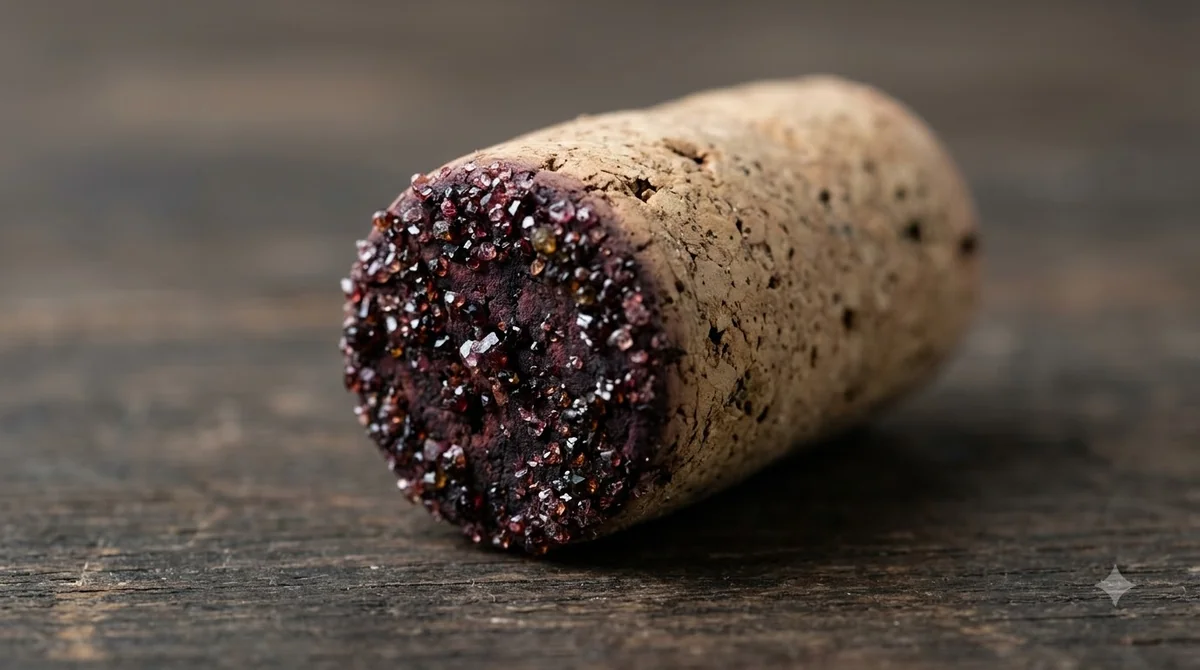
Wide, shallow coupes look glamorous in vintage photographs, yet their broad surface area allows carbonation and delicate aromatics to vanish within minutes. Narrow flutes keep a neat stream of bubbles rising visually, but their tight opening traps aromas inside the glass and forces your nose right into a blast of prickly carbon dioxide. According to Comité Champagne, a tulip glass gives bubbles room to develop while directing complex notes straight toward the taster.
For aged vintage bottles or fuller-bodied Blanc de Noirs cuvées, a standard universal white wine glass works wonderfully too. Just as you would when learning how to serve chardonnay, giving a rich sparkling wine extra bowl width highlights its creamy lees texture and toasted brioche character. Always hold any stemmed glass by the stem rather than the bowl so heat from your hand does not warm the chilled wine.
Glass hygiene also plays a surprisingly big role in bubble formation. Dishwasher rinse aids and leftover soap film coat the inside of crystal and flatten the mousse on contact. Hand-wash your Champagne glasses in hot water without detergent, or rinse thoroughly with hot water after washing, and dry them with a lint-free cotton cloth.
Step-by-Step Guide to Opening and Pouring
Open Champagne quietly by holding the cork firmly in one hand while twisting the base of the bottle at a 30-to-45-degree angle. Once uncorked, pour in two slow stages until the glass reaches two-thirds capacity.
- Dry the bottle and strip the foil: Lift the bottle from the ice bucket and wipe it dry with a clean towel so your grip stays secure. Pull the tear tab to remove the foil cap.
- Keep a thumb on the cork while loosening the wire: Place your thumb firmly over the top of the cork before untwisting the wire cage (muselet) six half-turns counter-clockwise. Never take your hand off the cork once the cage is loose.
- Angle the bottle away from guests: Tilt the bottle at a 30-to-45-degree angle pointed toward an empty space. Angling increases the liquid surface area inside the neck and helps prevent foaming overflow.
- Twist the bottle, not the cork: Grip the cork steadily with your non-dominant hand and slowly rotate the heavy glass base with your dominant hand. As internal pressure pushes the cork outward, hold back gently so it eases free with a soft sigh.
- Pour in two calm stages: Tilt the glass slightly and pour a small splash down the inside wall, pause a few seconds for the initial foam collar to subside, and then top up to two-thirds full.
Leaving the top third of the glass empty creates an aromatic headspace where volatile fruit and yeast compounds gather. As sommeliers noted by Wine Folly point out, overfilling any wine glass crowds out aromatics and makes swirling nearly impossible.
Storing Leftover Champagne After Opening
An opened bottle of Champagne stays fresh and fizzy for one to three days in the refrigerator when sealed with a dedicated sparkling wine stopper. Mythical kitchen tricks like dangling a silver spoon in the bottle neck do nothing to preserve carbonation.
Champagne sits under roughly five to six atmospheres of pressure before uncorking, and the moment the cork comes out, dissolved gas begins escaping to equalize with room pressure. A hinged metal-and-silicone sparkling wine stopper clamps tightly onto the glass lip, trapping internal pressure inside the headspace so the remaining wine retains its lively bead overnight. Standard tapered corks or vacuum pumps will not work—vacuum pumps actually pull dissolved carbon dioxide straight out of the wine, accelerating flatness.
Keep the sealed bottle upright in the refrigerator between pours. Standing the bottle upright minimizes the surface area of wine exposed to air inside the bottle, slowing down oxidation while cold temperatures keep gas dissolved in the liquid.
Frequently Asked Questions
Should you ever decant Champagne?
Most non-vintage Champagne should be poured straight from the bottle so you do not lose brisk carbonation. However, some sommeliers briefly decant tightly wound young prestige cuvées or richly textured vintage bottles for 15 to 30 minutes to soften aggressive mousse and open up complex savoury aromas.
How many glasses are in a standard bottle of Champagne?
A standard 750 ml bottle of Champagne yields five to six servings depending on your glass size. Pouring roughly 4 to 5 ounces per glass leaves plenty of aromatic headroom while ensuring a single bottle comfortably covers a small toast or first course.
Can you put ice cubes directly into a glass of Champagne?
Avoid adding ice cubes directly to traditional Champagne because melting water dilutes the wine’s balanced acidity and roughens its fine bubbles. If a bottle is still warm, chill it rapidly in an ice-and-water bucket for 20 minutes before pouring.
How does serving Champagne differ from serving red wine?
Champagne requires a much colder serving temperature (46°F–50°F) and a narrower tulip bowl to preserve effervescence, whereas still reds shine around 55°F–65°F in wider bowls. Even lighter red grapes used in Champagne production, like Pinot Noir—which you can explore in our pinot noir carbs overview—are served at cellar cool temperatures around 55°F–60°F when vinified as still red wines.
Mastering a few quiet habits—proper fridge or ice-bucket chilling, spotless tulip stemware, and a controlled twist of the bottle base—lets every glass of Champagne show its finest bubbles and layers of flavor. Keep your bottle resting in ice water between pours, and every refill will taste just as crisp as the first.
More in Wine Types & Grapes
 Zinfandel Sugar Content: Dry Red vs. White Zinfandel GramsUpdated Nov 21, 2026
 Best Zinfandel Substitute Options for Sipping and CookingUpdated Nov 21, 2026
 Zweigelt Food Pairing: Best Dishes, Cheeses, and Serving TipsUpdated Nov 21, 2026
 Zinfandel Tannins Explained: How Structure Shapes Every BottleUpdated Nov 21, 2026
 Zinfandel Sweetness Level: Dry Red vs. Sweet White Zin ExplainedUpdated Nov 21, 2026
 Xinomavro Food Pairing: Best Dishes, Styles, and Serving TipsUpdated Nov 21, 2026