

We may earn a commission when you buy through links on this page, at no extra cost to you. Learn more.
The best nebbiolo food pairing is a dish with enough protein, fat, and savory depth to soften Nebbiolo’s firm tannins while matching its bright acidity. Think braised beef, lamb, mushroom risotto, truffle pasta, or aged cheese rather than lean fish or fiery chili dishes. The ideal match also depends on whether the bottle is a lighter Langhe Nebbiolo or a more structured Barolo or Barbaresco.
Nebbiolo is a distinctive red grape from Italy’s Piedmont region, known for its pale color, pronounced acidity, firm tannins, and aromas of cherry, rose, and earthy spice. Those traits make it an excellent dinner wine, provided the food has enough flavor and texture to meet it. Use the following pairings as a practical starting point, then adjust the richness of the dish to the structure of the bottle.
What Nebbiolo Brings to the Table
Nebbiolo’s lively acidity and substantial tannin are the key to choosing food. Though pale in the glass, its grip often calls for rich dishes; think roast chicken with Langhe Nebbiolo and braised beef with Barolo.
Young Nebbiolo commonly shows tart cherry, cranberry, raspberry, rose, and violet. With age, it can develop dried fruit, truffle, leather, tobacco, and forest-floor notes. A younger wine echoes fresh herbs and berry flavors, while mature Barolo or Barbaresco suits roasted and slow-cooked dishes. Its acidity also cuts through butter, rendered fat, and rich sauces, provided the dish is not too sweet. Its relatively delicate red-fruit and floral aromas can be lost beside a dish dominated by smoke, heavy char, or sweet barbecue seasoning. Think in terms of matching intensity: a restrained Langhe wine needs a less concentrated plate than a Barolo with years of development.
The name on the bottle gives a clue to its weight. Barolo and Barbaresco are made from 100% Nebbiolo and have significant structure and aging potential. Younger Langhe bottlings can lean toward red fruit and fresh acidity, while Barolo and Barbaresco can show firmer structure and age potential. A young Langhe bottling may suit roast chicken or pasta, while a firm Barolo is better beside short ribs, game, or truffle.
The Langhe consortium describes Barbaresco as ruby to garnet, with aromas such as raspberry, violet, cinnamon, nutmeg, and wood. Its rules require at least two years of aging, including nine months in oak; Riserva requires at least four years. Still, not every Nebbiolo needs a large roast. Match the wine in your glass, not just the grape name, to the meal.
Balance Tannin with Protein, Fat, and Sauces
Pair Nebbiolo with protein and richness to balance its tannins. Braised beef or lamb shoulder, cooked with butter, olive oil, or a savory sauce, offers the moisture and fat that soften its drying sensation.
For a substantial bottle, choose braised beef, ribeye, lamb shoulder, pork sausage, duck, or venison. Meat proteins reduce the perception of tannin, while fat in a well-marbled cut makes the wine feel less severe. Roast with pan juices, tender short ribs, or lamb shanks are safer than lean steak without sauce. Add roasted mushrooms, polenta, or aged cheese to echo Nebbiolo’s earthy notes. A pan sauce made with stock, shallots, and a little cooking wine is often more useful than a sugary condiment. The sauce supplies moisture and savory depth without adding a flavor that competes with the wine’s cherry, rose, and dried-herb character.
Cooking method matters too. Braising, roasting, and slow simmering build flavor while keeping food moist. Dry chicken breast or lean pork can make tannic red seem harder. Add mushroom cream sauce, pan butter, or rich jus, and choose younger Nebbiolo rather than a tightly structured Barolo.
Check acidity too. Nebbiolo works with tomato or pickled accents, but a sharp dressing can taste sour unless the wine has equal or higher acidity. Salt softens tannin, and fat rounds out a savory plate. For more on balancing weight, acidity, and texture, use this Wine Pairing framework.
Piedmont Classics: Brasato, Agnolotti, and Truffles
The most natural matches come from Nebbiolo’s home region in Piedmont. Brasato al Barolo, agnolotti del plin, tajarin, and white-truffle dishes provide the savory flavor, protein, and richness that suit the grape.
Brasato al Barolo is beef slowly braised with Barolo, aromatics, and vegetables until tender. Cooking wine bridges glass and plate, while meat protein and concentrated sauce manage tannin. Mature Barolo is a classic choice; younger Barbaresco or Langhe Nebbiolo suits a lighter preparation. Serve with soft polenta or mashed potatoes rather than a sweet glaze. For a simpler Sunday meal, pot roast with carrots and onions can deliver the same basic pairing logic without using Barolo in the cooking. Keep the sauce savory, and avoid piling on both sweetness and strong acidity.
Agnolotti del plin are small Piedmontese stuffed pasta parcels, traditionally filled with meat and pinched closed. They may be served with a light meat-and-vegetable sauce or simply butter and sage. The soft pasta and rich filling give Nebbiolo a good partner without burying its perfume. Decanter also highlights braised-meat agnolotti from La Morra with Barolo, noting the fit between the pasta’s tender richness and the wine’s fine tannins and mature flavors; its Italian pasta pairing examples offer useful context for this regional match.
Truffles are classic over egg-rich tajarin, risotto, or meat. White truffle is aromatic but delicate, so avoid strong garlic, chili, or a heavily reduced sauce. A bottle-aged Barolo or Barbaresco echoes its earthy character; younger Nebbiolo suits simple mushroom or butter pasta. Black truffle works with rustic flavors such as braised meat, polenta, and aged cheese. A little fat helps carry truffle aroma across the palate, which is why butter or cream can be effective in a measured amount. The wine should complement the aroma, not compete with it through a large dose of oak, smoke, or hot spice.
Pasta, Risotto, and Meatless Main Courses
Nebbiolo suits vegetarian food with depth, fat, and umami. Porcini risotto, lentils with browned onions, and polenta with aged cheese provide substance for a tannic red.
Try porcini risotto finished with butter and Parmigiano Reggiano. Creamy starch, earthy mushrooms, and salty cheese suit Nebbiolo’s structure. Langhe Nebbiolo is an easy first choice; a structured Barbaresco can accompany roasted mushrooms, deeper stock, and more aged cheese. Season with thyme, parsley, pepper, or sage rather than chili.
Fresh egg pasta works too. Tagliatelle with mushrooms, tajarin with butter and truffle, or pappardelle with lentil-mushroom ragù supplies texture without meat. For tomato-heavy sauce, choose softer, fruit-led Nebbiolo and avoid added sugar. A brighter red with softer tannins may work better: compare a Barbera food pairing for tomato-forward sauces.
For a meatless main, try polenta with braised wild mushrooms, roasted squash with browned butter and sage, or lentils with carrots, celery, and herbs. Add aged cheese or olive oil for richness. Grilled eggplant works with savory filling or cheese, but a lean vegetable plate may leave powerful Nebbiolo too tannic. Build layers of browned, earthy, salty, and creamy flavor. Roasted cauliflower with hazelnuts and Parmesan, or a baked mushroom-and-lentil dish with a crisp top, can also provide this contrast. Keep portions substantial enough that the wine does not overwhelm the meal, particularly with a young Barbaresco.
Cheese, Poultry, Pork, and Game
Nebbiolo need not always accompany a braise. Parmigiano Reggiano, roast chicken, pork shoulder, and venison offer options when matched to the wine’s age and weight.
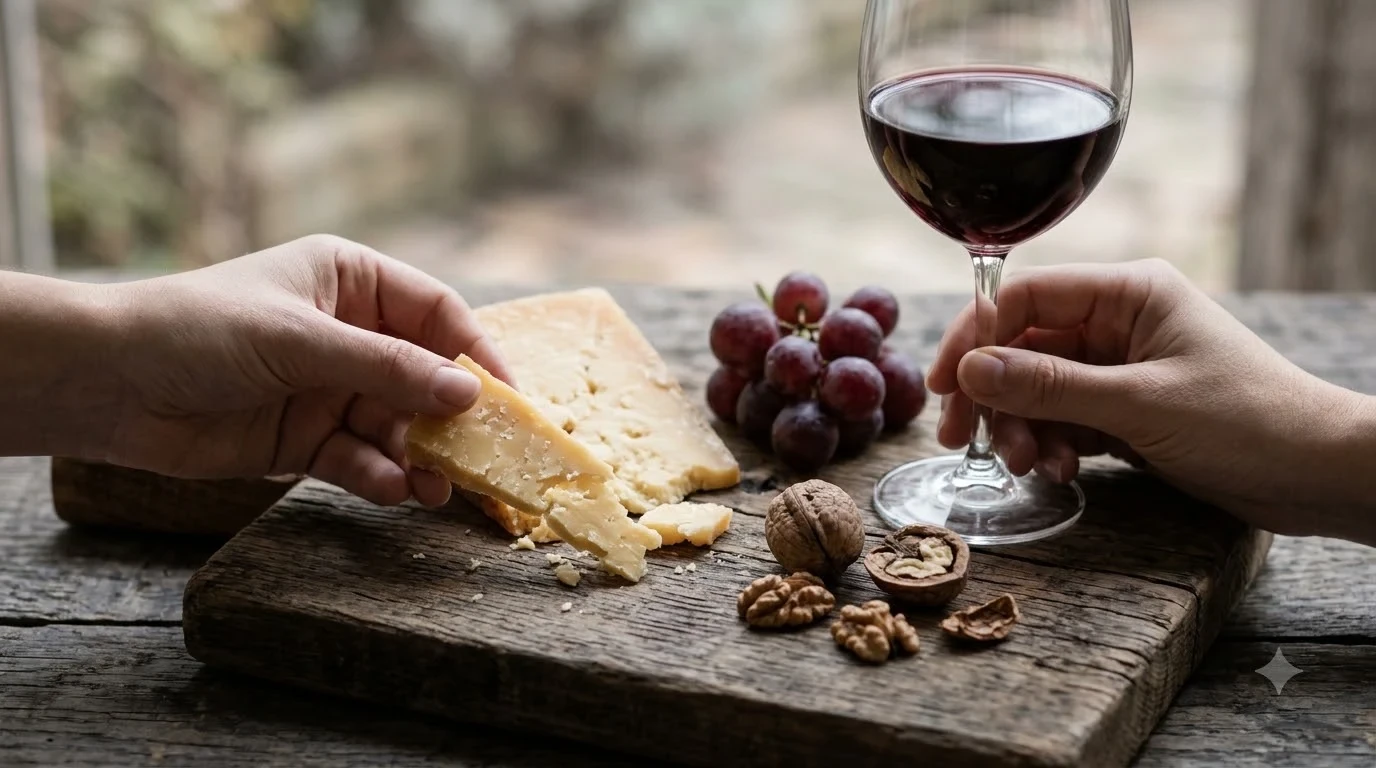
Choose firm or semi-firm cheeses with savory depth. Parmigiano Reggiano, aged Pecorino, Castelmagno, and Alpine cheeses can stand up to Nebbiolo’s acidity and tannin. A younger Langhe bottling can also suit creamy washed-rind or triple-cream cheese, as the fat softens the wine. Mild fresh cheese may seem thin beside Barolo; add roasted nuts or cured meat. Blue cheese is a more difficult match because its intense salt and mold character can exaggerate bitterness in a dry red. If serving a cheese board, make aged hard cheese the main partner and offer the boldest blue separately.
Poultry suits lighter Nebbiolo. Roast chicken with pan juices, grilled thighs, turkey with mushroom gravy, or duck with a savory cherry-herb sauce has enough flavor to meet the wine. Wine Enthusiast pairs younger Langhe Nebbiolo with grilled chicken paillard, peaches, Gouda, and Sicilian olives, showing how smoky fruit, cheese, and salt flatter a fresher style; see its Nebbiolo and grilled chicken pairing.
Pork tenderloin, fennel sausage, and roast shoulder can fit. Sausage with white beans suits a medium-bodied bottling; slow-roasted shoulder can handle a firmer red. Venison, pheasant, and wild boar are good with mature Barolo or Barbaresco and a savory sauce. A restrained berry reduction can work, but sugary glaze makes the wine seem sharper. For a game dish, mushrooms, juniper, black pepper, and herbs are useful seasoning choices because they reinforce the savory side of the wine. The same sauce can often serve roast duck or venison without masking the wine’s floral aromas.
Seafood, Spice, and Pairings to Approach Carefully
Some dishes make Nebbiolo seem harsher. Delicate seafood, oily fish, fiery chili, and sweet sauces are the combinations to approach with caution.
Salmon, mackerel, and sardines can clash with tannic red, especially when grilled simply or served with citrus. Fish oils and firm tannin may create a metallic or drying impression, so choose a delicate white instead. Albariño is a natural match for shellfish, ceviche, and grilled white fish; see this albarino food pairing guide for briny, citrus-led dishes.
Alcohol and tannin can intensify chili heat. Even lively young Nebbiolo is risky with Sichuan chili oil, fiery curry, or habanero salsa. For moderate spice, reduce the chili, add a creamy or fatty element, and choose a softer bottle. Savory Chinese dishes with brown sauce, five-spice seasoning, or gentle soy richness are easier matches. Keep the dish more aromatic than hot: star anise, clove, fennel seed, and black pepper can create a bridge to Nebbiolo’s spice notes. If the food is already very hot, a lower-tannin, slightly sweet wine is usually a safer option.
Sweet barbecue glaze, honey sauce, or fruit chutney can make dry Nebbiolo seem sour and tannic; dessert wine should be at least as sweet as the dessert. Very acidic food needs equal or higher wine acidity, so add fat or a milder component beside vinegar, citrus, or sharp tomato. Amarone has a different, concentrated dried-fruit character; compare this Amarone food pairing approach rather than treating Italian reds as interchangeable.
Choose the Bottle, Serving Temperature, and Pour
Serve lighter Nebbiolo around 55–60°F and fuller Barolo or Barbaresco around 60–65°F; give a young, structured bottle some air. Firmer tannins call for protein, fat, and savory richness.
Use the table as a starting point: lighter reds suit 55–60°F, while fuller reds suit 60–65°F. These are ranges, not rigid rules. A warm room can make red wine seem heavy, while an overly cold bottle mutes aroma and hardens tannin.
| Nebbiolo style | Serving range | Good first match |
|---|---|---|
| Lighter Langhe Nebbiolo or Nebbiolo d’Alba | 55–60°F | Roast chicken, mushroom pasta, pork sausage |
| Structured Barbaresco | 60–65°F | Agnolotti, roast duck, aged cheese |
| Full-bodied Barolo | 60–65°F | Braised beef, venison, truffle dishes |
Tip: If a young Barolo tastes especially firm, let it breathe for 30–60 minutes and serve it with braised meat, mushrooms, or aged cheese rather than a lean dish. Keep the wine cool enough that alcohol does not dominate its aromas.
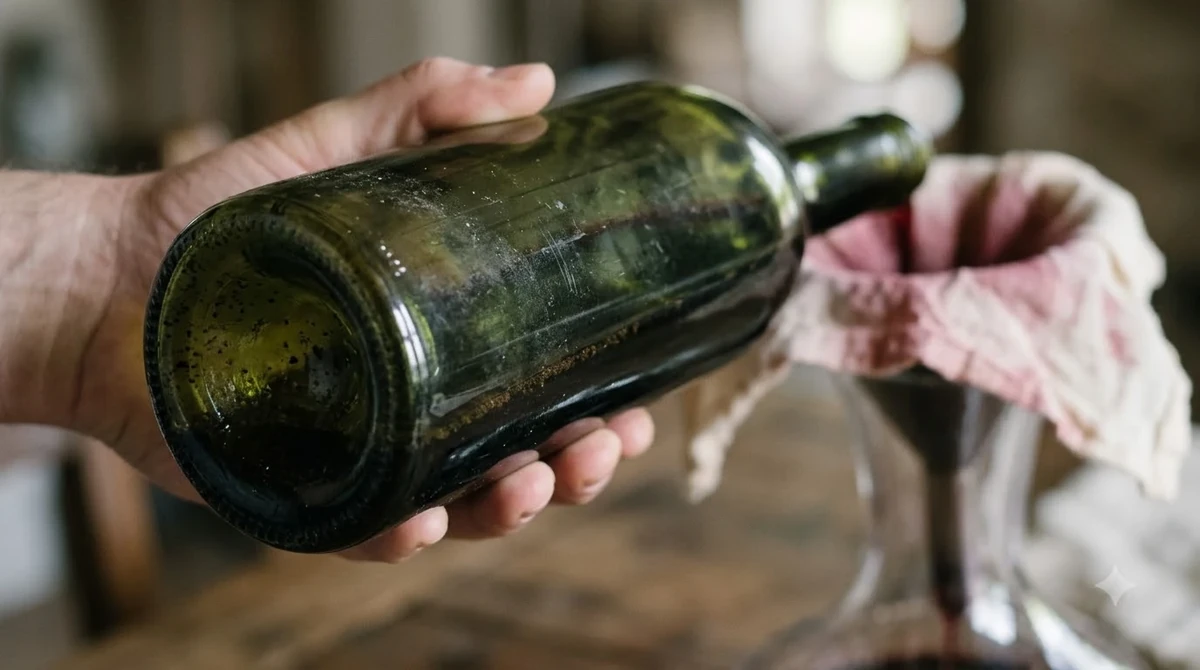
A young, full-bodied red often benefits from 30–60 minutes in a decanter, giving Barolo time to open. Older bottles may need less air and gentle handling if sediment has formed. Use a large-bowled glass and pour about 5 ounces; a 750 ml bottle holds roughly five servings.
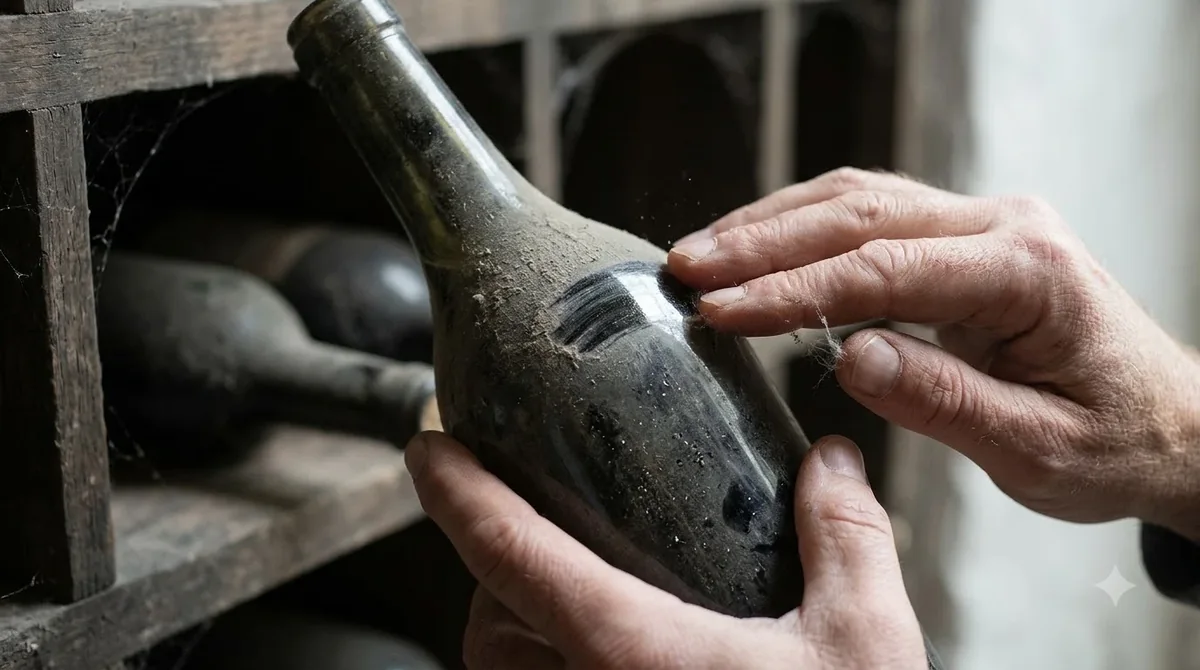
Plan around concentration, not color alone. A lighter Langhe Nebbiolo can move from cured meat to mushroom pasta; save structured Barolo for braise or game. With several courses, serve delicate dishes first and reserve the richest plate for the most powerful wine. For storage before the meal, keep unopened bottles on their side in a cool, dark place near 55°F with a steady temperature. After opening, reseal and refrigerate still wine; Nebbiolo is generally best enjoyed within three to five days.
Frequently Asked Questions
A young Langhe Nebbiolo can suit pizza or roast chicken, while a firm Barolo often benefits from air and a richer main course. These answers cover practical choices beyond the main pairing suggestions.
Does Nebbiolo always need to be decanted?
No. Decanting is most useful for a young, firmly structured Barolo or Barbaresco, while a lighter Langhe Nebbiolo may be ready after a short time in the glass. For an older bottle, stand it upright before opening so sediment can settle, then pour carefully.
Can Nebbiolo pair with pizza?
Yes, especially with mushroom, sausage, or roasted-vegetable toppings and a restrained amount of tomato sauce. A thin, cheese-light Margherita may be better with a softer red because a powerful Nebbiolo can dominate its simple flavors.
Is Barbaresco lighter than Barolo?
Barbaresco is often described as more approachable earlier, but both wines can be firmly tannic and age-worthy. Barbaresco’s appellation rules require at least two years of aging, including nine months in oak, while Barolo’s minimum aging period is longer.
What herbs work especially well with Nebbiolo?
Sage, thyme, rosemary, and bay leaf are useful choices because they suit roasted meats, mushrooms, and Piedmont-style sauces. Fresh mint and cilantro can feel less integrated in a traditional preparation, particularly beside an older, earthy Barolo.
How long can an opened Nebbiolo bottle keep?
Reseal the bottle and refrigerate it; many still wines remain enjoyable for about three to five days, although the aroma and freshness gradually fade. Bring the wine back toward its serving temperature before pouring, and use a smaller container if only a little wine remains.
Nebbiolo is at its best with food that respects both sides of its character: firm tannin and vivid acidity. Start with braised meat, truffle pasta, mushrooms, or aged cheese, then adjust the richness and serving temperature to the particular bottle. A thoughtful match lets the wine’s floral detail and savory depth show without overpowering the meal.
More in Food & Wine Pairing
 Risotto With White Wine Recipe: Make a Creamy Dinner at HomeUpdated Nov 20, 2026
 Wassail With Wine Recipe for a Festive Spiced Holiday DrinkUpdated Nov 20, 2026
 Spritz Veneziano Recipe: Make a Classic Venetian Aperitivo at HomeUpdated Nov 20, 2026
 Summer Wine Punch Recipe for Easy Homemade EntertainingUpdated Nov 20, 2026
 Bishop Recipe: How to Make a Bright, Citrus-Forward Red Wine CocktailUpdated Nov 20, 2026
 Wine Cupcakes Recipe: Bake Rich Chocolate Cupcakes at HomeUpdated Nov 20, 2026