

We may earn a commission when you buy through links on this page, at no extra cost to you. Learn more.
What is cherry wine? Cherry wine is a fruit wine made mainly from cherries, usually tart varieties, fermented into a wine that is often medium-sweet. Unlike a grape wine, it gets its flavor and color from cherries rather than grapes. Cherry wines range from light, bright everyday bottles to fortified and liqueur-style drinks with much higher alcohol.
Cherry wine sits outside the usual grape categories, so it can be confusing for people who only know red, white, and rosé. It is part of the wider family of fruit wines, which are made from fruits such as apples, plums, berries, and cherries. This guide explains how cherry wine is made, what it tastes like, and how it is served and paired.
How Cherry Wine Is Made
Cherry wine starts with the fruit. According to the Wikipedia entry on cherry wine, tart cherries are the usual choice because they have enough natural acid to support fermentation and a clean finish. Sweet cherries are used less often for wine, mainly because they lack the acidity that gives the wine its structure.
Fruit musts often need adjustment before fermentation. Many fruits, cherries included, have acid levels that are high enough to need dilution, so producers often add water to the mash. Sugar is also commonly added, and winemakers can stop fermentation early to keep some sweetness in the finished wine. Each step changes the final balance, which is why cherry wines from different producers can taste very different.
What Cherry Wine Tastes Like
The flavor is built around cherry, but the style depends on the method. A simple, lightly fermented cherry wine tastes fruity and bright, with a clear sour edge that comes from the fruit’s acid. A sweeter version tastes rounder and softer, closer to a fruit dessert. Many cherry wines have a deep red color and a light body, though some are almost clear depending on how they are processed.
Reference sources describe a good cherry wine as smooth and medium-sweet. That description fits the style well: the fruit stays in front, the sugar softens the acid, and the finish is usually short. Because the sweetness can vary, reading the label or the producer’s notes is the best way to know what you are buying.
Acid and sugar work together in every cherry wine. Acid keeps the wine lively and gives it a clean finish, while sugar softens the sourness and gives the wine body. When the balance is right, the cherry flavor stays clear from the first sip to the end. When it is off, the wine can taste either thin and sharp or heavy and syrupy, which is why many producers adjust the mash carefully before fermentation.
Alcohol Level and Strength
Cherry wines are not all the same strength. Many table-style cherry wines sit in a moderate alcohol range, similar to other fruit wines, but fortified and liqueur versions can be much stronger. The Wikipedia entry on cherry wine gives a clear example: Cherry Kijafa, a fortified Danish fruit wine with added natural flavors, usually contains 16 percent alcohol by volume.
That range matters when you pour. A table-style cherry wine can be served like a light red or a dessert wine, while a fortified style is best poured in small amounts, much like other sweet fortified drinks. Check the bottle’s alcohol statement before serving so you can set expectations for guests.
| Style | Typical character | Best served |
|---|---|---|
| Table cherry wine | Fruity, bright, light body | Lightly chilled |
| Medium-sweet cherry wine | Rounder, softer, dessert-like | Chilled, with dessert |
| Fortified cherry wine (e.g., Cherry Kijafa) | Sweet, stronger, with added flavors | Small pour, after dinner |
| Cherry liqueur (e.g., Maraska) | Concentrated cherry, sweet | Small pour, neat or on ice |
Cherry Wine Around the World
Cherry wine is made in several regions, and each has its own style. The Wikipedia reference lists a Danish example, Fredriksdal Cherry Wine, which was partly developed by a restaurant owner, Jan Friis-Mikkelsen. In Croatia, Maraska is a cherry liqueur made from Marasca cherries and is widely known. In the United States, some Michigan wineries produce spiced cherry wines and blends that combine cherries with grapes.
Regional tradition shapes the style as well. Some cherry wines are made as everyday drinks for local markets, while others are developed as gift bottles or dessert wines. Because the fruit is the main ingredient, the growing season and the variety of cherry can change the color, acidity, and intensity from one vintage to the next. A cherry wine from a cool, short season may taste sharper, while one from a warmer season can taste riper and sweeter.
Production is also growing in other places. The same reference notes that cherry wine production is becoming popular in China. The common thread is the fruit itself, which gives each producer a different base to work from.
How to Serve Cherry Wine
Serve cherry wine lightly chilled if it is a table style. Cold temperatures keep the sweetness balanced and bring out the fresh fruit. A short time in the fridge is usually enough, and you do not need a special glass. A standard wine glass shows the color and lets you smell the cherry aroma.
For fortified and liqueur styles, use small pours in a small glass. These drinks are rich and concentrated, so a little goes a long way. They also work well over ice or in a simple cocktail with sparkling water, which dilutes the sweetness and lets the fruit come through.
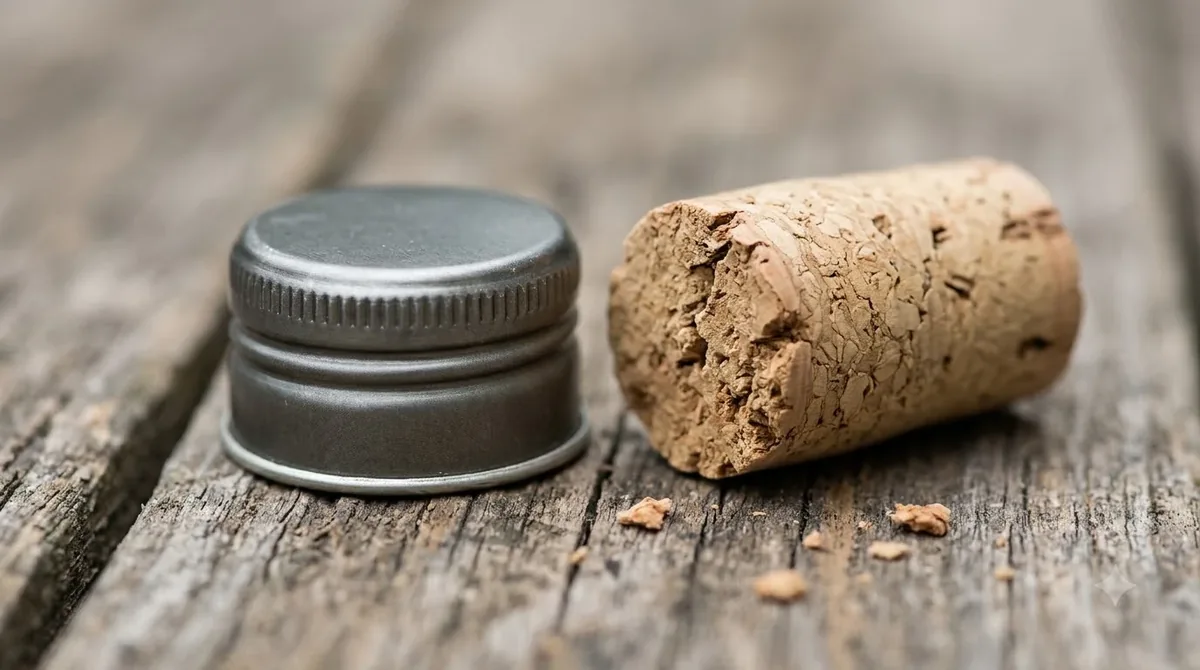
Tip: Keep the cork or cap tight after opening and store the bottle upright in a cool place. Fruit wines usually taste best in the first few weeks after opening.
Food Pairing for Cherry Wine
Medium-sweet cherry wines pair well with desserts that use dark fruit or chocolate. Cherry, dark chocolate, and vanilla are a natural match, and a simple cheesecake or fruit tart can make the wine taste balanced. Soft cheeses such as brie also work, because the fruit and mild fat complement each other.
Cheese is another useful category to explore. A firm aged cheese with nutty notes can balance the fruit, while a sharp blue cheese tends to clash with the sweetness. When in doubt, choose a mild cheese and taste a small piece with the wine before serving a full plate.
Savory pairings are more limited. Grilled pork, roast duck, and dishes with a fruit glaze can work with a lighter table style, while very sweet or fortified versions are better left for dessert or sipping. Cherry wine can also be used in cooking, for example in a sauce for pork or in a dessert syrup, where its sweetness adds depth.
Frequently Asked Questions
Is cherry wine the same as cherry liqueur?
No. Cherry wine is fermented from fruit and is usually lower in alcohol. Cherry liqueur is made from fruit and sugar with added spirit, so it is stronger and sweeter. Some fortified cherry wines sit between the two.
Is cherry wine sweet?
Many cherry wines are medium-sweet, because producers often add sugar or stop fermentation early. Some styles are drier, so the label or producer notes are the best guide.
What is the best way to try cherry wine for the first time?
Start with a medium-sweet table style served lightly chilled, and pair it with a simple dessert. This shows the fruit clearly and gives you a reference point before trying a fortified or liqueur version.
Does cherry wine need to be aged?
Most cherry wines are made to be enjoyed young, while the fruit is fresh. Aging is less common, and the flavor tends to change as the fruit character fades over time.
Cherry wine is easy to enjoy once you know its range, from light table styles to strong fortified drinks. Choose the style that suits the occasion, serve it at the right temperature, and pour fortified versions in small amounts. For more on the wider range of wines, the Wine by Type guide is a helpful next stop, and baco noir wine shows how a different fruit-forward red can compare.
More in Wine Types & Grapes
 Zinfandel Sugar Content: Dry Red vs. White Zinfandel GramsUpdated Nov 21, 2026
 Best Zinfandel Substitute Options for Sipping and CookingUpdated Nov 21, 2026
 Zweigelt Food Pairing: Best Dishes, Cheeses, and Serving TipsUpdated Nov 21, 2026
 Zinfandel Tannins Explained: How Structure Shapes Every BottleUpdated Nov 21, 2026
 Zinfandel Sweetness Level: Dry Red vs. Sweet White Zin ExplainedUpdated Nov 21, 2026
 Xinomavro Food Pairing: Best Dishes, Styles, and Serving TipsUpdated Nov 21, 2026