

We may earn a commission when you buy through links on this page, at no extra cost to you. Learn more.
Barbera food pairing works best with pizza, tomato-based pasta, sausages, pork, and other savory foods that benefit from the grape’s high acidity and soft tannins. The Italian red is lively rather than heavy, with fresh cherry and other red-fruit flavors that complement rich dishes without overwhelming them. Choose a lighter bottle for pizza, antipasti, and some fish, or a fuller, oak-aged Barbera for roasted meat, mushrooms, and hearty sauces.
Barbera is one of Piedmont’s most useful dinner wines because its freshness can balance foods that make many reds seem firm or tiring. The guide below starts with the grape’s structure, then matches specific bottles and dishes so you can choose confidently whether dinner is a weeknight pasta, a backyard cookout, or a long meal built around northern Italian cooking.
Why Barbera Works So Well With Food
Barbera’s defining features are high acidity, generous fruit, and comparatively low tannin. That combination makes it a natural partner for foods with tomato, cheese, savory fat, and herbs: the acidity refreshes the palate, while the softer tannin avoids the drying grip that can make some red wines difficult with delicate or salty ingredients.
In a typical Piedmont example, expect aromas and flavors of cherry, sour cherry, plum, and sometimes fresh herbs or flowers. Wine Enthusiast’s overview of Barbera describes Italian examples as having vibrant cherry fruit, high acidity, and low tannins, while Berry Bros. & Rudd characterizes Barbera d’Asti and Barbera d’Alba as refreshing reds with juicy red-fruit flavors.
Acidity is the practical advantage at the table. It cuts through the richness of melted mozzarella, pork belly, sausage, and creamy cheese, and it can stand up to the tartness of tomato sauce. For a simple pairing decision, think of Barbera as a red wine for dishes with both flavor and freshness: it has enough fruit for savory food, but usually not so much tannin that it needs a large cut of meat.
There are differences between bottles. A young, unoaked Barbera tends to be brighter and more direct, while a more concentrated or oak-aged version can bring darker fruit, spice, vanilla, and a firmer feel. Match the wine’s weight to the dish rather than assuming every bottle labeled Barbera will behave exactly the same way.
Classic Piedmont Pairings: Antipasti, Rice, and Local Cheese
For a classic regional match, serve Barbera with Piedmontese antipasti, rich rice dishes, or meat-filled pasta. The cuisine of Piedmont includes savory, substantial preparations, and Barbera’s acidity is well suited to their fat, salt, and earthy flavors.
Start with bagna cauda, the warm Piedmontese dip made with garlic and anchovies and served with raw or cooked vegetables. Its salt and oil call for a wine with freshness rather than heavy tannin, making a younger, fruit-forward Barbera a sensible choice. The Decanter guide to Barbera pairings also highlights the region’s rich antipasti traditions. Salami, sausages, mountain ham, pâtés, and terrines are strong matches: their savory fat softens the wine’s modest tannin, while the acidity keeps each bite from feeling too rich.
For a first course, try agnolotti del plin, small stuffed pasta often filled with meat, or tajarin, fine egg noodles served with butter and, in some preparations, truffles. A lighter Barbera works with these dishes because it brings red-fruit flavor without taking over the filling or the delicate texture of fresh pasta. The same logic applies to a mushroom risotto, particularly one made with porcini or finished with butter and cheese.
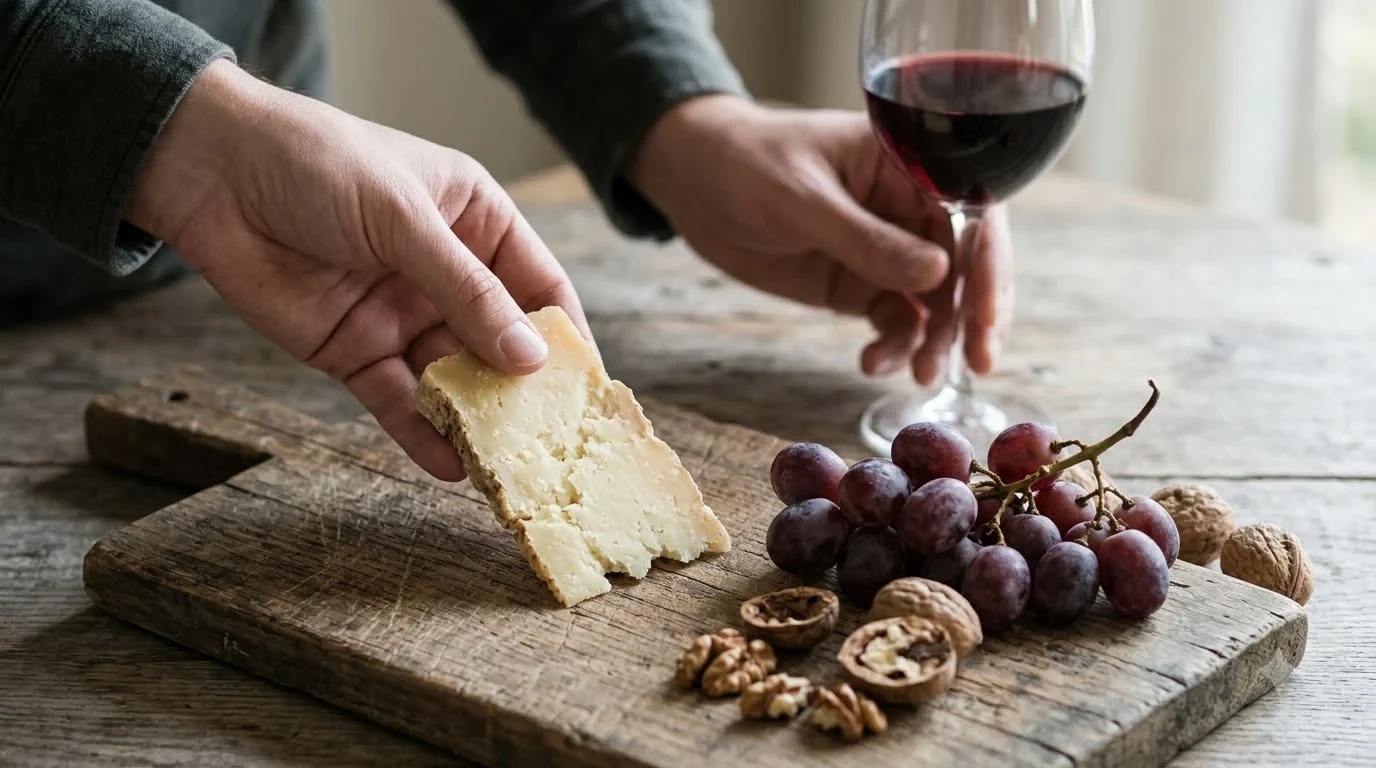
Cheese is another reliable route. Choose a young or medium-aged Toma-style cheese, fresh cheeses, or a savory cheese-filled dish rather than relying only on very pungent blue cheese. Barbera’s acidity refreshes the palate after creamy or fatty cheese, and the wine’s red-fruit notes make a pleasant contrast with earthy, nutty flavors. For more regional ideas, compare the structure of Wine Pairing across a full meal instead of treating the bottle as something reserved for the main course.
Pizza, Pasta, and Tomato-Based Dishes
Pizza and tomato-based pasta are among the easiest Barbera pairings because the wine has enough acidity to meet the sauce, and its fruit complements cooked tomato. A medium-bodied bottle also has the flavor to stand up to browned cheese, sausage, mushrooms, and roasted vegetables without demanding a formal dinner menu.
With pizza, try a Margherita, mushroom pizza, or a sausage-and-pepper pie. The acidity in the wine keeps the combination lively alongside tomato and mozzarella, while the fruit works with the browned crust and savory toppings. A simple tomato-and-basil pizza is especially good with a lighter Barbera; a version loaded with sausage or extra cheese can take a deeper, more structured bottle.
For pasta, match the sauce before choosing the wine. Spaghetti with marinara, baked ziti, lasagna, and rigatoni with sausage all have the tomato, herbs, or savory richness that suit Barbera. A meat sauce with beef or pork also works, especially when the wine is ripe enough to meet the sauce’s depth. Avoid a very delicate, lightly seasoned pasta if the Barbera is especially concentrated or marked by new oak, since the wine may dominate the dish. Tomato acidity is an important consideration with red wine: a low-acid red can taste flat beside a sharp sauce, but Barbera’s natural freshness helps it stay lively.
Add Parmesan, ricotta, or mozzarella and the pairing becomes even more forgiving: the cheese adds fat and salt, which soften the wine’s structure. Not every pasta needs a red sauce, either. Try Barbera with baked pasta, sausage ragù, mushroom cream sauce, or roasted eggplant, and keep herbs such as rosemary, oregano, basil, and thyme in the recipe. For a different bright white-wine partner with seafood pasta or lighter tomato dishes, an albarino food pairing offers a useful contrast in style.
Meat, Poultry, and Rich Main Courses
Barbera can handle a wide range of meat dishes, from sausages and pork chops to roast chicken, duck, and some grilled beef. Its acidity is especially helpful with fatty cuts and rich sauces, while its lower tannin makes it more adaptable than a highly tannic red when the plate includes salt, herbs, or a touch of sweetness.
For pork, choose grilled chops, slow-roasted shoulder, pork belly, or Italian sausages with fennel. Fat and salt make the wine feel rounder, and the acidity balances the richness. Sausages with peppers and onions are a straightforward match; pork belly with roasted fennel or apples also works, provided the preparation is savory rather than sweet. A full-flavored Barbera d’Asti or Barbera d’Alba can stand up to those dishes without needing the weight of a heavily tannic wine. Roast chicken is another good choice for a lighter or medium-bodied bottle, particularly when seasoned with garlic, rosemary, thyme, or lemon.
Duck has enough richness for Barbera, and a fruit-driven style can match duck breast with a savory pan sauce. For grilled steak or roast beef, select a more concentrated Barbera with noticeable structure, especially if the meat has char or a wine-based sauce. Barbecue works, too: bright fruit suits pork ribs, burgers, grilled sausages, and tomato-based barbecue sauce. A slightly sweet glaze is not automatically a problem, but the wine should not taste less sweet than a strongly sugary sauce. Keep chili heat moderate because alcohol and tannin can make a very hot sauce feel more aggressive.
For a richer special-occasion menu, compare Barbera’s lighter profile with the deeper, more structured style of Amarone food pairing. Amarone can suit very rich braises and aged cheeses, while Barbera is often the more refreshing option for sausage, tomato, and dishes where acidity matters more than power.
Seafood, Vegetables, and Vegetarian Pairings
Barbera is not limited to meat, and lighter examples can work with certain fish and vegetable dishes. The best matches have enough texture, seasoning, or savory depth to meet a red wine, rather than relying on a very delicate flavor that could be overwhelmed.
For fish, start with grilled salmon or tuna, especially when served with herbs, olives, capers, roasted tomatoes, or salsa verde. A lighter Barbera has relatively soft tannin, so it is more flexible with these fish than a strongly tannic red would be. Seared tuna with a bright herb sauce is a particularly good bridge between the wine’s red-fruit character and the savory flavor of the fish. Avoid pairing Barbera with very delicate white fish served plainly; a crisp white wine is usually more suitable.
Vegetarian dishes can be excellent, especially those built around mushrooms, eggplant, lentils, beans, and roasted root vegetables. Barbera’s fruit and acidity complement grilled eggplant, mushroom risotto, tomato-braised white beans, and roasted squash with herbs. A bean stew with rosemary or sage has enough earthy flavor to meet the wine, while the acidity prevents the combination from becoming too heavy. For a cheese-centered meal, try roasted mushrooms with polenta, eggplant Parmesan, or baked vegetable lasagna.
The acidity helps with melted cheese and tomato, and moderate tannin is less likely to conflict with vegetable flavors than a very tannic Cabernet Sauvignon. For a menu built around grilled vegetables and lighter seafood, use the dish’s weight and seasoning to decide whether a red or fuller white is the better fit; a Châteauneuf-du-Pape food pairing offers another route when a fuller wine is called for. Use caution with strong chili heat: alcohol can intensify the burn of capsaicin, and tannin can make spicy food feel harsher. A fruit-forward Barbera may work with mild-to-medium spice, but for a very hot curry or chili-heavy sauce, choose a softer, lower-alcohol wine or change the seasoning rather than expecting acidity alone to cool the dish.
How to Choose, Serve, and Match a Bottle
Choose Barbera by weight, oak influence, and the richness of the meal. A fresh, unoaked bottle is suited to pizza, antipasti, tomato pasta, and lighter first courses; a fuller or oak-aged example is better with roast meat, mushroom dishes, and more intense sauces.
Labels such as Barbera d’Asti and Barbera d’Alba point to important Piedmont appellations, but the name alone does not tell you exactly how weighty the wine will feel. Producers make fresh, early-drinking versions as well as more substantial wines with greater concentration and oak influence. Look for bright cherry and freshness for lighter fare, or darker fruit, spice, and a more structured palate for richer main courses. Serve a lighter Barbera slightly cool, around 55–60°F, so its fruit stays vivid and its acidity feels refreshing; a fuller, more structured red can be served closer to 60–65°F. If the bottle is warm, a short chill in the refrigerator can bring it into range.
| Serving detail | Guideline | Best use |
|---|---|---|
| Lighter Barbera | 55–60°F | Pizza, antipasti, tomato pasta |
| Fuller Barbera | 60–65°F | Roast meat, mushrooms, rich sauces |
| Standard pour | 5 ounces | One typical glass |
| Standard bottle | 750 milliliters; about 5 pours | Approximately five servings |
Glassware does not need to be complicated: use a regular red-wine glass with enough bowl space to let the cherry and herbal aromas develop. A young, fruit-forward Barbera usually does not need a long decant, though a fuller wine can benefit from 30–60 minutes of air if its aromas seem closed when first opened. Think about the full menu, too: a lighter Barbera can begin with salumi and continue through tomato pasta, while a more structured bottle can stay with roast meat and cheese. When the menu shifts from delicate seafood to beef, separate wines may give each course a better match.
Tip: Match the bottle to the richest element on the plate. For sausage pizza, choose a fresh, high-acid Barbera; for a slow-cooked beef or mushroom dish, move up to a fuller version with more structure. If the meal is very spicy or sweet, adjust the dish or choose another wine rather than expecting Barbera to solve the mismatch.
Frequently Asked Questions
Common questions about Barbera concern the grape itself, its sweetness, and how it compares with other Piedmont reds. The answers below clarify its identity, growing regions, and aging potential.
Is Barbera a grape or a wine?
Barbera is a dark-skinned grape variety, and the name is also used for wines made from it. The grape can produce red wine and rosé, so not every Barbera-based bottling is a deep-colored red.
Is Barbera wine sweet?
Barbera is generally a dry wine, even when its cherry and plum flavors seem ripe. Fruitiness describes the flavor impression; it does not mean the wine contains dessert-level sweetness.
Is Barbera grown outside Piedmont?
Yes. Wine Enthusiast notes plantings in California, Australia, and Argentina as well as Italy. In California’s Sierra Foothills, warmer conditions can produce ripe black-plum and boysenberry notes while higher-elevation vineyards help preserve freshness.
Is Barbera the same grape as Nebbiolo?
No. Barbera and Nebbiolo are separate red grape varieties. Barolo and Barbaresco are made entirely from Nebbiolo, while Barbera d’Asti and Barbera d’Alba are named Barbera wines from Piedmont.
Does Barbera taste the same across all of its regions?
No. Wine Enthusiast notes that Barbera from Nizza, Asti, Alba, and Oltrepò Pavese can show distinct regional traits. The grape’s fruit and acidity remain recognizable, but site and winemaking can change the balance and expression.
Barbera is a dependable choice when the meal calls for a lively red with enough fruit for savory flavors and enough acidity for rich ingredients. Start with pizza, tomato pasta, sausage, or mushroom risotto, then adjust the bottle’s weight to the dish. With those simple principles, Barbera can move comfortably from a casual weeknight dinner to a full Piedmont-inspired menu.
More in Food & Wine Pairing
 Risotto With White Wine Recipe: Make a Creamy Dinner at HomeUpdated Nov 20, 2026
 Wassail With Wine Recipe for a Festive Spiced Holiday DrinkUpdated Nov 20, 2026
 Spritz Veneziano Recipe: Make a Classic Venetian Aperitivo at HomeUpdated Nov 20, 2026
 Summer Wine Punch Recipe for Easy Homemade EntertainingUpdated Nov 20, 2026
 Bishop Recipe: How to Make a Bright, Citrus-Forward Red Wine CocktailUpdated Nov 20, 2026
 Wine Cupcakes Recipe: Bake Rich Chocolate Cupcakes at HomeUpdated Nov 20, 2026