

We may earn a commission when you buy through links on this page, at no extra cost to you. Learn more.
The best wine with spaghetti depends on the sauce, but a red with high acidity, such as Sangiovese, is the most reliable choice for tomato-based pasta. Its bright acidity matches the tomato, and its savory herbs echo oregano and basil. For cream or butter sauces, a light white with some body works better, and for simple olive oil and garlic, a crisp white is a good match.
Spaghetti is one of the most common dinners in American homes, and the sauce changes everything about the wine you pour. Tomato, cream, pesto, and seafood each pull the pairing in a different direction. This guide explains which wine fits which sauce, how to serve it, and how to avoid the mistakes that make a good bottle taste flat.
What Wine Goes With Spaghetti
Start with the sauce, because it sets the direction for the whole pairing. Tomato sauce is acidic, so it needs a wine with at least as much acidity. Sangiovese, the grape behind Chianti, is a natural fit. Wine Folly describes Sangiovese as having medium-high acidity, which it says makes the wine versatile with tomato and other vegetable and spice-driven foods.
Cream and butter sauces are richer and less acidic. They pair better with a white that has some body and a little oak, or a light red with soft tannin. Oil-based sauces, like aglio e olio, are lighter and work with a crisp, dry white. Meat sauces, such as a Bolognese with beef or pork, call for a medium-bodied red that can handle the savory depth of the ragù.

Wine Pairing With Spaghetti by Sauce
Tomato sauce is the most common style, and it has the widest range of good matches. Sangiovese and Chianti are the first choices, since their acidity balances the tomato and their herbal notes suit basil and oregano. A light Barbera or a Montepulciano d’Abruzzo also fits well, though they bring more fruit and body.
Meat-based tomato sauces, like a slow-cooked ragù, need more structure. A medium-bodied Chianti Classico or a Barbera with moderate tannin can match the richness of the meat. Avoid very tannic reds, because the combination of tomato acid and strong tannin can taste harsh.
Cream-based sauces, such as carbonara or Alfredo, suit a white wine with texture, like an unoaked or lightly oaked Chardonnay, or a crisp Vermentino. Pesto, with its basil, garlic, and olive oil, pairs nicely with a fresh white such as Vermentino or Pinot Grigio.
Red or White Wine With Spaghetti
For most spaghetti dinners, red wine is the easier choice, because tomato sauce is the most common topping. A red with high acidity keeps the sauce from feeling heavy and makes the pasta taste brighter. A white is a better pick for seafood sauces, lighter olive oil dishes, and creamy pastas where the sauce is rich but not meaty.
If you are unsure, choose a red with good acidity and moderate tannin. It is more forgiving than a delicate white, and it works with the widest range of toppings, from simple marinara to meatballs.
| Sauce | Red choice | White choice |
|---|---|---|
| Simple tomato and basil | Sangiovese or Chianti | Light Vermentino |
| Meat ragù | Medium-bodied Chianti Classico | Less ideal |
| Cream or carbonara | Light, soft red | Lightly oaked Chardonnay |
| Garlic and olive oil | Light Sangiovese | Crisp Pinot Grigio |
| Pesto | Light Barbera | Fresh Vermentino |
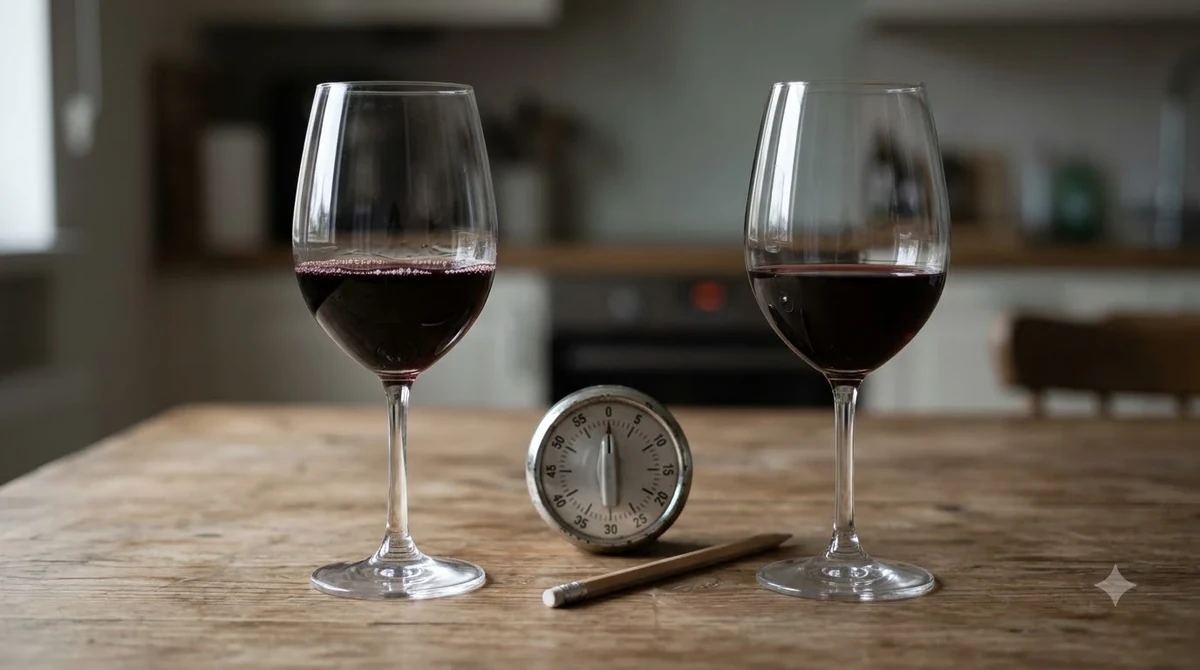
Tip: Sangiovese is best served slightly cool, around 60 to 68°F (15 to 20°C). Serve it a few minutes after opening so the aromas can open up.
How to Serve Wine With Spaghetti
Serve red wine at a cool room temperature, not warm, so the acidity stays fresh against the tomato. Decanting for about thirty minutes can soften a young, firm red, though many casual bottles do not need it. For white wine with pasta, keep the bottle in the fridge until just before dinner.
Match the wine to the sauce, then add a simple side such as a green salad or grilled vegetables. Heavier sides, like fried appetizers, can make a light red taste thin, so keep the menu simple when you are pouring a delicate bottle.
Pasta Texture and Wine Weight
Spaghetti is a long, thin pasta, and it carries sauce differently from a thick shape like rigatoni. Thin strands hold a light oil or a delicate tomato sauce well, so a crisp white or a light red keeps the balance. A heavier, meat-filled sauce coats the strands more thickly, and that richness asks for a red with more body and enough acidity to stay fresh.
The texture of the dish also matters. Al dente spaghetti has a firm bite, which pairs well with a wine that has clean acidity. Overcooked pasta is softer and can taste heavy, so a lighter wine often works better with it. Serve the wine at the same time the pasta comes off the stove, so the two arrive at the table together.
Building a Spaghetti Dinner Around the Wine
Pasta nights are also a good time to explore a region. A Chianti from Tuscany, a Barbera from Piedmont, or a Montepulciano from central Italy all bring a different balance of fruit and acidity to the same tomato sauce. Tasting two bottles side by side shows how much the grape and the growing region change the match. Keep notes on what you liked, and the next pasta night will be easier to plan. A few minutes of comparison at the table is often the fastest way to learn what your household prefers.
A simple menu makes the wine stand out. Start with a small plate of olives, bread, or a fresh salad with lemon dressing, and pour a crisp white while the pasta cooks. Then move to the main pasta with a red that matches the sauce. Finish with fruit or a light dessert, since heavy sweets can make a dry red taste thin.
For a larger group, serve two wines so guests can choose. A white and a red covers almost every sauce on the menu, and a bottle of sparkling water on the table keeps the meal relaxed. This setup also makes it easier to switch from a simple tomato sauce to a richer meat ragù without buying a whole new set of bottles.
Frequently Asked Questions
What is the best red wine with spaghetti and tomato sauce?
Sangiovese or Chianti is the most reliable choice. Its high acidity balances the tomato, and its herbal notes suit basil and oregano.
Can I drink white wine with spaghetti?
Yes, especially with oil-based, pesto, or cream sauces. A crisp white like Vermentino or Pinot Grigio suits lighter dishes, and a lightly oaked Chardonnay works with richer creamy pasta.
What wine goes with spaghetti bolognese?
A medium-bodied red with good acidity, such as Chianti Classico or Barbera, pairs well with the meat and tomato. Avoid very tannic wines, which can taste harsh next to the sauce.
Should I use wine when cooking spaghetti sauce?
A splash of the same wine you plan to serve can add depth to the sauce. Use a bottle you would drink, since cooking does not remove the flavor of a poor wine.
Spaghetti is an easy meal to pair once you know the sauce. For the basic principles of matching acidity and body, see the wine pairing guide. If you are planning a larger Italian dinner, the best wine with lasagna covers similar tomato and meat sauces, and the fall sangria recipe is a crowd-friendly option for a cool evening.
To learn more about Sangiovese’s acidity and its pairing with tomato and herb-driven dishes, see the Wine Folly Sangiovese guide.
More in Food & Wine Pairing
 Risotto With White Wine Recipe: Make a Creamy Dinner at HomeUpdated Nov 20, 2026
 Wassail With Wine Recipe for a Festive Spiced Holiday DrinkUpdated Nov 20, 2026
 Spritz Veneziano Recipe: Make a Classic Venetian Aperitivo at HomeUpdated Nov 20, 2026
 Summer Wine Punch Recipe for Easy Homemade EntertainingUpdated Nov 20, 2026
 Bishop Recipe: How to Make a Bright, Citrus-Forward Red Wine CocktailUpdated Nov 20, 2026
 Wine Cupcakes Recipe: Bake Rich Chocolate Cupcakes at HomeUpdated Nov 20, 2026