

We may earn a commission when you buy through links on this page, at no extra cost to you. Learn more.
Chianti classico wine comes from the historic core of Chianti in Tuscany, Italy, and it is marked by the black rooster seal, the Gallo Nero, on its neck label. The wine is built mainly on Sangiovese, and it tends to show red cherry, dried herbs, and firm acidity. Learning to read the seal and the zone name is the fastest way to know you are buying the classic style rather than a broader Chianti.
Chianti classico is one of the most recognizable names in Italian wine, yet many shoppers still mix it up with the wider Chianti label. This guide explains where the wine comes from, what the Gallo Nero seal means, how the flavor compares with other Tuscan reds, and which bottles to look for when you want a dependable dinner wine.
Where Chianti Classico Comes From
Chianti classico is named for the original, historic heart of the Chianti area. According to the Chianti Classico consortium, the zone covers about 71,800 hectares, or roughly 177,500 acres, and it is shared between the provinces of Siena and Florence. The zone includes the communes of Castellina in Chianti, Gaiole in Chianti, Greve in Chianti, and Radda in Chianti, along with parts of several neighboring towns. Those hills are the reason the name carries weight: a bottle that says Chianti classico must come from this defined area, not from anywhere in the broader Chianti region.
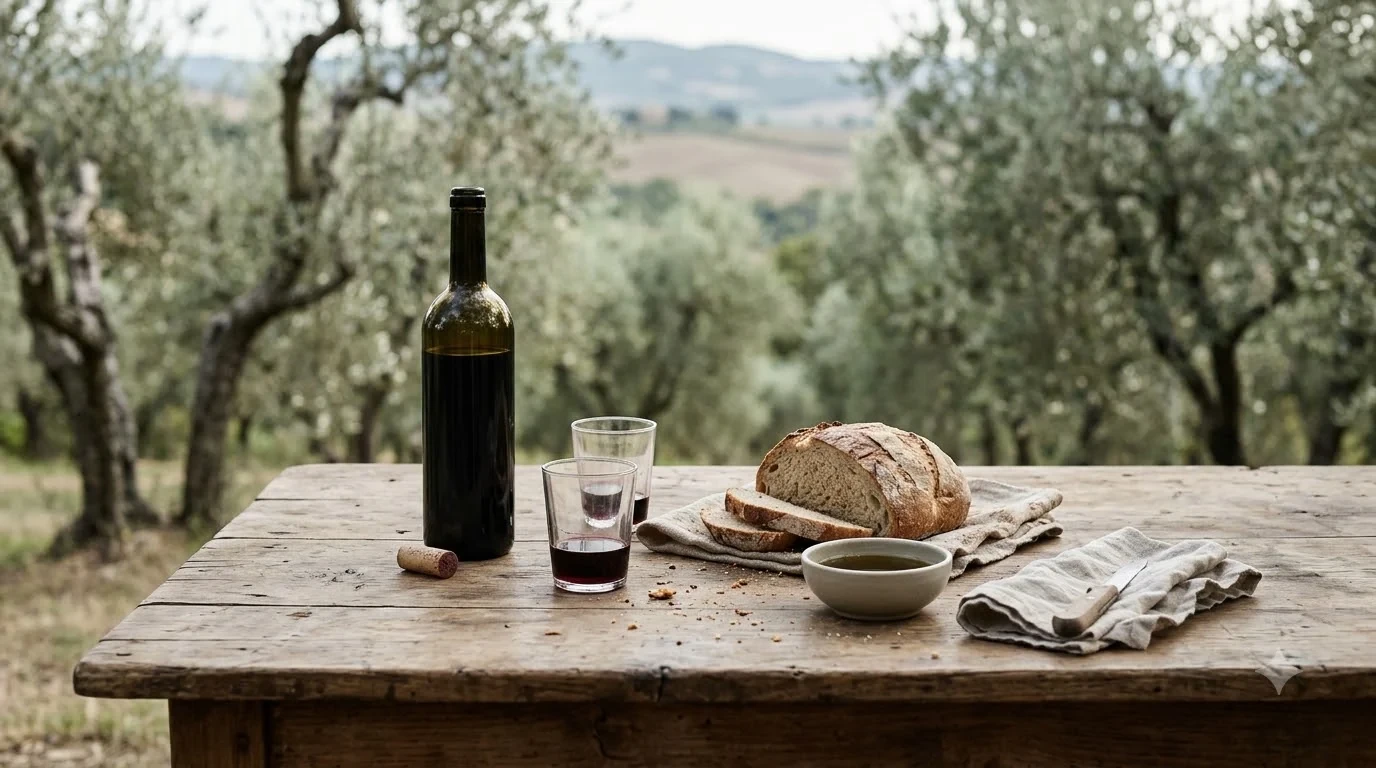
The region is a mix of hillside vineyards, olive groves, and woodland, with a range of soils and elevations. That variety is one reason producers talk about the zone as a set of distinct villages and sites rather than a single uniform terroir. For a broader look at Italian wine geography, our guide to Italy wine covers the main regions and grapes in one place.
What the Gallo Nero Seal Means
The black rooster, or Gallo Nero, is the symbol of the Chianti classico consortium, and it appears on bottles that meet the consortium’s standards. Look for it on the neck label or the front of the bottle. The seal is the clearest signal that the wine comes from the classic zone and was produced under the group’s production rules, which are stricter than those for the broader Chianti label.
The seal does not tell you how sweet or heavy a wine will be. It tells you where it was grown and that the producer followed the regional rules. Two bottles with the seal can still taste quite different, because producers vary in oak use, ripeness, and winemaking style. Treat the seal as a starting point and use the vintage and producer to narrow your choice.
Sangiovese and the Flavor Profile
Sangiovese is the grape at the heart of Chianti classico, and it is the main reason the wine tastes the way it does. The grape produces wines with bright red fruit, such as cherry and red plum, along with herbal and savory notes that many people describe as dried herbs, tomato leaf, or leather as the wine ages. Acidity is usually lively, which is why Chianti classico tends to feel fresh even when the fruit is generous.
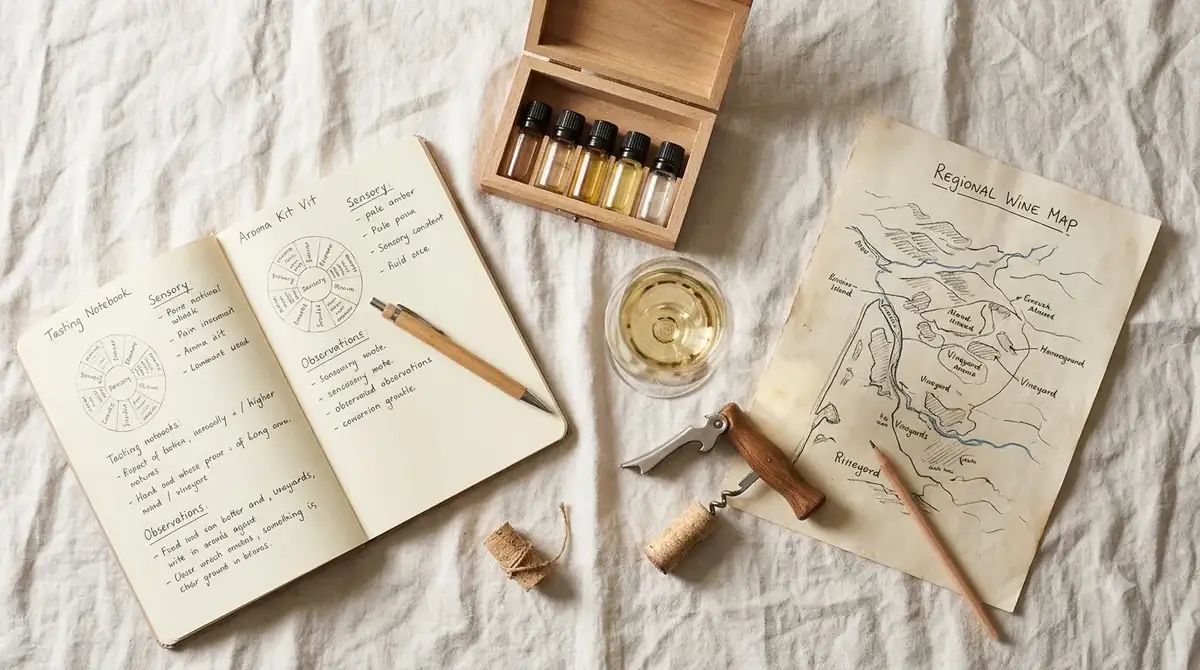
Tannins are firm but usually not as aggressive as in a big Cabernet. That balance is what makes the wine a good match for food. Younger bottles show more fruit and a sharper edge, while older bottles soften and show more earth, spice, and dried fruit. The style can range from easy-drinking everyday bottles to structured wines meant for longer cellaring, so the producer’s tier matters.
Riserva and Gran Selezione Tiers
Chianti classico is sold in several tiers, and the label will show which one you are buying. The base bottling is the everyday wine, usually ready to drink within a few years of release. Riserva wines are aged longer before release and tend to offer more depth and structure. Gran Selezione sits above Riserva and is designed to represent the top expression of a producer’s estate fruit, usually with longer aging.
Because the rules and aging times are set by the consortium, check the label rather than relying on the producer’s marketing copy. If you are buying for a special meal, a Riserva or Gran Selezione can justify the step up. For a weeknight dinner, a standard Chianti classico often gives the best value because its fresh fruit and acidity suit simple dishes well.
Chianti Classico Compared With Other Tuscan and Bordeaux Styles
If you already enjoy Bordeaux, Chianti classico is a useful comparison. Both are dry red wines with serious structure, but the Italian bottle usually leans on acidity and savory herbs where a Bordeaux blend may lean on blackcurrant and oak. Chianti classico is often lighter on the palate, which can make it easier to pair with tomato sauces, grilled meats, and vegetable dishes. For a French reference point, our guide to Bordeaux wine shows how that style differs.
Compared with other Tuscan reds, Chianti classico is the most traditional expression of Sangiovese in the region. Brunello and Vino Nobile have their own rules and identities, and they are built on different clones, zones, or blends. If you want the classic Sangiovese character at a moderate price, Chianti classico is one of the most direct ways to find it.
How to Serve and Pair Chianti Classico
Serve Chianti classico slightly cool rather than warm, so the fruit stays lively and the acidity does not feel flat or heavy. A short time in the refrigerator before pouring can help if the room is warm. Decanting is optional for young bottles, though a brief pour into a decanter can soften the first impression of a tighter wine.
The wine’s acidity and savory character make it a strong food partner. Tomato-based pasta, pizza, roast chicken, grilled sausage, and aged cheeses such as Parmigiano-Reggiano are classic matches. Mushroom dishes and herb-roasted vegetables also suit it. A rich, buttery sauce may overwhelm the wine’s fresh edge, so pair it with simpler, savory food.
How to Choose a Good Bottle
Start with the vintage and the producer. A recent vintage from a respected estate will usually show the fruit and balance that define the style. Read the label for the Gallo Nero seal, the classico designation, and the tier, since those tell you more than the price or the decorative bottle. If a shop describes the wine, look for words such as “bright,” “structured,” or “savory,” which tend to match the classic profile.
When you are new to the style, a standard bottle from a well-known producer is a safe place to begin. Once you know what you like, compare a Riserva from the same estate to see how aging changes the wine. For more on regions and how they shape flavor across Italy and beyond, our wine regions section gives a plain-language overview.
Chianti classico is also a good wine to buy by the case for everyday meals. The combination of fresh fruit, gentle tannins, and food-friendly acidity makes it versatile, and the Gallo Nero seal gives a reliable starting point when you shop.
Frequently Asked Questions
What is the difference between Chianti and Chianti classico?
Chianti classico comes from the historic core of the Chianti area and is marked with the black rooster seal. The wider Chianti label covers a larger region with different rules. Classico bottles are generally the more focused and traditional expression of the wine.
What does the Gallo Nero on a bottle mean?
The black rooster is the emblem of the Chianti classico consortium. It appears on bottles that meet the consortium’s standards and come from the classic zone. It is the quickest way to confirm the bottle is a classico wine.
Is Chianti classico the same as Sangiovese?
Not exactly. Sangiovese is the main grape in Chianti classico and gives the wine its character, but the label describes a place and a set of production rules. Sangiovese can also appear in other Italian wines under different names.
Should I decant Chianti classico?
Decanting is optional. A young bottle can benefit from a short pour into a decanter, which softens a tight first impression. Older Riserva bottles may throw sediment, so decant them carefully and avoid stirring up the bottom of the bottle.
Chianti classico rewards a little attention to the label. Look for the rooster, choose a vintage from a producer you trust, and serve the wine with food that matches its savory, bright character.
More in Wine Regions
 Willcox Wine Trail: Discover Arizona’s High-Elevation Wine CountryUpdated Nov 20, 2026
 Yakima Valley Wine Region: Find the Best Styles to TryUpdated Nov 20, 2026
 Vosne Romanee Wine Tasting: Identify Aromas and Choose Better PairingsUpdated Nov 20, 2026
 Yakima Valley Wine Festival: Find the Best Seasonal Wine EventsUpdated Nov 20, 2026
 Wales Vineyards: Discover Cool-Climate Wines and Where to VisitUpdated Nov 20, 2026
 Yountville Wine Festival: Discover Napa Wines and Local FoodUpdated Nov 20, 2026