

We may earn a commission when you buy through links on this page, at no extra cost to you. Learn more.
Chateauneuf du pape food pairing works best with roasted lamb, braised beef, duck, game, and hearty Mediterranean dishes that complement the wine’s ripe fruit, savory herbs, and substantial structure. Red Châteauneuf-du-Pape is particularly well suited to rich meats, slow-cooked stews, grilled vegetables, and aged cheeses. White Châteauneuf-du-Pape offers a different approach, pairing beautifully with roasted poultry, creamy seafood dishes, mushrooms, and richer fish preparations. Matching the wine’s body, acidity, and maturity to the food makes each combination more successful.
Châteauneuf-du-Pape is one of the Southern Rhône’s most recognizable wine appellations. Its wines combine Mediterranean warmth with generous fruit, herbal complexity, and considerable variation between producers and vintages. The red wines are natural companions for traditional French cooking, but their versatility extends to American barbecue, Mediterranean vegetables, and international dishes. Understanding the differences between red and white expressions will help you choose the right bottle for dinner.
Understanding Châteauneuf-du-Pape Before Choosing Food
Châteauneuf-du-Pape is a full-bodied Southern Rhône wine appellation known for expressive red blends, although it also produces distinctive white wines. Its combination of ripe fruit, savory character, and varied tannin levels explains why it works particularly well with flavorful food.
Red Châteauneuf-du-Pape traditionally relies on Grenache, Syrah, and Mourvèdre, although the appellation permits 13 grape varieties. Grenache generally provides generous red-fruit flavors, warmth, and body. Syrah contributes structure, darker fruit, and peppery notes, while Mourvèdre can add earthy complexity, darker flavors, and additional tannic grip. Cinsault and other permitted varieties can further influence the finished blend.
These wines often show ripe cherry, raspberry, plum, blackberry, dried herbs, licorice, pepper, and earthy or leather-like characteristics as they develop. Some bottles are relatively approachable and fruit-driven, while others have firmer tannins, concentrated flavors, and the structure to develop over many years. That variation matters at the dinner table: a younger, fruit-forward bottle can accompany grilled sausages or roast chicken, while a structured, mature example can handle slow-braised beef and game.
The appellation’s terroir also helps explain its range of styles. According to the official Châteauneuf-du-Pape appellation organization, the vineyard contains limestone, sandstone, sandy soils, clay, and rounded Alpine pebbles. The pebbles absorb warmth during the day and release it toward the vines, while sandy soils can contribute more delicate textures and silky tannins. These differences influence the character of individual wines.
Berry Bros. & Rudd highlights Grenache’s contribution to the blend, with Syrah supplying structure and Mourvèdre adding complexity. Its Châteauneuf-du-Pape food and wine recommendations include braised lamb, game casseroles, ratatouille, and other Mediterranean dishes.
White Châteauneuf-du-Pape deserves equal consideration. Grenache Blanc, Clairette, and Roussanne are among the varieties used in white blends. These wines can offer generous textures, floral aromas, stone fruit, citrus, and herbal notes. Their body makes them more suitable for substantial seafood and poultry dishes than many lighter, sharply acidic white wines.
Before selecting a meal, consider three basic characteristics:
- Body: Full-bodied wines need dishes with enough flavor and substance to stand alongside them.
- Tannin: Tannic reds benefit from protein, salt, and fat, which soften their drying sensation.
- Fruit and herbs: Ripe fruit and Mediterranean herbal notes complement roasted meats, olives, tomatoes, mushrooms, and grilled vegetables.
Lamb and Beef Are the Best Matches for Red Châteauneuf-du-Pape
Lamb and beef are the most dependable meat pairings for red Châteauneuf-du-Pape because their rich flavors, proteins, and natural fats complement the wine’s ripe fruit and tannic structure. Roasting, grilling, and slow braising are particularly effective cooking methods.
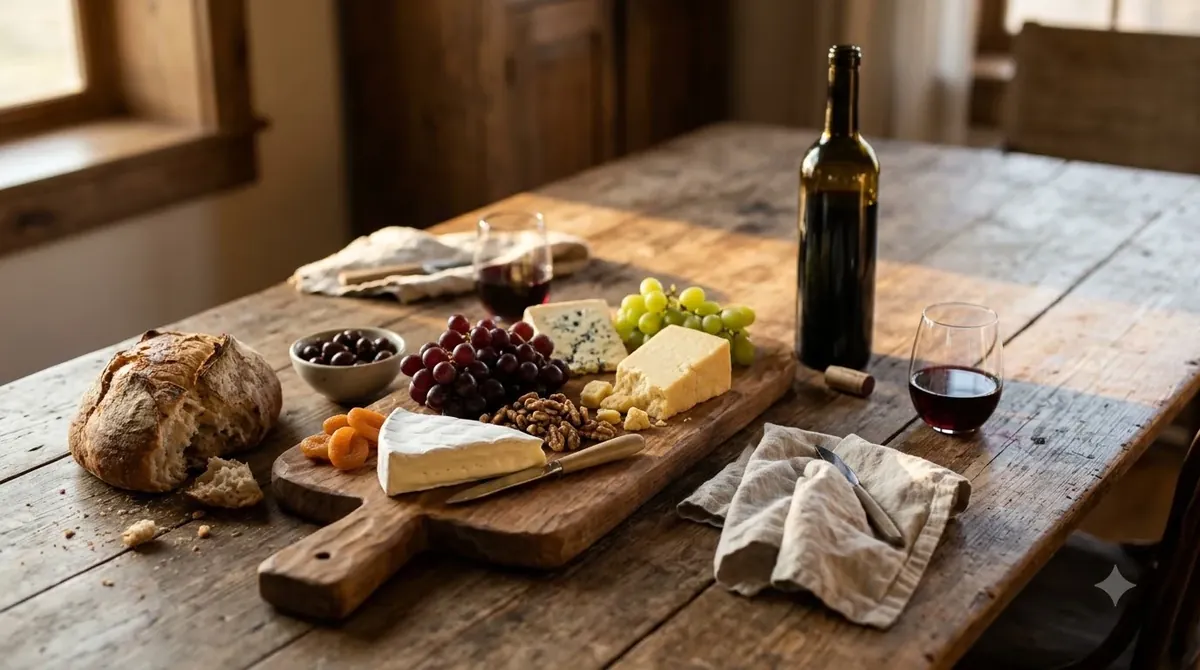
Roasted lamb shoulder is an especially strong choice. Slow roasting develops a tender texture and concentrates the meat’s savory flavors, creating a satisfying match for Grenache-led wines. Season the lamb with rosemary, thyme, garlic, black pepper, and olive oil. These ingredients echo the dried-herb and savory characteristics frequently found in Southern Rhône reds.
A traditional Provençal-style lamb shoulder can be prepared with garlic cloves inserted into the meat, fresh rosemary, and a little olive oil. Roast it slowly until tender, then serve with roasted potatoes and pan juices. A younger Châteauneuf-du-Pape with generous red-fruit flavors works particularly well because its fruit balances the meat’s richness.
Grilled lamb chops offer a simpler alternative. Their browned exterior and juicy interior work well with wines showing pepper, cherry, and herbal notes. A preparation with rosemary, garlic, and cracked black pepper is preferable to an overly sweet glaze. The wine should have enough concentration to stand up to the char from the grill.
Braised beef short ribs are another excellent match. Their gelatin-rich texture and deep savory flavors complement the weight and structure of a full-bodied red. Cook them slowly with beef stock, carrots, onions, celery, thyme, and a modest amount of tomato paste. The resulting sauce provides a natural bridge between the wine and the dish.
Beef daube, a traditional Provençal beef stew, is particularly appropriate. The beef cooks slowly in wine and stock with vegetables and aromatic herbs until tender. Serve it with mashed potatoes, buttered noodles, or crusty bread. A mature Châteauneuf-du-Pape with developed savory notes can complement the sauce without being overwhelmed by it.
Other meat dishes worth considering
- Beef Wellington: The beef, mushrooms, pastry, and savory filling provide enough richness for a structured red.
- Roast beef: Serve medium-rare slices with roasted root vegetables and a thyme-infused pan sauce.
- Beef brisket: Slow-cooked brisket with black pepper and savory herbs works especially well with fruit-forward Grenache blends.
- Grilled ribeye: Its marbling softens the perception of tannin, while the browned crust adds savory depth.
- Roast pork shoulder: A lightly seasoned preparation with garlic and rosemary suits a softer, fruitier red.
Cooking technique influences the match as much as the meat itself. Grilled and roasted dishes create browned, savory flavors, while slow-braised dishes develop concentrated sauces and tender textures. Both approaches suit Châteauneuf-du-Pape, but particularly rich sauces call for a wine with enough concentration to maintain its presence.
Tip: For a reliable dinner-party combination, serve garlic-and-rosemary lamb shoulder with roasted potatoes and a young red Châteauneuf-du-Pape. The meat’s richness, the herbs, and the wine’s ripe fruit create a balanced pairing without complicated preparation.
Poultry, Duck, and Game Offer Excellent Alternatives
Duck, roast chicken, pigeon, and game birds are excellent companions for Châteauneuf-du-Pape, particularly when roasted or prepared with mushrooms and savory sauces. The key is to match the intensity of the meat and sauce to the concentration and maturity of the wine.
Roast duck is one of the most satisfying alternatives to lamb. Duck has richer meat than chicken, with a distinctive flavor that works well alongside Grenache’s ripe fruit and the herbal character of the Southern Rhône. Serve duck breast with roasted potatoes, mushrooms, or a restrained cherry sauce.
Duck confit is another particularly effective choice. The slow-cooked duck develops a tender interior and a crisp exterior when finished in a hot pan. Its natural fat helps soften the sensation of tannin in the wine. Pair it with white beans, sautéed greens, or roasted root vegetables for a substantial meal.
Fruit-based sauces can work, but restraint is important. A lightly reduced cherry or plum sauce can complement the wine’s fruit profile. A very sweet sauce, however, may make the wine taste harsher and less balanced. Keep the sauce savory, with fruit providing an accent rather than dominating the dish.
Roast chicken is a flexible option, especially with a younger, softer red. Season a whole chicken with garlic, thyme, rosemary, lemon zest, and olive oil. Serve it with pan-roasted potatoes and mushrooms. The browned skin and concentrated cooking juices provide enough flavor to accompany a medium-bodied or approachable Châteauneuf-du-Pape.
For a richer preparation, consider chicken cooked with mushrooms and cream. A white Châteauneuf-du-Pape is often the better choice for this combination because its fuller texture complements the sauce without introducing the same tannic contrast as a red.
Game and richer poultry preparations
Game meats are particularly attractive partners for mature Châteauneuf-du-Pape. Pheasant, venison, wild boar, and pigeon have savory characteristics that can complement wines with developed spice, earthy notes, and more integrated tannins.
- Roasted pigeon: Serve with mushrooms, roasted shallots, and a savory reduction. Young, concentrated reds can work particularly well.
- Pheasant: Roast with thyme and garlic, then serve with wild mushrooms or root vegetables.
- Venison stew: Slow-cooked venison with juniper, carrots, onions, and stock pairs well with mature, structured reds.
- Wild boar ragout: Its rich, gamey flavor and tomato-based sauce suit wines with earthy complexity.
- Roast turkey: A fruit-forward red can complement browned skin, herb stuffing, and savory gravy.
Age is an important consideration. A young red with noticeable tannins and energetic fruit may be preferable for simply roasted poultry, while an older bottle with developed savory characteristics can better complement game and complex sauces. The goal is to avoid overwhelming a delicate bird with an excessively powerful wine.
For another Southern Rhône option, explore Côtes du Rhône food pairing ideas. Many of the same ingredients work with both wines, although individual Côtes du Rhône bottlings often offer a different balance of body, concentration, and tannin.
Mediterranean Vegetables and Hearty Vegetarian Dishes
Châteauneuf-du-Pape is not limited to meat-based meals. Roasted aubergine, ratatouille, mushrooms, lentils, tomatoes, and white beans provide the savory depth needed to complement its fruit and structure.
Provençal cooking is a natural source of inspiration because it uses many of the same herbs and ingredients associated with Southern Rhône wine. Olive oil, garlic, thyme, rosemary, eggplant, tomatoes, zucchini, and olives create flavors that connect naturally with the wine’s herbal and ripe-fruit character.
Ratatouille is one of the strongest vegetarian choices. This traditional Provençal vegetable preparation combines eggplant, zucchini, tomatoes, peppers, onions, garlic, and olive oil. Slow cooking brings the ingredients together, producing a soft texture and concentrated savory flavor.
Serve ratatouille as a main course with crusty bread, or use it as a side dish for roasted lamb. A young, fruit-forward Châteauneuf-du-Pape can complement the tomatoes and herbs, while the olive oil and cooked vegetables help provide a satisfying texture alongside the wine.
Roasted eggplant is another reliable option. Its creamy interior and lightly charred exterior provide a savory base for Mediterranean seasonings. Add garlic, thyme, smoked paprika, and olive oil, then roast until tender. A preparation with chickpeas or lentils makes the dish more substantial.
Mushroom dishes are especially useful with more mature reds. Mushrooms have earthy, savory characteristics that can complement developed wine aromas. Try roasted portobello mushrooms with thyme and garlic, mushroom risotto, or a lentil-and-mushroom casserole.
Hearty vegetarian main courses
- White bean cassoulet: Slow-cooked beans with tomatoes, herbs, garlic, and vegetables provide a substantial base for a fruit-forward red.
- Lentil moussaka: Layer lentils, eggplant, tomato sauce, and a creamy topping for a rich Mediterranean-style dish.
- Shakshuka: Eggs cooked in a tomato, pepper, onion, and spice sauce can work with a softer, fruitier red.
- Stuffed bell peppers: Fill peppers with rice, lentils, mushrooms, tomatoes, and herbs for a savory combination.
- Grilled vegetables: Eggplant, zucchini, peppers, and onions develop browned flavors that complement the wine.
- Herbed mushroom tart: Mushrooms, caramelized onions, and thyme in a pastry crust make a satisfying companion.
Berry Bros. & Rudd specifically recommends ratatouille, Provençal sausage ragout, bean cassoulet, lentil moussaka, and shakshuka as possible matches for Châteauneuf-du-Pape. These examples demonstrate that the wine can accompany substantial vegetable dishes rather than requiring a steak or roast.
When preparing vegetarian food, pay attention to intensity and texture. A delicate steamed vegetable dish may disappear beside a powerful red, whereas roasted eggplant, mushrooms, beans, and lentils offer enough savory substance to create a more balanced combination.
Cheese, Seafood, and White Châteauneuf-du-Pape Pairings
Cheese and seafood can both work with Châteauneuf-du-Pape, but the choice of wine color and preparation makes a substantial difference. Mature reds generally favor firm, flavorful cheeses, while white Châteauneuf-du-Pape is often the more versatile option for fish, shellfish, and creamy dishes.
Cheese for red Châteauneuf-du-Pape
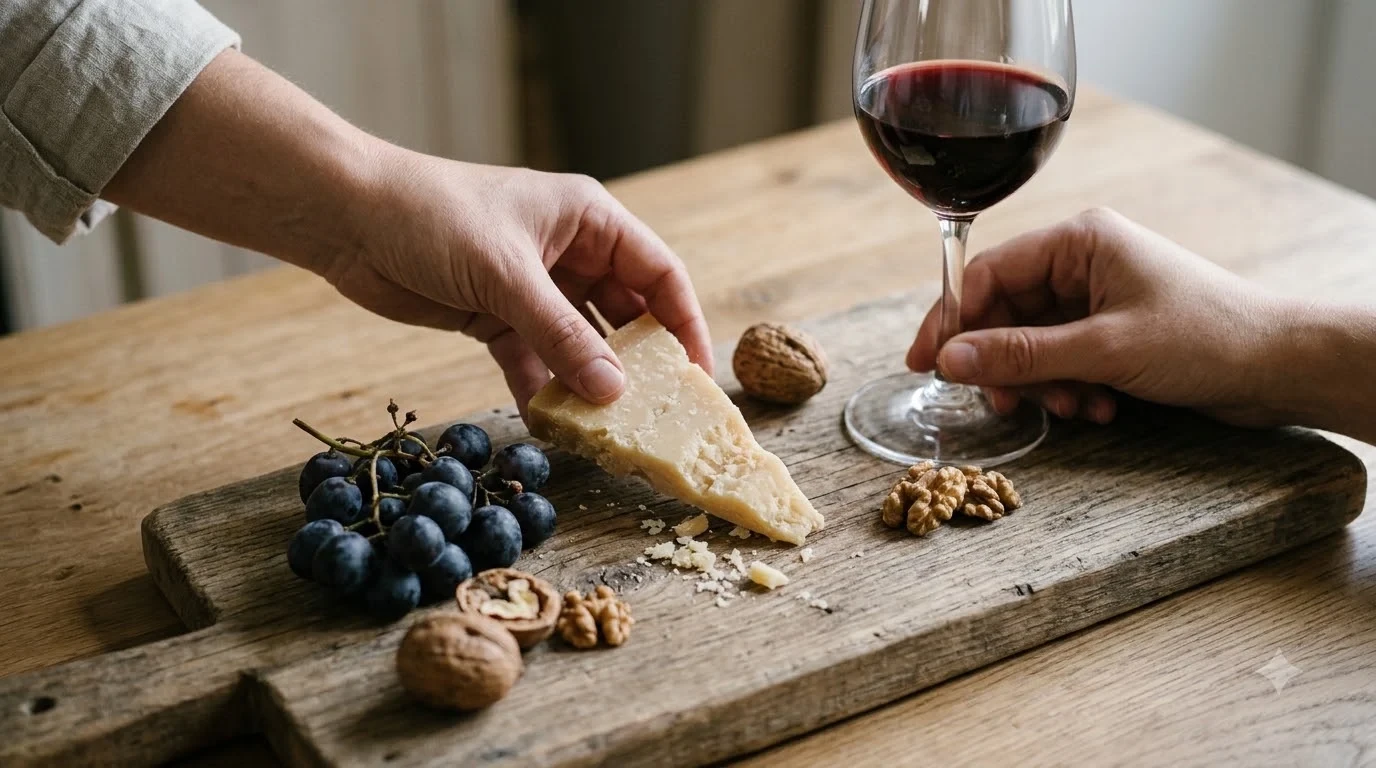
Hard and semi-hard cheeses are useful starting points. Their savory flavors and fat content can balance the structure of a red wine, particularly one with noticeable tannins. Consider aged Comté, mature Gouda, and aged Cheddar for a cheese board.
Other suitable choices include:
- Mature Comté: Nutty, savory flavors complement the wine’s developed fruit and herbal notes.
- Aged Gouda: Its concentrated, slightly caramelized character suits richer reds.
- Aged Cheddar: Firm texture and pronounced flavor work with structured wines.
- Sheep’s milk cheeses: A firm, mature sheep’s milk cheese can complement the wine’s Mediterranean character.
- Firm goat cheese: More mature examples can work with a softer, fruit-forward red.
Very mild fresh cheeses are less reliable with powerful reds because they can taste overwhelmed. Similarly, extremely salty blue cheeses may create an unbalanced contrast with some wines. Choose a cheese with enough flavor and texture to remain present without overpowering the wine.
White Châteauneuf-du-Pape with seafood
White Châteauneuf-du-Pape can have a fuller body than many familiar seafood whites. Depending on the blend and winemaking approach, it may show floral aromas, stone fruit, citrus, herbs, and a rounded texture. This makes it especially suitable for richer seafood preparations.
- Scallop risotto: Creamy rice, seared scallops, butter, and herbs complement the wine’s weight.
- Roasted salmon: Serve with lemon, fennel, and olive oil for a balanced combination.
- Trout in parchment: Cook with herbs, lemon, and vegetables to preserve moisture and freshness.
- Seafood pasta: A light cream or herb sauce can complement a fuller-bodied white.
- Chicken with morel mushrooms: Earthy mushrooms and creamy sauce make a natural match for a textured white.
- Roasted lobster: Butter, garlic, and restrained seasoning can work with a rich white blend.
White Châteauneuf-du-Pape also works with veal in a creamy sauce and roasted chicken with mushrooms. The important consideration is texture: a full-bodied white is better suited to substantial dishes than to very delicate seafood preparations with little seasoning.
Red Châteauneuf-du-Pape can accompany some seafood dishes, particularly richly seasoned Mediterranean fish, but it requires more care. Light, delicate fish preparations can be overwhelmed by tannin and alcohol. Oily fish can also clash with tannic reds. A white wine is generally the safer choice for salmon, trout, and shellfish.
For a lighter alternative with seafood, see Albariño food pairing recommendations. Albariño’s high acidity and fresh citrus character make it especially useful with shellfish and simply prepared fish.
Serving Temperature, Wine Age, and Foods to Avoid
Serving temperature and bottle maturity influence how Châteauneuf-du-Pape performs with food. Serve red wines slightly below typical warm room temperature, allow younger structured bottles time to breathe, and choose dishes that do not exaggerate alcohol, tannin, or sweetness.
Red Châteauneuf-du-Pape generally shows best around 60–65°F, depending on its structure and age. Serving it too warm can emphasize alcohol and make the wine feel heavier. A short period in the refrigerator before serving can bring a warm bottle into a more suitable range.
White Châteauneuf-du-Pape is generally better served around 50–55°F when full-bodied. This temperature preserves freshness while allowing the wine’s aromas and texture to show. Avoid serving a rich white directly from an extremely cold refrigerator, where its flavors can seem muted.
| Wine style | Serving temperature | Useful food matches |
|---|---|---|
| Young red Châteauneuf-du-Pape | 60–65°F | Lamb chops, roast chicken, grilled vegetables |
| Mature red Châteauneuf-du-Pape | 60–65°F | Beef daube, venison, game, aged cheese |
| Full-bodied white Châteauneuf-du-Pape | 50–55°F | Scallop risotto, roasted salmon, poultry |
| Young, fruit-forward red | 60–65°F | Barbecue, pork shoulder, ratatouille |
These temperatures are practical serving targets rather than rigid rules. A particularly powerful red may benefit from the cooler end of the range, while an aromatic white may show more clearly toward the warmer end.
Adjusting for the wine’s age
Young Châteauneuf-du-Pape often displays fresh red and black fruit, pepper, herbs, and noticeable tannin. It generally works well with straightforward preparations such as grilled lamb, roast pigeon, barbecued beef, and ratatouille.
Older bottles can develop more complex savory characteristics, including leather, dried herbs, earth, spice, and evolved fruit. Their tannins may become more integrated, making them particularly attractive with game, slow-cooked meats, and mushroom-based dishes.
For a young full-bodied red, consider decanting for approximately 30–60 minutes before serving. This can help the wine open up and soften its initial impression. Older bottles require more care because prolonged exposure to air can diminish delicate aromas. If sediment is present, careful decanting can separate the clear wine from the deposit.
Food combinations that are less successful
Even a powerful Southern Rhône red has limitations. The following dishes can create difficult contrasts:
- Very spicy chili dishes: High alcohol and tannin can amplify the sensation of chili heat. Choose milder seasonings or a different wine style.
- Delicate white fish: A powerful red can overwhelm the fish’s subtle flavor and texture.
- Oily fish with tannic reds: Salmon and similar fish are generally safer with white Châteauneuf-du-Pape or another high-acidity white.
- Very sweet sauces: A sweet glaze can make a dry red taste more bitter or acidic.
- Light salads with sharp vinaigrette: Delicate ingredients and pronounced acidity can make a full-bodied red seem heavy and unbalanced.
- Extremely hot barbecue sauces: Intense chili heat can exaggerate the wine’s alcohol and tannin.
Acidity matters too. Tomato-based meals and other acidic dishes are generally more successful when the wine has enough acidity to match them. Salt and fat help soften tannin, which explains why a rich beef stew or well-marbled steak can work so well.
For a wider selection of practical combinations, explore our Wine Pairing resource. It explains how body, acidity, sweetness, tannin, and food preparation affect the final match.
Frequently Asked Questions
Is Châteauneuf-du-Pape always made from Grenache?
No. Grenache is a major variety, but the appellation permits 13 grape varieties. Producers can combine varieties in different proportions, and some wines use unusually high proportions of a single grape. This is one reason two bottles from the same appellation can have noticeably different flavor profiles.
Can Châteauneuf-du-Pape be made as rosé?
No. The Châteauneuf-du-Pape AOC covers still red and white wines, not rosé or sparkling wines. Rosé produced in the surrounding Southern Rhône region must use a different appellation designation. Tavel is one nearby appellation particularly associated with rosé production.
What does the coat of arms on a Châteauneuf-du-Pape bottle represent?
The distinctive emblem depicts a papal tiara above the keys of Saint Peter. The bottle design was introduced by the local winegrowers’ association in 1937 to distinguish wines associated with the appellation. The emblem became an important visual symbol of Châteauneuf-du-Pape’s identity and winegrowing heritage.
What is the difference between Châteauneuf-du-Pape and Gigondas?
Both are Southern Rhône appellations, but they are separate geographical designations with their own production rules and vineyard conditions. Châteauneuf-du-Pape is associated with a wider range of permitted varieties and its distinctive mix of rounded pebbles, sandy soils, and limestone. Gigondas is another important source of structured Southern Rhône reds, often featuring Grenache-led blends.
Can Châteauneuf-du-Pape be used for cooking?
Yes. A modest amount of red Châteauneuf-du-Pape can be used in beef daube, lamb stew, and other slow-cooked dishes. However, using an expensive or particularly mature bottle for cooking is rarely necessary. A straightforward dry red with compatible fruit and savory characteristics is usually sufficient for a cooking sauce.
Châteauneuf-du-Pape is at its best with food that matches its richness, whether that means rosemary-roasted lamb, slow-braised beef, duck confit, ratatouille, or a hearty mushroom dish. White Châteauneuf-du-Pape opens up another set of possibilities, particularly with seafood, poultry, and creamy preparations. Start with the wine’s color, body, tannin, and age, then choose ingredients that complement those characteristics for a memorable meal.
More in Food & Wine Pairing
 Risotto With White Wine Recipe: Make a Creamy Dinner at HomeUpdated Nov 20, 2026
 Wassail With Wine Recipe for a Festive Spiced Holiday DrinkUpdated Nov 20, 2026
 Spritz Veneziano Recipe: Make a Classic Venetian Aperitivo at HomeUpdated Nov 20, 2026
 Summer Wine Punch Recipe for Easy Homemade EntertainingUpdated Nov 20, 2026
 Bishop Recipe: How to Make a Bright, Citrus-Forward Red Wine CocktailUpdated Nov 20, 2026
 Wine Cupcakes Recipe: Bake Rich Chocolate Cupcakes at HomeUpdated Nov 20, 2026