

We may earn a commission when you buy through links on this page, at no extra cost to you. Learn more.
Barolo with steak is an excellent pairing because Nebbiolo’s firm tannins and bright acidity balance the meat’s fat while its savory, earthy flavors complement a browned crust. The best match is usually a simply seasoned ribeye, strip steak, or other richly flavored cut, grilled or pan-seared. Serve the wine slightly cool for a full-bodied red, give a young bottle time to breathe, and let the steak’s salt and fat soften the wine’s grip.
Barolo comes from Piedmont in northwestern Italy and is made entirely from Nebbiolo. It can look relatively pale in the glass, yet its combination of high acidity, assertive tannin, and layered aromas gives it enough structure for a substantial steak dinner. The pairing works best when the steak is savory rather than sweet, the sides are not too acidic, and the wine has enough air and room temperature control to show its detail.
Why Barolo Works So Well With Steak
Barolo and steak succeed together because each brings something the other needs: the wine supplies acidity and tannin, while the meat supplies fat, salt, protein, and roasted flavor. This is especially effective with a marbled steak such as ribeye, where the richness of the meat can make a structured red wine feel more balanced.
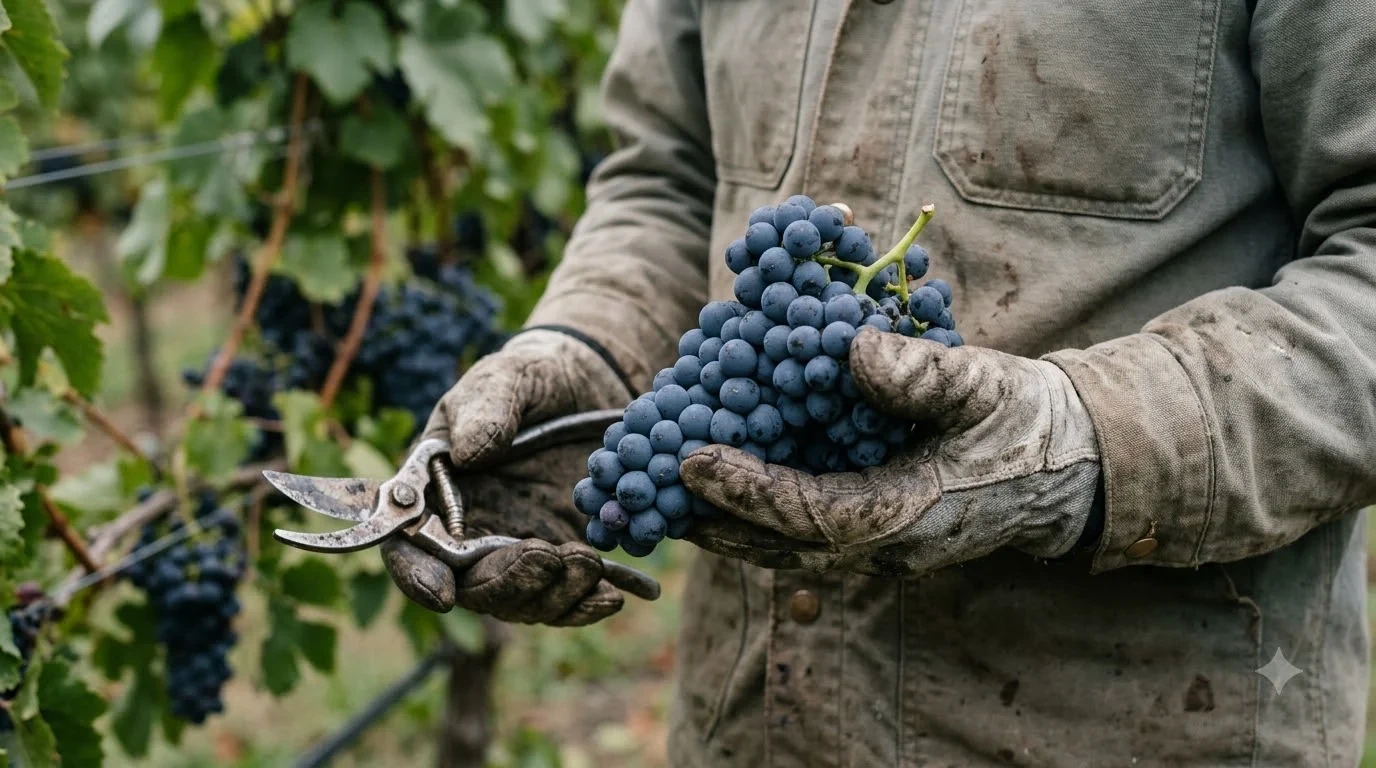
Barolo is made from 100% Nebbiolo, a grape known for high acidity and powerful tannins. Its aroma can suggest sour cherry, red currant, rose, violet, anise, leather, and black tea; with bottle age, dried fruit, earth, and savory notes can become more prominent. The wine’s perfume is often more delicate than its structure suggests. That contrast is useful at the table: the aromas can echo the browned, savory surface of steak without requiring an extremely dark or heavily extracted wine.
Tannin is the drying sensation that grips the gums and sides of the mouth. In a young Barolo, it may feel firm or angular on its own, but the fat in a steak softens that impression. Salt has a similar helpful effect. WSET explains the principle through the interaction of salt, fat, acidity, and tannin, and specifically identifies salty ribeye with tannic, acidic Barolo as a classic match. Its food-and-wine pairing principles provide a useful way to assess the whole plate rather than matching a bottle to the word “beef” alone.
Acidity matters just as much. A fatty steak can leave the palate feeling coated; Barolo’s freshness helps reset the mouth between bites. The pairing is not simply “big wine with big meat.” A good Barolo has enough lift to keep the meal from feeling heavy, while the meat gives the wine’s tannin something substantial to meet. That balance is why a grilled ribeye with salt and black pepper is more dependable than a lean steak covered in sweet barbecue sauce.
Choose the Steak Cut That Matches the Wine
Ribeye is the most reliable starting point for Barolo because generous marbling gives the wine’s tannins and acidity plenty to work with. New York strip, porterhouse, hanger steak, and skirt steak can also succeed, but the amount of fat, the intensity of the sear, and the portion of the steak all change the balance.
Use the cut as a guide to the wine’s age and weight. A very young, concentrated Barolo tends to feel most comfortable beside rich, deeply browned meat. A more mature bottle, with its tannins softened and aromas more developed, can be a graceful match for a less fatty cut as long as the steak still has enough flavor and a browned surface.
| Steak cut | Texture and richness | Best Barolo direction | Preparation that helps |
|---|---|---|---|
| Ribeye | High marbling; rich and juicy | Young or mature Barolo; especially good with firm tannin | Hot grill or cast-iron sear, salt, black pepper |
| New York strip | Moderate marbling; meaty and structured | Classic Barolo with balanced fruit and acidity | Hard sear, garlic, rosemary, restrained butter |
| Filet mignon | Lean, tender, mild in flavor | Mature Barolo with integrated tannin | Brown the outside well; add mushrooms or a savory pan sauce |
| Hanger steak | Loose grain; pronounced beef flavor | Barolo with savory, earthy complexity | Grill quickly, slice across the grain, season simply |
| Skirt or flank steak | Lean to moderately fatty; intense beef flavor | Fresh, fruit-forward Barolo rather than an especially austere bottle | Use a bold sear and avoid a very acidic marinade |
For a classic dinner, ribeye is the easiest choice because its marbling cushions firm tannin without hiding the wine’s acidity. Strip steak is a close second: it has enough richness to meet Barolo but a firmer, cleaner texture that keeps the plate from becoming overly heavy. A porterhouse gives diners both strip and tenderloin textures, so it can be a useful option when serving a group with different preferences.
Filet mignon is not automatically a poor pairing, but it needs more attention. Because filet is lean and subtle, a very young, heavily tannic Barolo may dominate it. Add a browned mushroom garnish, a restrained red-wine reduction, or a little savory butter to supply more depth. A mature Barolo is often the better choice here because its aromas can complement the meat without relying on raw tannin for impact.
Season the Steak to Support Barolo
Keep the steak savory and let browning do much of the flavor work. Salt, black pepper, rosemary, thyme, garlic, and a well-developed crust reinforce Barolo’s earthy and herbal notes without making the wine taste harsh or sweet.
Salt the steak evenly and give the surface time to dry before cooking; a dry surface browns more effectively than a wet one. Use a hot grill or heavy skillet to build a deep crust without scorching the exterior, then rest the meat before slicing. Rosemary, thyme, and garlic can reinforce Barolo’s savory or dried-herb notes, while a modest amount of butter can enrich a lean cut. Avoid burying the beef under a long list of seasonings or a heavy layer of butter that masks the wine’s more delicate aromas.
Sweet glazes are less successful. Brown sugar, honey, sweet barbecue sauce, and sticky balsamic reductions can make a dry red seem sharper by comparison. Chili-heavy rubs and hot sauces are also risky because alcohol and tannin can intensify the sensation of heat; use black pepper, smoked paprika, or a little mild chile instead. Acidic marinades need restraint as well: a steak soaked in strong vinegar or lemon may make the wine seem less fresh. Barolo has notable acidity, but it should not have to compete with a sour marinade and a sweet glaze at the same time.
Young and Mature Barolo Bring Different Strengths
Young Barolo usually brings more obvious tannin, primary red-fruit character, and firm acidity, so it is especially well suited to a rich steak with a browned crust. Bottle age can soften the texture and shift the aroma toward dried cherry, leather, tobacco, earth, and truffle, making a mature bottle a compelling choice for a more restrained preparation.
Barolo is a regulated DOCG wine made from Nebbiolo grown in the Barolo area of Piedmont. According to the Barolo appellation’s production rules, standard Barolo must mature for at least 38 months, including 18 months in wooden barrels; Barolo Riserva requires 62 months, also including at least 18 months in wood. These are minimum requirements, not a guarantee that every bottle will taste mature at the same age. Producer choices, growing conditions, vintage, and storage all influence how the wine develops.
| Barolo designation | Minimum cellar aging | Minimum time in wood | Practical pairing direction |
|---|---|---|---|
| Barolo | 38 months | 18 months | For a young, firm style, choose ribeye, strip, or another richly browned cut |
| Barolo Riserva | 62 months | 18 months | Try with strip, filet with mushrooms, or a simply roasted beef dish |
Those figures describe the legal minimum, while actual bottle age can be considerably longer. The word Riserva tells you that the wine met a longer aging requirement; it does not mean that the wine will always be softer, more enjoyable, or a better value than a standard Barolo. A well-made regular bottling from a suitable vintage can be excellent with steak, and a Riserva can still have substantial tannin and freshness.
Think about the texture you want at dinner. For a young Barolo, choose ribeye, a thick strip steak, or hanger steak with a generous sear. The fat and char will help the wine feel more integrated. For a bottle with more bottle age, consider filet with mushrooms, strip steak with roasted shallots, or a roast beef preparation. The wine’s evolved aromas can become part of the dish’s flavor, rather than simply standing up to its richness.
Serve Barolo at the Right Temperature and Give It Air
Serve Barolo at about 60–65°F, the recommended range for full-bodied red wine. That is cooler than many rooms, especially in a warm kitchen, and it helps keep alcohol from seeming hot while preserving the wine’s aromas and structure.
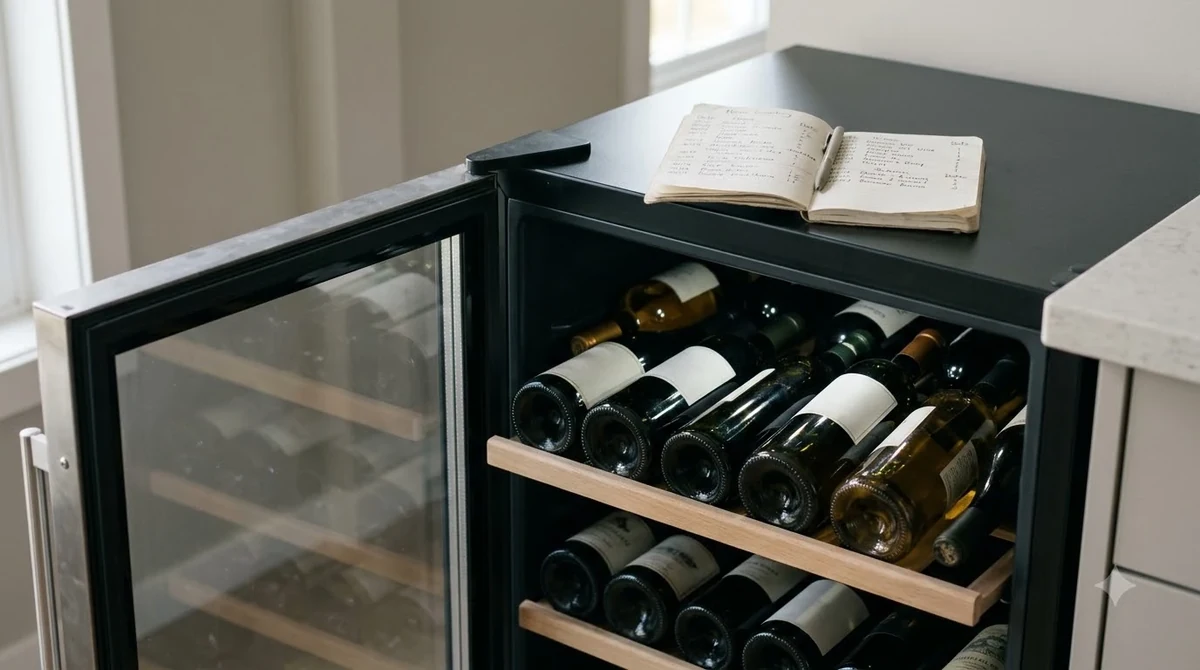
If the bottle has been stored at room temperature, briefly chill it before dinner rather than serving it warm; a cool bottle can warm gradually in the glass. Keep it away from a hot stove, fireplace, and direct sunlight, since excess warmth can make alcohol stand out. A broad-bowled red-wine glass gives the aromas room to gather. For a young, full-bodied Barolo, decanting for about 30–60 minutes is a useful starting point. Taste as it opens instead of following a fixed clock, and leave sediment behind when pouring.
Older bottles need a gentler approach. Mature Barolo may contain sediment, and its aromas can be more delicate than those of a young wine. Stand the bottle upright before opening, then pour slowly. Decant only to separate sediment or help a closed wine open; extended aeration can cause a fragile mature bottle to lose its most appealing aromas.
Plan the pour around the meal. A standard 750 ml bottle provides about five 5-ounce glasses. Reseal leftovers and refrigerate them; most opened still wines are best used within about 3–5 days. For longer storage, keep unopened bottles on their side in a cool, stable place near 55°F, away from light and temperature swings.
Build the Rest of the Plate Around the Wine
Choose sides that are earthy, savory, and moderate in acidity. Mushrooms, roasted root vegetables, polenta, and potato dishes sit comfortably beside Barolo because they add flavor and texture without competing with the wine’s tannin and freshness.
Mushrooms are among the most natural accompaniments: sautéed cremini, roasted porcini, or a modest mushroom pan sauce can echo Nebbiolo’s earthy notes. A little shaved truffle or truffle butter adds aroma, but heavy truffle oil can dominate the wine. Roasted potatoes, creamy polenta, and root vegetables are reliable sides; their soft textures balance grilled beef without making a dry Barolo seem thin. Roast carrots, parsnips, and onions gently, and skip heavy honey or brown-sugar glazes.
For sauces, use browned meat juices, mushrooms, stock, or a modest splash of wine rather than a sweet reduction. Sharp vinaigrettes, very lemony greens, and heavy chili sauces can pull the plate away from the wine. Aged, firm cheese such as Parmigiano-Reggiano can extend the pairing after dinner, but keep portions modest with a delicate mature Barolo. The site’s Grape x Food pairing guide can help you plan the whole menu rather than matching only the steak.
Barolo is not the only bottle that can work with steak. A fresher Italian red such as Chianti with steak offers a different expression of acidity and tannin. A white-wine option such as Chardonnay with steak is more convincing with a lighter preparation or creamy sauce, while Champagne with steak brings a brisk, sparkling contrast. These are alternatives, not reasons to change a successful Barolo and ribeye match.
Frequently Asked Questions
These quick answers cover a few Barolo details that can help you read a label and understand the wine’s Piedmont background.
What does MGA mean on a Barolo label?
MGA stands for Menzione Geografica Aggiuntiva, or Additional Geographical Mention. It identifies a recognized geographic area within the Barolo appellation; the Langhe tourism authority lists 181 such references. The mention can help distinguish the origin of the grapes, but it does not by itself rank a wine’s quality.
What is Barolo Chinato?
Barolo Chinato is an aromatized wine made using Barolo as its base, with cinchona and other aromatic ingredients added. It is a separate style from standard dry Barolo and is traditionally associated with the flavors of herbs and spices. It is often served in a small glass after a meal rather than poured as the main wine with steak.
Why is Barolo sometimes called the king of wines?
The phrase is linked to Barolo’s nineteenth-century rise in prestige. The Langhe tourism authority connects its early history with Marquise Giulia Colbert Falletti and statesman Camillo Benso di Cavour, and notes that the wine was served at the Savoy court and other European courts. The nickname reflects its historic reputation, not a formal legal category.
Why is Nebbiolo associated with the word for fog?
The Italian word nebbia means fog. One commonly repeated explanation links the grape’s name to the mists that can cover Piedmont’s hills during its late autumn harvest, although the name’s exact origin is not certain. This local association is one reason fog appears so often in descriptions of the Barolo landscape.
Can a Barolo label name a specific vineyard?
Yes. Barolo labels can include an Additional Geographical Mention, and the term Vigna may appear with a vineyard name when the applicable labeling conditions are met. That wording identifies a more specific origin; it should be read as geographic information rather than a promise that every bottle will taste the same.
For a dependable dinner, start with a well-browned ribeye, salt and pepper, earthy sides, and a Barolo served at 60–65°F. Match the wine’s age and tannin to the richness of the steak, and keep sauces sweet or sharply acidic flavors in check. When the meat, seasoning, and serving temperature are in balance, Barolo can make steak night feel both generous and distinctly Piedmontese.
More in Food & Wine Pairing
 Risotto With White Wine Recipe: Make a Creamy Dinner at HomeUpdated Nov 20, 2026
 Wassail With Wine Recipe for a Festive Spiced Holiday DrinkUpdated Nov 20, 2026
 Spritz Veneziano Recipe: Make a Classic Venetian Aperitivo at HomeUpdated Nov 20, 2026
 Summer Wine Punch Recipe for Easy Homemade EntertainingUpdated Nov 20, 2026
 Bishop Recipe: How to Make a Bright, Citrus-Forward Red Wine CocktailUpdated Nov 20, 2026
 Wine Cupcakes Recipe: Bake Rich Chocolate Cupcakes at HomeUpdated Nov 20, 2026