

We may earn a commission when you buy through links on this page, at no extra cost to you. Learn more.
The pairing of chianti with steak works because Sangiovese’s lively acidity refreshes the palate while its savory fruit and firm tannins stand up to browned beef. The most reliable match is a Chianti or Chianti Classico with grilled or pan-seared steak, especially ribeye, strip, or Florentine-style T-bone. Choose a younger Annata for leaner cuts and a more developed Riserva or Gran Selezione for richer, charred beef. Serve Sangiovese slightly cool, around 55 to 60°F.
Chianti is not one fixed flavor profile: a bright, early-drinking bottle and a structured Chianti Classico Riserva can behave differently beside the same steak. The useful starting points are the grape, the wine’s weight, the amount of fat on the cut, and the way the meat is seasoned. Those details make it easy to choose a bottle that complements dinner rather than overpowering it.
Why Chianti Works With Steak
Chianti works because Sangiovese combines high acidity with red-fruit character, savory notes, and noticeable tannin. That combination refreshes the palate after fatty bites of beef, echoes the browned flavors from a grill or skillet, and gives a steak dinner enough structure without requiring the heaviest red wine on the table.
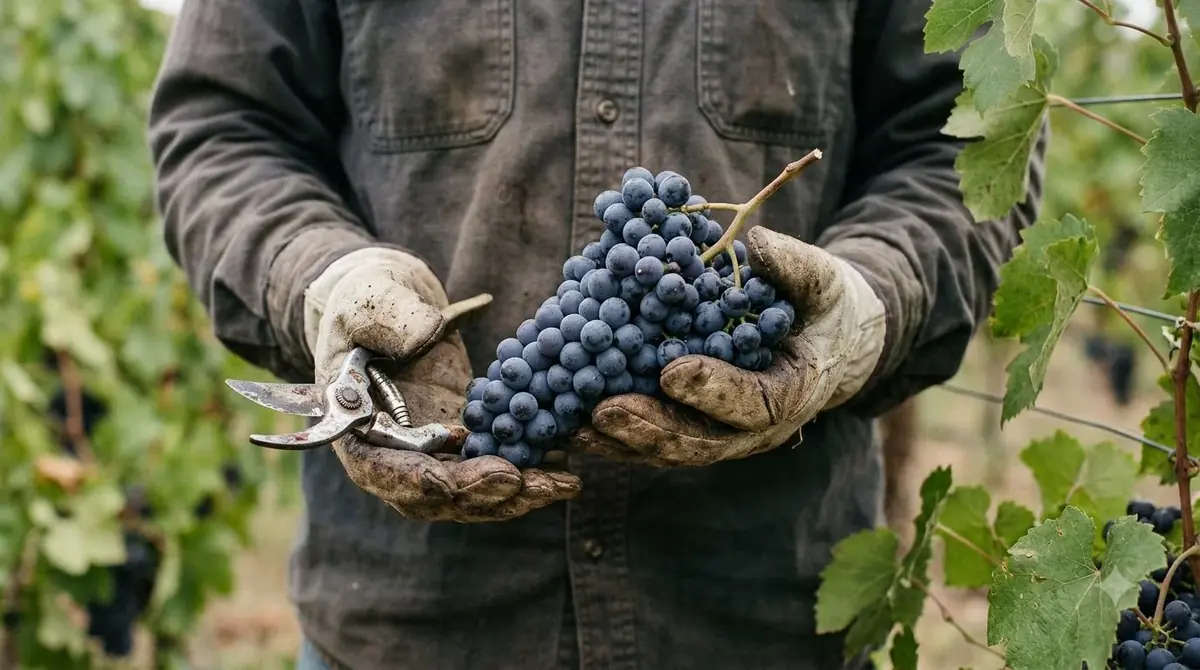
Sangiovese is the principal grape in Chianti and Chianti Classico. Wine Enthusiast describes the grape as naturally high in acidity, generally medium to full in body, and medium to full in tannin, with vivid red and black fruit plus peppery and savory accents. In a glass, that can translate into cherry, plum, dried herbs, pepper, and an earthy edge. The exact balance varies with the producer, place, vintage, and blend, so not every Chianti tastes equally concentrated or firm.
Acidity matters because steak often brings salt, rendered fat, and a browned crust. A lively red refreshes the mouth between bites, especially with ribeye or a well-marbled strip steak. Tannin adds grip and texture; the fat in beef softens that sensation, while the wine’s fruit keeps the pairing from feeling austere. Wine Enthusiast’s steak-pairing guidance identifies acidity, body, and tannin as the three useful things to balance, rather than choosing a red simply because it is red.
The result is a flexible alternative to the rule that steak demands a massive Cabernet Sauvignon. Chianti is especially persuasive with grilled or seared beef served with herbs rather than a very sweet glaze. Its acidity can also meet tomato relish or grilled tomatoes, provided the wine is at least as bright as the dish.
Choose the Right Chianti Style
Start by deciding whether you want a lively everyday-style red or a more mature, structured wine. Chianti is the broader name, while Chianti Classico identifies wine from the historic production area between Florence and Siena; Classico is not simply a synonym for every Chianti on the shelf.
Chianti Classico is based on Sangiovese, with regulations allowing at least 80% and up to 100% of the grape, plus a maximum 20% of other authorized red varieties. Possible blending partners include native grapes such as Canaiolo, Colorino, and Ciliegiolo, as well as permitted international varieties such as Cabernet Sauvignon, Merlot, Syrah, and Cabernet Franc. These additions can shift the wine’s shape, but Sangiovese remains central. For details, the Chianti Classico consortium’s style descriptions set out the grape percentages and maturation rules.
The three Chianti Classico designations provide a practical guide to development and steak pairings. The periods below are minimum maturation requirements; vineyard, fermentation, oak, and harvest choices also shape the finished wine.
| Chianti Classico style | Minimum Sangiovese | Minimum maturation | Steak match |
|---|---|---|---|
| Annata | 80% | 12 months | Sirloin, skirt steak, or a grilled burger |
| Riserva | 80% | 24 months, including 3 months in bottle | New York strip or a well-marbled ribeye |
| Gran Selezione | 90% | 30 months, including 3 months in bottle | Florentine T-bone or thick, charred porterhouse |
Annata is the straightforward choice for a casual steak night: its 12-month minimum maturation and fruit-forward profile suit leaner cuts and burgers. Riserva matures for at least 24 months, including three in bottle, and can bring more development to a richer cut. Gran Selezione requires at least 90% Sangiovese and 30 months of maturation, including three in bottle, making it a considered choice for a large, charred steak. The highest designation is not always the best fit, however; a delicate filet mignon may be better with a fresher Annata than a concentrated, oak-influenced red. The official Visit Tuscany overview of Chianti Classico also names Florentine-style steak and ribeye among the region’s natural food partners.
Match Chianti to the Steak Cut
The best steak match depends more on the cut’s richness and preparation than on its name alone. A lean cut usually calls for a lighter, fruit-driven Chianti, while a fatty, deeply browned steak can handle a wine with more tannin, concentration, and oak influence.

Ribeye and New York Strip
Ribeye is marbled and rich, so it can meet a Chianti Classico Riserva with firm tannins and concentrated fruit. Grill it over high heat or sear it in a heavy skillet to create a browned crust that echoes the wine’s savory notes; the fat softens tannin, while acidity keeps the richness from becoming tiring. New York strip has a balance of beefy flavor and moderate marbling, making it suitable for Annata or Riserva depending on thickness, char, and seasoning. A fresh-cherry Annata suits a simple salt-and-pepper strip, while a developed Riserva works with a thick, heavily seared steak or roasted mushrooms.
Filet Mignon, Sirloin, and Thin-Cut Steaks
Filet mignon and sirloin are leaner than ribeye, so choose a fresh Chianti with bright fruit and enough acidity to lift the meat without overwhelming its texture. Rosemary, thyme, and a mushroom pan sauce connect the steak’s earthy notes to the wine. Flank, skirt, and hanger steak have pronounced beef flavor, and sauces can become prominent; a lively Chianti suits garlic, herbs, black pepper, and moderate oil. If a marinade contains vinegar or citrus, remember that acidic food needs a wine with equal or higher acidity.
Florentine-Style T-Bone
The classic Tuscan reference is a thick T-bone grilled with olive oil, salt, and pepper. Chianti Classico Riserva or Gran Selezione can match its size, char, and beef flavor. It is a useful model for pairing Sangiovese with grilled red meat.
Seasonings, Sauces, and Side Dishes
Simple seasoning gives Chianti the clearest route to a good match. Salt, black pepper, garlic, rosemary, and thyme complement Sangiovese’s savory side, while a hard sear brings out roasted flavors that sit comfortably beside cherry, plum, and dried-herb notes.
Salt and fat help soften tannin, which is one reason a well-seasoned ribeye can make a structured red feel smoother. A pan sauce made from browned steak bits, stock, and mushrooms adds savoriness without too much sweetness. Butter can make lean steak feel richer, but a heavy cream sauce may overwhelm a lighter Annata. Tomatoes, grilled peppers, mushrooms, and eggplant are useful sides: Sangiovese’s acidity can meet tomato, while browned vegetables echo its savory profile. A very sweet balsamic glaze, by contrast, can make a dry Chianti seem sharper and less fruity.
Chimichurri and salsa verde work best when their acidity is measured. Parsley, olive oil, and modest vinegar can connect with Sangiovese’s herbal notes, while a very sour or lemon-heavy sauce may dominate. Keep horseradish restrained so its sharpness does not mask the fruit. A dish with a pronounced acidic dressing needs a similarly fresh wine; the wine should have equal or higher acidity.
Chile heat needs special attention. Hot pepper can make alcohol and tannin seem more pronounced, so a fiery rub or a heavy spoonful of chili oil can make a structured Chianti feel hotter and harsher. For spicy steak, use a milder Annata, reduce the heat, and add cooling sides such as grilled zucchini or potatoes.
Tip: For a reliable first pairing, season a strip steak with salt, black pepper, garlic, and rosemary, then serve it with grilled tomatoes and a Chianti Classico Annata. Keep vinegar, sugar, and chile modest until you know how the wine handles the plate.
Serve and Prepare Chianti Correctly
Serve Sangiovese cooler than a warm room but not refrigerator-cold. Wine Enthusiast gives a handling temperature of 55 to 60°F for Sangiovese, a range that preserves freshness while allowing the fruit and savory aromas to show.
A bottle that is too warm can make alcohol more obvious; one that is too cold can mute aroma and make tannin seem harder. Start near 55°F for a lighter Annata and closer to 60°F for a more structured Riserva. The wine will warm in the glass, so beginning on the cool side is sensible.
Young, full-bodied reds with firm structure can benefit from air. A concentrated Chianti Classico Riserva may be opened or decanted 30 to 60 minutes before dinner, while a light, fresh Annata usually needs less time. Pour a small taste first and decide whether the wine needs more air; older bottles need care because extended exposure can fade delicate aromas. Use a standard 5-ounce pour and remember that a 750-milliliter bottle provides about five glasses. A bowl with room for aroma is helpful, but an expensive or unusually large glass is not required.
After dinner, close the bottle and refrigerate remaining still wine; a practical window is three to five days. Store unopened bottles on their side near 55°F, away from direct light and temperature swings. Cool, steady storage helps preserve Sangiovese’s fruit and acidity.
Build the Rest of the Steak Dinner Around the Wine
Think of steak, wine, and sides as one combination. Chianti is at its best with savory flavors and without a sauce so sweet or spicy that it masks the fruit.
For a classic plate, serve grilled ribeye or T-bone with rosemary potatoes, grilled tomatoes, and sautéed mushrooms. Annata gives a casual, fruit-forward result; Riserva makes sense for a thicker steak and a slower dinner. Keep vegetables simple with olive oil, salt, pepper, and garlic, and serve a strongly acidic salad dressing sparingly. Chianti also bridges steak frites and browned beef, especially with a peppercorn or herb sauce. A young Chianti suits a burger with grilled meat, cheese, and a salty bun, while mushroom-topped sirloin can take a Riserva when the mushrooms are browned rather than simmered in sweet sauce.
If the dish is much richer or more intense than the wine, compare the pairing with barolo with steak; Barolo can offer a firmer, more imposing structure for a deeply flavored cut. If the steak is served with a creamy butter sauce and you prefer a white wine, chardonnay with steak offers a different route, especially with a richer, oak-influenced Chardonnay. For a celebratory meal built around steak frites or a salty crust, champagne with steak is another contrast, bringing bubbles and acidity instead of red-wine tannin.
The Grape x Food overview explains how salt, fat, sweetness, acidity, and heat affect a match. Those principles are why Chianti works: acidity refreshes, fat softens tannin, and savory flavors connect the food and wine.
Frequently Asked Questions
These five answers cover useful details about Sangiovese and Chianti Classico that can help identify a bottle, understand the label, and plan beyond the steak course.
What does the Black Rooster on a Chianti Classico bottle mean?
The Black Rooster is the identifying trademark associated with Chianti Classico. The consortium says it appears on the neck or back label of every bottle carrying the designation, so it is a quick visual clue when comparing Italian reds on a shelf.
How do you pronounce Sangiovese?
Wine Enthusiast gives the pronunciation as “san-joe-VAY-zeh.” The emphasis falls on the third syllable, which is useful to know when asking for a Tuscan red at a wine shop or restaurant.
Can Chianti Classico contain white grapes?
No. The Chianti Classico consortium notes that production has been limited to red grape varieties since 2006. That rule distinguishes modern Chianti Classico from older historical blends that could include white grapes.
What minimum alcohol level applies to Chianti Classico styles?
The consortium lists minimum alcohol levels of 12% for Annata, 12.5% for Riserva, and 13% for Gran Selezione. These are regulatory minimums, not fixed targets, so a particular bottle may be higher.
Can Sangiovese be kept for several years?
Yes, although the right drinking window depends on the wine’s structure, producer, vintage, and storage. Wine Enthusiast lists a broad five-to-25-year cellar range for Sangiovese, but a fresh Annata and a concentrated, age-worthy bottle should not be treated as if they will develop at the same pace.
For most steak dinners, choose a Chianti with enough acidity to refresh the palate and enough body to stand beside the meat. Match Annata, Riserva, or Gran Selezione to the cut and seasoning, serve it slightly cool, and keep the rest of the plate savory so the wine can do what Sangiovese does best.
More in Food & Wine Pairing
 Risotto With White Wine Recipe: Make a Creamy Dinner at HomeUpdated Nov 20, 2026
 Wassail With Wine Recipe for a Festive Spiced Holiday DrinkUpdated Nov 20, 2026
 Spritz Veneziano Recipe: Make a Classic Venetian Aperitivo at HomeUpdated Nov 20, 2026
 Summer Wine Punch Recipe for Easy Homemade EntertainingUpdated Nov 20, 2026
 Bishop Recipe: How to Make a Bright, Citrus-Forward Red Wine CocktailUpdated Nov 20, 2026
 Wine Cupcakes Recipe: Bake Rich Chocolate Cupcakes at HomeUpdated Nov 20, 2026