

We may earn a commission when you buy through links on this page, at no extra cost to you. Learn more.
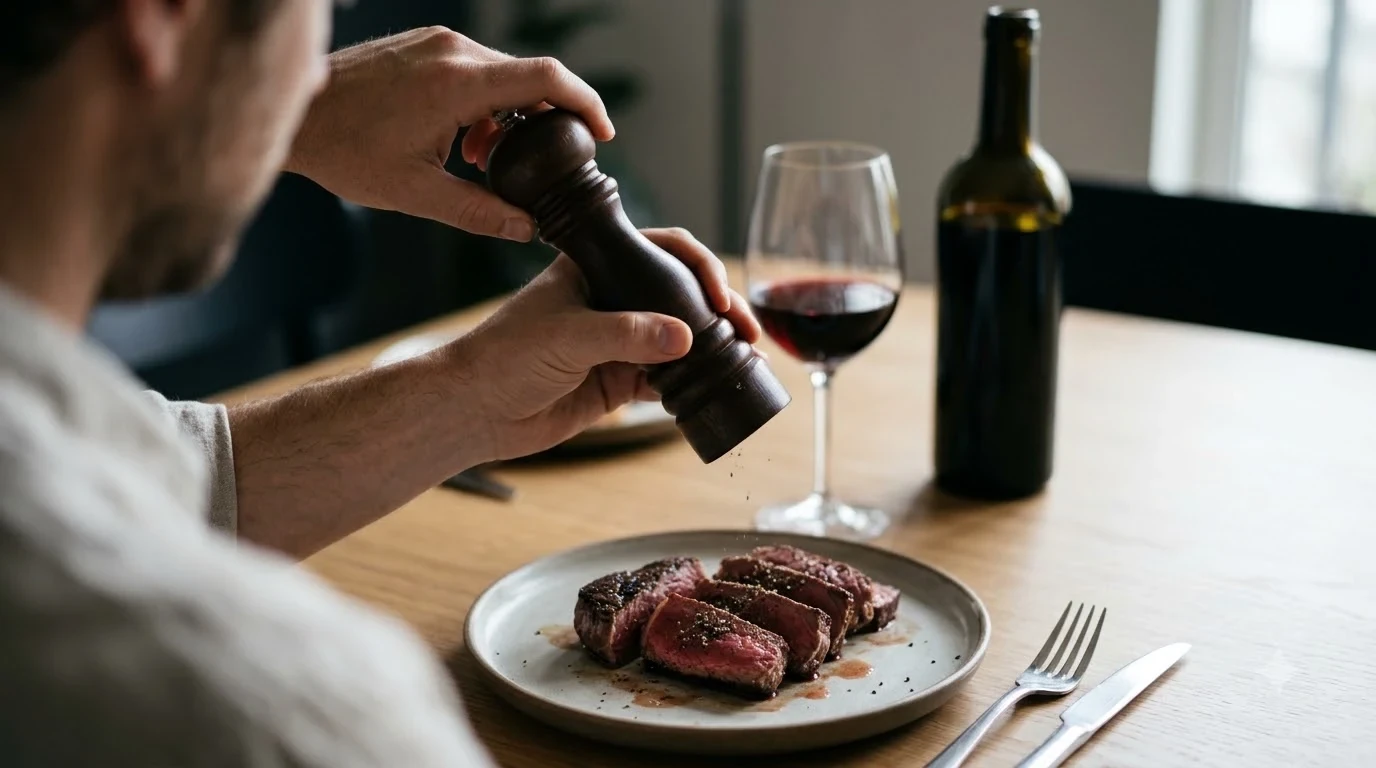
The best wine with steak is usually a full-bodied red with firm tannin, such as Cabernet Sauvignon, Malbec, or Syrah. The tannin binds to the protein and fat in the meat and makes the wine feel softer, while the dark fruit and oak stand up to the savory char of a grilled cut. Leaner cuts can take a slightly lighter red, and a few whites can work with steak too.
A good steak dinner deserves a wine that does not get lost next to the meat. This guide explains what makes a red work with steak, which grapes fit different cuts, when a white or rosé makes sense, and how to serve the wine so it shows its best side.
Wine Pairing With Steak: Why Tannin Matters
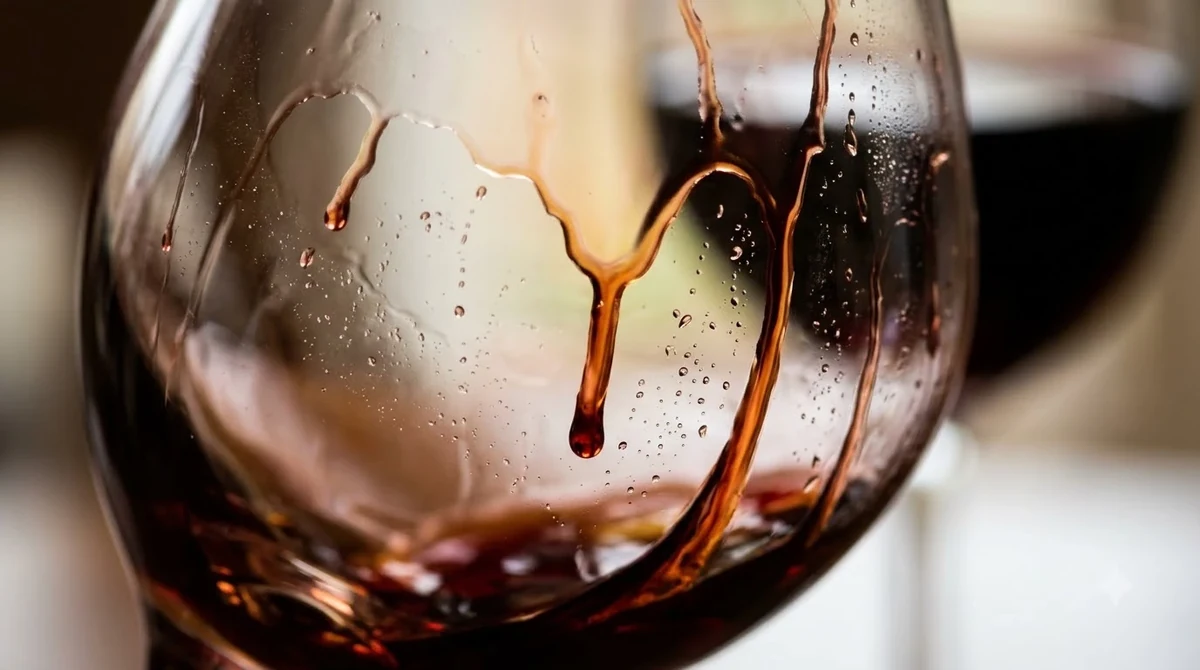
Most steak pairings start with tannin. Tannin is the drying, grippy compound that comes from grape skins, seeds, and oak. In the mouth it feels like a dry, puckery texture. When a tannic red meets a fatty bite of steak, the fat and protein soften the tannin, and the wine then tastes smoother and fuller. Wikipedia’s tannin entry describes how tannins bind to proteins, which is the basic reason this pairing works.
The reverse is also true. A low-tannin wine can taste thin beside a rich steak, and a very tannic wine can taste harsh with a lean, cooked-through piece of meat. That is why the cut, the seasoning, and the wine all matter together.
What Wine Goes With Steak by Cut
Different steak cuts carry different amounts of fat and char, so the best wine often depends on which cut is on the plate. A rich, marbled ribeye usually needs more structure than a lean sirloin or a tender filet.
| Steak cut | Why it fits | Wine that works well |
|---|---|---|
| Ribeye | Rich, marbled, and fatty, with a strong sear | Cabernet Sauvignon, Syrah, or a bold Bordeaux-style blend |
| New York strip | Firm texture with good beefy flavor | Cabernet Sauvignon or Malbec |
| Tenderloin or filet | Very tender and lean, with a mild flavor | Merlot, Pinot Noir, or a softer Malbec |
| Flank or skirt | Chewier and well flavored, often marinated | Syrah or a spicy Zinfandel |
Tenderloin is often called the most tender beef cut, and it is usually cooked quickly with dry heat, which keeps the meat mild. For that reason a softer red such as merlot or pinot noir can pair well without being overpowered. Ribeye and strip, on the other hand, have more fat and more beefy char, so they call for a wine with more grip.
Best Red Wines for Steak
Cabernet Sauvignon is the classic steak wine. Wine Folly describes it as full-bodied with medium-high acidity, and it usually shows black currant, black cherry, and cedar. Those flavors and its firm structure match a char-grilled ribeye or strip very well.
Malbec is another strong choice. The Wine Folly Malbec guide lists its tannin as medium, its body as full, and its flavors as red plum, blackberry, and vanilla with a chocolatey finish. It is a friendly option when you want a wine that is rich but less austere than cabernet. Argentina is its best-known home, and Mendoza’s Uco Valley is often cited for high-quality examples.
Syrah, also called Shiraz in Australia, brings more spice and a peppery finish. The Wine Folly Syrah guide describes its tannin as medium-high and its body as full, with blueberry, black plum, and tobacco notes. It is a good match for steak with bold seasoning, such as pepper crust, smoky rubs, or chimichurri.

Red or White Wine With Steak?
Red is the default for most steak dinners, but a white can work when the meat is lean or lightly seasoned. A full-bodied, oaked white with some texture can stand up to a grilled filet, and a rich Chardonnay is a practical choice for people who find red too heavy.
White wines usually struggle with a heavily charred, fatty steak because they lack tannin to soften the fat. If you want a white with steak, pick one that is full and creamy rather than crisp and light, and serve it cooler so the body does not feel overwhelming.
Rosé is a useful middle ground for summer grilling. A dry, structured rosé has enough body to hold up to lean beef and enough freshness to keep the meal light, especially on a warm evening.
How to Serve Wine With Steak
Serve red wine at a cool room temperature rather than warm. Wine Folly suggests 60 to 68°F (15 to 20°C) for Cabernet Sauvignon and Syrah, which keeps the alcohol from dominating the fruit. Pour a generous glass, since steak and a full red are meant to be enjoyed slowly.
Decanting helps young, tannic reds. A cabernet or a Syrah poured into a decanter 30 minutes to an hour before dinner will often taste softer and more open. Older bottles usually need less time, and a gentle pour is enough to preserve their delicate fruit.
Tip: Match the sauce to the wine. A peppercorn sauce or a red wine reduction brings out the depth of a full red, while a bright herb sauce such as chimichurri suits a Malbec or a lighter Syrah.
Common Mistakes When Pairing Wine With Steak
The most common mistake is serving a delicate red with a heavily seasoned, charred steak. A light pinot noir can disappear under strong pepper or smoke, so match the wine’s body to the intensity of the plate. If the steak is rubbed with bold spices, reach for a fuller red with enough fruit to keep up.
Another mistake is serving a very warm bottle. Heat makes alcohol stand out and can flatten the fruit, so a red that tastes fine at a warm table can seem heavy and hot. A short time in a cooler room or a few minutes in the fridge before pouring can make a noticeable difference.
A simple test helps at the table. Take a sip of the wine, then a bite of the steak, then another sip. If the wine tastes sharp or bitter, it is probably too light or too tannic for that cut, and if the steak tastes dull, the wine may be too heavy. The right match leaves both the wine and the meat feeling balanced.
Finally, avoid pairing a sweet wine with a savory steak. Sweetness clashes with grilled beef and can make the wine taste flat. If you want something sweet at the end of the meal, save it for dessert and choose a bottle that matches the dish.
Frequently Asked Questions
What is the single best wine for steak?
Cabernet Sauvignon is the most common answer because its tannin and dark fruit suit most cuts. If you want a more budget-friendly or softer option, Malbec is another reliable choice.
Does a fattier steak need a bolder wine?
Usually, yes. Marbled cuts such as ribeye carry more fat, which pairs well with firmer tannin. Leaner cuts can be matched with a softer, more fruit-forward red.
Can I cook with the same wine I serve?
You can, and many cooks do. A pan sauce built with the same red you plan to pour adds depth. If you are cooking with wine more broadly, the chicken marsala recipe on this site shows how a wine-based sauce can carry a whole dish.
Is merlot a good wine with steak?
Yes, especially with tenderloin or filet, where the meat is lean and mild. Merlot has softer tannin than cabernet, so it works best with cuts that are not heavily charred or fatty.
For most steak dinners, reach for a full red with firm tannin and match the wine to the cut and the seasoning. Cabernet Sauvignon, Malbec, and Syrah cover most situations. For more ideas on matching wine with meals, the Wine Pairing guide walks through other combinations by dish and style.
More in Food & Wine Pairing
 Risotto With White Wine Recipe: Make a Creamy Dinner at HomeUpdated Nov 20, 2026
 Wassail With Wine Recipe for a Festive Spiced Holiday DrinkUpdated Nov 20, 2026
 Spritz Veneziano Recipe: Make a Classic Venetian Aperitivo at HomeUpdated Nov 20, 2026
 Summer Wine Punch Recipe for Easy Homemade EntertainingUpdated Nov 20, 2026
 Bishop Recipe: How to Make a Bright, Citrus-Forward Red Wine CocktailUpdated Nov 20, 2026
 Wine Cupcakes Recipe: Bake Rich Chocolate Cupcakes at HomeUpdated Nov 20, 2026