

We may earn a commission when you buy through links on this page, at no extra cost to you. Learn more.
When comparing nebbiolo vs shiraz, Nebbiolo is a pale, high-acid, fiercely tannic Italian red built on red berries, dried roses, and tar, while Shiraz is an opaque, plush, full-bodied red packed with blackberry, plum, black pepper, and chocolatey oak. Nebbiolo originates in Piedmont in northern Italy—famous for Barolo and Barbaresco—and delivers a gripping, linear palate that demands rich, fatty food or years of bottle age. Shiraz, the Australian name for French Syrah, thrives in warm regions like the Barossa Valley and offers immediate, velvety dark fruit alongside medium-plus to high tannins and lower perceived acidity.
Both grapes produce world-class, ageworthy red wines, yet pouring them side by side reveals two opposite paths to power. Knowing how their skins, climates, and cellar traditions shape each glass makes choosing between an Italian classic and a bold Southern Hemisphere favorite straightforward.
Nebbiolo vs Shiraz at a Glance
Nebbiolo and Shiraz sit at opposite ends of the red wine spectrum in color, acidity, and fruit ripeness, even though both pack substantial tannin. Nebbiolo achieves intensity through razor-high natural acidity and firm grape-skin tannins wrapped in a translucent garnet frame, whereas Shiraz builds weight through dense dark-berry extract, warm-climate alcohol, and generous oak maturation.
The table below contrasts standard benchmarks for classic Piedmont Nebbiolo and warm-climate Australian Shiraz across the traits that matter most at the dinner table and in the cellar.
| Attribute | Nebbiolo (Classic Piedmont) | Shiraz (Warm-Climate Australian) |
|---|---|---|
| Primary Home | Piedmont, Northern Italy (Barolo, Barbaresco, Langhe) | South Australia (Barossa Valley, McLaren Vale) |
| Appearance in Glass | Translucent ruby to brick-garnet | Opaque deep purple to inky black |
| Body and Weight | Medium to full-bodied structure | Full-bodied, plush, and velvety |
| Tannin Level | Very high, gripping, and drying | Medium-plus to high, ripe, and coating |
| Acidity Level | High and mouthwatering | Medium to medium-plus |
| Core Fruit Profile | Sour red cherry, wild raspberry, cranberry | Blackberry, ripe black plum, blueberry |
| Non-Fruit Notes | Dried rose petal, violet, tar, licorice, truffle | Black pepper, dark chocolate, vanilla, sweet spice |
| Typical Alcohol (ABV) | 13.5% to 15.0% | 14.0% to 15.5% |
| Serving Temperature | 60 to 65 F | 60 to 65 F |
| Young Wine Decanting | 30 to 60 minutes (longer for young Barolo) | 30 to 60 minutes |
Notice how visual appearance can mislead first-time drinkers. A glass of Barolo looks nearly as transparent as a delicate Burgundy, yet its tannins grip the gums far harder than an inky Barossa Shiraz. For readers who enjoy lighter-colored reds, exploring nebbiolo vs pinot noir clarifies why pale color does not guarantee a soft mouthfeel.
Grape Origins and Signature Growing Regions
Nebbiolo is an ancient, climate-sensitive native of northwestern Italy, while Shiraz is the Australian identity of France’s Northern Rhône Syrah grape. Their contrasting vineyard habitats explain why one grape tastes lifted and savory while the other tastes sun-drenched and opulent.
Piedmont and Northern Italy: Nebbiolo’s Home Turf
According to Wine Enthusiast, Nebbiolo is deeply rooted in Italy’s Piedmont region, where it serves as the sole grape permitted in Barolo and Barbaresco. The variety buds early in spring and ripens late in October, taking its name from nebbia, the autumn fog that blankets the Langhe hills. Because it has thin skins and demands calcareous marl soils on sunny, south-facing slopes, Nebbiolo rarely thrives outside northern Italy, though tiny plantings exist along the U.S. West Coast from California’s Central Coast to Washington.
Within northern Italy, regional rules create distinct tiers of Nebbiolo. In Barolo DOCG—governed by the Consorzio di Tutela Barolo Barbaresco Alba Langhe e Dogliani across 11 municipalities south of Alba—producers must use 100% Nebbiolo. Neighboring Gattinara, Ghemme, and Roero allow small percentages of local blending grapes, while Langhe Nebbiolo and Nebbiolo d’Alba offer fresher, earlier-drinking expressions. Further north in Lombardy’s Valtellina valley, alpine growers bottle the exact same grape under the local name Chiavennasca or Spanna.
Australia and Beyond: How Syrah Became Shiraz
Shiraz and Syrah are genetically the exact same dark-skinned grape. Cuttings traveled from France’s Northern Rhône Valley to Australia in 1832, where early shipping records misspelled the name as “scyras,” which gradually evolved into Shiraz. Australia now safeguards the oldest continuously producing pre-phylloxera Shiraz vines on earth, with surviving vineyards planted in the 1840s, and roughly four out of five Australian wineries produce Shiraz across nearly all 65 national wine regions.
South Australia’s Barossa Valley remains the spiritual epicenter of classic Shiraz, where dry-grown, low-yielding bush vines have produced deeply concentrated reds for more than 175 years. Neighboring McLaren Vale and Langhorne Creek share that warm Mediterranean sunshine. Meanwhile, cooler Australian regions—including Victoria’s Yarra Valley, Beechworth, and Grampians, New South Wales’s high-elevation Canberra District, and Western Australia’s Frankland River—produce sleeker, pepper-driven bottles that often carry the French name Syrah on the label.
Color, Body, Tannin, and Acidity Compared
In the glass, Nebbiolo acts like a tightrope walker balancing high acidity and astringent tannins on a medium-full frame, whereas Shiraz delivers a broad, cushiony wave of dark fruit and alcohol. Understanding these four structural pillars prevents surprises when opening a bottle.
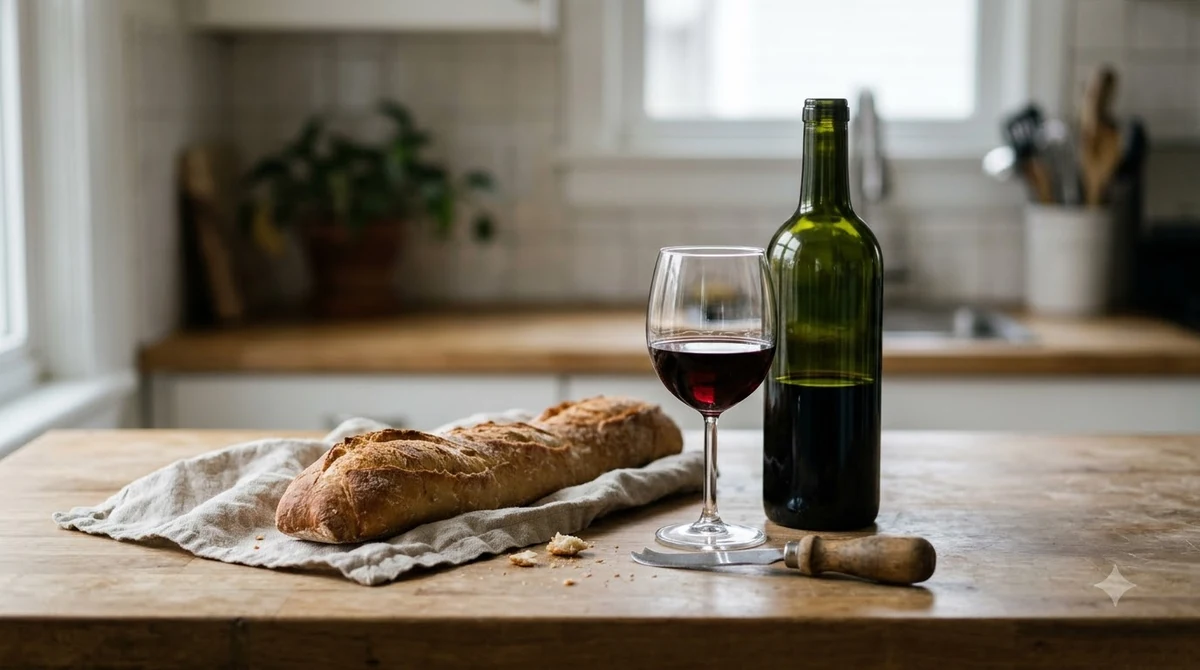
Color provides the first clue before the glass even reaches the nose. Nebbiolo berries contain low levels of anthocyanins, the pigments concentrated in grape skins, so young wines pour a translucent ruby-crimson that shifts rapidly toward brick-orange at the rim. Shiraz skins are thick and pigment-rich, producing an opaque violet-to-inky-black core that stains the glass and retains purple highlights for years.
Tannin and acidity create the sharpest divide on the palate. Nebbiolo packs formidable, mouth-drying tannins paired with brisk, high acidity that makes the mouth water immediately after each sip. Shiraz carries medium-plus to high tannins, yet warm-climate ripeness and lower natural acidity make those tannins feel plush, round, and fine-grained rather than astringent. Anyone curious how Shiraz compares to a lighter, high-acid red can examine pinot noir vs shiraz for a clear benchmark.
Tip: Do not mistake Nebbiolo’s pale color for a light wine. Serve young Barolo or Langhe Nebbiolo alongside protein or fat, or decant it for 45 minutes so oxygen can soften its firm tannic grip.
Aromas, Flavors, and Oak Aging
Nebbiolo smells famously of “tar and roses” layered over tart red fruit, while Shiraz leads with ripe blackberries, cracked black pepper, and sweet baking spices from oak barrels. Winemakers in Piedmont and Australia treat wood aging very differently, magnifying each grape’s natural personality.
Tasting Notes: Red Fruit and Florals vs Black Fruit and Spice
Young Nebbiolo opens with high-toned aromatics of dried rose petal, violet, sour red cherry, wild raspberry, and blood orange peel. Underneath that floral perfume sits an earthy, savory core of tar, anise, licorice root, and dried herbs. As bottles mature over 10 to 20 years, the red fruit recedes into dried fig, leather, tobacco leaf, and white truffle.
Warm-climate Shiraz greets the nose with exuberant dark fruit: blackberry compote, ripe black plum, blueberry, and black cherry. Savory notes of freshly cracked black pepper, smoked meat, and black olive weave through the fruit, especially in cooler sites like Heathcote or the Grampians. With age, rich Barossa bottlings develop velvety layers of dark chocolate, fruitcake, espresso, and sweet pipe tobacco.
Winemaking and Barrel Traditions
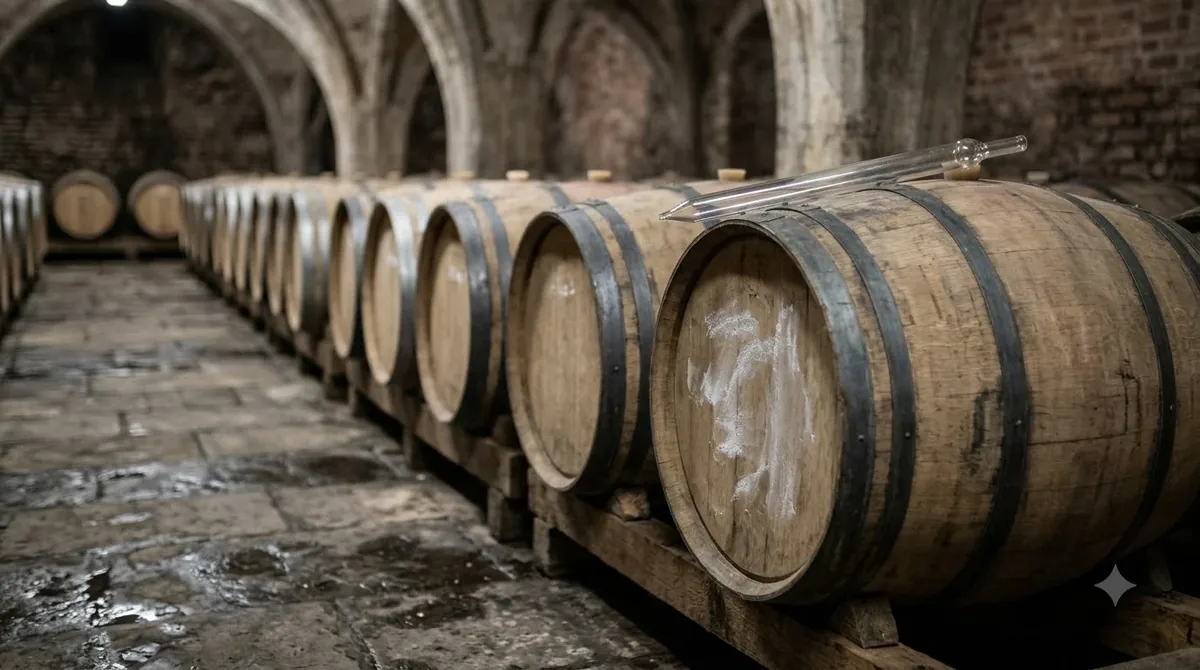
Traditional Piedmont winemakers age Nebbiolo in massive, neutral Slavonian oak casks called botti, which hold anywhere from 1,000 to 5,000 liters. Because neutral wood imparts minimal vanilla or toast, the grape’s floral perfume and high acidity remain front and center during slow oxygen exchange. Under Barolo DOCG law, wines must age at least three years after harvest—including a minimum of 18 months in wood—before release, rising to five years for Riserva bottlings.
Regional Styles: Barolo vs Langhe and Barossa vs Cool-Climate Shiraz
Neither grape produces a single uniform bottle, because appellation laws and local temperatures divide both varieties into structured, ageworthy icons and fresher, weeknight-friendly styles. Knowing the difference between a top-tier cru bottling and an earlier-drinking regional wine prevents mismatched expectations.
Within Piedmont, Barolo DOCG and Barbaresco DOCG represent Nebbiolo at its most structured and long-lived. Following the 2010 recognition of Additional Geographical Mentions (MGA) in Barolo, labels frequently highlight single-vineyard communes such as Serralunga d’Alba for firmer tannins or La Morra for perfume. By contrast, Langhe Nebbiolo DOC and Nebbiolo d’Alba spend far less time in wood—often 6 to 12 months—yielding brighter red cherry fruit and softer tannins ready within two to four years of vintage.
Australia divides Shiraz along thermal lines, creating two distinct expressions across its warm and cool wine regions. Classic Barossa Valley and McLaren Vale bottlings showcase sun-ripened blackberry, dark chocolate, and 14.5% to 15.5% alcohol, though contemporary Barossa growers also pick earlier to craft brighter, medium-bodied styles. In cooler regions such as Victoria’s Yarra Valley, Beechworth, and Grampians, or New South Wales’s Canberra District, Shiraz stays closer to 13.0% to 14.0% alcohol with lifted white-and-black pepper, violet aromatics, and brisk natural acidity. Those who enjoy lush, jammy New World reds can also explore shiraz vs zinfandel to see how warm-climate Shiraz stacks up against California’s bold signature grape.
Food Pairing: Matching Nebbiolo and Shiraz to Dinner
Because salt and fat soften tannin and high acidity cuts through richness, Nebbiolo thrives alongside slow-braised meats, aged cheeses, and earthy mushrooms, whereas Shiraz excels with smoky grilled meats, peppery rubs, and bold sauces. Matching the wine’s weight and acid level to the dish keeps either red from overwhelming the plate.
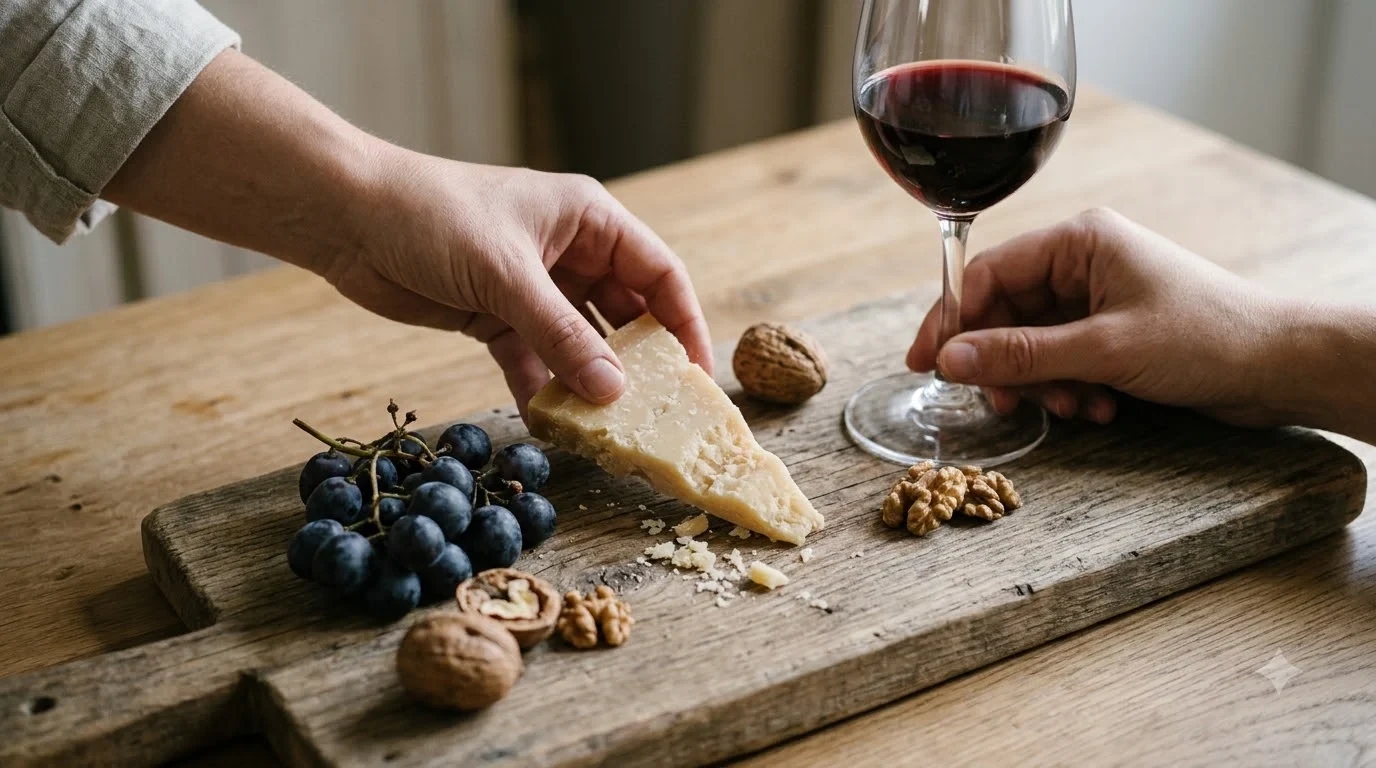
Nebbiolo’s high acidity and gripping tannins make it a premier partner for rich, savory northern Italian cuisine. Traditional Piedmont pairings include brasato al Barolo (beef braised in red wine), braised short ribs, roasted lamb shanks, and egg tajarin pasta tossed with butter and shaved white truffles or wild porcini mushrooms. Aged hard cheeses such as Parmigiano-Reggiano and Castelmagno provide enough salt and umami to tame young Nebbiolo tannins, while oily fish and fiery chili-spiced dishes should be avoided because tannins clash with fish oils and amplify capsaicin heat.
Shiraz’s plush dark fruit, lower perceived acidity, and sweet oak spice suit charred, smoky, and moderately spiced proteins. Classic pairings include flame-grilled ribeye steak, barbecued beef brisket, smoked pork ribs, and herb-crusted rack of lamb. Pepper-crusted steaks echo Shiraz’s natural rotundone spice, and roasted root vegetables or grilled portobello mushrooms offer a savory vegetarian match. Keep intensely hot chili glazes mild, however, as Shiraz’s 14.5% alcohol and oak tannins can accentuate spicy heat.
Serving Temperature, Decanting, and Cellar Aging
Both Nebbiolo and Shiraz belong in the full-bodied red serving window of 60 to 65 F, and both benefit from decanting in youth, though their cellar timelines diverge sharply. Treating each bottle to proper aeration and cool storage opens secondary complexity while preventing premature oxidation.
Serving either wine at a warm 72 F kitchen temperature makes alcohol taste sharp and muddies floral or pepper aromatics. Chilling bottles in a refrigerator for 15 to 20 minutes before pouring brings them right into the 60 to 65 F sweet spot, using a standard 5-ounce pour that yields roughly five glasses per 750-milliliter bottle. Young Barolo, Barbaresco, and concentrated Barossa Shiraz should be decanted for 30 to 60 minutes—and up to two hours for young Riserva Barolo—to soften tannins and blow off reduction, whereas fragile older bottles over 15 years old need only a gentle pour off sediment. Once opened, recorked bottles keep best in the refrigerator for 3 to 5 days.
For long-term aging, store cork-finished bottles horizontally in a dark space held steadily near 55 F with 50% to 70% humidity so corks remain moist and airtight. Thanks to its high acidity and dense tannins, top Barolo and Barbaresco routinely evolve for 15 to 30 years in a cellar, trading primary cherry notes for dried rose, leather, and truffle. While everyday Langhe Nebbiolo and entry-level Shiraz drink best within 3 to 6 years, top multi-regional and old-vine South Australian icons like Penfolds Grange often reward 15 to 25 years of bottle age. Browse additional side-by-side grape matchups in the Wine vs Wine library when planning future cellar purchases.
Frequently Asked Questions
Are Shiraz and Syrah the same grape variety?
Yes, Shiraz and Syrah are different regional names for the same Vitis vinifera grape variety. Winemakers in France, California, and cooler parts of Australia typically use the name Syrah to signal a leaner, higher-acid, pepper-driven style, while warm-climate Australian producers use Shiraz for riper, fuller-bodied bottlings.
Why does Nebbiolo turn orange at the rim faster than Shiraz?
Nebbiolo skins contain a high proportion of peonidin and cyanidin anthocyanin pigments, which oxidize and shift hue faster than the malvidin pigments dominant in Shiraz. As oxygen slowly enters through the cork, those pigments polymerize and shift from translucent ruby toward brick-orange within just five to eight years of harvest.
Which wine is better for someone who dislikes dry, mouth-puckering reds?
Warm-climate Shiraz is the safer choice because ripe blackberry fruit, higher glycerin texture, and vanilla-tinged oak soften the perception of tannin. Young Nebbiolo’s combination of high acidity and firm grape-skin tannins creates a noticeably drier, more astringent finish unless paired with rich, fatty food.
Do Australian winemakers ever blend Shiraz with white grapes?
Yes, several Australian producers co-ferment Shiraz with up to 5% Viognier or splash in a small amount of Riesling, a technique inspired by Côte-Rôtie in France’s Northern Rhône. Co-fermenting with white skins stabilizes deep purple color pigments while adding lifted apricot and floral aromatics to rich Shiraz.
Can Nebbiolo grow successfully outside Italy?
Nebbiolo is planted in small pockets of California, Washington, Mexico’s Valle de Guadalupe, and Australia’s King Valley and Adelaide Hills. Because the grape buds early and needs long, dry autumn sun on limestone-rich slopes to ripen its fierce tannins, production outside Piedmont remains tiny compared to global Shiraz plantings.
Choosing between Nebbiolo and Shiraz comes down to whether the meal calls for high-acid, savory Italian structure or plush, sun-ripened dark fruit and spice. Pour Nebbiolo when rich braises, aged cheeses, or truffle dishes are on the table, and reach for Shiraz when firing up the grill or craving a velvety, fruit-forward glass.
More in Wine vs Wine
 Chenin Blanc vs Pinot Gris: Acidity, Body, and Pairing DifferencesUpdated Nov 20, 2026
 Chianti vs Lambrusco: How Tuscany and Emilia-Romagna Reds CompareUpdated Nov 20, 2026
 Chianti vs Primitivo: Key Differences in Taste, Body, and PairingUpdated Nov 20, 2026
 Chianti vs Rioja: Key Differences in Taste, Aging, and PairingUpdated Nov 20, 2026
 Chianti vs Shiraz: How Acidity, Body, and Food Pairings CompareUpdated Nov 20, 2026
 Chianti vs Syrah: Key Differences in Taste, Body, and Food PairingUpdated Nov 20, 2026