


We may earn a commission when you buy through links on this page, at no extra cost to you. Learn more.
Where is shiraz from? Shiraz originally comes from southeastern France, particularly the Northern Rhône Valley, where the same red wine grape is traditionally called Syrah. Although Shiraz is now strongly associated with Australia, its historical and genetic origins are French, not Persian. Australian growers received the grape in the early 1800s and developed distinctive regional styles that helped make Shiraz one of the country’s most recognizable red wines.
The story of Shiraz connects two important wine-producing countries, several centuries of winemaking history, and a name that has created considerable confusion. France is the grape’s traditional home, while Australia helped establish Shiraz as an internationally recognized wine identity. Understanding the difference between its origins and its modern reputation makes it easier to appreciate bottles from the Rhône Valley, Barossa Valley, and other wine regions around the world.
France Is the Original Home of the Shiraz Grape
Shiraz originated in southeastern France, with the Northern Rhône Valley representing its traditional home. In France, the grape is called Syrah, and it has been associated with the region’s red wines for centuries.
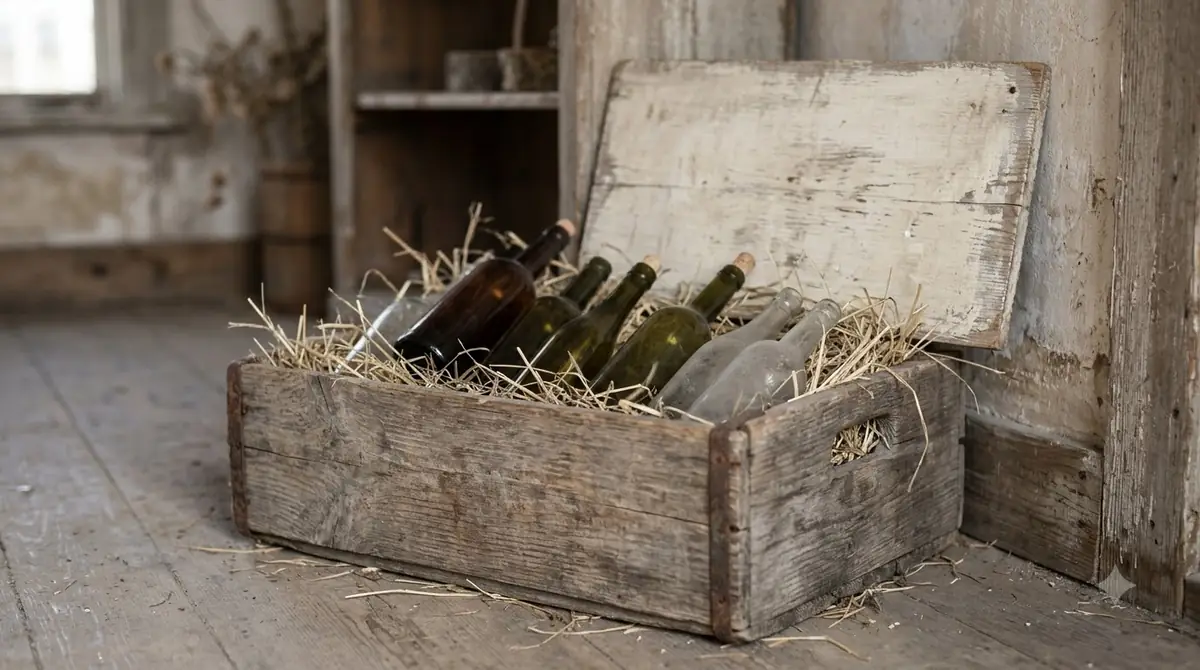
The Northern Rhône follows the Rhône River through a landscape of hillsides, narrow valleys, and vineyards that frequently occupy steep slopes. Several celebrated wine appellations are associated with Syrah, including Côte-Rôtie, Hermitage, Crozes-Hermitage, Saint-Joseph, and Cornas. These places established the grape’s reputation long before Australian Shiraz became internationally recognized.
Hermitage is particularly important to Syrah’s history. Its vineyards occupy a prominent hillside overlooking the Rhône River near the town of Tain-l’Hermitage. Wines from this area developed a reputation for concentration, structure, and longevity. Historically, Hermitage wines were also valued as blending components because they could contribute color, body, and intensity to other French wines.
Côte-Rôtie is another landmark appellation. Its steep vineyard slopes create challenging growing conditions, and the region has a long tradition of making red wines primarily from Syrah. Some producers also use a small proportion of Viognier, a white grape, in traditional co-fermentation. This practice can contribute floral characteristics and additional aromatic complexity.
The Northern Rhône’s climate is generally more moderate than that of warmer southern wine regions. This difference influences grape ripening and the resulting wines. Northern Rhône Syrah often emphasizes fresh dark fruit, black pepper, violet, and savory notes rather than the especially ripe fruit character associated with some warmer regions.
Other important Northern Rhône appellations include Cornas, Crozes-Hermitage, and Saint-Joseph. Cornas is especially associated with concentrated Syrah, while Crozes-Hermitage offers a broader range of styles from vineyards surrounding the Hermitage area. Saint-Joseph is another important source of Syrah, with wines that can show fresh fruit and savory complexity.
The grape’s French identity is firmly connected to this landscape and winemaking tradition. Although it now grows in countries across the globe, the Northern Rhône remains the reference point for understanding its historical origins. Wines labeled Syrah from France preserve the traditional name used in the grape’s original region.
Why Shiraz Is Not Originally From Persia
The name Shiraz can create a misleading connection with the historic Persian city of Shiraz, located in modern-day Iran. However, the grape is not established as originating in that city, and the similarity between the two names does not demonstrate a historical connection.
The Persian-origin story has circulated for generations, partly because Shiraz is a recognizable geographical name with a long historical association with wine. The city itself has a cultural connection with winemaking and has long been associated with wine in Persian history. That background, however, should not be confused with the documented origins of the modern Shiraz and Syrah grape.
Scientific research provides a clearer explanation. DNA profiling conducted in 1998 identified two parent varieties of Syrah: Dureza, a dark-skinned grape, and Mondeuse Blanche, a white grape. Both are associated with the Rhône-Alpes region of southeastern France. This genetic evidence supports the grape’s French origins rather than the older theories connecting it to Persia or other Mediterranean locations.
The distinction between a grape’s place of origin and the place where its international reputation develops is important. France established the historic Syrah tradition, but Australia created a powerful identity around Shiraz. Both countries have played major roles in the variety’s modern story.
It is also useful to distinguish Shiraz from Petite Sirah. Despite the similar names, Petite Sirah is a different grape variety, also known as Durif. It is associated with a crossing involving Syrah and Peloursin and should not be confused with ordinary Shiraz or Syrah.
Tip: When comparing bottles, think of Syrah and Shiraz as two naming traditions for the same grape. French Northern Rhône Syrah and Australian Shiraz can taste noticeably different because of climate, vineyard conditions, and winemaking choices.
For a closer look at the traditional French name, its regional history, and the grape’s characteristics, read more about where is syrah from.
How Shiraz Traveled From France to Australia
Shiraz reached Australia during the early nineteenth century, when European grape varieties were being introduced to the developing Australian wine industry. One particularly important figure was James Busby, whose vine-collecting activities helped establish many classic European varieties in Australian vineyards.
Busby was a Scottish viticulturist who studied grape growing in Europe. During his travels, he collected vine cuttings from several wine regions, including France. In 1832, he brought a substantial collection to Australia, including Syrah material associated with the Rhône Valley.
These early introductions helped establish the foundations of Australian Shiraz production. The grape was initially planted in New South Wales, including areas around Sydney and the Hunter Valley, before spreading to other developing wine regions.
Australian wine history contains several names for the grape before Shiraz became the standard description. Early records and wine references include Scyras, Ciras, and Hermitage. The Hermitage name reflected the grape’s association with the famous Northern Rhône appellation and its reputation for producing powerful red wine.
The name Shiraz eventually became firmly established in Australia. It also became associated with a recognizable wine style, particularly richer, fuller-bodied reds from South Australia. Over time, the Australian name gained international recognition, even in countries where producers traditionally use Syrah.
The variety adapted successfully to Australian growing conditions. Its ability to perform in moderate and warm climates allowed it to spread beyond its initial plantings. Growers established Shiraz vineyards in regions including the Hunter Valley, Barossa Valley, McLaren Vale, Clare Valley, and parts of Victoria.
The grape’s success was not simply a matter of transferring French vines to another country. Australian growers developed their own approaches to vineyard management, harvesting, fermentation, and maturation. Different climates and soils produced distinctive regional expressions, gradually giving Australian Shiraz an identity separate from the wines traditionally called Syrah in France.
The Barossa Valley became particularly important in this development. Its warm growing conditions and established vineyards helped produce rich, concentrated wines that attracted attention in domestic and international markets.
Historic vineyards also provide a direct connection between the early introduction of Shiraz and the modern Australian wine industry. Wine Australia identifies several important old plantings that remain associated with the country’s wine heritage:
- 1843: Langmeil’s Freedom vineyard in the Barossa Valley, South Australia, is believed to have been planted with Shiraz.
- 1847: Turkey Flat in the Barossa Valley has historic Shiraz plantings believed to date to this period.
- 1860: Tahbilk in Nagambie Lakes, Victoria, is associated with another important historic Shiraz planting.
These vineyards demonstrate how deeply the variety became established in Australian viticulture. Their continued importance also helps explain why Australia is now so closely associated with the Shiraz name.
Australia’s Most Important Shiraz Regions
Australia is the country most strongly associated with the Shiraz name, and the grape is cultivated in virtually every Australian wine region. The Barossa Valley, McLaren Vale, Clare Valley, Hunter Valley, Eden Valley, and Heathcote are especially useful starting points for understanding the range of Australian styles.
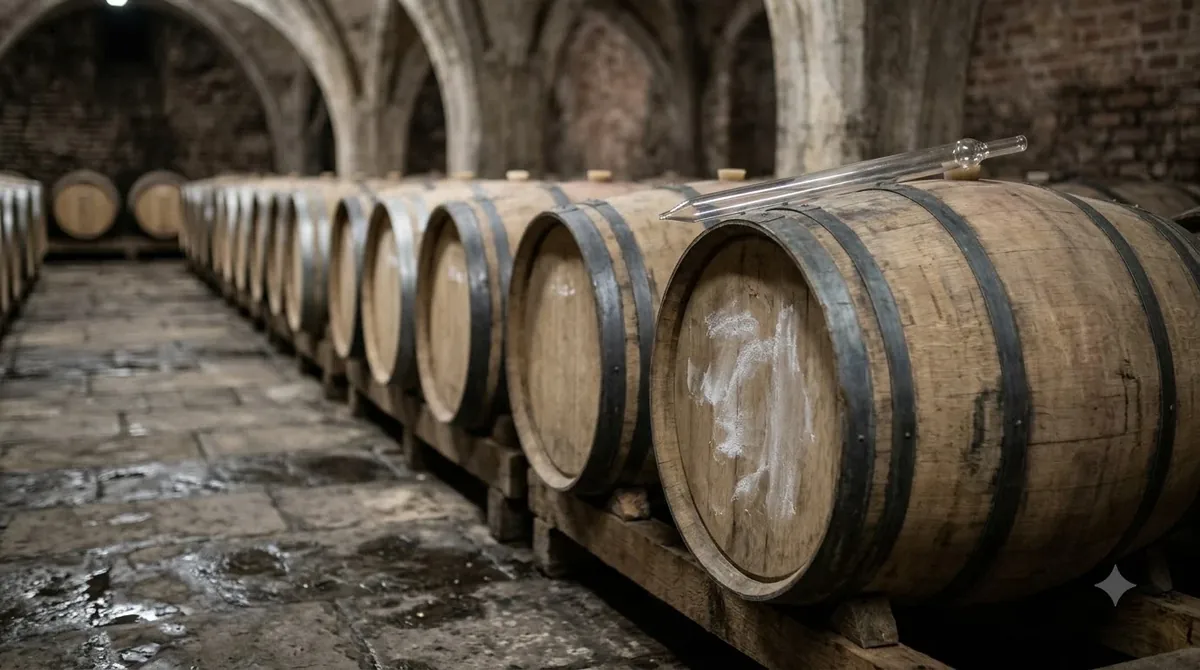
According to Wine Australia, Shiraz is the country’s most widely planted winegrape variety. The organization reports 39,893 hectares of Australian Shiraz plantings for the 2019–2020 reporting period, demonstrating the variety’s considerable importance to the national wine industry.
The country’s different climates and vineyard conditions produce meaningful differences between regional wines. A Shiraz from a warm inland valley may be much richer and more concentrated than one from a cooler, elevated vineyard. Even within South Australia, differences in altitude and nighttime temperatures influence the final wine.
Barossa Valley, South Australia
The Barossa Valley is one of the most famous Shiraz regions in Australia. Its warm climate encourages ripe grapes and produces wines known for full body, rich texture, and generous dark-fruit character.
Typical Barossa Shiraz aromas and flavors include blackberry, black cherry, plum, pepper, and spice. Some examples also develop chocolate, licorice, and earthy characteristics through maturation. The region’s historic vineyards are particularly important to its international reputation.
McLaren Vale, South Australia
McLaren Vale is another major source of Australian Shiraz. Its Mediterranean-influenced climate and varied vineyard environments help produce wines with ripe fruit, substantial texture, and regional individuality.
Shiraz from this region often shows dark berries, blueberry, plum, spice, and chocolate characteristics. Some producers also make blends with Grenache and Mourvèdre, following the traditional southern French combination widely known as GSM.
Clare Valley and Eden Valley
Clare Valley is well known for Riesling, but Shiraz is also an important variety there. Warm days help the grapes develop concentrated flavors, while consistently cooler nights contribute to the retention of acidity.
Eden Valley is part of the greater Barossa Zone, but its higher-altitude vineyards create different growing conditions. Wine Australia describes Eden Valley Shiraz as typically medium to full-bodied, with blackberry, sage, and pepper characteristics. Harvest can take place up to two weeks later than in the Barossa Valley.
Hunter Valley, New South Wales
The Hunter Valley produces a distinctive style of Shiraz that differs from the more concentrated examples commonly associated with the Barossa. The region’s warm but relatively condensed growing season, together with its maritime influences, affects how grapes ripen.
Hunter Valley Shiraz is generally medium-bodied, with red-fruit and savory characteristics. It can offer a more restrained alternative to a rich Barossa bottling, making the region a useful comparison when exploring Australia’s regional diversity.
Heathcote, Victoria
Heathcote is another notable Australian Shiraz region. Its ancient Cambrian soils, which Wine Australia describes as more than 500 million years old, are an important part of its regional identity.
Heathcote wines can be medium to full-bodied, with dark fruit, spice, and an iron-like mineral character. Their texture can resemble Barossa Shiraz, although their flavor profiles are distinct.
The range of regional expressions is one reason Australian Shiraz is more diverse than a single description such as big, rich, or powerful might suggest. Exploring bottles from several regions provides a better understanding of how climate and growing conditions shape the grape.
How French Syrah and Australian Shiraz Differ
French Syrah and Australian Shiraz come from the same grape, but their typical wine styles can differ considerably. Climate is one of the most important influences, although vineyard location, harvest decisions, fermentation methods, and oak maturation also contribute to the final result.
In the Northern Rhône, moderate growing conditions generally allow Syrah to develop fresh fruit characteristics and savory complexity without the especially ripe profile associated with some warm-climate wines. Black pepper, blackberry, violet, olive, and earthy notes are commonly associated with the region’s wines.
In warmer Australian regions, Shiraz often develops riper dark-fruit flavors and a fuller texture. Barossa Valley examples are particularly known for blackberry, plum, spice, and concentrated fruit. Some wines also display chocolate and licorice notes, especially when oak maturation contributes additional layers.
These differences are not absolute rules. Australian producers also make lighter, more restrained Shiraz, while some French Syrah wines are concentrated and structured. Regional climate provides a useful starting point, but it cannot explain every difference between individual bottles.
| Characteristic | Northern Rhône Syrah | Australian Shiraz |
|---|---|---|
| Traditional name | Syrah | Shiraz |
| Important regions | Côte-Rôtie, Hermitage, Cornas | Barossa Valley, McLaren Vale, Heathcote |
| Typical body | Medium to full | Medium to full |
| Common fruit | Blackberry, black cherry | Blackberry, plum, black cherry |
| Common spice notes | Black pepper, savory spice | Black pepper, spice, licorice |
| Climate influence | Generally moderate | Moderate to warm, depending on region |
| Historic vineyard examples | Hermitage and Côte-Rôtie | Langmeil 1843, Turkey Flat 1847 |
The distinction between the two names also reflects different wine cultures. French producers traditionally use Syrah, following the grape’s established regional identity. Australian producers helped popularize Shiraz as a recognizable name for their wines, and it has become strongly associated with the country’s wine exports.
Decanter explains that the stylistic distinction partly reflects growing conditions. South Australia’s warmer climate can produce riper fruit and higher potential alcohol, while Northern Rhône wines are generally associated with more restrained fruit, finer tannins, and higher acidity. The differences are also influenced by winemaking choices and oak maturation.
For a useful comparison, choose one Northern Rhône Syrah and one Barossa Shiraz. Serve both at approximately 60–65 F, paying attention to differences in fruit ripeness, pepper, body, acidity, and tannin. This side-by-side approach reveals how the same grape can express two distinct regional identities.
For further background on the differences between the names and their wine styles, see Decanter’s explanation of Syrah and Shiraz.
What Shiraz Tastes Like and How It Is Made
Shiraz is generally a dry red wine with dark-fruit flavors, noticeable tannins, and medium to high acidity. Its characteristic profile often includes blackberry, black cherry, plum, black pepper, and savory spice, although the exact combination varies by region and production method.
The grape has naturally dark skins that contribute deep color and structure. During fermentation, contact between grape skins and juice extracts color, tannins, and flavor compounds. The duration and management of this contact help determine whether the finished wine feels relatively smooth or more firmly structured.
Oak maturation is common in Australian Shiraz, although it is not essential for every style. Newer barrels can contribute vanilla, toast, and additional spice, while older barrels generally provide less pronounced oak flavor. Some producers favor stainless-steel or other non-oak approaches to preserve fresh fruit characteristics.
Wine Australia notes that producers use different oak approaches, including French oak and older barrels, to influence complexity and texture. Some early-drinking Shiraz wines are made without oak maturation. This variety of production methods contributes to the range of styles available under the Shiraz name.
Shiraz Blends
Although Shiraz is frequently bottled as a single-variety wine, it is also an important blending grape. Its color, fruit concentration, and structure make it a useful partner for several other red varieties.
One of the best-known combinations is GSM, which stands for Grenache, Shiraz, and Mourvèdre. Grenache can contribute red fruit and generous texture, Shiraz provides dark fruit and structure, and Mourvèdre can add savory depth and additional tannin.
Shiraz and Cabernet Sauvignon are another familiar Australian combination. Cabernet typically contributes firmer tannins and cassis-like fruit, while Shiraz adds ripe dark-fruit character and a different textural dimension. The balance depends on the proportions and the individual winemaking decisions.
Shiraz Viognier is a further style associated with both French and Australian winemaking traditions. A small proportion of Viognier can be co-fermented with Syrah or Shiraz to contribute aromatic complexity and floral characteristics. This approach is particularly associated with the traditional wines of Côte-Rôtie.
Understanding the Body and Tannin
Shiraz commonly has medium-plus to high tannin, although individual wines vary. Tannins create a drying sensation on the gums and tongue, contributing structure and helping some wines develop over time.
A young, concentrated Barossa Shiraz may feel considerably firmer and richer than a medium-bodied Hunter Valley example. This difference is a reminder that the grape name alone does not determine the weight or intensity of a wine.
Shiraz also has enough acidity to balance its dark fruit and structural elements. Cooler growing conditions can help preserve freshness, while warmer conditions often encourage greater ripeness. These factors influence whether a wine feels lively and savory or particularly rich and plush.
How to Serve Shiraz and Choose Food Pairings
Shiraz is best served slightly below typical room temperature, with full-bodied examples generally benefiting from a serving temperature of 60–65 F. The right temperature helps maintain freshness while allowing the wine’s fruit, spice, and savory aromas to develop.
Serving a full-bodied Shiraz too warm can make its alcohol seem more prominent and its structure feel heavier. A slightly cooler temperature can make the wine more balanced. If a bottle has been stored in a warm room, a short period in the refrigerator can help bring it closer to the recommended range.
A standard 5-ounce pour allows enough room in the glass to appreciate the aromas. A 750 ml bottle provides approximately five standard glasses. Choose a reasonably large red wine glass so the wine has room to release its aromas.
Young, full-bodied Shiraz can benefit from decanting for approximately 30–60 minutes. This gives the wine time to interact with oxygen and can soften the impression of firm tannins. Older bottles should be handled more carefully because extended aeration may reduce their delicate aromas.
Food Pairings for Australian Shiraz
Rich, savory foods are natural partners for many Shiraz wines. The grape’s dark fruit and tannin structure work particularly well with grilled and roasted meats, especially when the preparation includes charred surfaces, herbs, or spice.
- Grilled beef: A rich Barossa Shiraz complements the savory flavors of grilled steak, especially when the meat has a pepper crust or charred exterior.
- Roast lamb: Lamb with rosemary, garlic, and roasted vegetables works well with medium to full-bodied Shiraz.
- Barbecue: Smoky barbecue dishes pair naturally with wines that show dark fruit, pepper, and oak-derived spice.
- Beef stew: Slow-cooked beef with mushrooms and herbs suits the savory characteristics of Northern Rhône Syrah.
- Hard cheese: Mature cheddar and other firm cheeses can complement the structure and concentration of Shiraz.
Food preparation matters as much as the main ingredient. Salt and fat can soften the perception of tannin, which is useful when serving a more structured Shiraz with rich meat dishes. Acidic sauces, however, need a wine with equal or higher acidity to avoid making the wine taste flat.
Spicy dishes require some care. Chili heat can feel stronger alongside alcoholic, tannic red wine, so a particularly hot curry may overwhelm a powerful Shiraz. Moderately spiced lamb or dishes with aromatic herbs can be more successful partners.
For a lighter Shiraz from the Hunter Valley or a cooler Australian region, consider roast chicken, mushroom dishes, or moderately spiced lamb. These foods are less likely to overpower a wine with more restrained fruit and body.
Readers comparing other grape varieties can also explore where is merlot from to understand how a softer red wine differs from Shiraz in tannin and structure. Those interested in fortified Portuguese wine can also learn more about where is port from and how its production differs from ordinary dry red wine.
Frequently Asked Questions
Is Shiraz the same as Syrah?
Yes. Shiraz and Syrah are genetically the same grape variety, and the difference is primarily in the naming tradition. Syrah is the traditional French name, while Shiraz is particularly associated with Australia. Both names are also used by producers in other wine-producing countries.
Was Shiraz the first name of the grape?
No. Syrah is the traditional name associated with the grape’s French origins. The Australian wine industry adopted several early names, including Scyras and Hermitage, before Shiraz became widely established. The modern distinction reflects regional wine traditions rather than a different botanical variety.
Does Shiraz have a white grape counterpart?
There is no white version of the Shiraz grape that forms part of the Syrah and Shiraz naming relationship. However, Viognier is sometimes used alongside Syrah in Côte-Rôtie and in Shiraz Viognier wines. Viognier is a separate white grape variety, not a white mutation of Shiraz.
Can Shiraz be made into sparkling wine?
Yes. Australian winemakers produce sparkling red wines using Shiraz, creating a distinctive style that differs from conventional still red wine. These wines can retain dark-fruit flavors while showing lively bubbles and a refreshing texture. They are an established part of Australia’s diverse wine production.
How long can a bottle of Shiraz age?
Ageability depends on concentration, acidity, tannin, winemaking, and storage conditions. Some everyday Shiraz is intended for relatively early drinking, while carefully made examples from regions such as Barossa Valley and Hermitage can develop additional complexity over many years. A consistently cool storage environment near 55 F helps preserve wine during bottle aging.
Shiraz began its history in France as Syrah, but Australia transformed the grape into one of the most recognizable names in modern red wine. From the historic slopes of Hermitage and Côte-Rôtie to the old vineyards of Barossa Valley, its story demonstrates how one grape can develop different identities across regions. Exploring both French Syrah and Australian Shiraz is an excellent way to appreciate the variety’s history, versatility, and remarkable range of wine styles.
More in Wine Types & Grapes
 What Does Mourvèdre Taste Like? Flavor Profile, Regions, and PairingsUpdated Nov 20, 2026
 What Does Marsanne Taste Like? Flavors, Styles, and Food PairingsUpdated Nov 20, 2026
 What Does Malvasia Taste Like? Styles, Flavors, and Food PairingsUpdated Nov 20, 2026
 What Does Grenache Blanc Taste Like? Flavor Profile, Styles, and PairingsUpdated Nov 20, 2026
 What Does Garnacha Taste Like? Key Flavors, Styles, and Pairing TipsUpdated Nov 20, 2026
 What Does Fruit Wine Taste Like? A Complete Flavor and Style BreakdownUpdated Nov 20, 2026