

We may earn a commission when you buy through links on this page, at no extra cost to you. Learn more.
Late bottled vintage port wine is a port aged in cask for four to six years before bottling, which makes it richer than a ruby port but less costly than a vintage port. Late bottled vintage, usually written as LBV, is made from a single harvest year. Some bottles are filtered and ready to drink, while others are unfiltered and need decanting to remove sediment.
Port is a fortified red wine from the Douro Valley in Portugal, and late bottled vintage is one of the styles most often misunderstood by buyers. The name suggests a vintage port, but the wine is aged differently and has a different taste. This guide explains how LBV is made, how it compares with other port styles, how to tell filtered from unfiltered bottles and how to serve it.
If you want a quick overview of how port and other fortified wines are grouped, the Wine by Type section is a good starting point.
How late bottled vintage port is made
LBV starts with a single harvest, just as vintage port does. The difference is in what happens next. Vintage port is bottled early, usually within two years, and then ages in the bottle for decades. LBV is kept in wooden casks longer and bottled later, typically four to six years after the vintage.
That longer cask aging softens the wine and changes its color and texture. The wine is bottled when it is ready to drink, so there is less need for long bottle aging. According to the port wine article, the style began as wine meant for vintage bottling that stayed in the barrel longer than planned.
| Style | Years in wood before bottling | Ready to drink |
|---|---|---|
| Vintage port | Short, bottled early | Needs long bottle aging |
| Late bottled vintage (LBV) | Four to six years | Usually ready on release |
| Ruby port | Blended and bottled young | Ready on release |
Filtered and unfiltered LBV
LBV comes in two forms. Filtered LBV has been filtered to remove sediment and is ready to drink without decanting. It tends to be lighter in body than vintage port, though some experts believe filtration removes part of the wine’s character. Unfiltered LBV still contains sediment, so it throws deposits in the bottle and should be decanted before serving.
The label is the simplest guide. Bottles marked bottle matured have been aged in the bottle for at least three years before release, a rule that has applied since 2002. Bottles without that mark are likely to be fined and filtered to some degree, so check the back label or the producer’s notes if you want an unfiltered style.
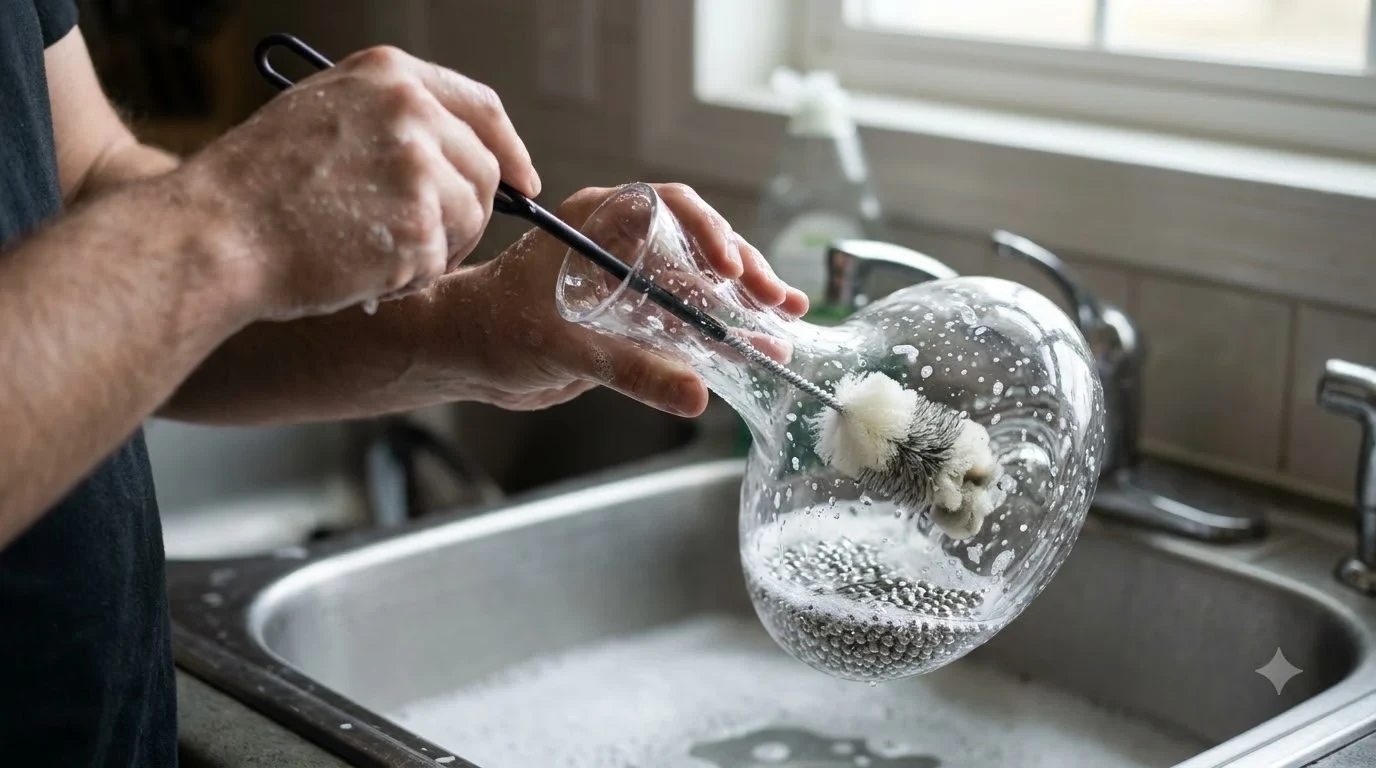
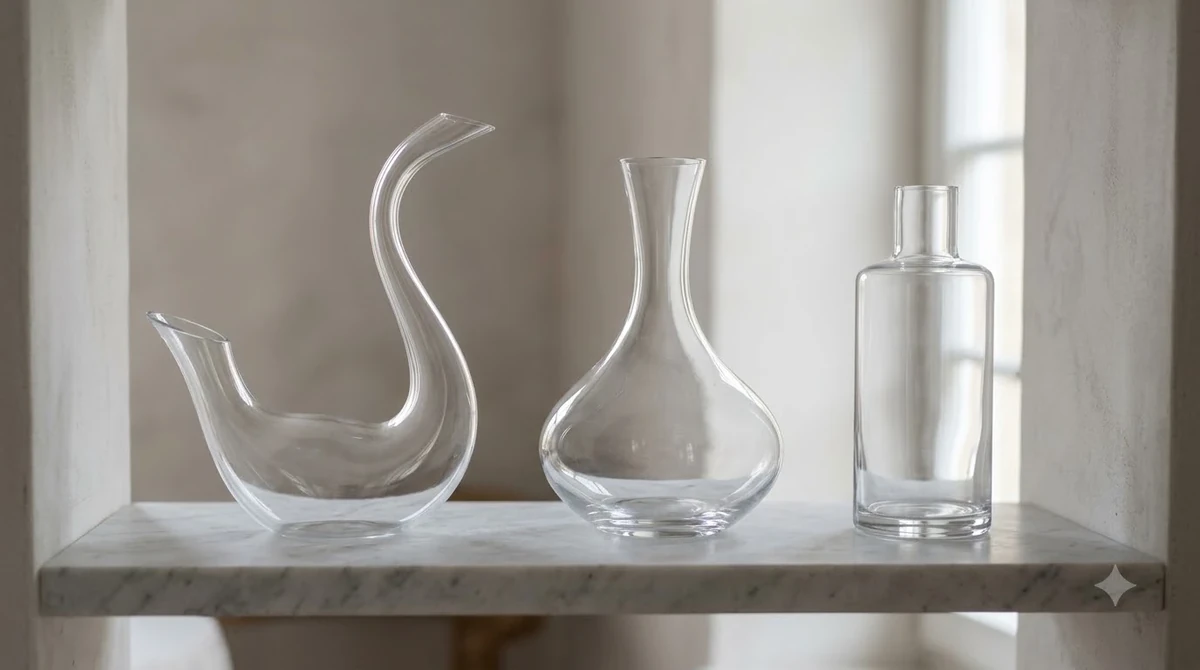
Decanting an unfiltered LBV is straightforward. Stand the bottle upright for a day or two so the sediment settles, then pour slowly into a decanter, stopping when the sediment reaches the neck of the bottle.
Sweetness and flavor of LBV
Port in general is a sweet red wine, and LBV follows that pattern. The sweetness comes from grape sugar that was not fully fermented before the spirit was added. Cask aging adds notes of dried fruit, spice and caramel, and the wine usually shows a fuller body than a young ruby port.
Compared with a tawny port, LBV is typically darker and more fruit-driven. Tawny ports age in wood for longer periods and turn a lighter amber color with nutty, toffee flavors. If you want to understand that color difference, the tawny port color guide explains how wood aging changes the appearance of the wine.
Late bottled vintage compared with other port styles
Port comes in several styles, and buyers often mix them up on the shelf. Ruby port is young, fruity and blended, usually ready to drink on release. Tawny port spends long periods in wood and takes on a paler amber color and nutty flavors. Vintage port is bottled from a single exceptional year and needs long bottle aging. Late bottled vintage sits between these: it comes from one harvest like vintage port, but it spends years in wood like tawny, which gives it a fuller, smoother style that is ready to drink without a long wait.
That middle position is the reason LBV is often recommended to people who want a port with depth but do not want to lay bottles down for decades. It is also a sensible choice for a gift or a dinner party, since the bottle can be opened the same day and the producer’s notes will explain the style clearly.
If you are comparing styles for a specific occasion, consider how much time you have. A ruby port works for a casual glass with dessert. An LBV suits a more considered dinner. A vintage port is best kept for a special occasion, when you are ready to wait for the bottle to mature.
How to serve late bottled vintage port
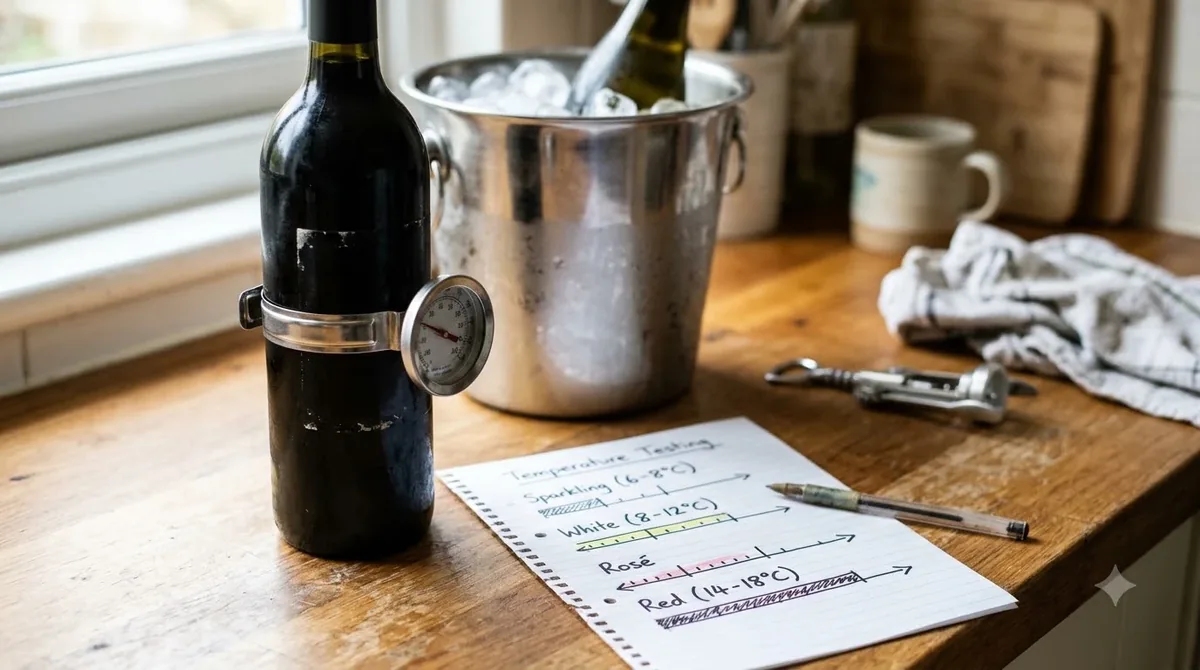
Serve port at a cool room temperature. The general guidance for port is 59–68°F (15–20°C), a range that keeps the sweetness balanced and the aromas clear. Serving port too warm can make the alcohol seem prominent, while serving it too cold dulls the flavors.
Once opened, LBV keeps better than most wines because the fortification slows oxidation. A well-sealed bottle keeps its character for a limited time, and the fruit gradually fades as the wine sits. For a longer look at how port lasts after it is opened or stored unopened, see the how long does port last unopened guide.
Food pairings for LBV port
LBV suits rich desserts such as chocolate tart, dark chocolate and fruit-based cakes. It also works with blue cheese, where the sweetness balances the salt. A glass after dinner pairs well with nuts and dried fruit.
Because LBV is sweet and fairly strong, keep portions small and serve it with food rather than as a long aperitif. For a dry white for comparison at the same meal, the albarino tasting notes guide covers a crisp white that often contrasts well with sweet and savory courses.
How to choose a bottle of LBV
Read the label for the vintage year, the bottling year and whether the bottle is filtered or unfiltered. Check the producer’s tasting notes for a description of body and sweetness. If you plan to drink the bottle the same evening, a filtered bottle saves the decanting step, while an unfiltered bottle suits a dinner where the ritual of decanting is part of the experience.
Price varies widely by producer and age statement, so compare styles rather than cost alone. The producer’s notes usually explain how long the wine spent in cask and whether it was filtered.
Frequently Asked Questions
What does late bottled vintage mean?
It means the port comes from a single harvest year and is bottled four to six years after that vintage, after a longer time in wood than vintage port.
Does LBV port need decanting?
Unfiltered LBV does, because it contains sediment. Filtered LBV is ready to drink as soon as it is opened.
Is LBV the same as vintage port?
No. Vintage port is bottled early and ages for many years in the bottle, while LBV spends longer in cask and is usually ready to drink on release.
What temperature should LBV be served at?
Serve port at a cool room temperature of about 59–68°F (15–20°C) for the best balance of sweetness and aroma.
Late bottled vintage port offers a practical middle path between ruby and vintage styles. Check whether the bottle is filtered, serve it at a cool room temperature and pair it with rich desserts or cheese. For more on how wine styles are grouped, return to the Wine by Type section and compare what you find.
More in Wine Types & Grapes
 Zinfandel Sugar Content: Dry Red vs. White Zinfandel GramsUpdated Nov 21, 2026
 Best Zinfandel Substitute Options for Sipping and CookingUpdated Nov 21, 2026
 Zweigelt Food Pairing: Best Dishes, Cheeses, and Serving TipsUpdated Nov 21, 2026
 Zinfandel Tannins Explained: How Structure Shapes Every BottleUpdated Nov 21, 2026
 Zinfandel Sweetness Level: Dry Red vs. Sweet White Zin ExplainedUpdated Nov 21, 2026
 Xinomavro Food Pairing: Best Dishes, Styles, and Serving TipsUpdated Nov 21, 2026