

We may earn a commission when you buy through links on this page, at no extra cost to you. Learn more.
Albariño tasting notes usually describe a light, high-acid white with lemon zest, grapefruit, nectarine, and honeysuckle, finishing with a saline, salty edge. The wine tends to smell floral and citrusy, with a crisp, mouthwatering feel on the palate. It is best served cold, around 38 to 45 degrees Fahrenheit, which keeps the aromas bright and the acidity lively.
Albariño is one of the most recognizable white grapes from northwest Spain and northern Portugal, and its tasting notes are easy to learn once you know what to look for. This guide breaks down the aromas, flavors, texture, and finish, then explains how to serve Albariño and which foods bring out its best side.
The core flavors in an Albariño glass
The fruit in Albariño tends to sit on the bright, citrus side of the spectrum. Wine Folly’s Albariño profile lists lemon zest, grapefruit, honeydew, and nectarine as the primary flavors, with lime appearing in the aroma. These fruit notes are usually clean and fresh rather than heavy or jammy, so the wine feels light even when the flavors are intense.
On the nose, many Albariños show a floral character. Honeysuckle is the classic reference point, sometimes with a waxy note that people describe as beeswax. The Wikipedia entry on the grape describes a distinctive botanical aroma with a citrus undertone, and compares it to other aromatic whites such as Viognier and Gewurztraminer. Some wines also suggest apricot and peach, especially when the grapes ripen further.
Acidity, body, and texture
Acidity is the defining trait of Albariño. Wine Folly labels the grape as high in acidity, which gives the wine its lively, mouthwatering feel. The Wikipedia entry describes the wine as unusually light and generally high in acidity, with alcohol typically between 11.5 and 12.5 percent. That combination makes it feel refreshing rather than rich.
The body is light, but the mid-palate can feel fuller than the weight suggests. This is one reason Albariño can taste substantial while staying crisp. A well-made bottle leaves the mouth clean, and the finish often carries a salty or mineral edge that many drinkers find memorable. Some wines also show a subtle bitterness, like green almond or citrus pith, which adds structure rather than harshness.
| Tasting element | Typical Albariño character |
|---|---|
| Citrus fruit | Lemon zest, grapefruit, lime |
| Stone and tree fruit | Nectarine, honeydew, sometimes apricot or peach |
| Floral | Honeysuckle, sometimes beeswax |
| Acidity | High, lively, mouthwatering |
| Body | Light, with a fuller mid-palate in some wines |
| Finish | Saline or mineral, occasionally a citrus-pith bitterness |
Tip: If a bottle tastes flat, check its serving temperature first. Cold wine shows the acidity and aroma most clearly, while a warm glass can make the fruit seem soft.
Where Albariño grows
Albariño is most closely linked to Rías Baixas in Galicia, Spain, where it is a major grape of the region. The Wikipedia entry names Rías Baixas as a significant producer, alongside the Barbanza e Iria area. In Portugal, the grape is known as Alvarinho and is used in Vinho Verde. There, it is authorized as a single-variety wine only in the Monção and Melgaço sub-regions, while in other districts it is often blended with other grapes.
The Portuguese side of the grape’s story is just as useful for tasting. Vinho Verde is a light, slightly spritzy region, and Alvarinho bottles from its best-known sub-regions often show the same citrus and saline character as Galician examples, with their own regional twist. Comparing the two is a practical way to learn how climate and winemaking change the expression of one variety.
Historically, Albariño was often blended in Galicia. Wikipedia notes that blends were common until about 1985, when the Rías Baixas designation was established and Albariño emerged as a distinct variety. Today, many bottles are made as varietal whites, and the grape is also grown in California, Oregon, Washington, and Uruguay.
How to serve Albariño
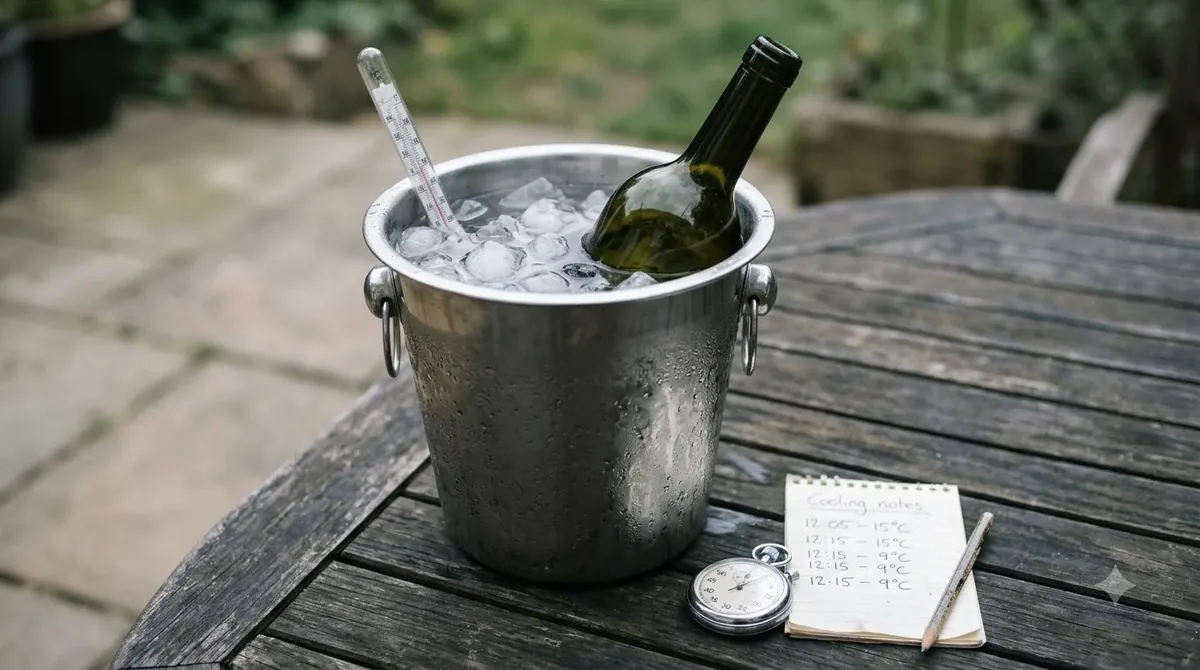
Serve Albariño cold, in the range of 38 to 45 degrees Fahrenheit, according to Wine Folly. That temperature keeps the aromas focused and the acidity crisp. A standard white wine glass with a moderate bowl lets the floral notes gather while leaving room to swirl. Avoid over-chilling, because very cold wine can mute the fruit and make the finish seem thin.
Open the bottle close to serving time, and keep the rest in a fridge with the closure replaced. Because the wine’s appeal rests on its fresh fruit and acidity, a bottle that has been open for several days will usually taste less lively than one opened the same day.
Food pairings that suit the tasting notes
Albariño is a natural match for seafood, especially shellfish and lightly cooked fish. Wine Folly suggests ceviche, seafood risotto, fish tacos, oysters, mussels, and clams. The wine’s acidity cuts through rich or oily textures, while its saline finish echoes the flavor of the sea. Fresh citrus dressings and herbs also work well alongside it.
Cheese is another good match. Wine Folly lists burrata, Manchego, Gouda, and feta. Vegetables with char, such as grilled padrón or shishito peppers, zucchini, eggplant, and asparagus, pair well too, as do Caprese salad, salsa verde, and a Caesar salad with a light dressing. For a deeper look at how red and white styles compare, see the cabernet sauvignon tasting notes guide, which covers a very different profile.
How to taste Albariño like a pro
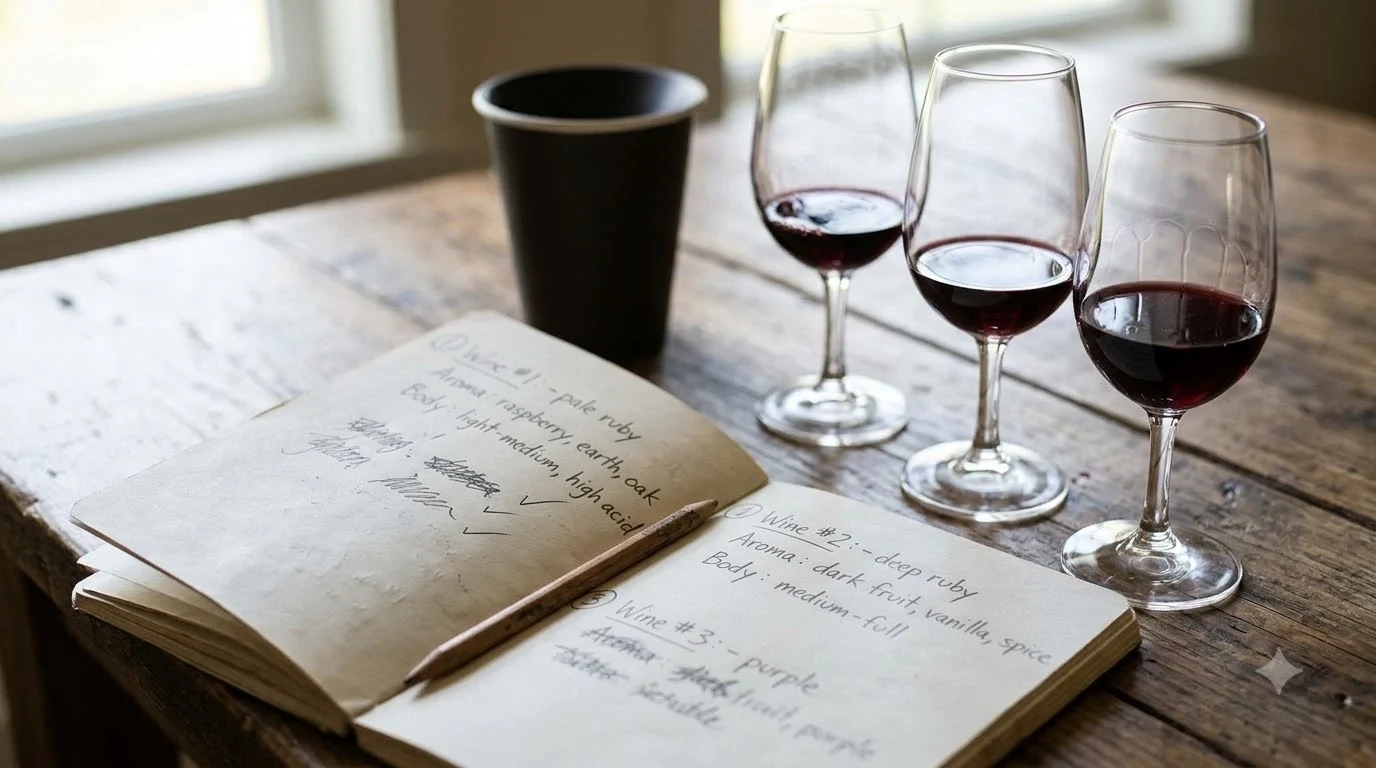
Start by pouring a small amount and letting the glass sit for a moment. Smell it before you sip, and note whether the first impression is citrus, stone fruit, or flowers. Then take a sip and let it coat the palate. Pay attention to acidity, which should feel brisk and clean, and to the finish, where you may notice salt or a faint bitterness.
Pay attention to how the wine changes as it warms in the glass. Early on, the citrus and floral aromas are usually the first thing you notice. As the glass warms toward room temperature, the fruit can turn softer and the acidity can seem less sharp, which is why many tasters prefer to finish a glass while it is still cold. Taking notes at two temperatures is a simple way to see how serving choices affect the taste.
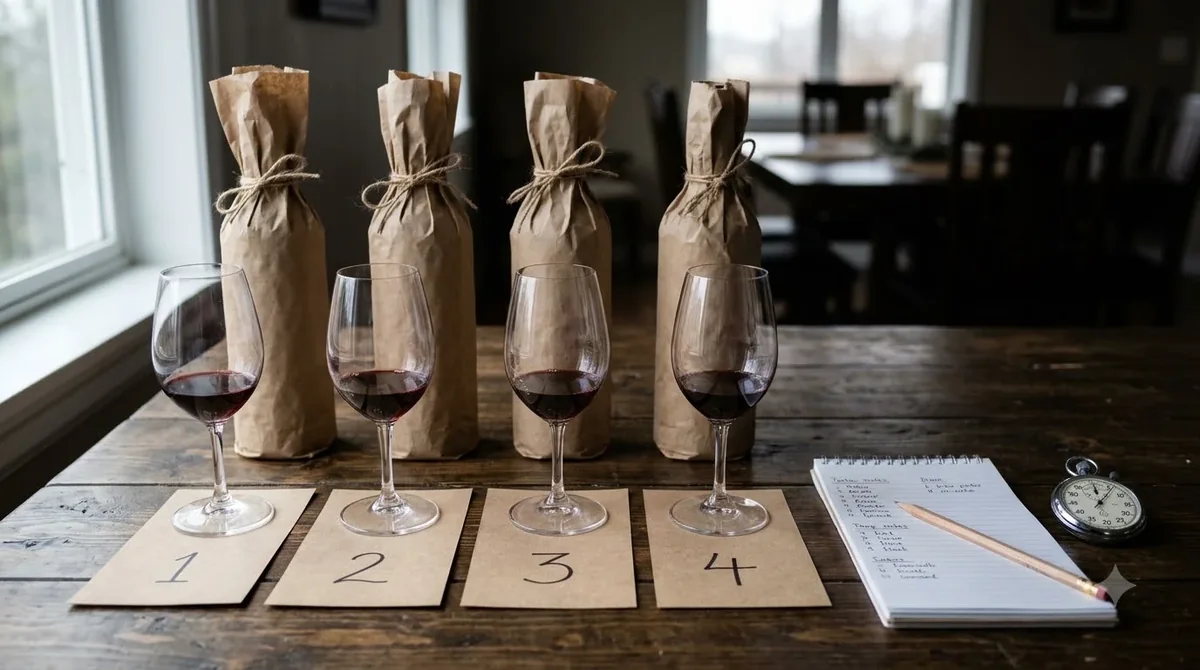
Compare two bottles from different regions if you can. A Rías Baixas and a Vinho Verde Alvarinho can show different levels of richness and minerality, which helps you learn what the grape does in each place. Keep notes on what you taste, because the same wine can shift from one vintage to the next.
Frequently Asked Questions
What does Albariño taste like?
Most Albariños taste of lemon zest, grapefruit, nectarine, and honeysuckle. The wine is light and high in acidity, with a clean, slightly saline finish.
Is Albariño sweet or dry?
Albariño is generally a dry white wine. Its fruit can taste ripe, but the high acidity keeps the finish crisp and clean.
What temperature should Albariño be served at?
Wine Folly recommends serving it between 38 and 45 degrees Fahrenheit, which is cool enough to keep the acidity lively and the aromas clear.
What food goes best with Albariño?
Seafood is the classic match, including oysters, mussels, clams, and fish tacos. Soft and sharp cheeses such as burrata, Manchego, and feta also work well.
Albariño rewards anyone who enjoys bright, aromatic whites. Learn the citrus and floral notes, pay attention to the acidity, and serve the wine cold alongside fresh seafood or light vegetables. Once you know its profile, the malbec tasting notes and merlot tasting notes guides can help you compare how red grapes express their character.
More in Wine Types & Grapes
 Zinfandel Sugar Content: Dry Red vs. White Zinfandel GramsUpdated Nov 21, 2026
 Best Zinfandel Substitute Options for Sipping and CookingUpdated Nov 21, 2026
 Zweigelt Food Pairing: Best Dishes, Cheeses, and Serving TipsUpdated Nov 21, 2026
 Zinfandel Tannins Explained: How Structure Shapes Every BottleUpdated Nov 21, 2026
 Zinfandel Sweetness Level: Dry Red vs. Sweet White Zin ExplainedUpdated Nov 21, 2026
 Xinomavro Food Pairing: Best Dishes, Styles, and Serving TipsUpdated Nov 21, 2026