

We may earn a commission when you buy through links on this page, at no extra cost to you. Learn more.
How long does port last unopened depends on the type: ruby and basic tawny are made to drink soon after bottling, while vintage port is designed to age in the bottle for decades. The reference entry on port gives no fixed shelf life for unopened bottles, but it does describe how each style ages in cask and bottle. Store every bottle in a cool, dark place at a steady temperature, and lay corked bottles on their side.
Port is a fortified wine from Portugal, and it often sits in a cupboard for a long time before anyone opens it. That makes the question of how long an unopened bottle keeps more important than it is for most table wines. The answer depends on which style is on the label, and the difference between a ruby and a vintage bottle is large. This guide explains how each style ages, how storage affects a sealed bottle, and how long port keeps once it has been opened.
What Port Is and Why It Ages Differently
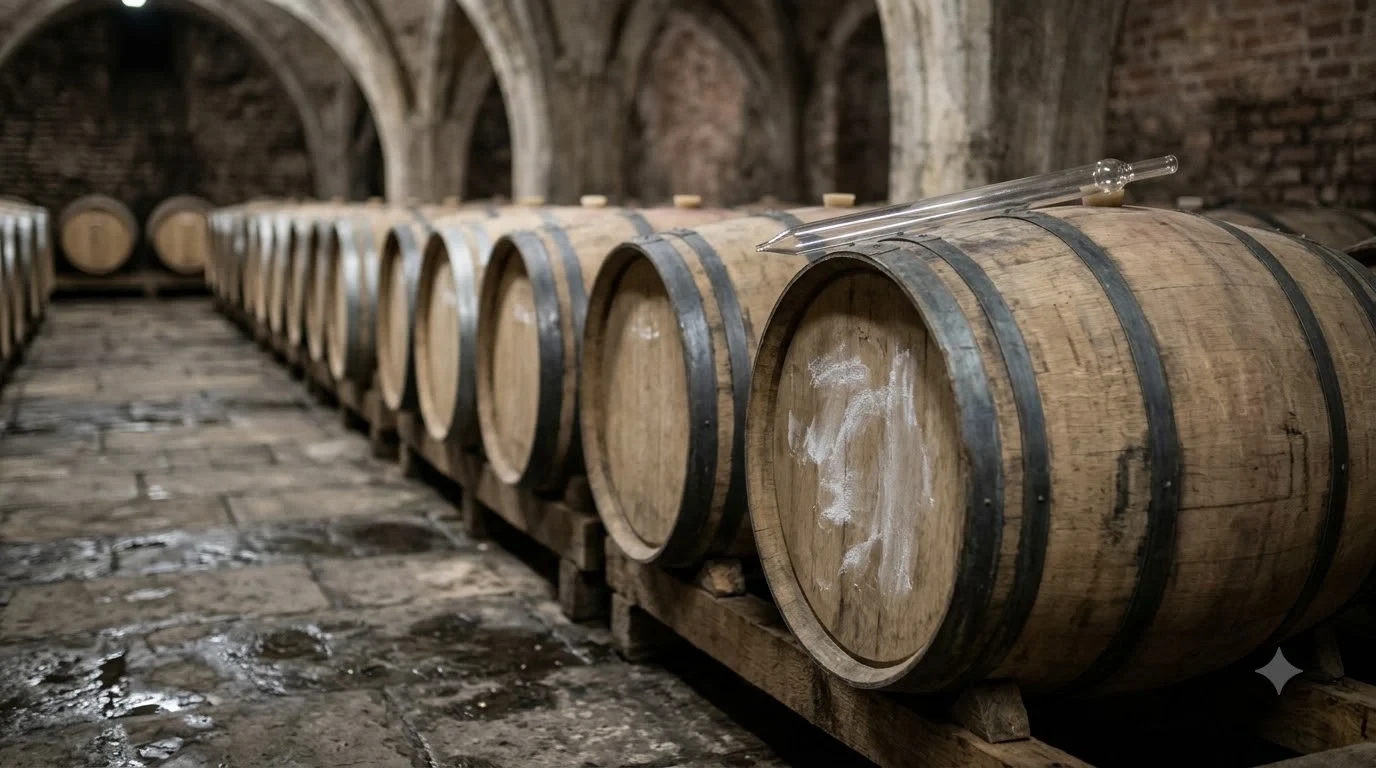
Port is made from grapes grown in the Douro region of northern Portugal. The wine is fortified by adding a neutral grape spirit, which halts fermentation before all the sugar is converted to alcohol. That leaves residual sugar in the wine and raises the alcohol content. Port usually sits between 19 and 22 percent alcohol by volume, according to the reference entry on Port wine, which gives a narrower range of 19 to 20 percent in its properties section.
The higher alcohol and sugar protect the wine from spoilage, which is one reason port keeps better than unfortified wine once opened. But the style of port matters more than the alcohol level when you ask about shelf life. Some port is aged in wood before bottling, and some is designed to change in the bottle, so the same grape can produce very different keeping behavior.
How Each Port Style Ages
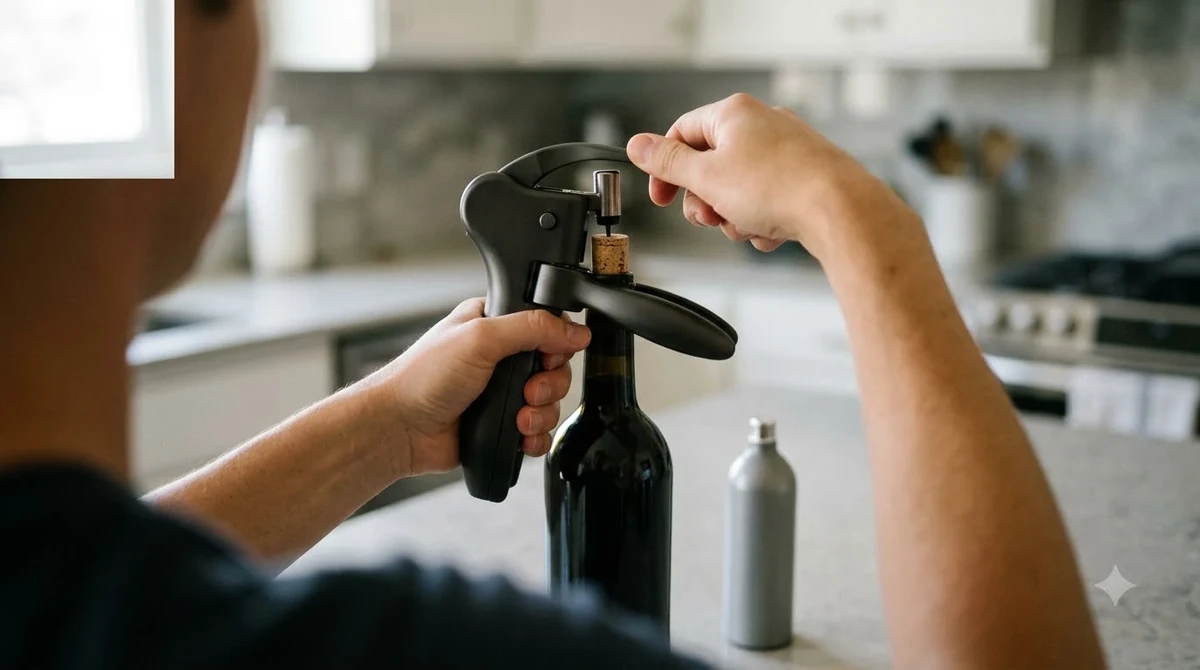
The main styles of port have different aging paths, and the label usually tells you which one you have. The table below summarizes what the reference entry says about each type.
| Style | How it is aged | Bottle behavior |
|---|---|---|
| Ruby | Stored in concrete or stainless steel tanks to limit oxidation and keep its color | Does not generally improve with age, so it is ready to drink on release |
| Premium ruby (LBV) | Aged in wood for four to six years | Ready to drink, with more depth than basic ruby |
| Vintage | Up to two and a half years in cask or steel before bottling | Designed to age another 10 to 40 or more years in the bottle |
| Basic tawny | Typically three to seven years in wooden barrels | Oxidized and golden-brown, ready to drink |
| Age-indicated tawny | Blends labeled 10, 20, 30, 40, or 50 years | Aged in wood, so the label age reflects the blend |
| Colheita | Single-vintage tawny aged at least seven years in wood | Ready to drink, with the vintage year on the label |
Ruby and basic tawny are the styles most people buy for everyday drinking. Vintage port is the style built for long bottle aging, and it is usually the only type that benefits from years of sealed storage. Premium ruby and colheita fall in between, offering more complexity than basic bottles without the long bottle life of vintage.
How Long an Unopened Bottle Keeps
The reference entry gives no fixed shelf life for unopened port, so there is no single number that applies to every bottle. Instead, the practical rule follows the style. A ruby or basic tawny bought from a shop is usually meant to be opened within a short time of release, because those styles do not gain much from bottle age. A vintage port, by contrast, is built to develop slowly and often needs many years before it shows its full character.
Because the producer’s intent matters, read the label and any accompanying note before deciding how long to keep a bottle. A vintage declaration, a bottling date, or a note about drinking windows can all help you choose the right time to open it.
Storage Rules for a Sealed Bottle
Storage is the same for most port styles. Keep bottles in a cool, dark place where the temperature stays steady. Heat and light speed up change in the wine, and large temperature swings can affect a long-aged bottle more than a young one. A basement shelf, a closet away from the furnace, or a wine cabinet with stable temperature all work well.
The reference entry advises storing port lying on its side when it has a cork. That keeps the cork moist and stops it from drying out and letting air into the bottle. Bottles with screw caps can stay upright. Avoid storing port next to appliances or in spots that get warm in summer and cold in winter.
Tip: If you bought an older vintage bottle and the cork is crumbling or the label is damaged, consider opening it soon and drinking it in a short window, since the seal is the weakest point of a long-aged bottle.
How Long Port Keeps Once Opened
Opened port lasts longer than most unfortified wine, but it is still best consumed within a limited period. The reference entry says that tawny may keep for several months once opened, which makes it the most forgiving style after the bottle is open. Young rubies, including vintage and LBV styles, can be kept open for several weeks, or longer when the wine is very young.
Old vintage port is the most delicate case. It should be consumed within several days of opening, since the reference entry gives that short window for old vintage bottles. Re-cork the bottle tightly and keep it cool between servings, and do not let an opened bottle sit on a warm counter.
Port Compared With Other Long-Keeping Drinks
Port is one of the few wines that is built to outlast most others once sealed, but it is not the only one. Sake and sparkling wine follow their own rules, and the differences are worth knowing before you plan a cellar. The sake shelf life guide covers how that drink changes over time, and the sparkling wine guide explains why bubbles fade faster once a bottle is opened.
For a table wine comparison, the chardonnay shelf life guide shows how a grape can keep for years in some styles and only a short time in others. The main lesson across all of these is the same: the style on the label matters more than the category of drink.
Frequently Asked Questions
How long does an unopened bottle of port last?
There is no single answer. Ruby and basic tawny are made to drink soon after bottling, while vintage port is designed to age in the bottle for 10 to 40 or more years. Check the style on the label to choose a sensible time to open it.
Does port get better sitting in the bottle?
Vintage port does, and it is built for that purpose. Ruby does not generally improve with age, according to the reference entry, so a ruby bottle is usually at its best when you buy it or within a short time afterward.
How long does port last after opening?
Tawny may keep for several months once opened. Young rubies, including vintage and LBV styles, can last several weeks. Old vintage port should be consumed within several days.
Where should I store an unopened bottle of port?
Store it in a cool, dark place with a steady temperature. If the bottle has a cork, lay it on its side so the cork stays moist. Avoid heat, light, and large temperature swings.
Port keeps differently from most wines, and the style on the label does most of the work in answering how long an unopened bottle lasts. Ruby and basic tawny are ready to enjoy, while vintage port rewards patience. Store bottles well, read the label, and once a bottle is open, plan to finish it within the windows above. For more on the wide range of wine types, browse the Wine by Type guides.
More in Wine Types & Grapes
 Zinfandel Sugar Content: Dry Red vs. White Zinfandel GramsUpdated Nov 21, 2026
 Best Zinfandel Substitute Options for Sipping and CookingUpdated Nov 21, 2026
 Zweigelt Food Pairing: Best Dishes, Cheeses, and Serving TipsUpdated Nov 21, 2026
 Zinfandel Tannins Explained: How Structure Shapes Every BottleUpdated Nov 21, 2026
 Zinfandel Sweetness Level: Dry Red vs. Sweet White Zin ExplainedUpdated Nov 21, 2026
 Xinomavro Food Pairing: Best Dishes, Styles, and Serving TipsUpdated Nov 21, 2026