

We may earn a commission when you buy through links on this page, at no extra cost to you. Learn more.
How long does sparkling wine last unopened? Usually several years when it is stored cool, dark, and still. Non-vintage bottles are made to be drunk fairly soon after release, while vintage and prestige bottles can keep longer. Heat and light do more damage than time alone, so the storage spot matters as much as the age of the bottle.
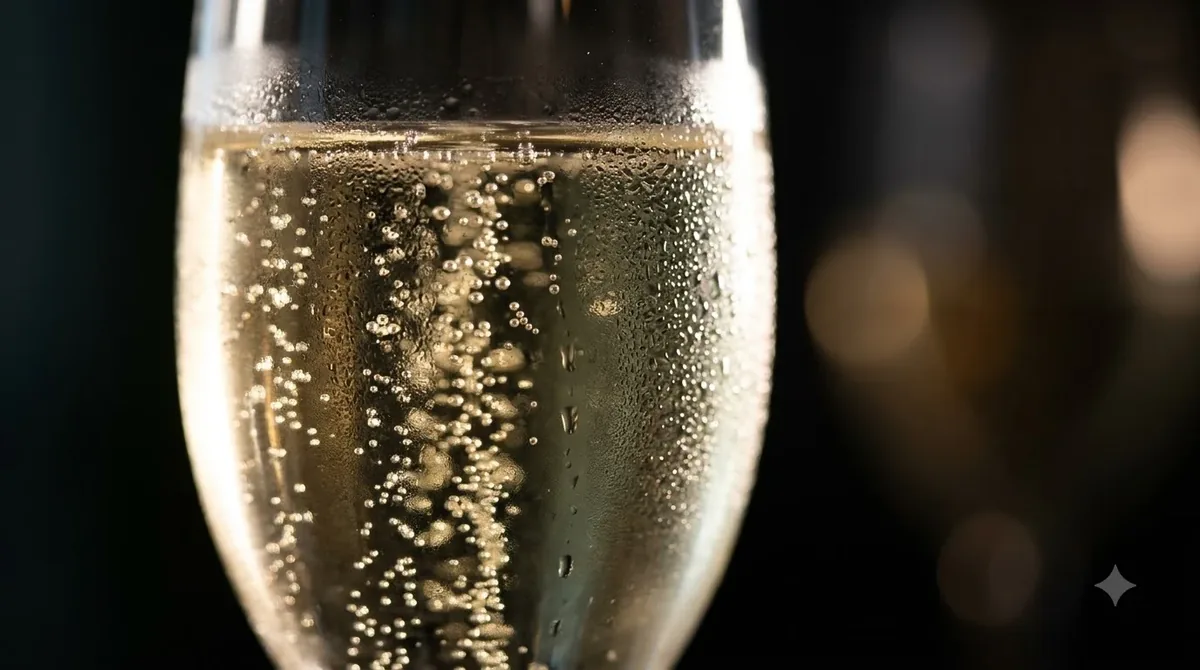
Sparkling wine is wine with dissolved carbon dioxide, and that gas is what gives Champagne, Prosecco, Cava, and other bubbly their fizz. Many people buy a bottle for a holiday or a celebration and then wonder whether it is still good months later. The answer depends on the style, the closure, and where the bottle has been kept. This guide explains how long different sparkling wines last unopened and how to store them so they taste the way the producer intended.
What the aging figures on the label actually mean
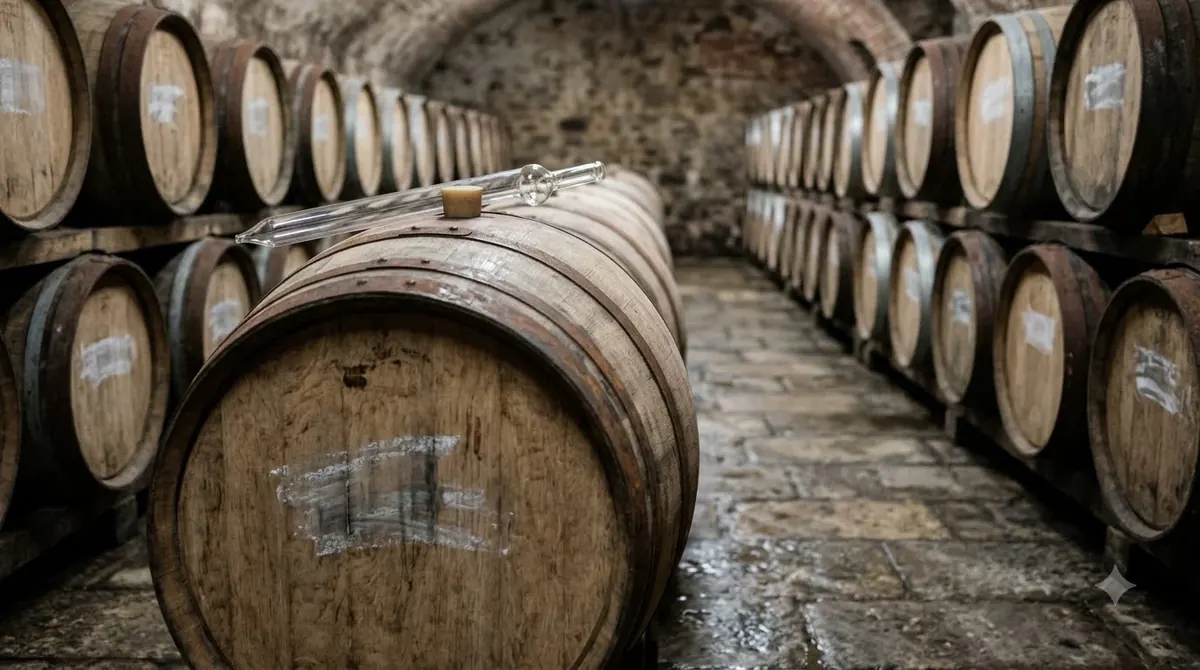
Many people read aging claims as a guide to how long a bottle will stay fresh on a shelf at home. Those numbers usually describe something else. Under the rules of many sparkling wine regions, a wine must rest on its lees, the dead yeast cells from the second fermentation, for a minimum period before it can be sold. The Wikipedia entry on sparkling wine notes that Champagne must rest for at least 15 months for non-vintage bottles and 3 years for vintage bottles, and that a premium Champagne may age for 7 years or more before release. Other regions set their own minimums. The Trento DOC in Italy, for example, requires 15 months on the lees for non-vintage wine.
That aging happens before the wine reaches the shop. Once the bottle is on your shelf, it is still changing, but at a much slower pace. The aging rules tell you how the wine was made, not how long your bottle will last after you buy it.
How long different sparkling wines keep unopened
Sparkling wines fall into rough groups, and each group keeps differently. Non-vintage bottles, which make up most of the market, are blends from several harvests and are designed to taste consistent from one release to the next. They are usually at their best within a few years of purchase, and many people drink them within months. Vintage bottles come from one harvest and are often made to age. Prestige cuvées and some Champagne houses’ top wines can develop complex, toasty flavors over many years in a cellar.
Prosecco and Cava are usually made for early drinking. Their fresh fruit character fades over time, so the best approach is to drink them within a year or two of release unless the label says otherwise. Moscato-style sparkling wines are also meant to be enjoyed young, because their sweetness and fresh aroma are most noticeable soon after bottling.
Storage conditions that protect the wine
The most important factor is temperature. A steady, cool place keeps the wine stable, and sudden swings in temperature can stress the cork and speed up changes in flavor. A closet, a cellar, or the lower shelf of a cupboard away from the stove or a sunny window works well. Avoid storing bottles on top of a refrigerator or near a heating vent, because the warmth there changes faster than the air in a quieter room.
Light is the second concern. Clear and light-colored glass lets in ultraviolet light, which can damage the wine over time. Keep bottles in a box or a dark cupboard. Keep them still as well, because constant movement can disturb the sediment in the bottle.
Position matters less than many people think, but it does affect the closure. Bottles sealed with a natural cork are often stored on their side so the cork stays moist and does not dry out or shrink. Bottles with synthetic stoppers or crown caps can be stored upright without trouble. Check the closure type before you decide where to put the bottle.
| Sparkling wine type | General keeping guidance | Storage note |
|---|---|---|
| Non-vintage Champagne | Best within a few years of purchase | Cool, dark, and still |
| Vintage Champagne | Can keep longer, especially prestige cuvées | Stable cellar conditions help most |
| Prosecco | Usually best within about a year or two | Keep away from heat and light |
| Cava | Generally enjoyed young | Check the label for a release date |
| Moscato-style sparkling | Freshest when recently bottled | Drink sooner rather than later |
Tip: Look for a release date or disgorgement date on the label or back of the bottle. Those dates tell you more about freshness than the vintage year alone.
Signs a bottle has gone off
A sealed bottle can still change after many years, but the effects are usually subtle. The most common signs of a problem are a cork that has pushed well above the bottle top, a leaking seal, or a bottle that has been stored in heat. A cork that has risen or leaked suggests the wine may have been exposed to temperature changes. Once the cork has dried out, oxygen can get in and the wine may taste flat, dull, or oxidized, with notes of stewed apple or sherry rather than fresh fruit.
Fizz that has faded in a sealed bottle is another sign to check. A bottle with good carbonation should release gas when opened. If the wine tastes flat and has lost its fresh character, it is past its best even if it looks fine.
How to store sparkling wine after opening
Once a bottle is opened, the rules change. The wine loses its bubbles quickly, so the aim is to keep as much fizz as possible for as long as you can. A proper sparkling wine stopper that seals tightly is more effective than a spoon, which does not keep the wine bubbly. Put the stoppered bottle in the refrigerator and drink it within a day or two for the best flavor. Brut and dry styles tend to hold their character a little longer than sweeter wines.
Choosing a bottle for long storage
If you want to keep a bottle for several years, choose a vintage wine from a producer with a reputation for ageing, and check that the label does not recommend drinking soon. Non-vintage wines are a better fit for everyday drinking and celebrations, where freshness matters more than complexity. Lower-priced sparkling wines are usually made to be consumed young, so holding them for a long period rarely improves them.
For a broader overview of how styles differ and which names belong together, see Wine by Type, which groups the common categories and explains what sets each one apart. Other styles follow their own patterns, which is why guides on how long chardonnay lasts unopened, how long port lasts unopened, and how long sake lasts unopened are useful companions when you plan to hold a bottle for longer.
Frequently Asked Questions
How long does unopened sparkling wine last?
Non-vintage sparkling wine is usually best within a few years of purchase, and many bottles are meant to be drunk sooner. Vintage and prestige bottles can keep longer when stored well. The label, release date, and producer guidance are the best guides for a specific bottle.
Does unopened Champagne go bad?
Champagne does not spoil quickly when kept sealed, cool, and dark, but it can change over time. The fresh, fruity character of non-vintage bottles fades, while vintage and prestige bottles may develop richer flavors. A bottle with a damaged cork or a flat, oxidized taste is past its best.
Should I store sparkling wine on its side?
Bottles with natural corks are often stored on their side so the cork stays moist and does not dry out. Bottles with synthetic stoppers or crown caps can be stored upright. Check the closure type and keep the bottle in a cool, dark place either way.
How long does sparkling wine last after opening?
An opened bottle loses its bubbles quickly. Keep it sealed with a proper sparkling wine stopper, refrigerate it, and drink it within a day or two for the best taste. Some people find it still pleasant the next day, but the fizz is noticeably weaker.
Unopened sparkling wine keeps best in a cool, dark, and still place, and the label or release date is the most useful clue for how long to hold it. Check the closure before you store the bottle, and drink non-vintage styles within a few years. A little planning makes it easier to enjoy the wine at its best.
More in Wine Types & Grapes
 Zinfandel Sugar Content: Dry Red vs. White Zinfandel GramsUpdated Nov 21, 2026
 Best Zinfandel Substitute Options for Sipping and CookingUpdated Nov 21, 2026
 Zweigelt Food Pairing: Best Dishes, Cheeses, and Serving TipsUpdated Nov 21, 2026
 Zinfandel Tannins Explained: How Structure Shapes Every BottleUpdated Nov 21, 2026
 Zinfandel Sweetness Level: Dry Red vs. Sweet White Zin ExplainedUpdated Nov 21, 2026
 Xinomavro Food Pairing: Best Dishes, Styles, and Serving TipsUpdated Nov 21, 2026