

We may earn a commission when you buy through links on this page, at no extra cost to you. Learn more.
Tawny port color is golden brown to amber, and it develops because the wine ages in wooden barrels where slow oxidation gradually changes its shade. Compared with young ruby port, which stays bright red, tawny port takes on a mellow, copper-toned look over years of wood aging. This guide explains how the color forms, what the age labels mean, and how to read a tawny by its shade.
Port is a fortified wine from the Douro Valley in Portugal, and its color tells a clear story about how it was made. A young ruby port is bright and deep red, while a tawny port looks more like polished wood or dark honey. Learning to read that change helps you understand what you are pouring and what it will taste like.
Why tawny port turns golden brown
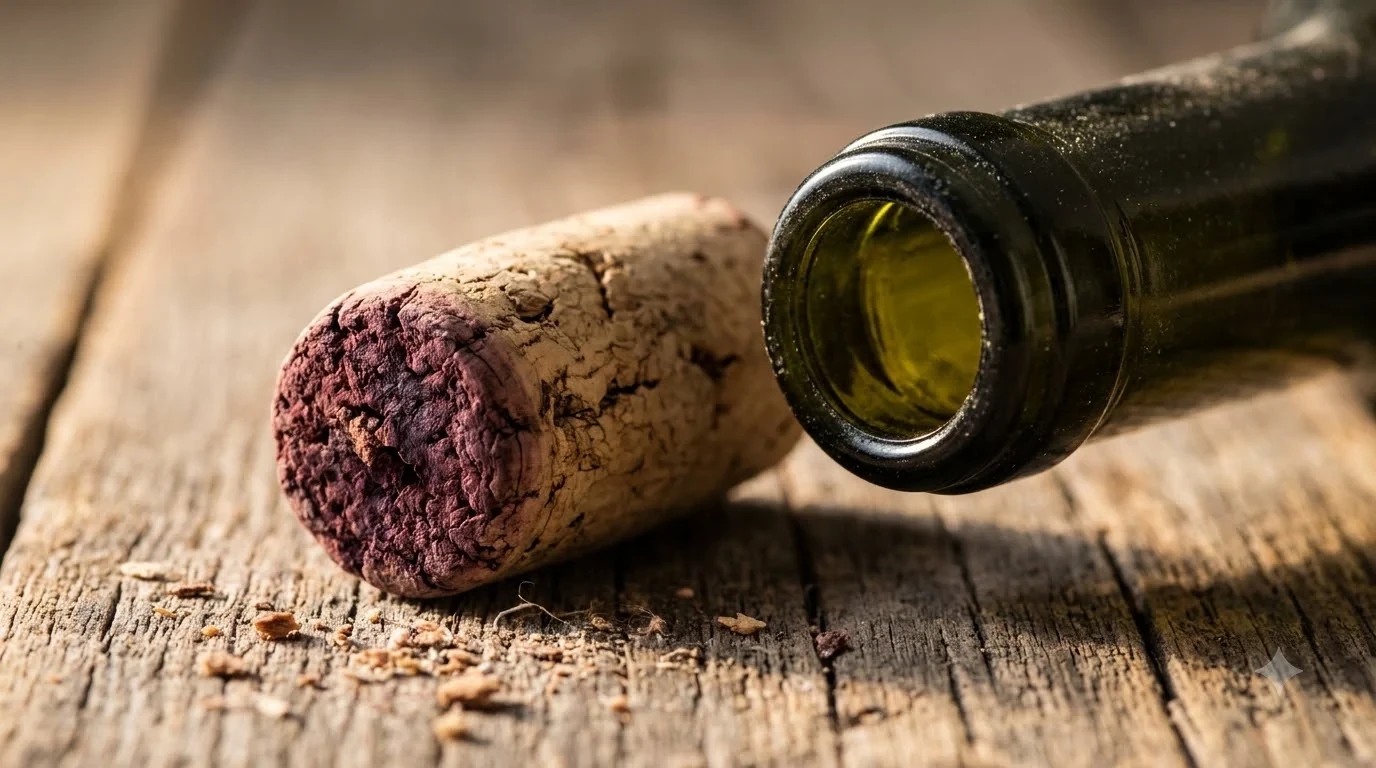
Tawny port ages in wooden barrels, which allow a small amount of oxygen to reach the wine. That slow contact causes oxidation, and oxidation gradually changes the color from red to tawny. Over time the wine becomes mellow and golden brown, and it also develops nutty flavors that reflect the aging process.
Wood aging is the main reason tawny differs from ruby. Barrels let some wine evaporate through the staves, a loss winemakers call the angel’s share. The remaining wine becomes more concentrated and slightly more viscous. The color deepens as the wine evaporates and oxidizes, so an older tawny is usually darker and more amber than a younger one.
Ruby, tawny, and why the difference matters
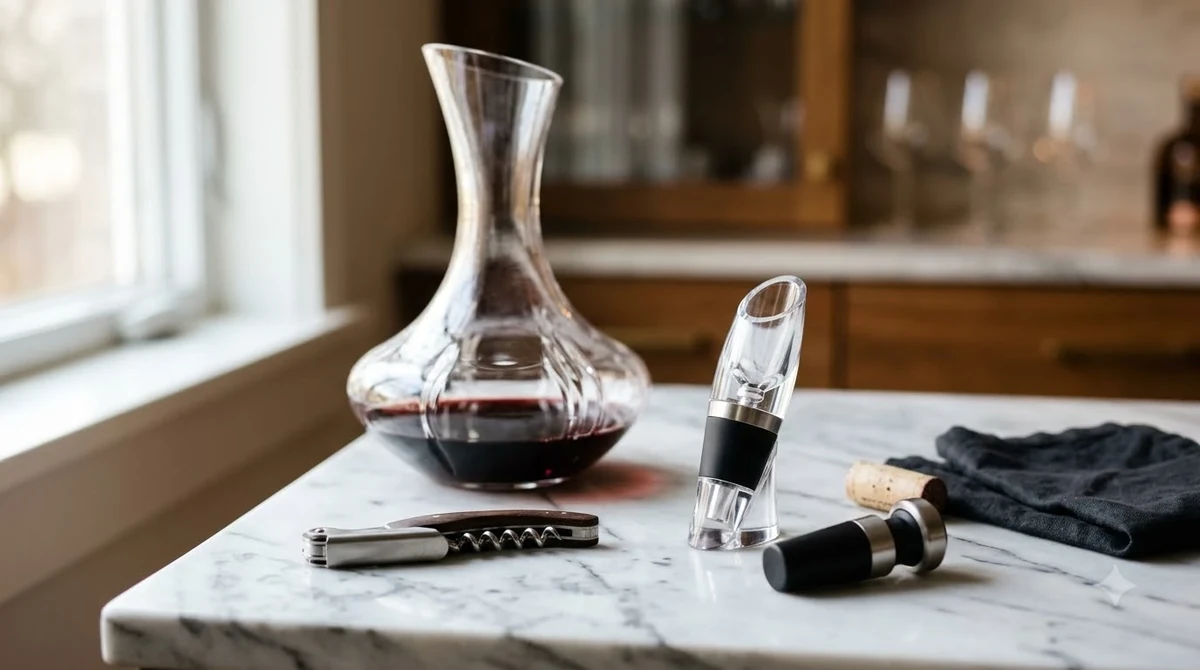
Young ruby port is often stored in concrete or steel tanks, which limit oxidation. That is why ruby port stays bright red and fresh-fruited for a long time. Tawny port follows a different path: it sits in wood, and that exposure transforms its color and flavor. Bottle-aged ports lose color very slowly, while barrel-aged tawnies lose color at a faster pace, which is why they look so different in the glass.
The contrast is useful when you shop. A ruby port will look vivid and purple-red, and a tawny will look golden or brown. Neither color is a sign of quality by itself, but each tells you what to expect in terms of fruit freshness and nutty, dried-fruit character.
| Port style | Typical color | What causes it |
|---|---|---|
| Ruby | Bright red to purple | Short aging in tanks, limited oxidation |
| Basic tawny | Golden brown | Several years in wood |
| Reserve tawny | Deeper golden brown | About seven years in wood |
| Aged tawny (10 to 50 years) | Amber to deep brown | Blend of vintages with an average age on the label |
| Colheita | Amber to brown | Single vintage, aged at least seven years |
Tip: Tilt the glass. A tawny with a pale, orange-tinged rim is usually younger, while a brown rim with a golden center points to longer wood aging.
What the age labels on tawny port mean
A basic tawny with no age stated is a blend that typically spends about three to seven years in wood. A reserve tawny is aged about seven years. The age-labeled tawnies are blends of several vintages, and the label gives a target average age. According to the Wikipedia overview of tawny port, those labels usually read 10, 20, 30, 40, and even 50 years.
The age label is a guide to style rather than an exact birth date. A 20-year tawny is a blend designed to taste like a wine that has spent about twenty years in wood, with the blend balanced to a consistent house style. Older labels generally show a deeper color and more intense dried-fruit and nut flavors.
What is colheita tawny port?
A colheita is a single-vintage tawny. Instead of an age category, the label carries the harvest year, and the wine has been aged at least seven years in wood before bottling. Because it comes from one year, a colheita can show the character of that vintage more clearly than an age-labeled blend. Some colheitas spend twenty or more years in barrels before they are bottled.
Colheita is often confused with vintage port. The two are different. Vintage port spends only about eighteen months in barrel before bottling and then ages in the bottle, while a colheita spends years in wood. As a result, the colors look very different. Vintage port stays dark and red, while colheita becomes amber and brown.
How to judge tawny port by color
Color is a quick way to judge a tawny. A pale golden shade usually points to a younger basic or reserve style, with bright fruit and a lighter nutty edge. A deeper amber or brown suggests an older blend or a colheita, with more concentrated flavor. Because the color comes from wood aging, the shade also tells you how much oxidation the wine has experienced.
Color alone does not decide sweetness. Tawny port is usually sweet, since the fortified style retains sugar, but the degree of sweetness varies by producer. Reading the label for style and checking the producer’s notes gives a clearer sense of the finished taste than the color does.
If you are comparing tawny with other amber wines, the sherry color guide explains how oxidation moves sherry from pale straw to dark brown. The same chemistry drives both styles, although the grapes, fortification, and aging systems differ.
Buying tawny port: what to look for on the label
When you shop, start with the style term. Basic and reserve tawnies are good everyday choices, since their color is lighter and their flavors are approachable. Age-labeled tawnies cost more because the blend includes older wine, and the color is correspondingly deeper. Colheitas are a special category for buyers who want a single-vintage taste, and the harvest year on the label is the key detail to read.
Storage matters after purchase. A tawny port is stable once opened compared with many wines, but it still benefits from a cool, dark place and a tightly closed bottle. Because tawny is already oxidized by design, it does not need the same protection as a young ruby, and many drinkers keep an open bottle for several weeks without a noticeable loss in character.
How to serve tawny port and pair it with food
Tawny port is usually served slightly chilled, which lets the nutty and dried-fruit notes come forward without making the wine heavy. Pour a small glass, since the style is rich and concentrated. Older tawnies can be enjoyed on their own after a meal, while younger ones pair well with desserts.
Nuts, caramel, cheese such as aged cheddar, and fruit desserts suit tawny well. Its color hints at those flavors: the golden and amber tones often match the toffee and almond notes you will taste. For a related dessert-style wine, the guide to late bottled vintage port wine covers another fortified port style that is typically darker and fruitier.
Frequently Asked Questions
What color is tawny port?
Tawny port is golden brown to amber. The color develops as the wine ages in wooden barrels and slowly oxidizes.
Why is tawny port a different color from ruby port?
Ruby port is aged briefly in tanks that limit oxidation, so it stays red. Tawny port spends years in wood, where oxygen slowly changes its color to tawny.
What does the 20-year label on tawny port mean?
A 20-year tawny is a blend of several vintages with an average age of about twenty years in wood. It is not a single 20-year-old wine.
Is a darker tawny port older?
Generally yes. Longer wood aging deepens the color, so older tawnies look more amber or brown than younger basic or reserve styles.
Tawny port color moves from golden brown in younger blends to deep amber in older blends and colheitas, and the shade reflects years of oxidation in wood. Read the age label, check the style, and serve the wine slightly chilled with nuts, caramel, or dessert. To compare other styles and terms, browse the wine by type section.
More in Wine Types & Grapes
 Zinfandel Sugar Content: Dry Red vs. White Zinfandel GramsUpdated Nov 21, 2026
 Best Zinfandel Substitute Options for Sipping and CookingUpdated Nov 21, 2026
 Zweigelt Food Pairing: Best Dishes, Cheeses, and Serving TipsUpdated Nov 21, 2026
 Zinfandel Tannins Explained: How Structure Shapes Every BottleUpdated Nov 21, 2026
 Zinfandel Sweetness Level: Dry Red vs. Sweet White Zin ExplainedUpdated Nov 21, 2026
 Xinomavro Food Pairing: Best Dishes, Styles, and Serving TipsUpdated Nov 21, 2026