

We may earn a commission when you buy through links on this page, at no extra cost to you. Learn more.
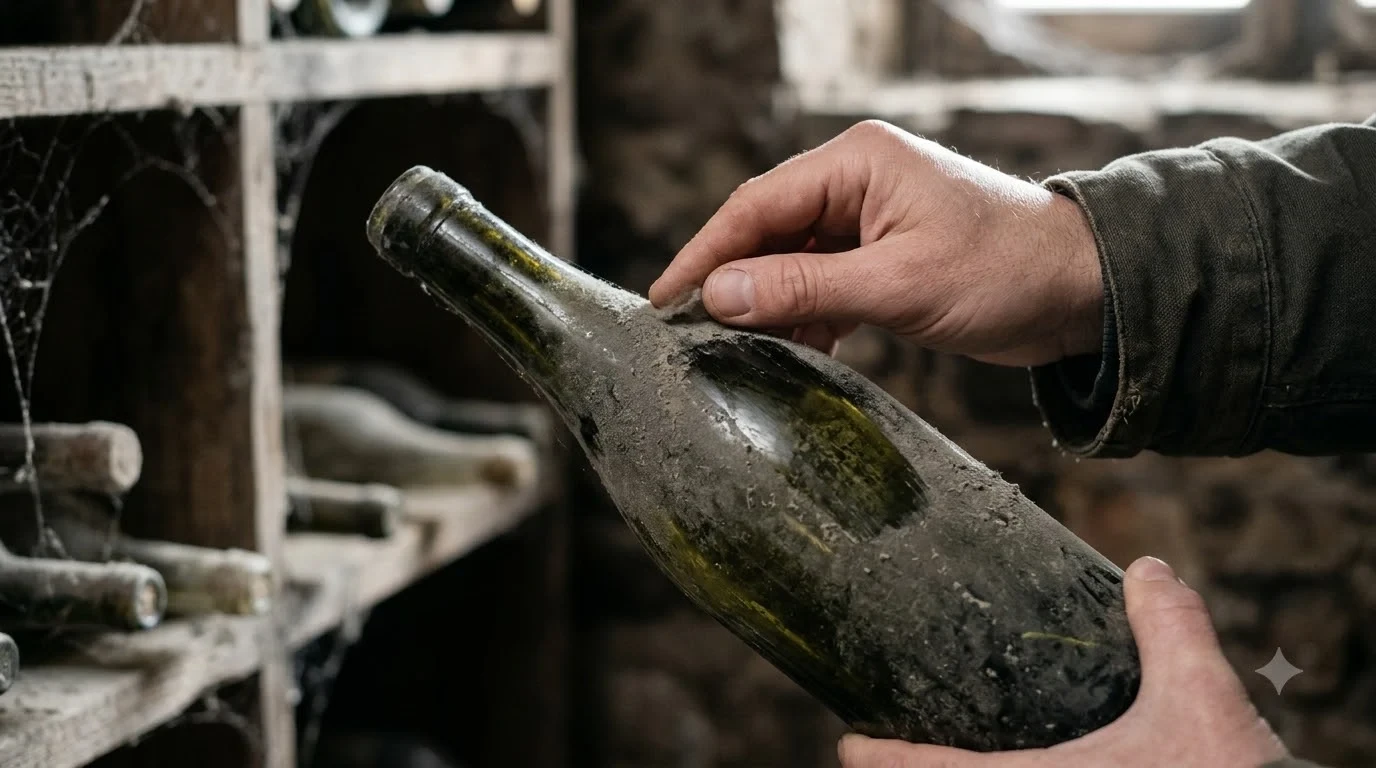
Vintage port wine is a port made from grapes of one harvest year that the producer has officially declared as exceptional. Only about two percent of port is made this way. It is bottled after a short time in barrel or steel, then ages for decades in the bottle, developing the layered character collectors look for. Because it is unfiltered and throws sediment, it needs decanting before it is poured.
If you have seen a bottle labeled vintage port wine and wondered how it differs from the port on the shelf beside it, this guide covers the basics. You will learn how declared years work, what the wine tastes like at different ages, and how to open, decant and serve it so the bottle is worth the effort.
What vintage port wine is
Vintage port wine sits at the top of the port category. Port is a fortified wine from the Douro Valley in northern Portugal, and most bottles on sale are blended across several years so they are ready to drink sooner. A vintage port wine is different because it comes from a single year, and the producer chooses to declare that year rather than blend it away.
The result is a wine built for the cellar. Its fruit and tannins are concentrated, and its structure is designed to change slowly over a long period inside the bottle. Port also comes in white styles, which follow a different path, covered in our white port wine guide.
How vintage port wine is declared and made
A declaration is a decision made by each port house, usually early in the second year after the harvest. Not every good year is declared. Some years are widely declared by most houses, while in other years only a few producers release a vintage. Some houses also bottle a single-estate vintage, called a quinta, when the house itself does not declare a year. According to the general overview of vintage port, more than thirty years have passed without a year in which no wine was declared by somebody in the trade.
After the declaration, the wine is aged in barrel or stainless steel for a maximum of two and a half years before bottling. That short time in wood is one reason the wine is so tannic when young, and why it needs many years in the bottle to soften.
Flavor and aging potential
Young vintage port wine tastes dense and fruity, with dark berry, plum and spice notes and a firm, grippy finish. The Touriga Nacional grape, one of the classic port varieties, adds violet and floral aromas, and Wine Folly’s Touriga Nacional guide describes its tannins as high and its fruit as blueberry, plum and mint with a sense of wet slate.
As the wine ages, the fruit fades into dried fruit, dark chocolate, and savory and floral notes, and the tannins become silkier. The complexity comes largely from the slow breakdown of grape solids inside the bottle, which is why patience matters more than any single tasting note. A young bottle can be enjoyable on release, but a well-chosen one usually shows its best after a decade or more.
| Feature | What to expect |
|---|---|
| Declaration | One harvest year, chosen by the producer |
| Time in wood or steel | Maximum of two and a half years before bottling |
| Filtration | Unfiltered, so it throws sediment |
| Bottle aging | Commonly 10 to 40 years or more |
| Serving temperature | 15 to 20 °C (59 to 68 °F) |
| Open life | Old bottles: several days. Young bottles: several weeks |
Tip: Keep the cork or stopper and the label. Many collectors record the vintage, the shipper and the date they opened a bottle, which helps when comparing how a wine is developing.
How to decant and serve vintage port wine
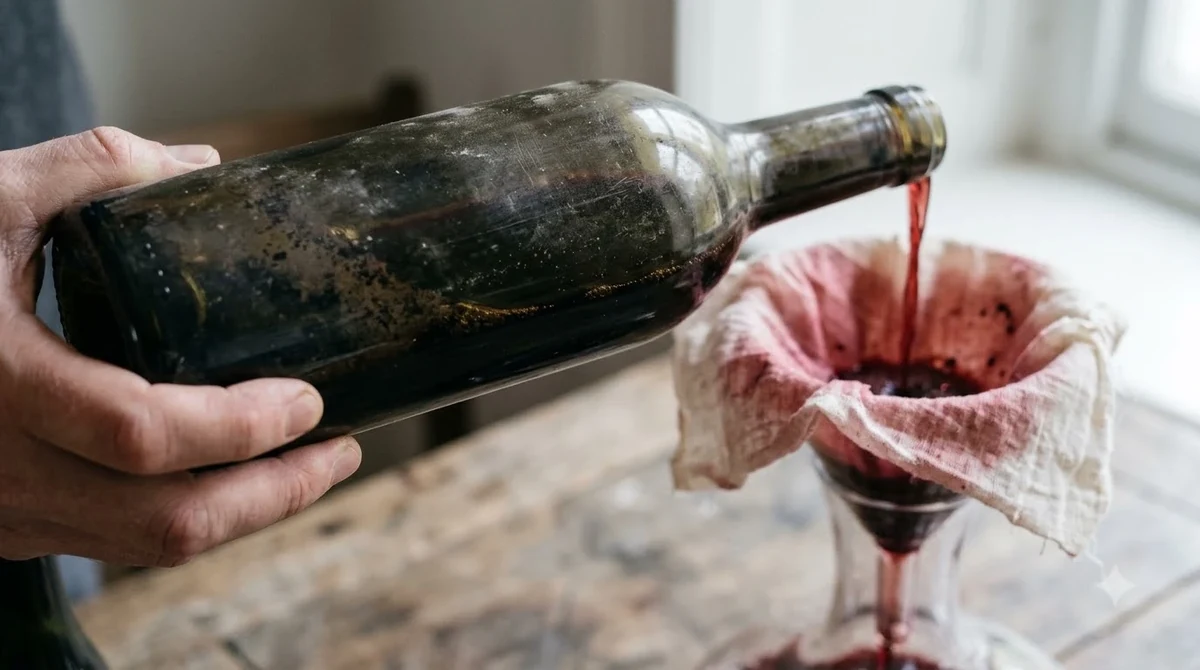
Decanting is essential. Stand the bottle upright for at least a day so the sediment settles to the bottom, then pour slowly into a decanter and stop when the sediment reaches the neck. Decanting also lets the wine breathe, which opens its aromas. Older bottles, which often carry heavier sediment, benefit from careful handling and a steady hand.
Opening an old bottle takes care. Traditionally the neck is heated with port tongs and then rinsed with cold water, a method that helps the glass break cleanly and avoids crumbling an old cork. A modern corkscrew with a long, thin worm works well on younger bottles, which usually have firmer corks.
Serve vintage port wine between 15 and 20 °C, which is slightly cooler than many living rooms. Pour a modest amount into a standard wine glass rather than a tiny sherry glass, so the aromas can gather. Between pours, keep the decanter covered and in a cool place. For more on how long an open bottle keeps, see our guide to port.
Where vintage port wine comes from
All port comes from the Douro Valley, a steep, terraced region along the river. The area was protected in 1756, one of the earliest demarcated wine regions in the world. The VinePair guide to port wine explains how those early laws required port to be aged and bottled in Vila Nova de Gaia, near the river mouth, which shaped the trade for generations.
The valley has three zones. Baixo Corgo is the wettest and supplies much of the inexpensive ruby and tawny port. Cima Corgo, with about 700 mm of rain a year, has grapes considered higher quality, and they go into vintage and reserve bottlings. Douro Superior is the driest and warmest zone and the least planted, with flatter ground that allows more machine work.
Food pairing and when to open one
Vintage port wine pairs well with rich, salty or sweet foods. Older bottles with dried fruit and nut notes suit blue cheese, almonds and dark chocolate desserts. Younger vintages with bolder fruit stand up to roasted meats and game. Many people simply enjoy a glass after dinner, which suits the wine’s slow pace and long finish.
Because a bottle is often opened for a special occasion and shared, think about how many people will drink it. Old bottles should be finished within days, so a small group or a planned evening works best. A younger bottle gives you more time, which makes it a practical choice for a dinner party.
How to buy and store vintage port wine
When buying, check the label for the vintage year and the shipper’s name, then buy from a shop that keeps its bottles in good condition. Look for bottles stored upright or on their side in a cool, dark place. At home, store your bottle the same way: on its side if it is corked, in a cool place with a steady temperature, away from light and vibration. Mature bottles often carry a sediment deposit, so read the back label for any decanting guidance before opening.
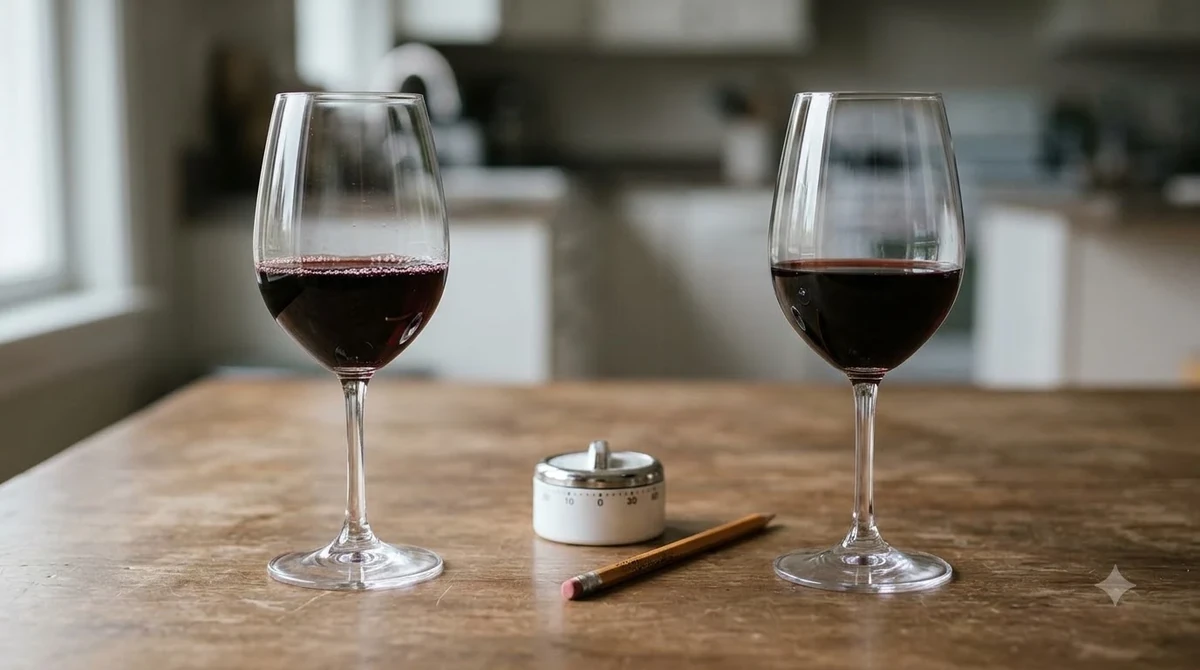
Once you have a bottle you enjoy, consider trying a second one from a different year. Comparing two vintages from the same producer is one of the clearest ways to see how aging changes the wine. For a broader view of style categories, the Wine by Type hub is a good next stop.
Frequently Asked Questions
Is vintage port wine the same as ruby port?
No. Ruby port is usually blended from several years and is meant to be enjoyed fairly young and fresh. Vintage port wine comes from one declared year, is unfiltered, and is made to age in the bottle for decades.
Do I need to decant vintage port wine?
Yes. Because the wine is unfiltered and throws sediment, decanting separates the clear wine from the deposit and lets the aromas open up. Stand the bottle upright for at least a day before pouring.
How long does vintage port wine last after opening?
An old bottle is best finished within several days. A younger bottle can stay open for several weeks, although it tastes best when enjoyed sooner. Keep the decanter covered and in a cool place between pours.
How long should I age vintage port wine?
Many vintage bottles are meant to age 10 to 40 years or more in the bottle, depending on the vintage and the producer. Years widely declared by many houses often reward a longer wait, while a single-estate bottle may follow its own timeline.
Vintage port wine rewards patience and a little ritual. Choose a declared year you like, decant it with care, and pour it slowly with good company. Once you know what a mature bottle tastes like, you will understand why collectors keep these wines for so long.
More in Wine Types & Grapes
 Zinfandel Sugar Content: Dry Red vs. White Zinfandel GramsUpdated Nov 21, 2026
 Best Zinfandel Substitute Options for Sipping and CookingUpdated Nov 21, 2026
 Zweigelt Food Pairing: Best Dishes, Cheeses, and Serving TipsUpdated Nov 21, 2026
 Zinfandel Tannins Explained: How Structure Shapes Every BottleUpdated Nov 21, 2026
 Zinfandel Sweetness Level: Dry Red vs. Sweet White Zin ExplainedUpdated Nov 21, 2026
 Xinomavro Food Pairing: Best Dishes, Styles, and Serving TipsUpdated Nov 21, 2026