

We may earn a commission when you buy through links on this page, at no extra cost to you. Learn more.
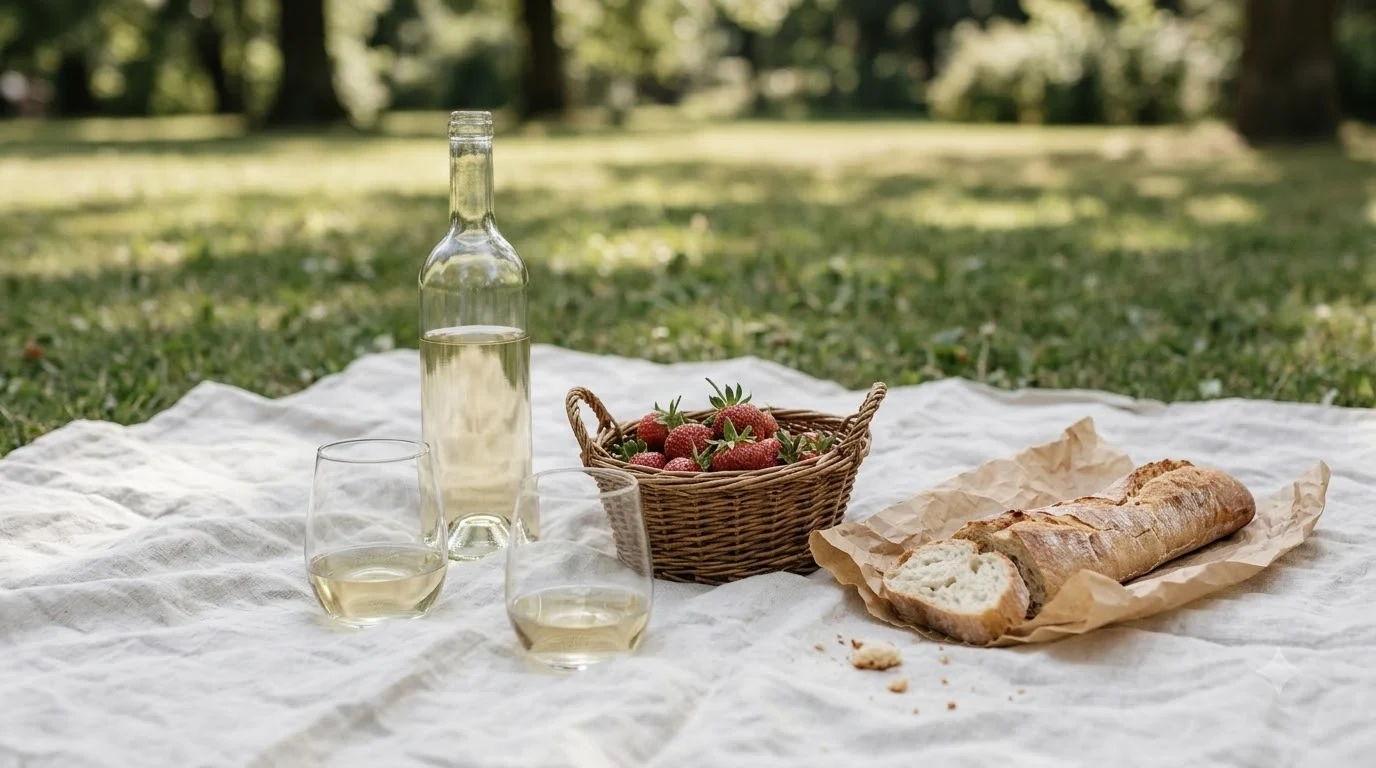
White port wine is a style of port made from white grapes instead of the red grapes used for most port. It is made the same way as red port, with grape spirit added to stop fermentation and leave residual sugar, but the grape mix is different and the finished wines range from bone dry to quite sweet. Young white ports are usually served chilled, often as an aperitif or in a cocktail.
Most people picture a deep ruby or tawny bottle when they hear the word port, so white port can be a surprise. It comes from the same Douro Valley tradition, shares the same fortified style, and can be a lighter, more refreshing choice for warm weather. This guide covers how white port is made, which grapes go into it, the sweetness styles you will see on labels, and how to serve it well. It also explains where white port fits among the other styles of fortified wine, so you can choose a bottle with confidence rather than guessing from the label alone.
How white port is made
According to the Wikipedia entry on white port, the style is produced the same way as red port, except that it uses white grapes. The grapes are crushed and fermented, and then a neutral grape spirit is added partway through fermentation. The spirit raises the alcohol level and halts the fermentation before all the grape sugar has turned into alcohol. What remains is a fortified wine with a sweetness that depends on how early the spirit was added.
The one notable exception is the Chip Dry style. Here the brandy goes in partway through fermentation, after more of the sugar has become alcohol, which leaves the wine unusually dry. Because the spirit is added at a different stage, Chip Dry tastes much closer to a dry aperitif than to the sweet dessert wines people usually associate with port.
Grapes used in white port
White port is built from a group of Portuguese white grape varieties that grow in the Douro region. Several names appear again and again in the producer and encyclopedia descriptions, including Donzelinho Branco, Esgana-Cão, Folgasão, Gouveio, Malvasia Fina, Rabigato, and Viosinho. Other descriptions also mention Codega. Each variety brings its own character, with some adding floral aromas and others contributing more acidity or body.
Blends are the norm, because winemakers combine several varieties to balance aroma, structure, and alcohol. The exact mix is one of the things that makes two white ports from different houses taste distinct, even when they carry the same style name on the label.
| Style | Sweetness | What to expect |
|---|---|---|
| Dry white port | Dry | Crisp, savory, and light, suited to aperitif service |
| Sweet white port | Sweet | Rounder and fruitier, with a lingering finish |
| Lágrima | The sweetest young style | Very soft and dessert-like, often served with simple sweets |
| Chip Dry | Very dry | An aperitif style introduced by Taylor in 1934 |
| White Reserve and White Colheita | Varies | Barrel-aged styles with more developed, nutty notes |
The table lists the main styles you may see on a shelf. Young white ports labeled dry, sweet, or lágrima are the everyday bottles, while aged styles such as White Reserve and White Colheita develop more complexity from time in barrel. The producer descriptions do not give a single aging time for white port, so check the label or the producer’s notes for the age of a specific bottle.
Serving white port
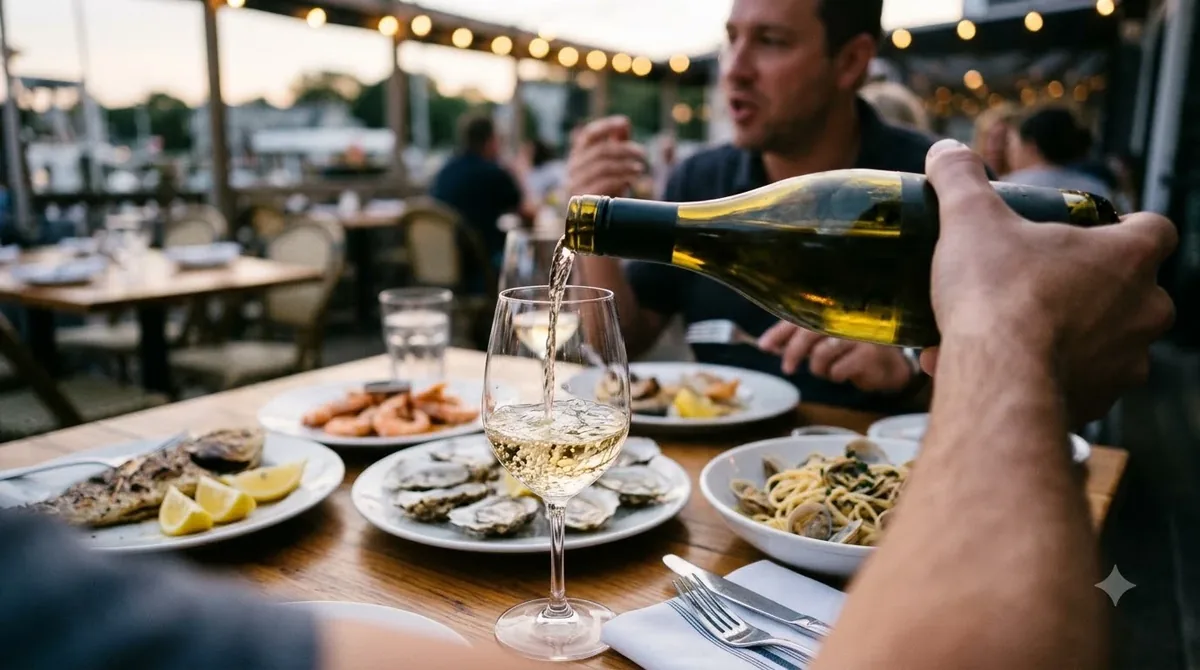
White port is at its best chilled. Many people serve it on its own over ice, or in a tall glass with tonic water and a lemon twist, which turns it into a light spritz. The aperitif style is especially popular before a meal because the lower sweetness and cool temperature make it refreshing rather than heavy.
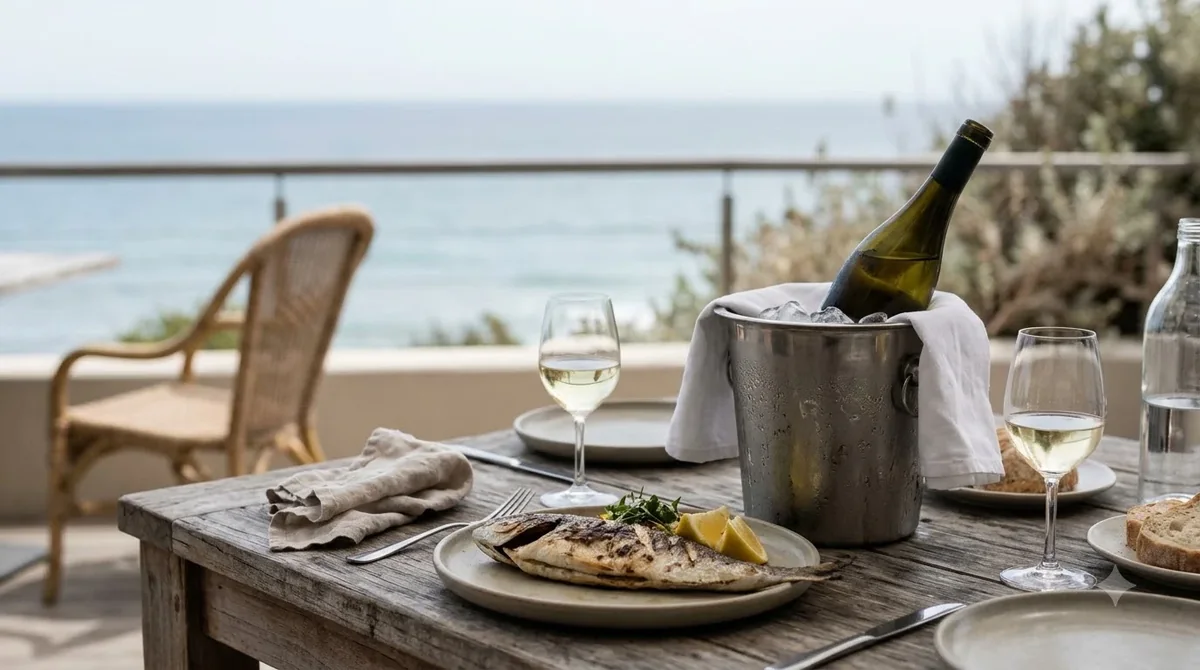
For port in general, the encyclopedia entry suggests serving between 15 and 20 °C (59 to 68 °F). White port is often chilled a little more than that, especially in warm weather, and a short time in the refrigerator is usually enough. Use a standard wine glass to keep the aroma in, and pour small amounts since port is richer in alcohol than most table wines.
Tip: Taste a dry white port and a sweet one side by side. The difference in sweetness shows quickly, and it helps you choose the right style for your meal.
Food pairing with white port
Dry white port works well with salty snacks such as olives, almonds, and cured ham, where its savory edge balances the salt. Sweeter styles pair better with fruit-based desserts and mild cheeses, because the sugar in the wine smooths out sharp flavors. Lágrima and other sweet young styles can match simple cakes or a plate of fresh fruit.
White port is also a practical choice for mixing. Its lighter body and bright fruit make it a good base for spritz-style drinks, and the dry styles can replace vermouth or sherry in some simple cocktails. If you want a broader view of how port compares with other fortified wines, the Wine by Type guide places it alongside the rest of the wine styles.
How to buy and store white port
Shoppers often wonder whether a white port is worth trying if they already enjoy dry white wine. The answer is usually yes, because the dry styles share the crisp, mineral edge of many Portuguese whites while adding a gentle warmth from the spirit. Start with a dry bottle, taste it slightly chilled, and then move to a sweeter style once you know which direction you like.
Look for the style on the label first. Dry, sweet, and lágrima tell you what the wine will taste like, while Reserve or Colheita signals an aged bottle. The producer name matters too, because each house has its own blend and house style. When you find a bottle you enjoy, you can compare other producers’ versions of the same style to see how the blend changes the flavor.
Storage follows the logic of fortified wine. Keep an unopened bottle in a cool, dark place. Once opened, white port keeps its character longer than table wine because of the added spirit, but it still changes over time. For a fuller guide to how long port lasts after opening, see how long port lasts after opening, which covers the same logic for red and white styles.
Frequently Asked Questions
Is white port sweet?
It depends on the style. Dry white port and Chip Dry are dry, while sweet white port and lágrima are noticeably sweeter. Check the label because the sweetness level is stated on many bottles.
How is white port different from red port?
The main difference is the grapes. White port uses white Portuguese varieties, while red port uses red grapes. Both are fortified with grape spirit, but the color, aroma, and aging styles differ.
Should white port be chilled?
Yes, most white port tastes best cool. Serving it chilled brings out its freshness, especially for dry styles served as an aperitif. A short time in the refrigerator is usually enough.
Can you use white port in cooking?
It can work in sauces and glazes, especially dry styles that add depth without too much sugar. Taste as you go, because the fortified sweetness and alcohol concentrate as the sauce reduces.
White port is a versatile bottle to have on hand, whether you want an easy aperitif or a gentle dessert wine. To see how a single variety shapes a wine before it is fortified, explore the vintage port wine profile for a closer look at how Douro fruit develops with age.
More in Wine Types & Grapes
 Zinfandel Sugar Content: Dry Red vs. White Zinfandel GramsUpdated Nov 21, 2026
 Best Zinfandel Substitute Options for Sipping and CookingUpdated Nov 21, 2026
 Zweigelt Food Pairing: Best Dishes, Cheeses, and Serving TipsUpdated Nov 21, 2026
 Zinfandel Tannins Explained: How Structure Shapes Every BottleUpdated Nov 21, 2026
 Zinfandel Sweetness Level: Dry Red vs. Sweet White Zin ExplainedUpdated Nov 21, 2026
 Xinomavro Food Pairing: Best Dishes, Styles, and Serving TipsUpdated Nov 21, 2026