


We may earn a commission when you buy through links on this page, at no extra cost to you. Learn more.
Ruby port wine is a young, fortified red from Portugal’s Douro region, aged briefly so it keeps a deep red color and bright fruit, and it is usually fortified with a neutral grape spirit to stop fermentation early. It differs from tawny port, which is aged in wood until it turns golden-brown and nutty. Ruby is the most approachable style in the port family, and it is often served after dinner or with rich desserts. This guide explains how ruby port is made, how it compares with tawny, and how to serve and choose a bottle.
Port is one of the few wines where the decisions made in the cellar matter as much as the grapes. Ruby port sits at the youthful end of the range, and its character comes from being fortified and then kept away from too much oxygen. Understanding those steps makes it easier to know what to expect from a glass and how it differs from the many other port styles on the shelf.
What Ruby Port Wine Is
Ruby port is a red port wine made in the Douro Valley of northern Portugal. According to the port wine entry on Wikipedia, ruby ports are young, typically aged only a few years or less. The entry notes that ruby generally does not improve with age, so it is designed to be enjoyed relatively soon after bottling.
The style is defined by its color and fruit. Ruby ports are deep red and fruity, with flavors such as dark cherry, plum, blackberry and cassis. They are sweet compared with table wines, because fortification stops fermentation before all the grape sugar turns into alcohol, but they are often seen as a lively and easy style compared with older ports.
How Ruby Port Is Made
Fortification is the step that defines every port. Winemakers add a neutral grape spirit, called aguardente, to the fermenting wine to stop fermentation early. This leaves residual sugar in the wine and raises its alcohol content. The entry gives the alcohol level as usually between 19 and 22 percent by volume in the introduction, and 19 to 20 percent in its properties section, so the bottle label is the best guide to the exact figure.
After fortification, regular ruby is held in concrete or stainless steel tanks rather than wood. This limits oxidation and helps keep the wine’s red color and fresh fruit. Premium rubies such as LBVs, which stands for late bottled vintage, are aged in wood for four to six years before bottling, which gives them more structure and smoother tannins while keeping much of the fruit.
Ruby Port Compared With Tawny Port
The clearest way to understand ruby is to compare it with tawny. Both are fortified wines from the same region, but they are shaped by different ageing methods.
| Feature | Ruby port | Tawny port |
|---|---|---|
| Ageing vessel | Concrete or stainless steel for regular styles; wood for premium rubies | Wooden barrels |
| Typical ageing | A few years or less; LBVs four to six years in wood | Basic tawny three to seven years; reserve about seven years |
| Color | Deep red | Golden-brown, shifting to amber with age |
| Flavor | Red and dark fruit, fresh and youthful | Nutty, caramel and dried fruit notes |
| Age-indicated styles | Not typically labeled by age | 10, 20, 30, 40 and 50 years, as blends of several vintages |
The table shows the core difference. Ruby keeps its color and fruit by avoiding oxygen, while tawny develops its color and nutty character through gradual oxidation and evaporation in wood. Neither style is better overall. Ruby tends to suit drinkers who enjoy bright fruit, while tawny suits those who like softer, toasted flavors.
Where Ruby Port Comes From
All port must come from the demarcated Douro region of northern Portugal. Vineyards cover the steep hillsides along the Douro River valley, and the region is divided into three zones: Baixo Corgo, Cima Corgo and Douro Superior. The terraces and slopes make vineyard work demanding, and that effort is part of why port is so closely tied to its place of origin.
Because the region is strictly defined, a bottle labeled port will always have a Douro origin. That legal link is one reason the style is so recognizable, even among producers who make very different versions of ruby. Under the demarcation laws set in 1756, port had to be aged and bottled in Vila Nova de Gaia, across the river from Porto, rather than at the Douro wineries, according to VinePair’s port overview.

How to Serve Ruby Port
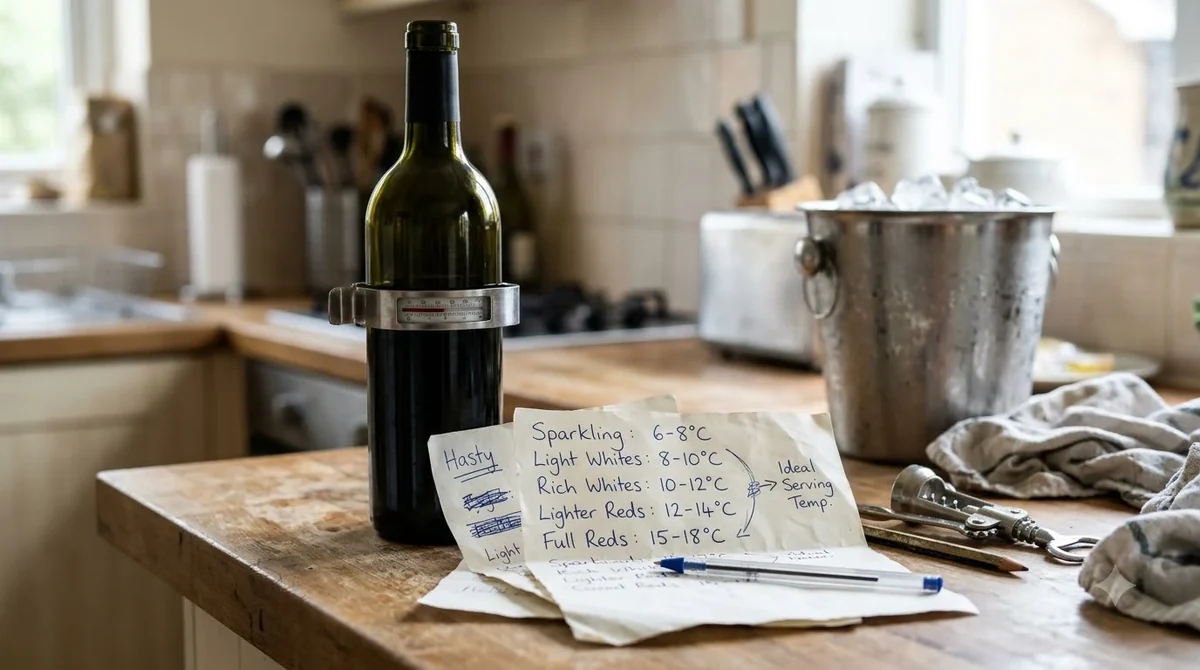
Serve red port between 15 and 20 degrees Celsius, or about 59 to 68 degrees Fahrenheit. That range is cooler than many people expect for red wine, and it keeps the sweetness and fruit balanced. A small glass is usually enough, since ruby is rich and fortified wines have more alcohol than table wines.
Store ruby in a cool, dark place at a steady temperature. Regular ruby is usually filtered, so it rarely needs decanting. Unfiltered styles, including some LBVs, can form sediment, so decant them carefully or stand the bottle upright for a day before pouring. Once opened, ruby is best finished within a few weeks, and it keeps its fruit better when the bottle is stored upright in a cool place with the stopper in place between pours.
Food Pairings for Ruby Port
Ruby port suits dark chocolate, berry desserts and cheeses with some salt and punch, such as blue cheese. Its fruitiness works well with dishes that have a little tartness or spice. Many people also enjoy it after dinner on its own, which is a simple way to appreciate its color and flavor without competing ingredients.
Avoid pairing ruby with very dry or delicate foods, since its sweetness can overwhelm them. Lighter desserts, such as fresh fruit or a plain sponge, tend to disappear beside a glass of ruby port, so match its richness with equally bold flavors.
How to Choose a Ruby Port
Start by checking the label for the style. A plain ruby is the most affordable and youthful option, while a labeled LBV offers more wood ageing and smoother texture. Look for producers with a clear reputation for fruity, well-balanced wines, and read tasting notes from established wine publications to compare styles.
If you are choosing for a particular occasion, consider how much sweetness you want. Ruby is generally sweeter than dry red wine, but producers vary in how rich their wines feel. Serve a bottle you have tasted before when you can, and keep in mind that an opened ruby is a fine choice for a few days of after-dinner sipping.
Frequently Asked Questions
Is ruby port sweet?
Yes, ruby port is sweeter than most dry red wines. Fortification with grape spirit stops fermentation early, which leaves residual sugar in the wine. The level of sweetness and richness varies from producer to producer.
Does ruby port need to be decanted?
Regular ruby is usually filtered and rarely needs decanting. Unfiltered styles, such as some LBVs, can form sediment, so decanting or letting the bottle stand upright before pouring helps keep the sediment out of the glass.
How long does ruby port last after opening?
Ruby keeps better than many table wines once opened, but it is still best enjoyed within a few weeks. Store the bottle upright in a cool place, and keep the cork or stopper in place between pours.
What is the difference between ruby and tawny port?
Ruby is aged briefly, mostly in tanks, and keeps a deep red color with fresh fruit. Tawny is aged in wooden barrels, where it turns golden-brown and gains nutty, caramel flavors over several years.
Ruby port is an accessible way into the world of fortified wine. It is young, fruity and easy to serve after a meal, and it shows how much the Douro’s winemaking shapes the final glass. For a broader look at the family, the port wine guide covers the full range of styles, and the tawny port guide explains the older, nuttier alternative. If you are new to the category, the what is port overview is a useful starting point.
More in Wine Types & Grapes
 Zinfandel Sugar Content: Dry Red vs. White Zinfandel GramsUpdated Nov 21, 2026
 Best Zinfandel Substitute Options for Sipping and CookingUpdated Nov 21, 2026
 Zweigelt Food Pairing: Best Dishes, Cheeses, and Serving TipsUpdated Nov 21, 2026
 Zinfandel Tannins Explained: How Structure Shapes Every BottleUpdated Nov 21, 2026
 Zinfandel Sweetness Level: Dry Red vs. Sweet White Zin ExplainedUpdated Nov 21, 2026
 Xinomavro Food Pairing: Best Dishes, Styles, and Serving TipsUpdated Nov 21, 2026