

We may earn a commission when you buy through links on this page, at no extra cost to you. Learn more.
Port wine is a sweet fortified red wine from the Douro Valley in northern Portugal, made by adding grape spirit during fermentation so the wine keeps some natural sugar and reaches roughly 19 to 22 percent alcohol. Its styles range from fresh, fruity ruby to nutty, amber tawny and long-lived vintage bottlings. Port is usually poured after dinner or alongside cheese and dessert, and a few top vintages can keep developing for decades in the bottle.
This guide explains how port wine is made, what the main styles taste like, how to serve it at the right temperature, and which foods work well with it. If you are new to the category, start with the basics in what is port, then use the style notes below to find the bottle that fits your taste.
What Makes Port Different From Table Wine
Port is a fortified wine, which means a neutral grape spirit is added partway through fermentation. Yeast normally turns all of the grape sugar into alcohol, but the added spirit stops fermentation early. The result is a wine with leftover sweetness and a higher alcohol level than most dinner wines, which is why a small glass is usually enough.
The wine is tied closely to place. According to Wine Folly’s guide to port styles, grapes are grown and processed in the demarcated Douro region, which has been a protected appellation since 1756. Only wines made in Portugal can be labeled as port in the European Union and the United States, so a sparkling or still wine from another country that uses the name is not the real thing.
How Port Is Made
Port begins like any red wine. Crushed grapes ferment with their skins, and the color and tannins come from that contact. When the wine has reached the right balance of sugar and flavor, producers add the grape spirit, which halts fermentation and locks in sweetness. The wine is then aged, and the path it takes from that point decides the style.
Many producers send their barrels to lodges in Vila Nova de Gaia, across the river from Porto, where the wine rests for years. Wood-aged styles slowly oxidize, losing their red color and turning golden or brown. Bottle-aged styles spend little time in wood and keep their fruit fresh. Some wines are filtered before bottling, while others are left unfiltered and throw a sediment that needs to be decanted before serving.
The Main Styles of Port
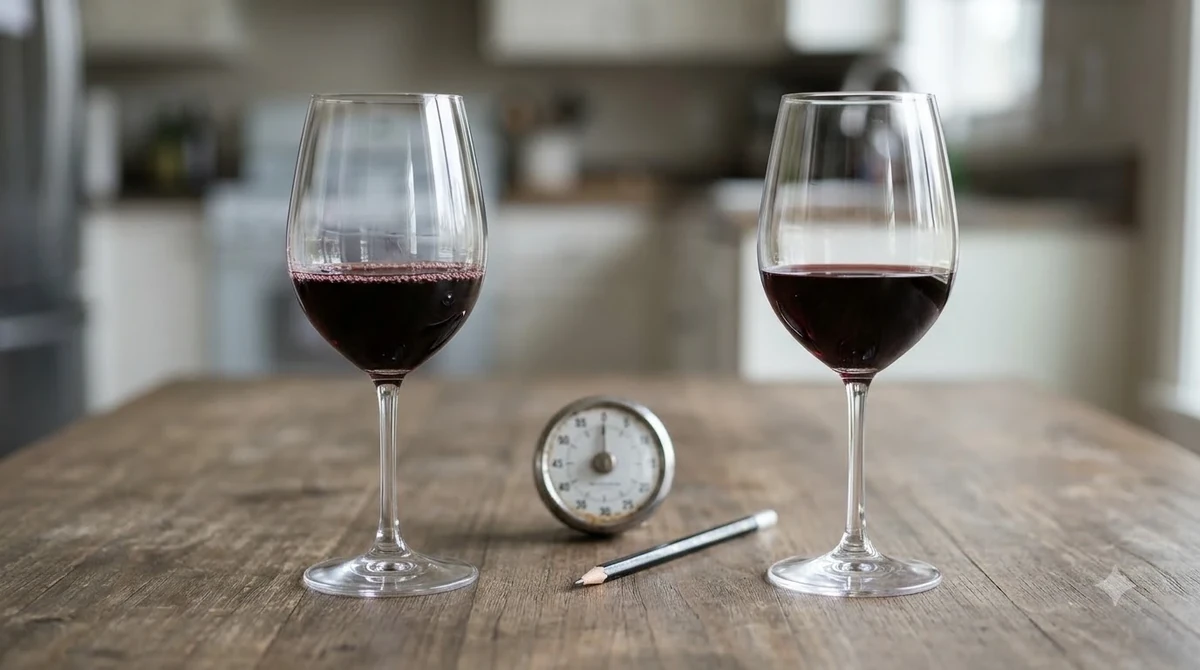
The word port covers several distinct wines. Ruby is the youngest and most fruit forward, while tawny develops nutty, caramel flavors after long wood aging. Vintage is made only in declared years and is the most serious style. Late bottled vintage sits in the middle, and white port is a separate category made from white grapes.
If you want a fresh, berry-led red, look for a ruby port wine. If you prefer toffee, dried fruit, and a golden color, a tawny port wine is the better match. The table below sums up the main styles.
| Style | Typical flavors | How it is aged | Serving temperature |
|---|---|---|---|
| Ruby | Ripe red and black berries, plum, and date | About two years in large casks or tanks | 55 to 65°F |
| Tawny | Toffee, vanilla, dried orange, and fig | At least seven years in oak, often much longer | 55 to 60°F |
| Late bottled vintage | Black currant, cherry, prune, and chocolate | Single vintage, up to six years in barrel | 55 to 65°F |
| Vintage | Concentrated blackberry, black cherry, spice, and coffee | Short time in cask, then decades in bottle | About 65°F |
| White | Citrus, stone fruit, nuts, and honey | Usually dry to off-dry, sometimes sweet | 45 to 50°F |
Tip: On a tawny label, an age such as 10, 20, or 30 years refers to the average age of the blend, not the age of the youngest wine in it.
How to Serve Port Wine
Port tastes best slightly cooler than room temperature. Warmth makes the alcohol feel sharp and hides the fruit, while a wine that is too cold loses its aroma. Most sources place ruby and late bottled vintage between 55 and 65°F, and vintage port close to cellar temperature, around 65°F. Tawny is best a little cooler, at 55 to 60°F, and white port is usually served well chilled at 45 to 50°F.
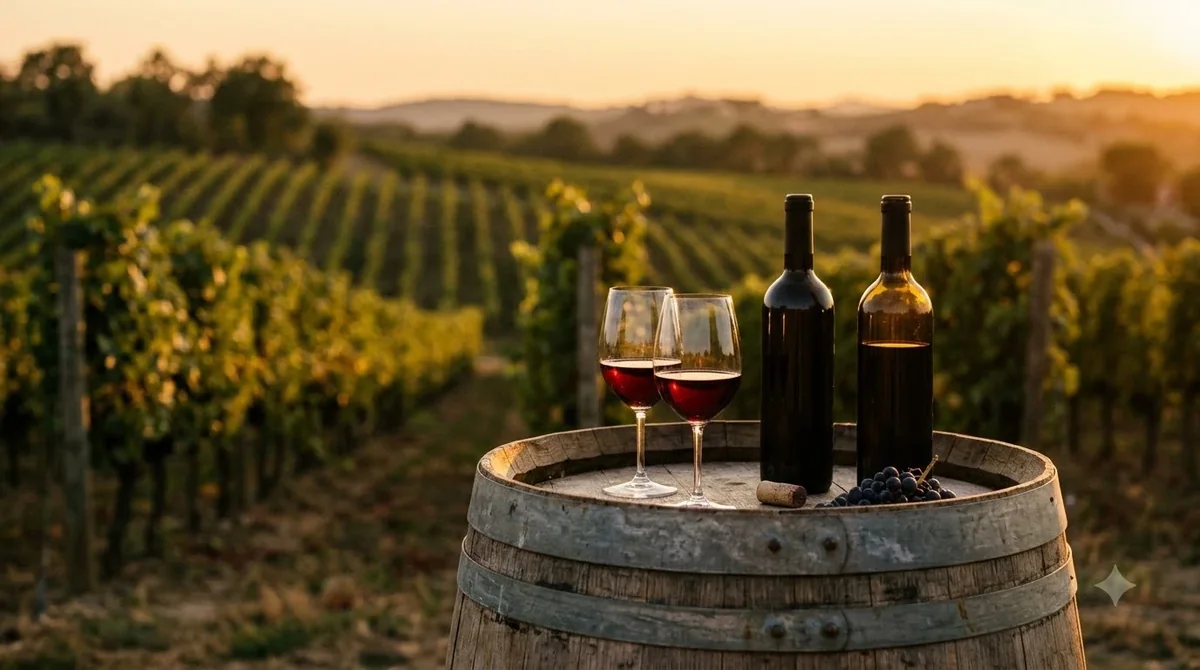
Port is rich, so a small glass is usually enough to enjoy it over a long conversation. Pour about two ounces in a standard wine glass or a small tulip-shaped glass. The narrower top keeps the alcohol from overwhelming the aroma. Unfiltered vintage and crusted styles should be decanted slowly to leave the sediment behind, but tawny does not need decanting because it does not throw sediment.
Food Pairings That Work With Port
Port is a dessert and cheese wine at heart, because its sweetness balances salt and fat. Blue cheese such as Stilton is a classic partner for vintage port, and a strong, salty cheese can stand up to a full ruby. Dark chocolate and flourless chocolate cake pair well with both ruby and late bottled vintage.
Tawny is the most flexible style at the table. Its nutty, caramel character goes well with pecan pie, crème brûlée, almond biscotti, and caramel cheesecake. Savory options include smoked cheddar, Manchego, and walnuts. Chilled white port works as an aperitif, often served over ice with tonic and a lemon twist.
How to Choose a Bottle
Start with the flavor you want. Ruby suits people who like bright, youthful fruit and an easy-drinking style that needs no aging. Tawny is the choice for lovers of caramel and dried fruit. Late bottled vintage is a practical middle ground, since many versions are filtered and ready to drink on opening. Vintage is for collectors and for special occasions, and it rewards patient cellaring.
Look at the label for the style name and the bottling date, since that tells you whether the wine is ready to drink or needs time. If you want a bottle to share with cheese after dinner, a tawny with an age statement is a reliable pick.
Frequently Asked Questions
Is port wine always sweet?
Most port is sweet because fermentation is stopped early, leaving residual sugar. White port can range from dry to sweet, and some tawny styles taste nutty rather than sugary. Check the label or ask a merchant if you want a drier style.
How long does port last after opening?
Port keeps better than most table wine because of its higher alcohol level. A corked bottle stored in a cool place will hold its flavor for several weeks, and tawny usually handles this best. Vintage bottles are normally finished in one sitting after decanting.
Should port be served chilled?
Yes, but only slightly. Ruby and vintage are best a little below room temperature, tawny a bit cooler, and white port well chilled. Serving it too cold mutes the aroma and makes the sweetness feel heavy.
Can you cook with port?
Yes. Port works well in pan sauces for meat, in reductions with fruit, and in poached pears or berry desserts. Its sweetness and concentrated fruit balance acidity and salt, so a small splash often adds more depth than a large one.
Port wine rewards curiosity, whether you are sipping a young ruby or waiting a decade for a vintage to mature. Read the style on the label, serve it slightly cool, and pair it with cheese or dessert. For more background on the wider category, visit Wine by Type.
More in Wine Types & Grapes
 What Does Mourvèdre Taste Like? Flavor Profile, Regions, and PairingsUpdated Nov 20, 2026
 What Does Marsanne Taste Like? Flavors, Styles, and Food PairingsUpdated Nov 20, 2026
 What Does Malvasia Taste Like? Styles, Flavors, and Food PairingsUpdated Nov 20, 2026
 What Does Grenache Blanc Taste Like? Flavor Profile, Styles, and PairingsUpdated Nov 20, 2026
 What Does Garnacha Taste Like? Key Flavors, Styles, and Pairing TipsUpdated Nov 20, 2026
 What Does Fruit Wine Taste Like? A Complete Flavor and Style BreakdownUpdated Nov 20, 2026