

We may earn a commission when you buy through links on this page, at no extra cost to you. Learn more.
This josh cabernet review finds Josh Cellars Cabernet Sauvignon a practical choice for drinkers who enjoy approachable California Cabernet with dark fruit, vanilla, toasted oak, and moderate structure. Its blackberry and blackcurrant character is supported by cinnamon, hazelnut, and soft oak flavors. At 13.5% ABV and in a standard 750 ml bottle, it offers a familiar Cabernet profile suited to casual dinners, grilled meats, and relaxed gatherings. It is less compelling for drinkers seeking highly complex, age-worthy Cabernet or a particularly restrained expression of the grape.
Josh Cellars Cabernet Sauvignon occupies a familiar place in American wine shopping: a recognizable California red intended to be accessible without abandoning the flavors associated with Cabernet Sauvignon. Its combination of dark fruit, baking spices, oak, and noticeable tannins makes it an easy candidate for weeknight meals and informal entertaining. However, understanding its style before purchasing helps establish realistic expectations. This guide examines its flavor profile, grape composition, alcohol content, food compatibility, serving approach, and the types of Cabernet drinkers most likely to appreciate it.
Who This Josh Cabernet Review Is For
Josh Cellars Cabernet Sauvignon is best suited to people who enjoy ripe black fruit, familiar oak flavors, and a relatively approachable tannin structure. Its California origin and 13.5% ABV make it a straightforward introduction to a recognizable Cabernet style rather than a bottle intended primarily for collectors.
One appealing characteristic is its balance between recognizable Cabernet flavors and supporting elements that make the wine easier to enjoy with everyday food. The producer describes blackberry, toasted hazelnut, cinnamon, vanilla, and toasted oak as its central flavor characteristics. Jensen’s Liquors also identifies blackcurrant, roasted almonds, and clove, providing a broader picture of the aromatic and palate profile.
This makes the wine worth considering for several types of drinkers:
- Cabernet newcomers: People exploring Cabernet Sauvignon for the first time may appreciate the familiar black-fruit flavors and relatively accessible presentation.
- Everyday red wine drinkers: Its combination of fruit, spice, and oak works with common dinner foods without requiring an elaborate tasting occasion.
- Grill enthusiasts: Beef, pork, lamb, and other well-seasoned dishes provide natural partners for its dark fruit and tannins.
- Casual hosts: A recognizable California Cabernet is useful when serving guests who prefer traditional red wine styles.
- Oak-flavor enthusiasts: Drinkers who enjoy vanilla, toasted oak, cinnamon, and nutty accents may find its flavor combination appealing.
There are also drinkers who may want something different. People who prefer delicate Pinot Noir, lighter-bodied reds, or wines with minimal oak influence might find this Cabernet too assertive. Similarly, collectors looking for a highly distinctive vineyard expression or a bottle selected specifically for extended cellaring should consider more specialized Cabernet options.
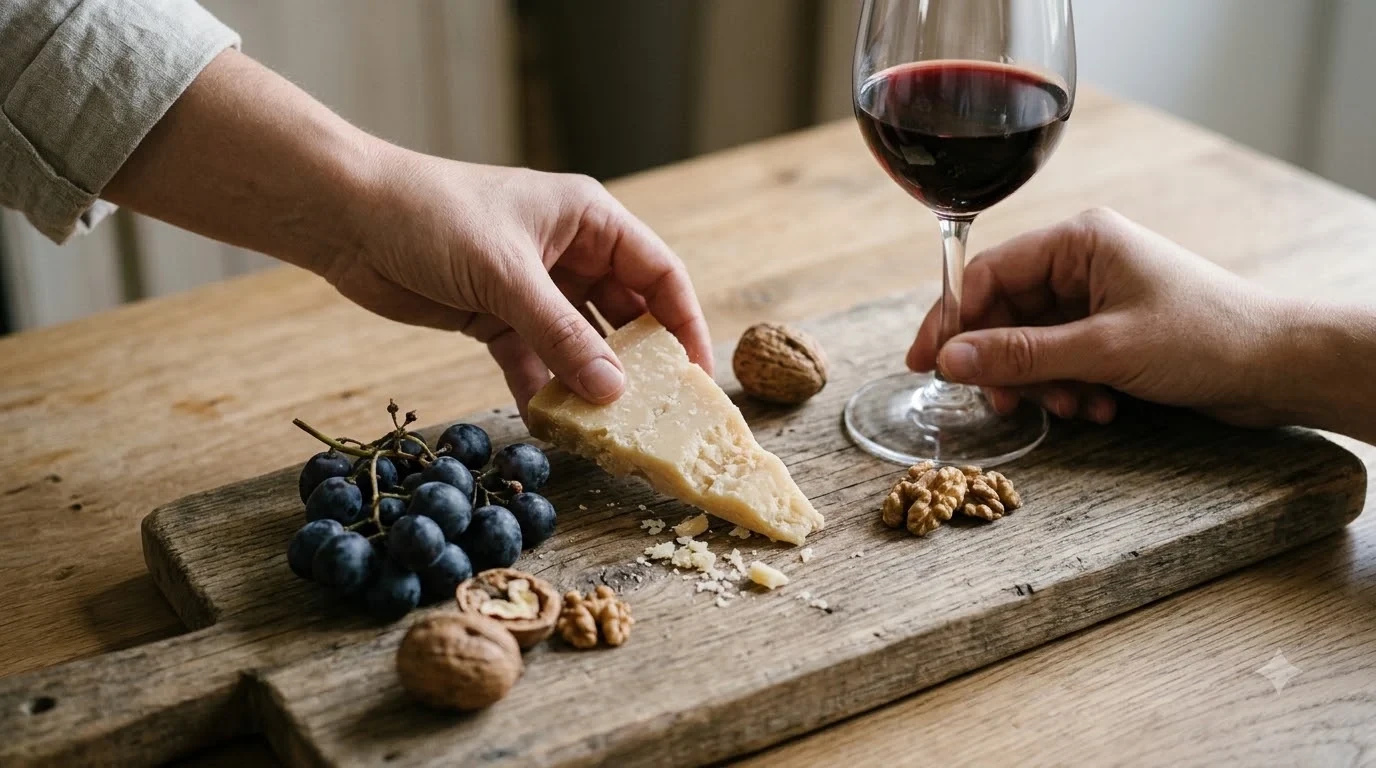
The wine is also worth considering for someone who wants a predictable food-pairing red. It does not require a complicated menu, special glassware, or an extended preparation ritual. A simple beef dinner, roasted vegetables, or a selection of aged cheeses can provide an appropriate setting.
For additional background on the producer and its broader range, explore Josh Cabernet before deciding whether this particular bottling matches your preferences.
Key Factors to Compare Before Buying Josh Cabernet
The most useful buying considerations are grape composition, flavor intensity, tannin structure, alcohol level, and regional sourcing. Together, these details explain why Josh Cellars Cabernet Sauvignon tastes the way it does and what kind of drinking experience to expect.
| Buying factor | Reported detail | What it means |
|---|---|---|
| Wine category | California Cabernet Sauvignon | A recognizable New World red wine style |
| Grape blend | 93% Cabernet Sauvignon | The primary grape supplies structure and dark fruit |
| Supporting grapes | 5% Merlot, 2% Petite Verdot | Small blending components contribute to the overall profile |
| Alcohol | 13.5% ABV | A moderate alcohol level for a California red |
| Bottle size | 750 ml | Approximately five standard 5 oz pours |
| Main fruit notes | Blackberry, blackcurrant, black cherry | Dark-fruited Cabernet character |
| Supporting notes | Vanilla, cinnamon, hazelnut, toasted oak | Spiced and nutty accents |
| Tannin character | Fine, firm; also described as round and soft | Noticeable structure without an especially aggressive presentation |
The blend figures above are reported by Jensen’s Liquors, while Wine.com independently lists the 2024 bottling at 13.5% ABV in a 750 ml format. Individual vintages and retailer listings can contain different product information, so it is sensible to distinguish between published technical details and general tasting descriptions.
Grape composition and Cabernet character
The reported blend contains 93% Cabernet Sauvignon, 5% Merlot, and 2% Petite Verdot. Cabernet Sauvignon remains the dominant influence, providing the dark-fruit character and tannin structure expected from the variety.
Merlot is generally softer than Cabernet Sauvignon, with medium tannins and a rounder impression. Petite Verdot is traditionally associated with color, structure, and concentrated fruit in blended red wines. These supporting varieties make up only 7% of the reported blend, so the wine should still be approached primarily as a Cabernet rather than a Merlot-led red.
For consumers, the important distinction is that the small supporting components contribute to a blended style without changing the wine’s central identity. Someone looking for a recognizable Cabernet profile should find the composition familiar.
Alcohol and perceived weight
The listed 13.5% ABV is useful when comparing Josh Cellars with other California reds. Alcohol contributes to the perception of warmth and body, although it is only one factor. Fruit concentration, acidity, tannins, and oak also influence how substantial a wine feels.
For a closer explanation of the bottle’s strength, see Josh Cabernet alcohol content. The figure helps establish a useful comparison point when choosing between different Cabernet Sauvignon bottles.
Price and overall buying value
A value-oriented Cabernet should be judged by how well its flavor, structure, and versatility meet the buyer’s expectations. A recognizable producer, conventional 750 ml format, and broad food compatibility make Josh Cellars easy to evaluate alongside other everyday California reds.
Value is not simply a matter of finding the lowest shelf price. Consider whether the wine delivers the dark fruit and oak character you enjoy, whether its tannins work with your meals, and whether you are comfortable with its relatively familiar house style. A less expensive bottle is not automatically a better purchase if its flavor profile does not suit your preferences.
Also consider the occasion. A casual dinner with grilled burgers calls for different qualities than a special bottle intended for a long tasting session. Josh Cellars makes more sense as an accessible table wine than as a substitute for a highly distinctive collectible Cabernet.
Step-by-Step: How to Evaluate Josh Cellars Cabernet Sauvignon
A simple evaluation takes approximately 15 to 20 minutes and focuses on appearance, aroma, taste, texture, and food compatibility. Following the same sequence helps distinguish the wine’s actual characteristics from expectations created by its label or reputation.
-
Confirm the bottle identity.
Start by identifying Josh Cellars Cabernet Sauvignon and its California designation. A standard bottle contains 750 ml, and Wine.com lists the 2024 vintage at 13.5% ABV. Distinguish the regular Cabernet Sauvignon from other Josh Cellars bottlings, including its separately listed Cabernet styles.
-
Prepare an appropriate serving temperature.
Place the bottle somewhere cool before serving. Full-bodied reds generally show well around 60 to 65 degrees Fahrenheit. Avoid serving the wine excessively warm, because elevated temperatures can make alcohol more noticeable and reduce the impression of freshness.
-
Choose a suitable glass.
A standard red wine glass with a reasonably broad bowl provides enough room to observe the wine and release its aromas. A Cabernet-style glass is useful but not essential. A clean glass without detergent residue will help keep the wine’s aromas clear.
-
Observe the appearance.
Pour a modest amount and examine the color against a white background. Cabernet Sauvignon commonly shows a deep ruby or dark garnet appearance, although the exact shade depends on vintage and bottle development. Look at the rim as well as the center of the glass.
-
Assess the aroma.
Begin with a gentle smell before swirling. Look for dark-fruit aromas associated with blackberry, blackcurrant, and cherry. After a short swirl, consider whether cinnamon, clove, hazelnut, vanilla, or toasted oak becomes more noticeable.
-
Evaluate the first sip.
Pay attention to fruit concentration, acidity, alcohol warmth, and tannins. Josh Cellars is described as round and juicy, with fine, firm tannins. Consider whether the texture feels smooth enough for casual drinking while still providing the structure expected from Cabernet Sauvignon.
-
Try it with food.
Repeat the tasting with a small bite of seasoned beef, pork, or lamb. Notice whether the food softens the tannins and whether the fruit becomes more expressive. This step is particularly useful because a structured red wine can feel different alongside protein and fat than it does on its own.
-
Make a practical buying decision.
Consider whether the fruit, oak, tannin, and overall body match your preferences. If you enjoy the combination and expect to serve similar foods again, the bottle may be a sensible addition to your regular wine choices.
It is helpful to evaluate the wine in a quiet setting rather than relying entirely on a quick sip at a crowded gathering. Even a few minutes of attention can reveal whether its fruit character or oak influence is the more prominent feature for your palate.
Tip: If the wine seems tight immediately after opening, give it 15 to 20 minutes in the glass before making a final judgment. A young, structured Cabernet may become more expressive as it encounters air.
Josh Cabernet Types, Flavors, and Styles Explained
Josh Cellars Cabernet Sauvignon is best understood as a fruit-forward California Cabernet with oak and spice accents. Its central profile combines dark berries with nutty and baking-spice characteristics rather than emphasizing herbal, mineral, or exceptionally restrained flavors.
Dark-fruit flavors
Blackberry is the producer’s principal identified fruit note. Jensen’s Liquors adds blackcurrant, while Total Wine describes black cherry and blackberry as important palate characteristics. These notes give the wine a familiar Cabernet profile.
Dark fruit can be perceived differently depending on serving temperature, the food being eaten, and the individual drinker’s sensitivity to aromas. Blackberry may suggest ripe fruit, while blackcurrant can appear darker and more concentrated. Cherry provides another dimension, preventing the overall profile from being exclusively dominated by black berries.
These flavors should not automatically be interpreted as sweetness. A wine can smell and taste strongly of ripe fruit while remaining dry. Josh Cellars’ fruit-forward character is therefore compatible with savory foods rather than being limited to sweet dishes.
Oak, vanilla, and baking spices
Vanilla and toasted oak are among the producer’s listed supporting notes. Cinnamon, toasted hazelnut, and clove appear in the additional descriptions from the retailer listings. These flavors contribute a warmer, more rounded impression than dark fruit alone.
Oak-related aromas can resemble vanilla, baking spices, toasted wood, or nuts. Their presence does not mean that the wine tastes like a sweet dessert or contains those ingredients. They are sensory descriptions associated with the wine’s flavor profile.
For someone who enjoys a traditional California red with a recognizable oak influence, this combination is an important reason to consider the bottle. The official Josh Cellars Cabernet Sauvignon product page identifies blackberry, toasted hazelnut, cinnamon, vanilla, and toasted oak among its principal flavor notes, making it a useful reference when comparing the producer’s description with other tasting impressions. Drinkers who prefer very fresh, unoaked wines may find the profile less appealing.
Tannins and mouthfeel
Cabernet Sauvignon generally has high tannin levels compared with softer red varieties such as Merlot. Tannins create a drying sensation along the gums and inside the cheeks. They also help provide structure, especially when the wine is paired with protein-rich foods.
Descriptions of Josh Cellars vary slightly in emphasis. Jensen’s Liquors identifies fine, firm tannins, while Total Wine characterizes the finish as having round, soft tannins. These descriptions are not necessarily contradictory. Tannins can be noticeable while still feeling relatively smooth compared with a more aggressively structured Cabernet.
The practical expectation is a red wine with identifiable structure rather than a completely soft, low-tannin drink. This is particularly relevant for people transitioning from Pinot Noir or lighter red blends.
Dryness and sweetness perception
Josh Cellars should be approached as a dry-style Cabernet Sauvignon rather than a sweet red wine. Its blackberry and cherry flavors may create an impression of ripe fruit, but fruit intensity and residual sugar are separate characteristics.
Oak, vanilla, and cinnamon can also make the wine seem rounder or sweeter aromatically. That does not establish that the wine has a dessert-wine sweetness level. Drinkers accustomed to very sweet red wines may perceive the tannins and structure as more prominent.
For a more detailed look at the sensory profile, Josh Cabernet tasting notes provide another useful reference when comparing the expected flavors with personal preferences.
California sourcing and regional identity
Jensen’s Liquors identifies Mendocino, Lake, Napa, and Sonoma Counties as sourcing areas for the wine. These California regions cover different growing environments and can contribute grapes with varying levels of ripeness, concentration, and structure.
The broad California designation is important for buyers. This is not presented as a single-vineyard Napa Cabernet or a bottling tied exclusively to one narrowly defined growing area. Its identity is a statewide California expression assembled to deliver a recognizable and consistent house profile.
That distinction matters because consumers sometimes assume that a California Cabernet must come from Napa Valley. California has many important wine-producing areas, and a broad regional designation should not be confused with a specific appellation’s style or reputation.
Common Mistakes When Buying and Drinking Josh Cabernet
The biggest mistakes are expecting an inexpensive everyday-style California Cabernet to behave like a premium collectible wine, serving it too warm, or pairing it with food that exaggerates alcohol and tannin. A few straightforward adjustments can make the bottle more enjoyable.
Expecting a completely soft red wine
Although the wine is described as approachable, it remains Cabernet Sauvignon. The grape naturally brings more tannin than varieties such as Pinot Noir and generally more structure than many easy-drinking red blends.
Someone who prefers very soft reds should consider this before purchasing. The supporting Merlot component does not transform the wine into a Merlot-led bottling. Its reported composition remains 93% Cabernet Sauvignon.
Confusing ripe fruit with sweetness
Blackberry, cherry, and blackcurrant can give a wine a ripe, generous impression. However, those characteristics do not mean the wine is sweet. This distinction is particularly important for people who usually choose Moscato, sweet red blends, or dessert wines.
A dry Cabernet may still have an expressive fruit profile. If sweetness is the primary buying requirement, a dedicated sweet red or dessert wine is a more appropriate choice.
Serving it too warm
Room temperature is not always the right serving temperature for red wine, particularly in a warm climate or a heated dining room. Full-bodied reds generally benefit from serving temperatures around 60 to 65 degrees Fahrenheit.
Serving Josh Cellars considerably warmer can make its alcohol warmth more prominent. A short period of chilling can help restore balance without making the wine excessively cold.
Pairing it with delicate seafood
Strong tannins can clash with oily fish, producing an unpleasant metallic or drying impression. Delicate white fish, lightly seasoned seafood, and subtle vegetable dishes may also be overwhelmed by a structured Cabernet.
For seafood meals, a higher-acidity white such as Sauvignon Blanc is generally a more suitable starting point. Reserve Josh Cellars for foods that have enough flavor and protein to stand alongside its structure.
Matching it with extremely spicy dishes
Chili heat can become more pronounced alongside alcohol and tannin. A heavily spiced dish with substantial chili content may make the wine seem hotter and less balanced than it does alongside a simple grilled meal.
If serving the Cabernet with spicy food, reduce the chili intensity and emphasize grilled meat, roasted vegetables, or savory sauces instead. A milder seasoning approach generally creates a more comfortable match.
Expecting every vintage to taste identical
Vintage variation is normal in wine production. Growing conditions can influence grape ripeness, acidity, tannin development, and fruit expression. The general house style may remain recognizable while individual bottles show small differences.
It is better to assess the bottle in front of you rather than assuming that a tasting description from another vintage guarantees an identical experience. This is particularly relevant when reading older tasting references or retailer information for previous releases.
Care, Serving, and Storage Tips for Josh Cellars Cabernet
Proper serving and storage help preserve the wine’s fruit and structure. A temperature around 60 to 65 degrees Fahrenheit, a standard 5 oz pour, and a cool storage environment are practical starting points for enjoying a bottle.
Serving temperature
Full-bodied reds generally show best between 60 and 65 degrees Fahrenheit. This is slightly cooler than many household rooms, particularly in warmer locations. If the bottle has been stored in a warm kitchen, allow it to cool before pouring.
Excessive chilling is also unhelpful. Very cold red wine can seem more acidic and less expressive, while the tannins may become more noticeable. Allow a chilled bottle to warm gradually in the glass until its fruit and spice aromas become clearer.
Pour size and glass selection
A standard 750 ml bottle provides approximately five servings when poured at 5 oz each. This is a useful planning figure for a dinner involving several guests.
A medium-to-large red wine glass is appropriate. Avoid filling it to the rim, because leaving room in the bowl allows the aromas to collect and makes gentle swirling easier.
Decanting and aeration
Young, full-bodied red wines can benefit from 30 to 60 minutes of decanting. This gives the wine additional exposure to air and may soften the initial impression of tight tannins while making the aromatic profile more expressive.
Josh Cellars does not require an elaborate decanting routine for ordinary meals. If opening the bottle shortly before dinner, simply pour a glass and allow it to breathe while preparing the food. Compare the first sip with another after 15 or 20 minutes.
A decanter is optional. A clean glass pitcher designed for food use can provide temporary aeration, although a dedicated wine decanter is more convenient for pouring.
Storage before opening
Wine should ideally be stored in a cool, dark place near 55 degrees Fahrenheit, away from temperature fluctuations, direct sunlight, and vibration. Bottles with natural cork closures are generally stored on their sides to help maintain cork contact with the wine.
Avoid keeping Cabernet Sauvignon beside ovens, heating equipment, or sunny windows. Prolonged exposure to heat can damage the wine’s fruit character and accelerate unwanted aging.
For bottles intended for ordinary consumption, there is little reason to build a complicated cellar system. A stable, cool storage location is more important than expensive shelving or decorative wine racks.
Storage after opening
Once opened, reseal the bottle and keep it in the refrigerator. Even red wine benefits from refrigeration after opening because lower temperatures slow oxidation.
Still wines generally remain suitable for approximately three to five days after opening when properly resealed and refrigerated. The exact period depends on the wine, storage conditions, and amount of air remaining in the bottle.
Before serving another glass, remove the bottle from the refrigerator for a short period so the Cabernet can approach its preferred serving temperature. Avoid leaving the opened bottle uncorked on a counter for several days.
Planning for meals and gatherings
For a dinner serving four people, one 750 ml bottle can provide approximately five standard pours, leaving some flexibility for slightly larger servings. For a longer meal or an event with several red wine drinkers, plan the number of bottles around the expected pour size and the availability of other beverages.
Josh Cellars works particularly well when the food menu is known in advance. Beef, lamb, and pork are natural starting points. A simple roasted vegetable side dish or a selection of moderately aged cheeses can round out the meal without competing with the wine’s dark fruit and oak flavors.
Frequently Asked Questions
Is Josh Cellars Cabernet Sauvignon vegan?
The product descriptions reviewed do not establish whether this particular Cabernet Sauvignon is certified vegan. Vegan suitability can depend on the fining agents used during winemaking, so grape composition alone cannot confirm it. Consumers following strict vegan requirements should look for an explicit certification or confirmation from the producer.
Does Josh Cellars Cabernet Sauvignon contain sulfites?
Commercially produced Cabernet Sauvignon generally contains naturally occurring sulfites, and additional sulfites may be used during winemaking. The specific sulfite concentration of this bottling is not established by the product descriptions reviewed. Consult the bottle’s labeling and producer information for applicable sulfite declarations.
Can Josh Cellars Cabernet Sauvignon be used for cooking?
Yes, a dry Cabernet can be used in recipes such as beef braises, red wine pan sauces, and slow-cooked stews. Its dark-fruit and oak characteristics can contribute depth to savory preparations. Avoid reducing it excessively in a very small pan, because concentrated tannins and acidity can become more noticeable.
Does Josh Cellars Cabernet Sauvignon need to be aged before drinking?
It is generally positioned as an approachable California Cabernet for relatively immediate enjoyment rather than as a collectible wine requiring extended bottle aging. Its fruit-forward profile makes it suitable for opening without planning years of storage. Keeping it under stable conditions is still important if the bottle will not be consumed immediately.
What glass shape is best for Josh Cellars Cabernet Sauvignon?
A Bordeaux-style glass with a relatively tall bowl and narrower opening is a suitable option for Cabernet Sauvignon. Its shape provides room for swirling while directing aromas toward the nose. However, a conventional red wine glass is entirely adequate for casual dinners and everyday service.
Josh Cellars Cabernet Sauvignon is a sensible option for drinkers who appreciate ripe blackberry, blackcurrant, vanilla, toasted oak, and a recognizable Cabernet structure. Its approachable California style and broad food compatibility make it particularly suitable for everyday meals and informal gatherings. Choose it for familiar fruit and spice rather than exceptional complexity, and serve it at the right temperature to get the most from the bottle.
More in Wine Brands
 Underwood Wine Price: Compare Bottles, Cans, and Pack SizesUpdated Nov 21, 2026
 Zenato Wine Price: Compare Styles and Choose the Right BottleUpdated Nov 21, 2026
 Zuccardi Wine Price: Compare Bottles and Find the Right RangeUpdated Nov 21, 2026
 Yellow Tail Moscato Review: Taste, Sweetness and Serving TipsUpdated Nov 21, 2026
 Wolf Blass Yellow Label Review: Choose Your Best StyleUpdated Nov 21, 2026
 Wolffer Estate Rose Review: Choose the Right Bottle for Your TableUpdated Nov 21, 2026