

We may earn a commission when you buy through links on this page, at no extra cost to you. Learn more.
Josh cabernet alcohol content is typically 13.5% alcohol by volume (ABV), based on the commonly listed 750 ml Josh Cellars Cabernet Sauvignon bottle. This makes it a moderately strong, full-bodied California red wine. A standard 5-ounce glass contains approximately 0.675 fluid ounces of pure alcohol, while a complete bottle contains approximately 3.42 fluid ounces of pure alcohol.
Understanding the alcohol percentage helps put the wine’s body, serving size, and drinking experience into perspective. Josh Cellars Cabernet Sauvignon combines dark-fruit flavors with oak, spice, and firm Cabernet tannins, making it a familiar choice for steak dinners, grilled meats, and other substantial dishes. Here is how its ABV translates into actual servings, how it compares with other wines, and how to serve it for a balanced experience.
Josh Cellars Cabernet Sauvignon Alcohol Percentage
Josh Cellars Cabernet Sauvignon is generally listed at 13.5% ABV, meaning alcohol accounts for 13.5% of the wine’s total volume. This percentage applies to the commonly listed 750 ml California Cabernet Sauvignon bottle and places it within the familiar range for full-bodied red wines.
Product listings from multiple retailers support this figure. Wine.com identifies its 2024 Josh Cellars Cabernet Sauvignon as a 750 ml California wine containing 13.5% ABV. This provides a concrete reference for understanding the standard bottling, although individual vintages and market listings should not automatically be assumed to have identical alcohol percentages.
ABV describes concentration rather than the total amount of alcohol in a bottle. A wine containing 13.5% ABV has 13.5 milliliters of pure alcohol in every 100 milliliters of wine. The remaining volume consists primarily of water and other naturally occurring wine components.
That distinction matters because a larger glass contains more total alcohol than a smaller glass, even though both glasses have the same ABV. Pouring 8 ounces instead of 5 ounces increases the amount of alcohol consumed by 60%, without changing the wine’s percentage.
Retailer information can sometimes differ between products, vintages, and markets. The specific bottle’s printed alcohol declaration is therefore the most reliable figure for an individual purchase. A percentage listed for one vintage should not automatically be applied to every Josh Cellars Cabernet Sauvignon bottle.
For readers comparing different bottles, the Wine Brands section provides a useful starting point for understanding how producers and individual bottlings differ. The producer’s name alone does not determine the alcohol percentage; grape variety, growing conditions, harvest timing, and winemaking decisions all contribute.
What 13.5% ABV Means in an Actual Glass
A percentage becomes easier to understand when translated into a measurable serving. With Josh Cellars Cabernet Sauvignon at 13.5% ABV, a 5-ounce pour contains approximately 0.675 fluid ounces of pure alcohol, or about 15.8 grams.
The calculation is straightforward: multiply the wine’s serving volume by 0.135. For a 5-ounce serving, the result is 0.675 fluid ounces of alcohol. This calculation measures the alcohol itself, not the entire amount of wine in the glass.
The following table shows how different serving sizes affect the amount of alcohol in the glass. All figures use a constant 13.5% ABV and are approximate.
| Serving size | Pure alcohol by volume | Approximate alcohol weight |
|---|---|---|
| 3 oz | 0.405 fl oz | 9.5 g |
| 4 oz | 0.540 fl oz | 12.6 g |
| 5 oz | 0.675 fl oz | 15.8 g |
| 6 oz | 0.810 fl oz | 18.9 g |
| 8 oz | 1.080 fl oz | 25.2 g |
A 5-ounce pour is a useful reference for comparing wine servings. However, restaurant glasses and home pours can vary considerably. A large wineglass does not necessarily represent one standard serving simply because it is filled to a visually comfortable level.
For comparison, the commonly used US standard-drink definition contains approximately 14 grams of pure alcohol. Because a 5-ounce glass of 13.5% Cabernet contains approximately 15.8 grams, it contains somewhat more alcohol than that reference amount. This illustrates why both serving size and ABV matter when comparing beverages.
The same calculation also explains why two wines with different alcohol percentages can produce different amounts of alcohol in identical glasses. A 5-ounce pour of 12% wine contains 0.6 fluid ounces of pure alcohol, compared with 0.675 fluid ounces in Josh Cabernet at 13.5%.
Tip: Use a measuring cup or marked wineglass to understand your usual pour. A 5-ounce serving is a useful comparison point, while an oversized home pour can contain considerably more alcohol than expected.
Alcohol in a Full Bottle and Different Bottle Sizes
A standard 750 ml bottle of Josh Cellars Cabernet Sauvignon contains approximately 101.25 ml of pure alcohol at 13.5% ABV. That is approximately 3.42 US fluid ounces of pure alcohol, or 79.9 grams by weight.
The total amount in the bottle remains the same regardless of how many glasses are poured. Dividing the bottle into smaller servings changes the amount of alcohol in each glass, not the total alcohol originally contained in the wine.
A typical 750 ml bottle provides approximately five 5-ounce servings. The actual volume is slightly more than five such pours, but allowing for small differences in pouring and the practical amount left in the bottle, five glasses is a convenient planning estimate.
Common bottle sizes compared
The table below applies the same 13.5% ABV to several bottle sizes to show how packaging affects total alcohol volume. These are mathematical comparisons rather than a claim that every size is available for every Josh Cellars bottling.
| Bottle size | Pure alcohol | Approximate 5 oz pours |
|---|---|---|
| 187 ml | 25.2 ml | 0.25 |
| 375 ml | 50.6 ml | 2.5 |
| 500 ml | 67.5 ml | 3.4 |
| 750 ml | 101.3 ml | 5 |
| 1,500 ml | 202.5 ml | 10 |
The half-bottle format contains approximately half the alcohol of a standard 750 ml bottle when both have the same ABV. A magnum, at 1,500 ml, contains twice the wine and twice the total alcohol of a standard bottle, but the concentration remains 13.5%.
For a dinner involving several guests, bottle size can therefore be more useful than alcohol percentage alone. A single 750 ml bottle provides roughly five standard 5-ounce glasses, while a 1,500 ml magnum provides roughly ten. The actual number of servings depends on how generously each glass is poured.
How Josh Cabernet Compares With Other Red Wines
At 13.5% ABV, Josh Cellars Cabernet Sauvignon sits comfortably within the alcohol range found in many California red wines. It is not an unusually low-alcohol wine, but neither does its listed percentage place it at the highest end of the red-wine spectrum.
Cabernet Sauvignon is naturally associated with full body, concentrated dark-fruit flavors, and firm tannins. Wine Enthusiast describes the variety as a full-bodied grape that produces wines with substantial structure and concentrated flavors. These characteristics can make Cabernet seem powerful even when its alcohol percentage is similar to that of another red wine. Its Cabernet Sauvignon grape guide from Wine Enthusiast also explains how thick skins and small berries contribute to tannin and flavor concentration.
Different grape varieties have different typical structures. Cabernet Sauvignon generally has high tannin, Merlot has medium and softer tannin, Pinot Noir typically has low-to-medium tannin and higher acidity, and Syrah often has medium-plus to high tannin. These structural differences influence how a wine feels in the mouth, independently of its ABV.
For a useful comparison, consider these typical stylistic characteristics rather than treating every grape variety as having a fixed alcohol percentage.
| Wine style | Typical tannin level | General character |
|---|---|---|
| Cabernet Sauvignon | High | Full-bodied, structured |
| Merlot | Medium | Softer, rounded |
| Pinot Noir | Low-medium | Lighter, more acidic |
| Syrah | Medium-plus to high | Structured, often full-bodied |
| Zinfandel | Medium to high | Often ripe and fruit-forward |
For another everyday Cabernet comparison, Sutter Home Cabernet alcohol content offers a useful reference point. A direct comparison should use the ABV printed on each bottle rather than assuming all Cabernet Sauvignon wines have the same alcohol percentage.
Another relevant comparison is Black Box Cabernet alcohol content. Both brands offer Cabernet Sauvignon, but packaging, sourcing, and individual production choices can affect the final wine’s alcohol concentration. The grape variety alone cannot establish which bottle has the higher ABV.
It is also important to distinguish perceived strength from measured strength. A wine with more tannin, concentrated fruit, and substantial body may feel more intense than a lighter red even when the alcohol percentages are similar. Conversely, a fruit-forward wine can taste smooth and approachable without containing less alcohol.
Flavor, Body, and the Factors Behind Its Alcohol Level
Josh Cellars Cabernet Sauvignon combines a listed 13.5% ABV with a full-bodied profile built around dark fruit, spice, and oak. Its alcohol percentage is only one part of the wine’s overall structure; grape ripeness, acidity, tannin, and winemaking choices also shape the finished wine.
The producer’s published flavor description includes blackberry, toasted hazelnut, and cinnamon, supported by vanilla and toasted oak. These flavors create a recognizable California Cabernet profile. The wine is described as round and juicy, with enough structure to accompany substantial foods.
Alcohol develops during fermentation when yeast converts natural grape sugars into ethanol and carbon dioxide. Grapes with higher sugar levels generally have the potential to produce more alcohol, assuming the fermentation process converts a similar proportion of available sugar.
Growing conditions can influence grape sugar levels. Warmer growing environments and longer ripening periods may encourage greater sugar accumulation, although vineyard management, harvest timing, and winemaking decisions also matter. Consequently, two Cabernet Sauvignon wines from the same broad region can have noticeably different ABV figures.
Why the wine’s structure matters
Cabernet Sauvignon’s thick grape skins contribute substantial tannin and color to the finished wine. Its dark-fruit characteristics, often associated with black cherry and plum, complement the structure. Oak aging can introduce additional notes such as vanilla, cedar, and baking spice.
Wine Enthusiast explains that Cabernet Sauvignon wines commonly spend between 6 and 24 months maturing in oak barrels, although the precise approach varies among producers and wines. That general range describes the variety rather than establishing an exact barrel-aging schedule for every Josh Cellars vintage.
Alcohol also contributes to the perception of body and warmth. At 13.5% ABV, Josh Cabernet has enough alcohol to contribute weight and warmth without requiring the drinker to interpret that sensation as sweetness. A wine can taste dry while still delivering ripe fruit flavors that resemble blackberry jam or dark cherry.
The distinction between sweetness and fruitiness is especially important. A wine with ripe blackberry aromas is not necessarily sweet. Fruit flavors can be intense in a dry Cabernet, while residual sugar and perceived sweetness are separate characteristics.
For readers who enjoy the brand’s white wines, Josh Chardonnay alcohol content provides another useful comparison. Chardonnay generally has medium acidity and a different combination of fruit, body, and texture than Cabernet Sauvignon. The alcohol percentage should be evaluated separately for each specific bottling.
Best Serving Temperature and Food Pairings
Josh Cellars Cabernet Sauvignon is best served slightly cool rather than warm, with approximately 60–65°F providing a practical serving range for this full-bodied red. Temperature affects how its alcohol, fruit, acidity, and tannins are perceived, so serving it too warm can make the wine seem heavier and more alcoholic.
Decanter recommends approximately 61–64°F for full-bodied reds, including Cabernet Sauvignon-dominant wines. This is a helpful reference for Josh Cabernet because it allows the dark-fruit characteristics and oak notes to remain expressive without making the alcohol sensation unnecessarily prominent. Its red wine serving-temperature guide also explains why excessive warmth can make alcohol stand out and reduce the impression of freshness.
If the bottle has been stored in a warm room, placing it in the refrigerator for approximately 15–20 minutes can help bring the temperature down. A wine thermometer provides a more accurate reading than relying on the feel of the bottle. In a warm dining room, the wine can warm quickly after being poured, so serving smaller amounts at a time can help maintain its balance.
Food pairings for Cabernet Sauvignon
Josh Cellars recommends well-seasoned beef, pork, and lamb, along with chocolate desserts. These pairings make sense because Cabernet Sauvignon has substantial tannin, dark-fruit flavors, and enough body to stand alongside rich foods.
Grilled steak is a particularly suitable match. The protein and fat in the meat soften the perception of tannin, while seasoning and browned surfaces complement the wine’s toasted oak and spice characteristics. Burgers, roasted beef, and grilled lamb can work in similar ways.
Pork also offers flexibility. Roasted pork loin with herbs, grilled pork chops, and slow-cooked pork shoulder can complement the wine, especially when the preparation includes savory seasoning. The sauce matters: a strongly sweet sauce can make a dry wine seem less fruity, while excessive chili heat can become more noticeable alongside alcohol and tannin.
Chocolate desserts can provide another pairing option, particularly when the dessert has enough richness and intensity to stand alongside the wine. A very sweet dessert should ideally be matched with a wine that is at least as sweet, so a dry Cabernet is generally more suitable with dark chocolate preparations that are not excessively sugary than with very sweet confectionery.
Hard cheeses and aged cheeses can also work well because salt and fat soften tannin. Avoid assuming that every cheese or seafood dish will work equally well. Oily fish, for example, can clash with highly tannic red wines, while delicate white fish is usually better suited to wines with less tannin.
Frequently Asked Questions
Does Josh Cellars Cabernet Sauvignon contain added alcohol?
The listed 13.5% ABV describes the wine’s total alcohol concentration, not the amount of alcohol added during production. Conventional Cabernet Sauvignon obtains its alcohol primarily through yeast fermentation of grape sugars. An ABV listing alone does not establish whether any specific winemaking additions or adjustments were made.
Is Josh Cellars Cabernet Sauvignon made entirely from Cabernet Sauvignon grapes?
The Cabernet Sauvignon name identifies the principal grape variety, but a varietal wine does not necessarily have to contain 100% of that grape. In the United States, federal varietal-labeling rules generally require at least 75% of the named grape variety for a wine to use that varietal designation. The precise blend can vary by bottling.
Does the Josh Cellars Cabernet bottle have a cork or screw cap?
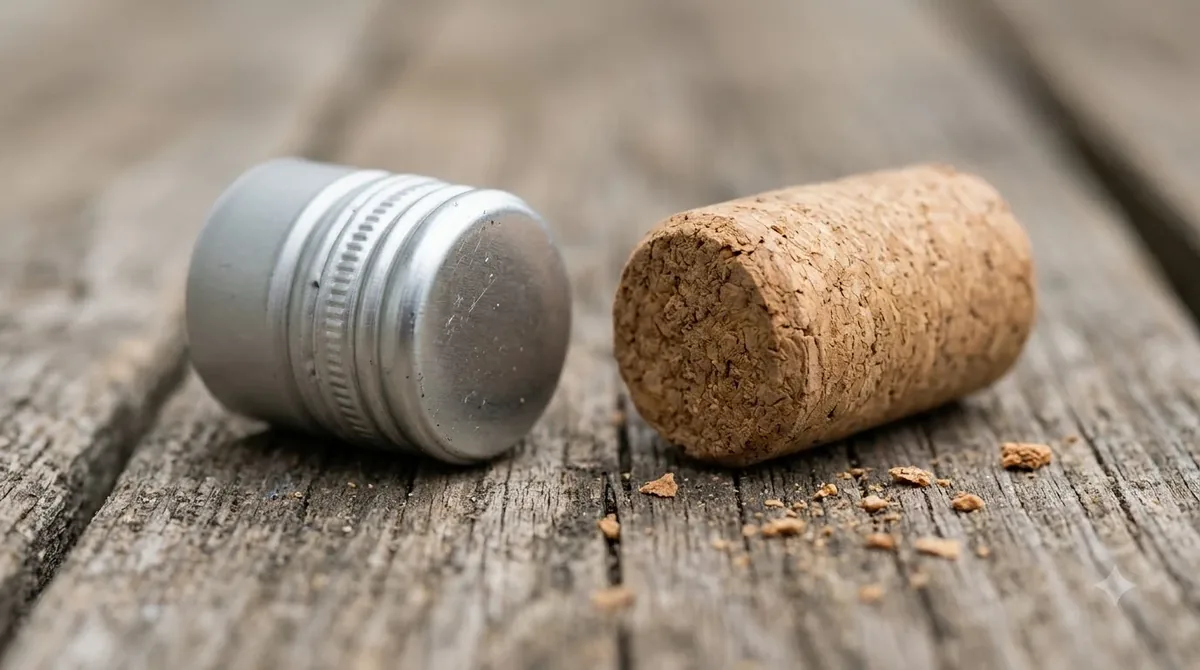
Closure type can differ between wine products and packaging formats. A retailer listing for one Josh Cellars Cabernet Sauvignon product identifies a cork closure, but that information should not automatically be applied to every bottle size or market. The physical closure is the most direct way to identify the format of an individual bottle.
Can Josh Cellars Cabernet Sauvignon be stored for several years?
Many everyday California Cabernet Sauvignon wines are intended to be enjoyed relatively young rather than held for decades. Cabernet Sauvignon as a variety can age well, but aging potential depends on concentration, acidity, tannin, vintage, and winemaking. Proper storage in a cool, dark location with stable conditions is important if a bottle is being kept rather than opened soon.
What does ABV stand for on a Josh Cellars wine label?
ABV stands for alcohol by volume. It is a measurement of the percentage of the beverage’s total volume represented by pure ethanol. The same measurement is used for wine, beer, and spirits, making it a convenient way to compare their alcohol concentrations.
Josh Cellars Cabernet Sauvignon is commonly listed at 13.5% ABV, giving its standard 750 ml bottle approximately five reference-size wine servings. Its full-bodied structure, dark-fruit character, and oak-influenced flavors make it a natural companion for grilled meats and other substantial dishes. For the most accurate alcohol comparison, use the percentage and bottle size printed on the specific wine you are considering.
More in Wine Brands
 Louis Latour Wine Price: Compare Bottles by Style and TierUpdated Nov 20, 2026
 Yellow Tail Moscato Price: What to Expect Before You BuyUpdated Nov 20, 2026
 Sutter Home Sweet Red Review: Find the Right Food PairingsUpdated Nov 20, 2026
 Franzia Chillable Red Review: Find the Right Serving StyleUpdated Nov 20, 2026
 Veuve Clicquot Rose Review: Flavor, Food Pairings and Buying AdviceUpdated Nov 20, 2026
 Rombauer Wine Price: Compare Bottles Before You BuyUpdated Nov 20, 2026