

We may earn a commission when you buy through links on this page, at no extra cost to you. Learn more.
Syrah acidity sits firmly in the medium to medium-plus range, giving this full-bodied red wine enough brightness to balance its dark fruit, firm tannins, and savory spice. While climate shapes the exact structure, typical finished bottles show a pH around 3.45 to 3.85 and titratable acidity near 5.2 to 6.8 grams per liter. Cooler growing regions produce brisker, more mouthwatering tension, whereas warmer climates soften that edge into a rounder, plusher mouthfeel.
Because Syrah is known for its opaque purple color and bold, peppery character, drinkers often assume it is heavy or low in freshness. In reality, natural acid is the backbone that keeps the grape from feeling flat, carries its black pepper and smoked meat aromas across the palate, and allows top bottles to evolve in the cellar for decades.
What Syrah Acidity Is
In wine tasting and winemaking, syrah acidity refers to the natural tartness—primarily from tartaric and malic acids—that creates a mouthwatering sensation and balances alcohol, tannin, and fruit concentration. According to Wine Folly’s comprehensive guide to Syrah, the variety naturally registers as medium acidity alongside full body and medium-high tannins, placing it squarely in the sweet spot for food-friendly red wines.
Winemakers measure acidity using two complementary metrics: titratable acidity (TA), which reflects the total quantity of acid present in grams per liter, and pH, which measures the active strength of those acids on a logarithmic scale. In finished Syrah, pH typically lands between 3.45 and 3.85, while titratable acidity generally falls between 5.2 and 6.8 grams per liter. Because lower pH numbers indicate stronger acidity, a bottle at 3.50 feels noticeably crisper and more linear than one closer to 3.85.
Like nearly all red wines, Syrah undergoes malolactic fermentation after primary alcoholic fermentation finishes. During this secondary biological conversion, bacteria transform sharper malic acid—the same crisp acid found in green apples—into softer lactic acid, which gives the wine a smoother, creamier texture. Even after malolactic conversion raises the pH slightly, well-grown Syrah retains enough tartaric acid to feel lively rather than flabby, especially when grapes are harvested before late-season heat spikes burn off natural acidity.
Flavor and Styles
Acidity dictates whether a bottle of Syrah tastes taut, savory, and pepper-driven or plush, jammy, and chocolate-laced. When natural acid stays brisk, the wine highlights crunchy blackberry, tart blueberry, black olive, and cracked black pepper, whereas lower-acid expressions lean toward cooked plum, licorice, and sweet baking spice.
The most famous stylistic divide happens between wines labeled Syrah and those labeled Shiraz, even though both names refer to the exact same grape variety. Cool-to-moderate climate bottlings labeled Syrah typically carry medium-plus acidity and moderate alcohol between 12.5% and 14% ABV, producing a leaner frame that showcases floral violet notes, cured meat, and herbal complexity. For a closer look at those aromatic nuances, explore our breakdown of what Syrah tastes like.
By contrast, warm-climate Shiraz—most famously from South Australia—ripens longer under intense sun, which drops natural acidity and pushes alcohol levels to 14% through 15.5% ABV. Reviewers at Wine Enthusiast note that these riper styles trade brisk, linear tension for a velvety, mouth-filling texture layered with blackberry jam, dark chocolate, and vanilla from oak aging. Neither style is inherently superior, yet the difference in acid level changes how the wine feels from the first sip through the finish.
Winemaking choices further shape how crisp a bottle feels on the palate. Producers aiming for higher natural lift often harvest earlier, limit new oak influence, or include a small percentage of whole grape clusters during fermentation, which adds aromatic spice and a perception of freshness. In France’s Northern Rhône, some winemakers even co-ferment red Syrah grapes with a small splash of white Viognier skins, boosting floral aromatics and lending an impression of brightness to the mid-palate.
Where It Grows
Geography is the single biggest driver of Syrah’s acid profile, because nighttime cooling and growing-season temperatures control how quickly grapes respire their natural acids. Steep, sunlit slopes tempered by cool continental winds preserve sharp tartaric acid, while hot inland valleys accelerate ripening and soften the wine’s structural edge.
France’s Northern Rhône Valley—the ancestral home of the grape—sets the benchmark for bright, structured Syrah. Appellations such as Côte-Rôtie, Hermitage, Saint-Joseph, and Crozes-Hermitage sit along granite hillsides where cool nights lock in acidity and sustain rotundone, the aroma compound responsible for Syrah’s signature black pepper scent. Readers curious about the grape’s origins and global footprint can read more about where Syrah is from.
In the New World, coastal influence and elevation recreate that vital acid balance. Washington’s Columbia Valley and Walla Walla Valley benefit from dramatic diurnal temperature swings—warm, sunny afternoons followed by chilly desert nights—that yield dense dark fruit backed by snappy acidity. Along California’s Central Coast, particularly in Santa Barbara County and the Santa Lucia Highlands, Pacific fog and limestone-rich soils keep pH levels low and preserve vibrant freshness compared to warmer inland valleys.
| Region | Climate Type | Typical Acidity | Typical ABV | Key Flavor Notes |
|---|---|---|---|---|
| Northern Rhône, France | Moderate continental | Medium-plus to high | 12.5%–14% | Black pepper, violet, black olive, smoked meat, tart blackberry |
| Santa Barbara Coast, USA | Cool maritime | Medium-plus | 13%–14.5% | Boysenberry, white pepper, dried herbs, savory earth |
| Columbia Valley, USA | Arid continental | Medium to medium-plus | 13.5%–14.5% | Blueberry, black plum, cocoa, cracked pepper |
| Barossa Valley, Australia | Warm Mediterranean | Medium | 14%–15.5% | Blackberry jam, dark chocolate, licorice, sweet oak spice |
How to Serve
Serving temperature dramatically affects how crisp or heavy Syrah tastes in the glass. As Wine Enthusiast’s guide to Syrah and Shiraz explains, serving this variety at warm room temperature makes its alcohol taste hot and flattens its natural acidity, whereas a brief chill sharpens the fruit and keeps the finish refreshing.
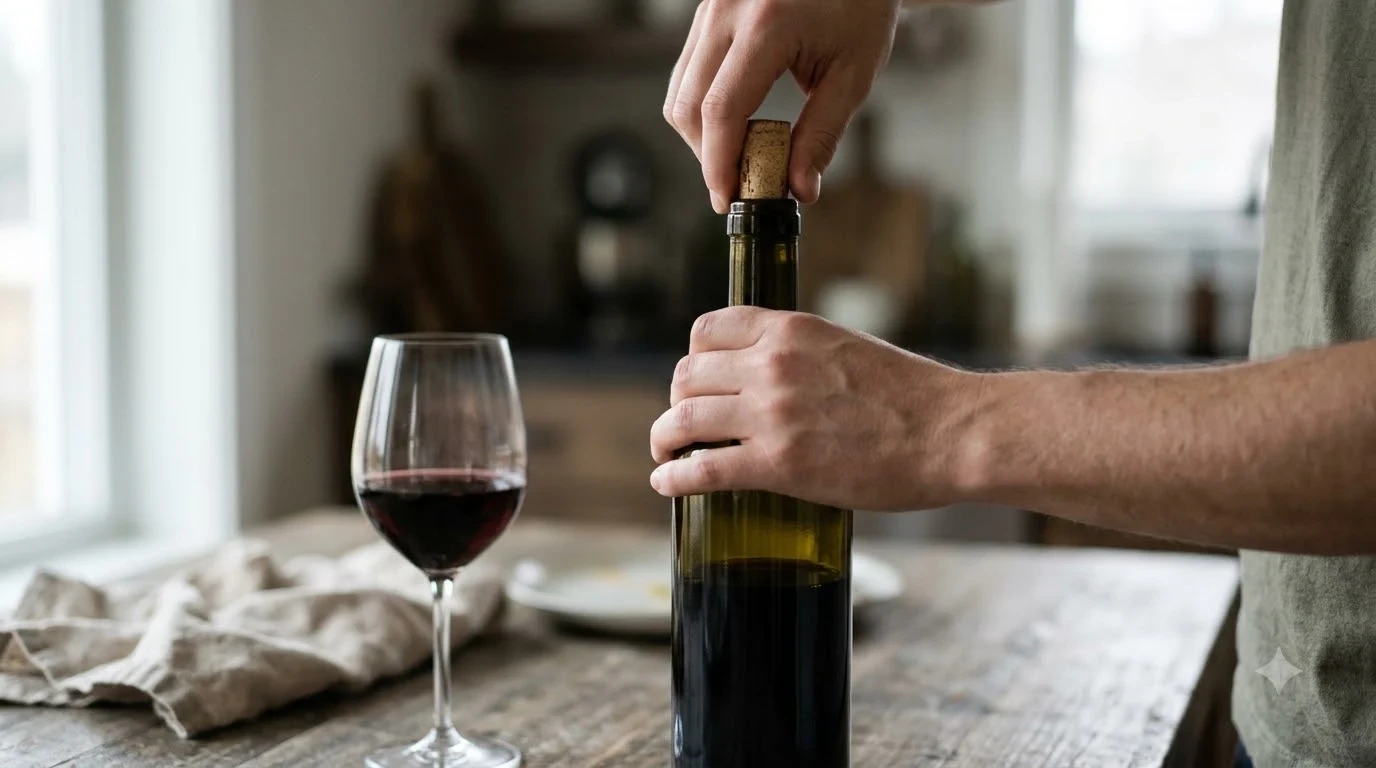
Aim to pour Syrah between 60°F and 65°F (15°C to 18°C), which is slightly cooler than most living rooms. Placing a bottle in the refrigerator for about 15 to 20 minutes before opening brings it right into this ideal zone, tightening the wine’s structure so the acid and tannins feel balanced rather than sluggish. Avoid chilling it down to white-wine temperatures, however, because excessive cold mutes Syrah’s complex pepper, floral, and smoky aromatics and makes the tannins feel overly astringent. You can check our quick reference on whether Syrah should be chilled for exact timing tips.
Glassware and aeration also play a supporting role in highlighting freshness. A large-bowled Syrah or Bordeaux glass gives volatile aromatics room to open while directing the wine toward the center of the palate, where acidity registers cleanly. Young, high-acid bottles from cooler regions benefit from 30 to 60 minutes in a decanter to soften tight tannins and let savory notes unfurl.
Tip: If a bottle of warm-climate Shiraz feels slightly heavy or overly rich on the first pour, drop it back into an ice bucket or refrigerator for ten minutes—a cooler temperature immediately perks up its perceived acidity.
Food Pairing
Syrah’s medium-plus acidity makes it one of the most versatile red wines at the dinner table, cutting through rich animal fats while harmonizing with charred, peppery, and herbal flavors. Instead of overwhelming a dish with sugar or heavy oak, its natural brightness cleanses the palate between bites.
Classic pairings lean into savory meats and slow-cooked dishes where acid and tannin work together. Grilled lamb chops seasoned with rosemary and garlic mirror the herbal, peppery notes of a Northern Rhône Syrah, while the wine’s crisp finish slices right through the richness of the meat. Braised beef short ribs, duck confit, mushroom ragù, and cured charcuterie also thrive alongside bright, cool-climate Syrah because the acid refreshes your taste buds after every savory forkful.
When pouring a riper, lower-acid Shiraz from a warmer region, match that fuller fruit weight with bold, smoky, or slightly sweet glazes. Barbecued pork ribs, smoked brisket, blackened burgers, and aged hard cheeses such as aged cheddar or Gouda stand up to higher alcohol and plush tannins without making the wine taste sharp or thin.
How to Choose a Bottle
You can predict a bottle’s acidity level before pulling the cork by checking three clues on the label: the grape name, the region of origin, and the alcohol percentage. Together, these details tell you whether the wine will lean crisp and savory or plush and rich.
Start with the alcohol by volume (ABV) printed in small type on the front or back label. Bottles listing 12.5% to 13.8% ABV almost always come from cooler sites or earlier harvests, signaling higher natural acidity, firmer grip, and prominent black pepper notes. Conversely, bottles at 14.5% ABV or higher indicate riper grapes with lower natural acid and a rounder, fuller-bodied profile.
Next, look at the geographic appellation and grape naming convention. Labels reading “Syrah” from France’s Northern Rhône, coastal California, Oregon, Washington, Chile’s coastal valleys, or New Zealand’s Hawke’s Bay reliably deliver vibrant, food-friendly acidity. Labels reading “Shiraz” from warmer South Australian regions signal a softer, fruit-forward style, though cool-climate Australian pockets like Adelaide Hills and Eden Valley increasingly use the Syrah spelling specifically to highlight their brighter, fresher structure. To compare how Syrah stacks up against other major red grapes, browse our overview of wine by type.
Frequently Asked Questions
Is Syrah a high-acid or low-acid red wine?
Syrah is a medium to medium-plus acid red wine, sitting comfortably between softer varieties like Grenache and sharper reds like Sangiovese or Pinot Noir. Cooler growing regions push its acidity into a brisk, mouthwatering register, while warmer regions produce a rounder, more mellow balance.
Does Syrah or Shiraz have higher acidity?
Wines labeled Syrah generally have higher acidity than wines labeled Shiraz, even though both are made from the exact same grape. Winemakers use the Syrah name to signal a cooler-climate, leaner, pepper-driven style, whereas Shiraz denotes a riper, warmer-climate style with lower acid and fuller body.
What is the typical pH of Syrah wine?
Finished Syrah typically has a pH between 3.45 and 3.85 and titratable acidity between 5.2 and 6.8 grams per liter. Bottles at the lower end of that pH scale taste crisper and age longer, while bottles closer to 3.85 feel softer and plusher on the palate.
Why does acidity matter so much for aging Syrah?
Natural acidity acts as a structural preservative that keeps dark fruit flavors vibrant while tannins slowly polymerize and soften over time. High-acid Syrah from top cool-climate sites can evolve gracefully for 15 to 30 years, developing complex tertiary notes of leather, dried earth, and tobacco.
Understanding how climate and winemaking shape syrah acidity makes it easy to pick the right bottle for any meal or mood. Whether you reach for a peppery, cool-climate bottling with brisk tension or a velvety, warm-climate Shiraz, paying attention to region and ABV ensures a balanced glass every time.
More in Wine Types & Grapes
 What Does Mourvèdre Taste Like? Flavor Profile, Regions, and PairingsUpdated Nov 20, 2026
 What Does Marsanne Taste Like? Flavors, Styles, and Food PairingsUpdated Nov 20, 2026
 What Does Malvasia Taste Like? Styles, Flavors, and Food PairingsUpdated Nov 20, 2026
 What Does Grenache Blanc Taste Like? Flavor Profile, Styles, and PairingsUpdated Nov 20, 2026
 What Does Garnacha Taste Like? Key Flavors, Styles, and Pairing TipsUpdated Nov 20, 2026
 What Does Fruit Wine Taste Like? A Complete Flavor and Style BreakdownUpdated Nov 20, 2026