

We may earn a commission when you buy through links on this page, at no extra cost to you. Learn more.
Josh Cellars Reserve is the premium line from Josh Cellars, the California brand founded in 2007, and it includes Cabernet Sauvignon and Chardonnay bottlings from named regions such as the North Coast and the Central Coast. The brand describes its wines as well-balanced and crafted to exacting standards, and the Reserve label marks the bottlings it presents as its fuller, more structured releases. If you want more body and a longer finish than the standard range, the Reserve bottles are where to look.
If you have seen a Reserve bottle from Josh Cellars and wondered how it differs from the standard wines, this guide explains what the Reserve line is, the bottlings you are likely to find, how the styles compare, and how to serve and pair them. It is written for everyday buyers and hosts who want to understand the label before they choose.
What the Josh Cellars Reserve Line Is
Josh Cellars was started in 2007 by Joseph Carr, who presents the brand as a tribute to his father, Josh. The brand’s website describes a range of eleven varietals plus a separate Reserve collection, with grapes sourced from the North Coast and Paso Robles. The Reserve collection sits above the standard range, and it is the part of the portfolio the brand emphasizes when it talks about structure and depth.
For a buyer, the practical point is simple. The standard bottles are built for everyday drinking, while the Reserve bottles aim for more weight, more texture, and a longer finish. That difference matters most when you are choosing a wine for a dinner, a gift, or a meal where the bottle will be the centerpiece.
The Reserve Bottlings You Are Likely to See
The Reserve range is not one wine but a small group of bottlings. The brand’s website lists several Reserve examples across its reds and whites, including a North Coast Cabernet Sauvignon, a Central Coast Buttery Chardonnay, and a North Coast Chardonnay. It also lists a Bourbon Barrel Aged Zinfandel in its Reserve line. The exact releases change from year to year, so check the current label rather than relying on a specific vintage.
The table below sums up the Reserve bottlings most shoppers will meet. The descriptions reflect the regional and style patterns the brand describes, not a tasting score, so use them to set expectations before you open the bottle.
| Reserve bottling | Region clue | Typical style to expect |
|---|---|---|
| North Coast Cabernet Sauvignon | North Coast | Richer red with a firm frame, the line’s flagship style |
| Central Coast Buttery Chardonnay | Central Coast | A rounder, creamier white with a fuller texture |
| North Coast Chardonnay | North Coast | A structured white with more weight than the standard bottling |
| Bourbon Barrel Aged Zinfandel | Reserve red line | A bolder red with barrel-driven notes of spice and wood |
Tip: If you are new to the Reserve line, start with the North Coast Cabernet Sauvignon for a red or the North Coast Chardonnay for a white, then try a second bottling to compare the house style.
How Reserve Differs From the Standard Range
The main difference between a Reserve bottle and a standard one is the level of structure. Reserve wines are generally made to show more concentration and a longer finish, which makes them better suited to a meal or to a bottle you want to sit with for a while. The standard range is easier to drink on its own, with a lighter body and fresher fruit.
Region plays a part as well. A North Coast bottling and a Central Coast bottling come from different growing conditions, so they feel different even when they share a grape. The Central Coast Chardonnay, for example, is described by its name as rounder and creamier, while the North Coast Chardonnay is presented as more structured. Learning the region names on the label is the fastest way to understand the style.
How Oak Shapes the Reserve Style
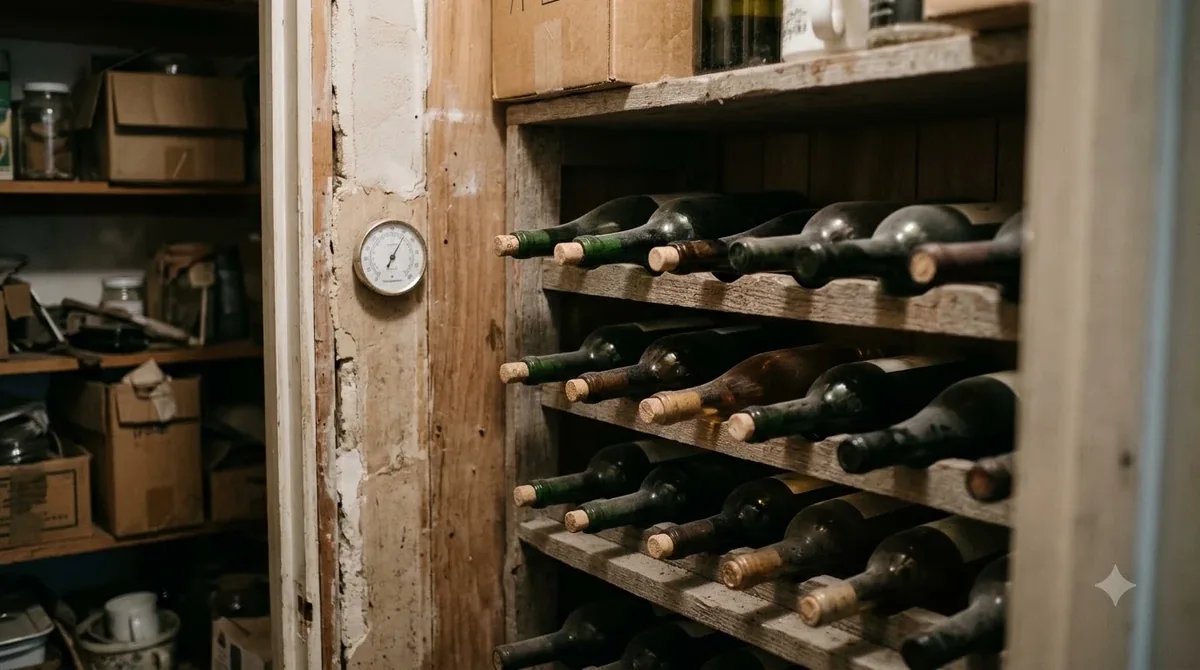
Oak is one of the main tools winemakers use to add structure and flavor. In many Reserve whites and reds, time in barrel adds notes of vanilla, toast, or spice and gives the wine a smoother, rounder texture. The Bourbon Barrel Aged Zinfandel takes this idea further, because the name itself points to barrel influence as a central part of the style.
Not every Reserve bottle tastes heavily of oak. Some keep more of their fresh fruit character and show oak only as a background element. If you dislike strong wood flavors, look at the label for the region and the grape, and try one bottling before you commit to a case. Your own taste is the best guide, and a single bottle will tell you more than any general description.
How to Serve Josh Cellars Reserve
Serve Reserve reds at a slightly cool room temperature, not warm from a hot kitchen or sunny window. Let the bottle rest for ten to fifteen minutes after opening, and pour into a large glass so the aromas can develop. Reserve whites should be chilled but not ice cold, since a very cold temperature mutes the fuller flavors that the Reserve style is meant to show.
Give bigger bottles time to open. A structured red often tastes tighter in the first few minutes and softer after a short rest. If you are serving several courses, pour a little at the start and top up as the meal goes on, so the wine has a chance to show its full character with the food.
Foods That Suit Josh Cellars Reserve
The Reserve red styles pair well with grilled or roasted beef, lamb, and hearty mushroom dishes. A firm red also suits aged cheeses and a dish with a savory sauce. The Reserve whites work with roast chicken, pork loin, creamy pasta, and seafood in a butter or cream sauce. The richer Chardonnay in particular can stand up to lobster or roasted fish.
Avoid very spicy food with the bolder bottlings. Heat makes a structured red taste harsher, and it can overpower a Reserve white. Fresh herbs, roasted vegetables, and simple sauces make better partners for a wine built for depth.
How to Choose a Reserve Bottle
Choose the Reserve bottle for the occasion. For a special dinner, a gift, or a meal where the wine is the centerpiece, a Reserve bottling gives you more body and a longer finish than the standard range. For a casual dinner with friends, the standard bottles may be the better everyday choice, with the Reserve kept for guests who enjoy a fuller style.
Check the back label for the vintage year, the region, and the bottling name. Those three details tell you most of what you need to know. Reserve bottles can be kept for a while, though most are designed to be enjoyed within a few years of release, so there is little reason to hold them for a long time unless the label or the producer says otherwise.
When you are hosting, plan the service around the meal. Open a red about fifteen minutes before the first course and serve a white chilled. If you are pouring more than one Reserve style, label the bottles so guests can compare them without guessing.
Frequently Asked Questions
What is Josh Cellars Reserve?
Josh Cellars Reserve is the brand’s premium collection, with bottlings that aim for more structure and a longer finish than the standard range. Reserve examples listed by the brand include a North Coast Cabernet Sauvignon, a Central Coast Buttery Chardonnay, and a North Coast Chardonnay.
How is Reserve different from the standard Josh Cellars wines?
Reserve bottles are generally presented as fuller and more structured, with more body and a longer finish. The standard range is built for easier everyday drinking.
Is Josh Cellars Reserve a good gift?
It can be, especially for guests who enjoy a richer red or a rounder white. Check the bottling name and region on the label so the gift matches the recipient’s taste.
What food goes with Reserve reds?
Grilled or roasted beef, lamb, and hearty mushroom dishes are classic matches. Aged cheeses also suit a firm red. Keep very spicy food for another wine.
Josh Cellars Reserve is the place to look when you want more body and structure from the brand’s range. Start with a North Coast bottling for a red or a white, then compare the Central Coast Chardonnay if you like a rounder style. For the brand’s own description and current lineup, visit the Josh Cellars website. For more on the brand, read our Josh Cellars wine guide, and check the wine brands guide to compare it with other producers.
More in Wine Brands
 Underwood Wine Price: Compare Bottles, Cans, and Pack SizesUpdated Nov 21, 2026
 Zenato Wine Price: Compare Styles and Choose the Right BottleUpdated Nov 21, 2026
 Zuccardi Wine Price: Compare Bottles and Find the Right RangeUpdated Nov 21, 2026
 Yellow Tail Moscato Review: Taste, Sweetness and Serving TipsUpdated Nov 21, 2026
 Wolf Blass Yellow Label Review: Choose Your Best StyleUpdated Nov 21, 2026
 Wolffer Estate Rose Review: Choose the Right Bottle for Your TableUpdated Nov 21, 2026