

We may earn a commission when you buy through links on this page, at no extra cost to you. Learn more.
Josh Cabernet is the core red from Josh Cellars, a brand built around approachable Cabernet Sauvignon with a range of reserve bottlings above it. The lineup includes a standard Cabernet, several reserve versions from different California regions, and bourbon barrel-aged options, so there is a Josh Cabernet for most everyday dinners and a few special bottles for gifts.
If you have spotted Josh Cabernet at a grocery store or on a restaurant list and want to know what you are getting, this guide covers the wines in the range, the flavor profile you can expect, how to serve it and which food works best.
What Josh Cabernet Is
Josh Cabernet is the brand’s flagship red and the wine most people buy first. The producer describes its wines as well balanced and made to exacting standards, and Cabernet Sauvignon is the core of the portfolio. The label’s name appears on several variants, so it helps to know which bottle you are holding before you pour.
The producer’s website lists the range as a set of Cabernet Sauvignon wines with a few other reds and whites alongside them. Reading the back label or the producer’s product page will tell you which region and style you have picked up, since the names change from bottling to bottling.
For a wider look at how brands like this fit into the market, the wine brands guide covers the producers and labels that often appear next to Josh Cellars on store shelves.
The Josh Cabernet Lineup
The Cabernet family is wider than the name suggests. Each version is aimed at a slightly different taste, and the table below sums up the main options the producer lists.
| Wine | Style | Best for |
|---|---|---|
| Josh Cabernet Sauvignon | Core everyday red | Weeknight dinners and first-time Cabernet drinkers |
| Hearth Cabernet Sauvignon | Cabernet from the house range | Casual gatherings and relaxed evenings |
| Reserve North Coast Cabernet Sauvignon | Reserve red from the North Coast | Dinners where you want a fuller style |
| Reserve Paso Robles Cabernet Sauvignon | Reserve red from Paso Robles | Grilled meat and a richer red |
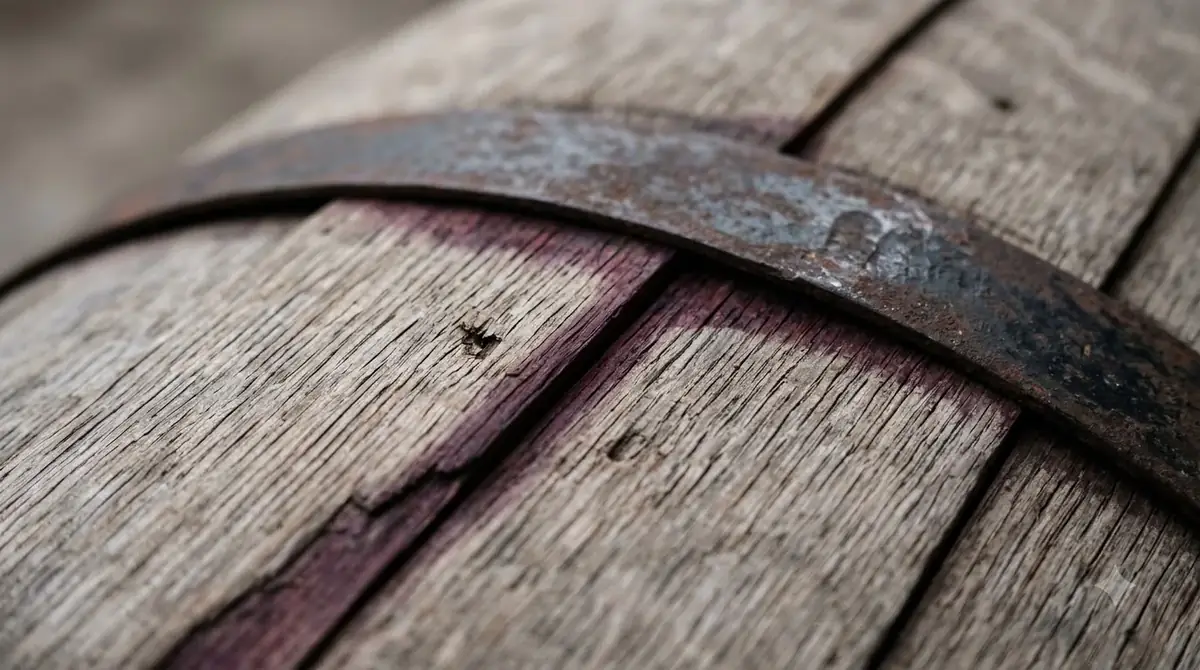
| Reserve Bourbon Barrel Aged Cabernet Sauvignon | Oak-influenced reserve | Cold evenings and dishes with smoky sauces |
The producer’s own tagline for the North Coast reserve is “Rich Flavor. Smooth Finish.” That fits the house approach across the range, which leans toward ripe fruit and a rounded finish rather than sharp, austere tannin.
What Josh Cabernet Tastes Like
Cabernet Sauvignon in general has a recognizable profile. According to Wine Folly’s Cabernet Sauvignon guide, its typical flavors include black cherry, black currant, cedar, baking spices and graphite. It is dry and full-bodied, with medium-high tannins and medium-high acidity, and alcohol usually falls between 13.5% and 15% by volume.
Josh Cabernet tends to sit on the fruit-forward side of that range. The standard bottling is the easiest entry point, and the reserves add more depth, a bit more oak and a longer finish. The barrel-aged versions carry a noticeable vanilla and spice character from the wood, which some drinkers enjoy and others find heavy with food.
Tannin is the element that shapes how the wine feels in your mouth. It gives Cabernet its grip and drying finish, and it softens as the wine warms in the glass or meets food with some fat and protein.
How to Serve Josh Cabernet
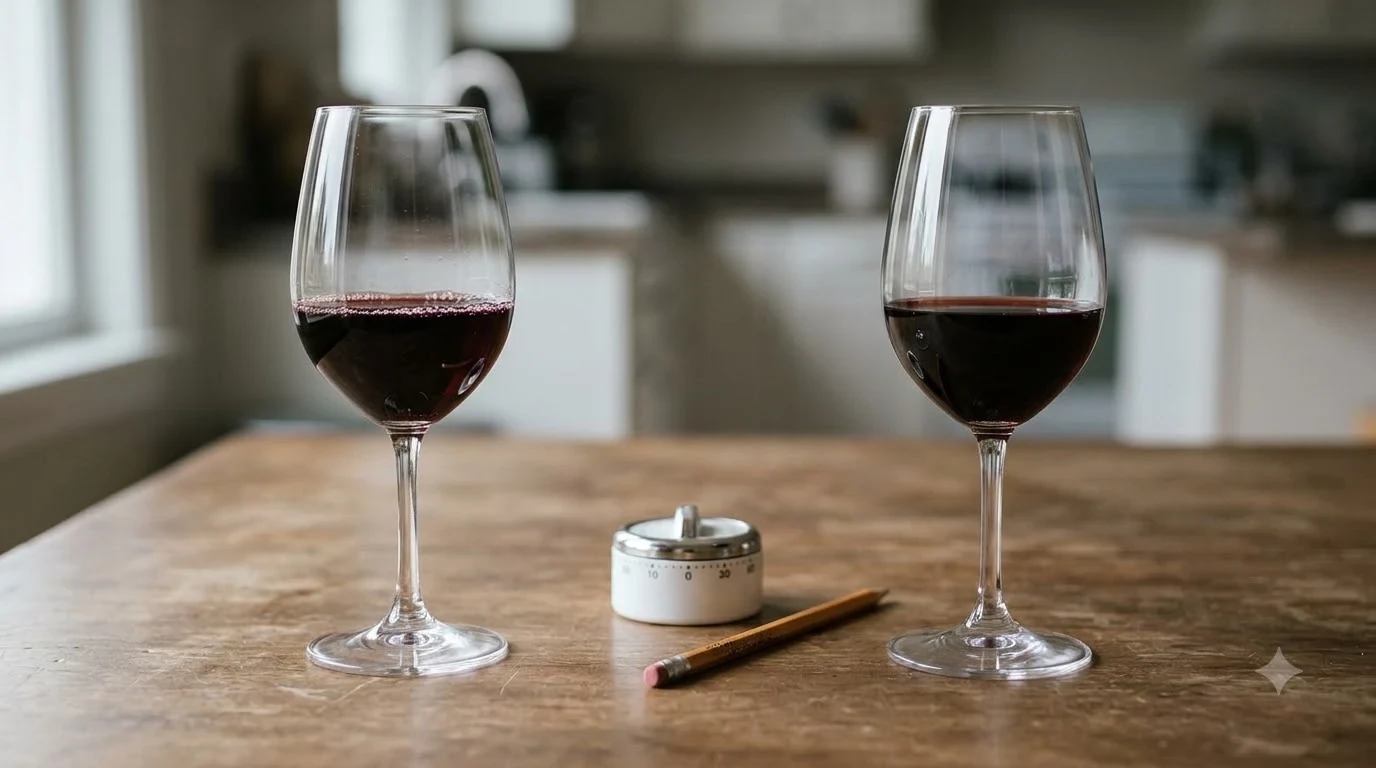
Serve the red slightly cool rather than at warm room temperature. Wine Folly recommends 60 to 68 degrees Fahrenheit (15 to 20 degrees Celsius) for Cabernet Sauvignon. A short rest in the refrigerator before pouring is often enough to bring a bottle into that range, especially on a warm evening.
Decanting helps younger reserve bottles. The same source suggests letting a young Cabernet breathe for about an hour, and it recommends a large glass so the aromas can open. For the standard bottling, pouring straight from the bottle works well. Save the decanter for the reserves if you have one.
Once opened, keep the wine corked and in a cool place. It is best within a few days, since Cabernet loses freshness faster than a sturdier red.
Food Pairings for Josh Cabernet
Cabernet Sauvignon works best with food that has enough fat and protein to balance its tannin. Grilled steak, roast beef, lamb chops and burgers are classic matches. The wine’s acidity cuts through rich sauces and keeps the palate from feeling heavy.
The reserve bottlings also suit mushroom dishes, aged cheddar and barbecue with a smoky rub. The bourbon barrel-aged version pairs well with dishes that have a touch of sweetness or char, since the oak flavors echo those notes.
For lighter meals, a simple tomato-based pasta or a roast chicken with herbs can work with the standard Cabernet, though a lighter red such as Pinot Noir may suit those dishes better. If you are unsure, match the weight of the food to the weight of the wine.
How to Choose the Right Josh Cabernet
Begin with the occasion. For a casual weeknight, the standard Cabernet Sauvignon is easy to pour and easy to share. For a dinner where the wine is the focus, one of the reserve bottlings gives you more depth and a longer finish.
Next, think about flavor preferences. If you like a rounded, fruit-forward red with soft tannin, the North Coast reserve is a good place to start. If you enjoy a more structured wine with a clear sense of place, the Paso Robles reserve shows the region’s warmth. If you like the oak and spice of bourbon barrel aging, the barrel-aged reserve is the most distinctive option in the range.
Finally, check the label for the vintage and region. The name Josh Cabernet covers several bottlings, and the reserves can differ noticeably from the standard wine. The producer’s own site, joshcellars.com, is the best place to confirm which versions are available in your area. Shoppers who want to compare a Cabernet from a more established producer can read the Caymus Cabernet and Daou Cabernet guides for a sense of how California Cabernet varies from house to house.
Common Mistakes to Avoid
The most frequent mistake is serving the red too warm. A Cabernet at room temperature can taste heavy and hot, while a cooler glass shows more fruit and balance. The second is opening a reserve and drinking it immediately. Giving a young reserve some air makes a clear difference in aroma and texture.
Another common mistake is treating all Cabernets as the same. The standard bottling, the barrel-aged reserve and the Paso Robles reserve each have a different character. Choosing based on the food and the occasion usually gives a better result than picking the bottle with the most familiar label.
Frequently Asked Questions
What is the best Josh Cabernet for beginners?
The standard Josh Cabernet Sauvignon is the simplest choice. It has the fruit-forward style that most people expect from the brand and is easy to pair with everyday food. A reserve is a good next step once you know which flavors you enjoy.
Does Josh Cabernet need to be decanted?
Younger reserve bottles benefit from about an hour of air, according to Wine Folly’s general advice for Cabernet Sauvignon. The standard bottling can be poured straight from the bottle without any loss of enjoyment.
What food goes well with Josh Cabernet?
Grilled steak, roast lamb, burgers and aged cheddar are reliable matches. The bourbon barrel-aged reserve also works with smoky barbecue and dishes that have a bit of sweetness, since the oak flavors echo those notes.
How long does an opened bottle of Josh Cabernet last?
Keep it corked and refrigerated, and aim to finish it within a few days. Cabernet tends to lose its freshness faster than many other reds once it has been opened.
Josh Cabernet offers a clear path into California Cabernet, from the everyday bottling to the reserves. Start with the standard wine to learn the house style, then try a reserve when you want more depth. For more on how this brand compares with others, see the wine brands guide.
More in Wine Brands
 Underwood Wine Price: Compare Bottles, Cans, and Pack SizesUpdated Nov 21, 2026
 Zenato Wine Price: Compare Styles and Choose the Right BottleUpdated Nov 21, 2026
 Zuccardi Wine Price: Compare Bottles and Find the Right RangeUpdated Nov 21, 2026
 Yellow Tail Moscato Review: Taste, Sweetness and Serving TipsUpdated Nov 21, 2026
 Wolf Blass Yellow Label Review: Choose Your Best StyleUpdated Nov 21, 2026
 Wolffer Estate Rose Review: Choose the Right Bottle for Your TableUpdated Nov 21, 2026