

We may earn a commission when you buy through links on this page, at no extra cost to you. Learn more.
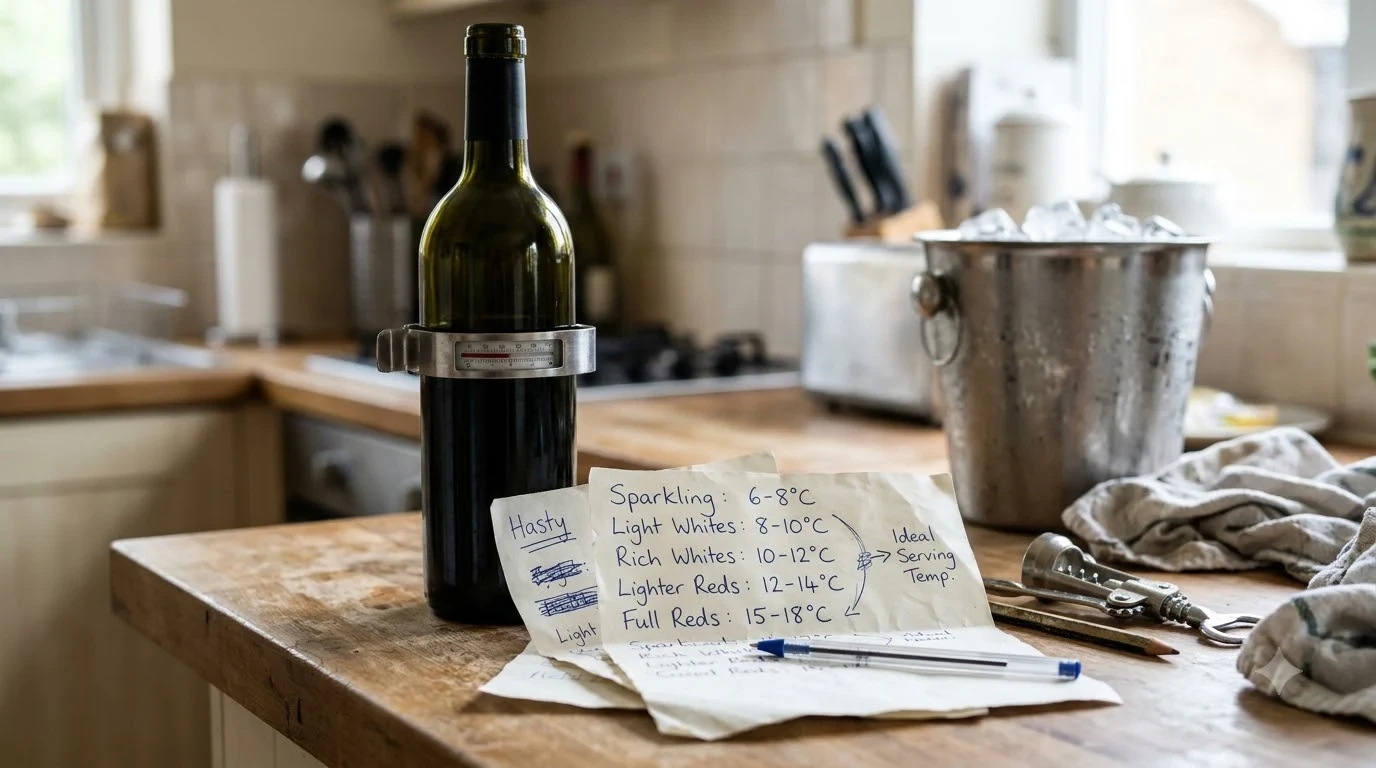
The ideal red wine serving temperature sits between 54°F and 68°F (12°C to 20°C), which is noticeably cooler than a modern heated living room. Light-bodied reds like Pinot Noir and Beaujolais taste best chilled to 54°F–60°F (12°C–15°C), while full-bodied bottles such as Cabernet Sauvignon and Syrah shine between 60°F and 68°F (15°C–20°C). Serving red wine slightly cool keeps alcohol from overwhelming the aromas while allowing fruit and structure to stay in balance.
For decades, wine drinkers have repeated the old rule that red wine belongs at room temperature, yet central heating and air conditioning have pushed modern indoor spaces well past 70°F. Pouring a bottle straight off a warm kitchen counter can flatten delicate aromatics and turn a balanced red into something heavy and hot. Understanding a few simple temperature windows transforms how every bottle tastes in your glass.
Ideal Red Wine Serving Temperature by Style
Different red grapes carry vastly different levels of tannin, acidity, and alcohol, so a single temperature cannot fit every bottle. Lighter reds thrive with a brisk chill, whereas bold, structured wines need a touch more warmth to soften their grip.
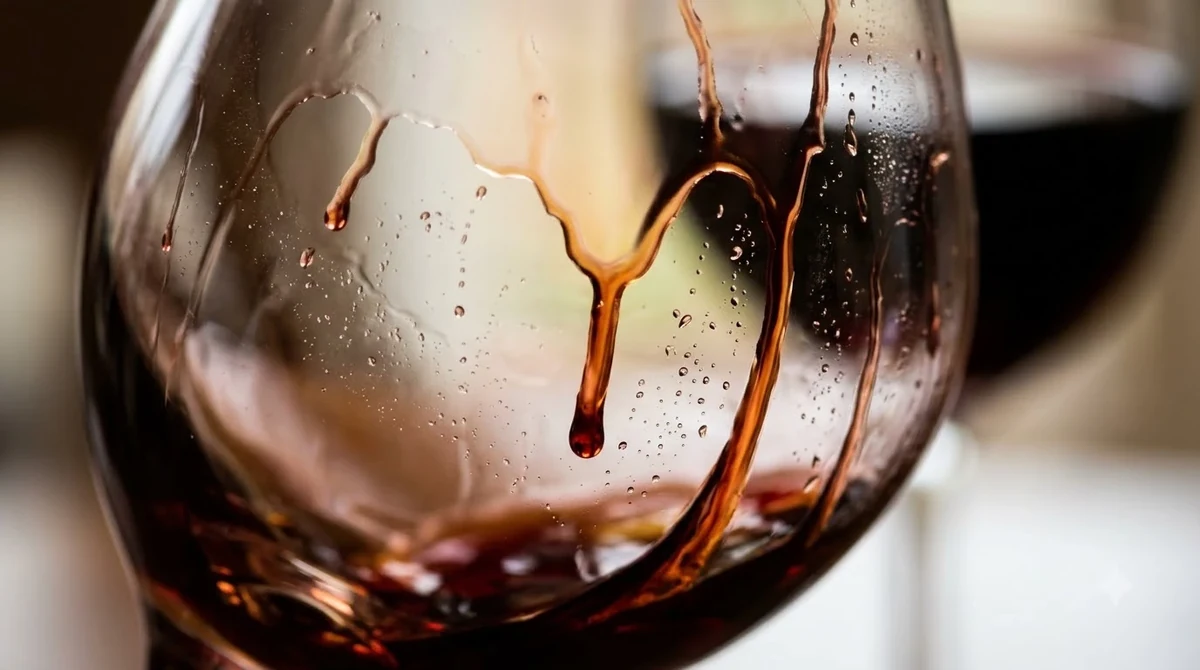
Light-bodied reds—such as Beaujolais, Pinot Noir, Valpolicella, and Dolcetto—have delicate floral and red-berry aromas alongside brisk acidity and minimal tannins. According to Wine Enthusiast’s serving temperature guide, serving these vibrant styles between 54°F and 60°F highlights their bright fruit without letting acidity turn sharp or overpowering. If you pull a Pinot Noir from a 72°F dining room, placing it in a standard kitchen refrigerator for 45 to 60 minutes brings it right into that sweet spot.
Medium-bodied reds sit in the middle of the spectrum and ask for a gentle chill rather than a cold shock. Bottles made from Merlot, Grenache, Tempranillo, or Sangiovese—the backbone of classic Tuscan blends explored in our guide to the chianti grape—perform best around 57°F to 62°F. At this moderate coolness, savory herbal notes and tart cherry flavors remain crisp, while medium tannins feel smooth rather than chalky.
Full-bodied, high-tannin reds require the warmest end of the red wine range so their complex compounds can open up. Educators at Wine Folly recommend serving bold reds like Cabernet Sauvignon, Syrah, Malbec, and Bordeaux blends between 60°F and 68°F (15°C to 20°C). If a structured Cabernet is served too cold, its hefty tannins clamp down and taste bitter; giving it a brief 15-to-20-minute chill from room temperature tames the alcohol while keeping the texture supple.
| Red Wine Style | Common Examples | Target Temp (°F) | Target Temp (°C) | Fridge Chill From 72°F |
|---|---|---|---|---|
| Light-Bodied Reds | Pinot Noir, Gamay (Beaujolais), Dolcetto, Valpolicella | 54°F–60°F | 12°C–15°C | 45–60 minutes |
| Medium-Bodied Reds | Sangiovese (Chianti), Merlot, Grenache, Tempranillo | 57°F–62°F | 14°C–17°C | 30–45 minutes |
| Full-Bodied Reds | Cabernet Sauvignon, Syrah, Malbec, Barolo, Bordeaux | 60°F–68°F | 15°C–20°C | 15–20 minutes |
| Sparkling Reds | Lambrusco, Sparkling Shiraz | 45°F–50°F | 7°C–10°C | 90 minutes or more |
Why Modern Room Temperature Is Too Warm for Red Wine
The familiar rule to serve red wine at room temperature originated centuries ago in European stone castles and unheated dining halls. Back then, ambient indoor temperatures naturally hovered around 60°F to 63°F, which happened to match cellar conditions.
Today, most American homes are climate-controlled between 68°F and 74°F year-round, and summer patios can climb even higher. At 72°F or above, volatile alcohol molecules evaporate rapidly from the surface of the glass. Instead of smelling violets, blackberries, or cedar, your nose gets hit with a sharp, warming vapor that masks subtle aromatics.
Warmth also distorts a wine’s structural balance on the palate. Higher temperatures amplify the perception of sweetness and weight while dulling natural acidity, leaving even a dry, well-made red feeling soupy or flabby. Bringing the bottle down by just eight to ten degrees restores tension, crispness, and definition so you can actually taste the grape and terroir. If you are comparing how temperature affects whites, rosés, and reds across the board, our overview of Wine by Type breaks down each category’s core traits.
How Temperature Changes Aroma, Tannin, and Acidity
Temperature acts like an equalizer dial on a stereo, turning certain sensory elements up while quieting others. Knowing how heat and cold interact with wine chemistry helps you diagnose a bottle that tastes off in your glass.
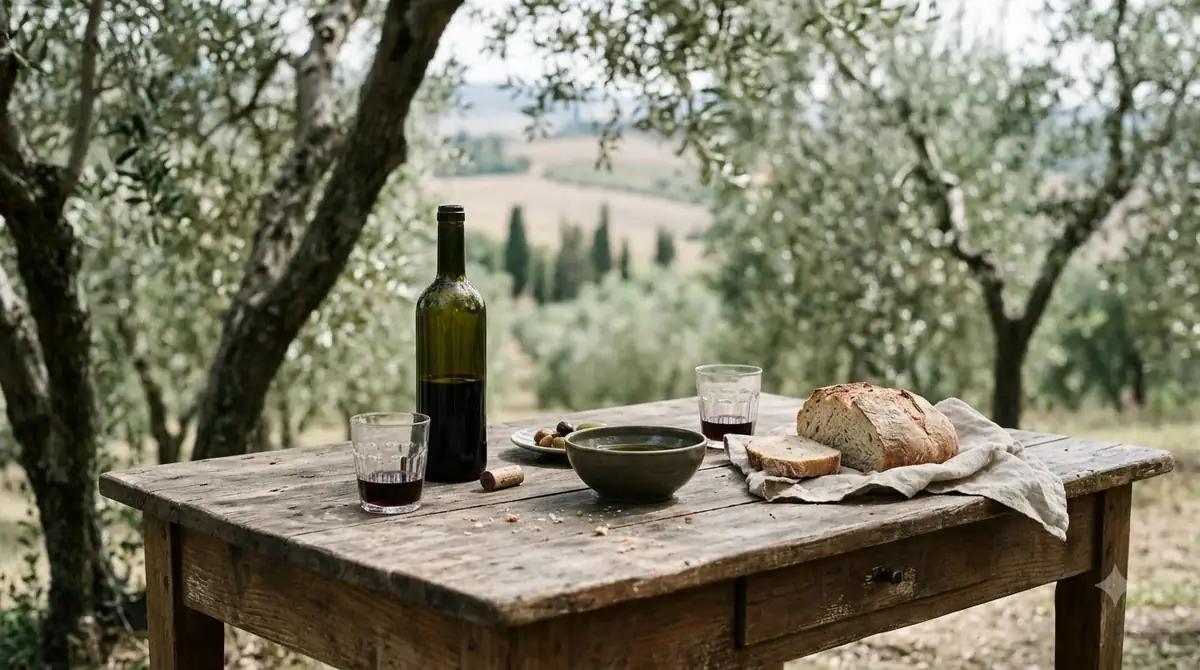
Aromatic compounds need thermal energy to volatilize and rise out of the bowl into your nose. When a red wine is over-chilled—say, pulled straight from a 38°F kitchen refrigerator—those aromatic esters stay trapped in the liquid, leaving the wine smelling mute and closed off. As the glass warms in your hand, layers of fruit, spice, and earth gradually emerge.
Tannins and acidity behave in the exact opposite direction as the thermometer drops. Cold temperatures accentuate astringency, making oak and grape-skin tannins feel tighter, drier, and slightly bitter on your gums, while simultaneously making acidity feel sharper. That is why high-acid, low-tannin reds taste refreshingly snappy when chilled, whereas heavily oaked, tannic reds need temperatures closer to 62°F–65°F so their tannins relax and feel velvety.
Tip: Use the 20-minute rule when hosting dinner—put your red wine in the refrigerator 20 minutes before pouring, and take your white wine out of the refrigerator at the exact same time.
How to Chill or Warm a Bottle Quickly Without Ruining It
You do not need an expensive dual-zone wine cellar or a digital thermometer to hit the right window before dinner. A regular kitchen refrigerator, an ice bucket, or a bowl of warm water can adjust a bottle safely in minutes.
To cool down a room-temperature red wine, place the bottle in your kitchen refrigerator—which typically runs around 35°F to 38°F—for 15 to 20 minutes for a bold Cabernet or 45 minutes for a lighter Pinot Noir. If guests have already arrived and you are short on time, submerge the bottle in an ice-and-water bath for 8 to 10 minutes. Liquid conducts heat much faster than cold air, so an ice bath drops the temperature roughly twice as fast as a fridge shelf.
If a bottle was stored in a cold basement or left too long in the refrigerator, warming it gently prevents heat shock. Never put wine near a stove, radiator, or microwave, as sudden heat damages delicate flavor compounds. Instead, pour the wine into a wide-bowled glass and cup the bowl with both hands for two or three minutes, or stand the sealed bottle in a pitcher of lukewarm tap water for about five minutes until it reaches cellar coolness.
Serving Temperature vs. Long-Term Storage Temperature
Many wine lovers confuse the temperature needed to pour a bottle tonight with the climate required to age wine over months or years. While serving temperatures vary widely by grape and body, proper storage follows a single steady standard.
According to wine storage guidelines from leading publications, nearly all wines—red, white, rosé, and sparkling alike—should be stored at a consistent 55°F (13°C) with moderate humidity. Keeping reds at 55°F slows down chemical aging reactions, prevents corks from drying out, and protects the wine from premature oxidation. Sustained temperatures above 70°F can cook a wine over time, stripping away fresh fruit and leaving flat, stewed flavors.
Because 55°F sits right at the cool end of the red wine serving spectrum, bottles pulled from a dedicated wine fridge or underground cellar need minimal adjustment. Light reds can be poured immediately from storage, while bold, structured reds only need 20 to 30 minutes resting on the kitchen counter to warm up to 62°F–65°F before you pull the cork. White grapes like the crisp Sicilian catarratto grape or aromatic colombard grape store happily at that same 55°F mark and simply need a short chill before serving.
Real-Life Situations: Adjusting for Weather, Glassware, and Food
Textbook numbers provide a reliable starting point, yet real-world dining conditions always shift how fast wine warms up once it leaves the bottle. Paying attention to your environment keeps the last glass tasting just as vibrant as the first.
On a warm summer evening outdoors, a red wine poured at 64°F will climb past 70°F within ten minutes in the glass. When dining al fresco or grilling on a hot patio, start your reds closer to 55°F–58°F and keep the bottle in a shaded sleeve or a bucket filled with cool tap water rather than ice. Pouring smaller three-ounce servings more frequently also prevents the wine from warming up while you eat.
Your choice of glassware and food pairing plays a subtle supporting role as well. Always hold a red wine glass by the stem or base rather than cupping the bowl, since body heat transfers rapidly through thin crystal. When pairing a rich, fatty steak with a full-bodied red, serving the wine around 63°F–65°F allows the tannins to bind smoothly with proteins, whereas lighter fare like roast salmon or mushroom risotto shines alongside a 56°F Pinot Noir.
Frequently Asked Questions
Can I put red wine in the refrigerator before serving?
Yes, placing red wine in a standard kitchen refrigerator for 15 to 45 minutes before serving is one of the easiest ways to reach ideal cellar temperature. Light-bodied reds like Pinot Noir benefit from 45 to 60 minutes, while bold reds like Cabernet Sauvignon only need 15 to 20 minutes. Avoid leaving red wine in a 38°F food fridge overnight, which will mute its aromas and make tannins taste harsh.
What happens if red wine is served too warm?
When red wine climbs above 70°F, alcohol evaporates faster and dominates the aroma with a sharp, hot smell. On the palate, excess warmth dulls natural acidity and makes fruit flavors taste heavy, jammy, or flat. Cooling the bottle down by even a few degrees brings freshness and structural balance back into focus.
Should I chill Pinot Noir more than Cabernet Sauvignon?
Yes, Pinot Noir should be served cooler than Cabernet Sauvignon because it has lower tannins, brighter acidity, and more delicate fruit aromatics. Aim for 54°F to 60°F for Pinot Noir so its red-berry flavors stay crisp and lively. Cabernet Sauvignon has heavier tannins that tighten up in the cold, so serving it between 60°F and 68°F keeps the texture smooth and expressive.
Is it okay to put an ice cube in red wine to cool it down?
Dropping a single large ice cube into a glass of casual, fruity red wine on a hot afternoon is a quick fix if you have no other way to chill it, though melting ice will gradually dilute the wine’s flavor and body. Whenever possible, chilling the entire bottle in an ice-and-water bucket or refrigerator for 15 minutes cools the wine evenly without watering it down.
Getting your red wine serving temperature right requires no special gadgets—just a quick glance at the bottle’s body and a short spell in the fridge before dinner. Whether you are pouring a bright, chillable Gamay or a structured Cabernet Sauvignon, those few degrees below modern room temperature let every aroma and flavor shine as the winemaker intended.
More in Wine Types & Grapes
 Zinfandel Sugar Content: Dry Red vs. White Zinfandel GramsUpdated Nov 21, 2026
 Best Zinfandel Substitute Options for Sipping and CookingUpdated Nov 21, 2026
 Zweigelt Food Pairing: Best Dishes, Cheeses, and Serving TipsUpdated Nov 21, 2026
 Zinfandel Tannins Explained: How Structure Shapes Every BottleUpdated Nov 21, 2026
 Zinfandel Sweetness Level: Dry Red vs. Sweet White Zin ExplainedUpdated Nov 21, 2026
 Xinomavro Food Pairing: Best Dishes, Styles, and Serving TipsUpdated Nov 21, 2026