

We may earn a commission when you buy through links on this page, at no extra cost to you. Learn more.
Is Freixenet wine good? Yes, Freixenet makes good, approachable sparkling wines, particularly its Spanish Cava and Italian Prosecco, which offer refreshing fruit flavors and versatile food-pairing options. Its best-known bottles, Cordon Negro and Carta Nevada, are practical choices for casual entertaining, celebrations, and everyday occasions. However, the brand covers several styles, so choosing the right bottle depends on whether you prefer dry, fruity, sweeter, or more complex wine.
Freixenet is one of the established names in Spanish sparkling wine, with roots in Catalonia and a portfolio that now extends beyond traditional Cava. Its familiar black and frosted bottles make it easy to recognize, but appearance alone does not explain what is inside. Understanding its grape varieties, production methods, sweetness levels, and different wine ranges makes choosing a bottle considerably easier.
Who Should Buy Freixenet Wine?
Freixenet is a sensible choice for drinkers who want recognizable sparkling wine with fresh fruit character, lively bubbles, and several accessible styles. Its Cava and Prosecco ranges are especially suitable for casual gatherings, brunch, aperitifs, and celebrations where a versatile sparkling wine makes more sense than an expensive prestige bottle.
The brand has a long history in Sant Sadurní d’Anoia, Barcelona, Spain. Its predecessor, Casa Sala, dates to 1861, while Freixenet became an established wine brand in 1914 through the union of the Ferrer and Sala families. The Cava regulatory council identifies the producer as the world’s largest Cava producer, giving the brand substantial experience in traditional Spanish sparkling wine production.
Freixenet works particularly well for three types of wine drinkers:
- Casual sparkling wine drinkers: Cordon Negro provides a recognizable Spanish Cava style with refreshing acidity and bubbles suitable for informal occasions.
- Prosecco fans: Freixenet Prosecco offers an Italian alternative made from Glera grapes, with a fruit-forward character suited to aperitifs and light appetizers.
- Hosts planning celebrations: The portfolio includes traditional Cava, Prosecco, rosé sparkling wine, and sweeter options, making it possible to accommodate different preferences.
However, Freixenet is not automatically the right choice for someone seeking a highly individual, small-production sparkling wine or a particularly complex bottle for a formal wine tasting. Its best-known products are designed to be approachable and broadly appealing rather than exclusively aimed at collectors.
It is also important to distinguish between the brand’s sparkling and still wines. Freixenet expanded into Spanish and Italian still-wine ranges in 2020–2021, so the name now covers more than one production style. Readers exploring the broader Wine Brands category should treat Freixenet as a multi-style producer rather than a single-wine label.
Key Factors to Compare Before Choosing a Bottle
The most useful comparisons involve wine style, sweetness, production method, acidity, and alcohol content. Freixenet’s Spanish Cava and Italian Prosecco may both be sparkling wines, but their grapes and fermentation methods create different drinking experiences.
| Comparison | Freixenet Cava | Freixenet Prosecco |
|---|---|---|
| Country | Spain | Italy |
| Main grapes | Xarel·lo, Macabeo, Parellada | Glera |
| Production method | Traditional bottle fermentation | Charmat tank method |
| Minimum secondary fermentation | 9 months | 1 month |
| Reserva aging minimum | 18 months | Not applicable to the standard DOC Prosecco description |
| Typical flavor direction | Citrus, green apple, pear, and sometimes toast | Apple, pear, citrus, and floral fruit |
| Typical serving temperature | 40–50°F | 43–50°F |
| Alcohol example | Varies by bottling | 11.0% ABV |
The production details in this comparison follow Freixenet’s published descriptions of its Spanish and Italian sparkling wine production. The company identifies Xarel·lo, Macabeo, and Parellada as its Cava grapes, while its Italian Prosecco uses Glera. Its Cava undergoes secondary fermentation and aging in the bottle, whereas its Prosecco undergoes secondary fermentation in tanks.
These differences matter because fermentation method affects the character of the finished wine. Traditional-method sparkling wines develop their bubbles through a second fermentation in the bottle, with time on the lees potentially contributing additional texture and complexity. Tank-method Prosecco generally emphasizes fresh fruit and floral aromas.
Sweetness is another important consideration. Brut, Extra Dry, and sweeter sparkling wine descriptions do not mean the same thing across wine styles. In particular, Extra Dry Prosecco is generally sweeter than Brut, despite the confusing name.
Freixenet’s standard Prosecco page lists 17 grams per liter of dosage. This is a useful technical detail when comparing bottles, although dosage alone does not tell the entire story of perceived sweetness because acidity also affects how a wine tastes.
For additional information about the producer’s methods and grape varieties, consult the official Freixenet explanation of Cava and Prosecco production.
Step-by-Step: How to Choose the Right Freixenet Wine
Choosing a Freixenet bottle becomes easier when the decision follows a few practical steps. Begin with your preferred level of sweetness, then consider the occasion, food, and whether you want Spanish Cava or Italian Prosecco.
-
Decide whether you want sparkling or still wine.
For lively bubbles and a celebratory feel, begin with Cordon Negro, Carta Nevada, or Freixenet Prosecco. If you prefer an ordinary table wine without carbonation, investigate the brand’s Spanish or Italian still-wine selections instead.
-
Choose your preferred sweetness.
Look for Brut if you prefer a dry sparkling wine. If you enjoy softer, fruitier impressions, consider an Extra Dry or sweeter bottling. For dessert, choose a wine at least as sweet as the food so that the wine does not taste unnecessarily sharp.
-
Choose between Cava and Prosecco.
Select Cava when you want traditional bottle-fermented Spanish sparkling wine. Choose Prosecco when you prefer the fresher, fruit-led Italian style made with Glera grapes and the tank method.
-
Consider how much complexity you want.
Freixenet identifies a minimum of nine months for its Cava bottle fermentation and aging, increasing to 18 months for Reserva. A longer aging period can contribute additional texture and complexity, making Reserva worth investigating for a more substantial sparkling wine experience.
-
Match the bottle to the food.
Pair fresh sparkling wine with seafood, salty appetizers, and light tapas. For richer dishes, consider a Cava with greater texture rather than choosing a very delicate, uncomplicated Prosecco.
-
Plan the serving temperature.
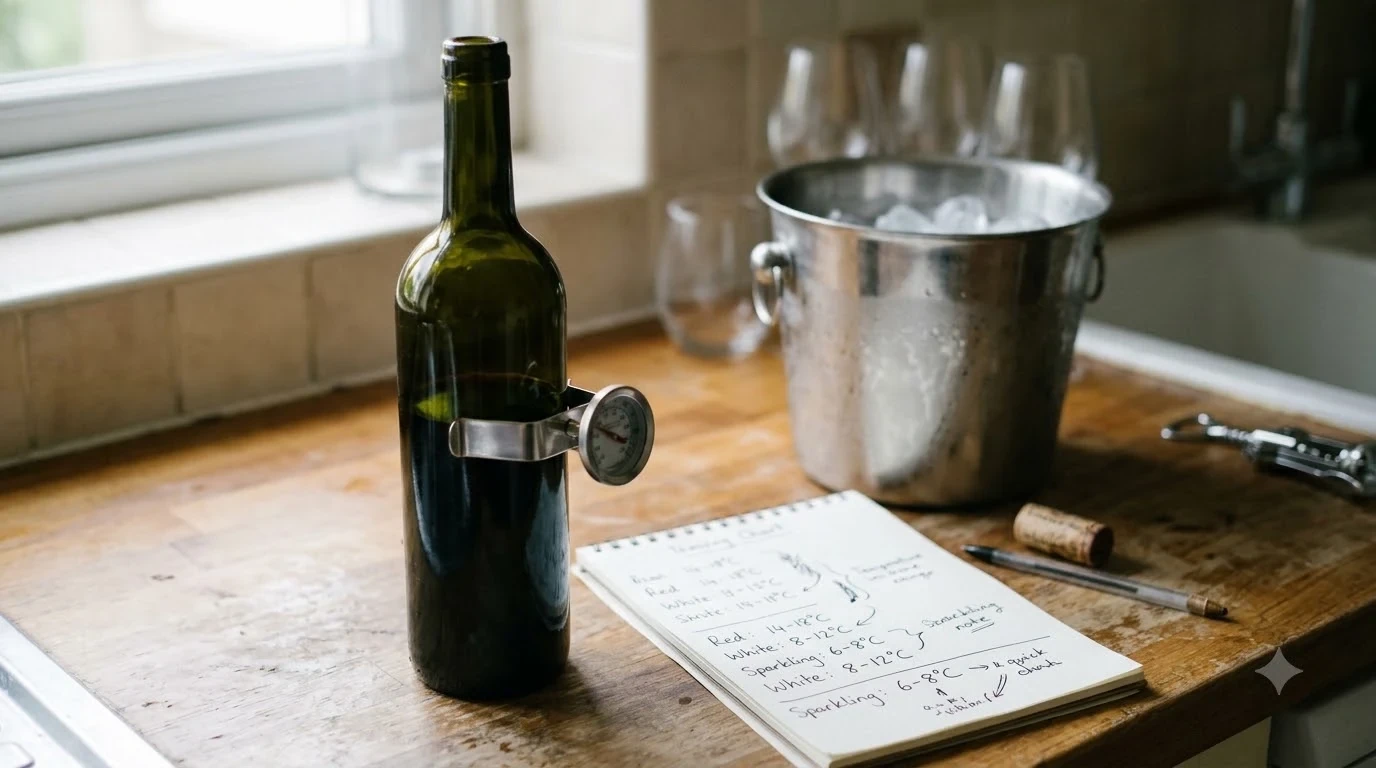
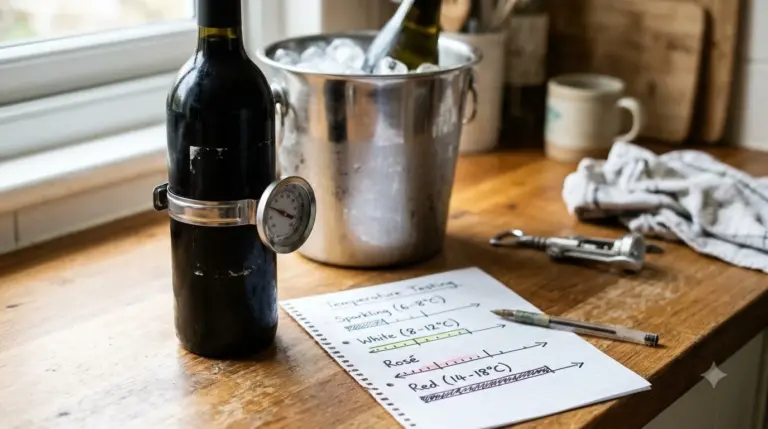
Chill sparkling wine to approximately 40–50°F before serving. Freixenet specifically recommends 43–46°F for its Prosecco, which helps preserve its refreshing character and lively bubbles.
Tip: If you are buying your first Freixenet bottle, start with a Brut Cava if you enjoy dry sparkling wines, or Prosecco if you prefer fresh apple and pear character. These two styles provide a useful introduction to the differences between Spanish and Italian sparkling wine.
Freixenet Wine Types and Styles Explained
Freixenet’s strongest identity comes from its sparkling wines, particularly its Spanish Cava and Italian Prosecco. Its portfolio also includes rosé sparkling wines, ice-oriented cuvées, and still wines, so there are several options beyond its familiar black bottle.
1. Freixenet Cordon Negro
Cordon Negro is one of Freixenet’s best-known labels, recognized for its black bottle. The wine represents the producer’s Spanish Cava heritage and is a natural starting point for anyone interested in traditional-method sparkling wine.
Cava typically uses the local grape combination of Xarel·lo, Macabeo, and Parellada. These varieties contribute different elements to the blend, including freshness, fruit, acidity, and structure. The resulting wine can work well as an aperitif or alongside seafood and light appetizers.
Freixenet introduced Cordon Negro in 1974. Its established identity makes it a familiar option for celebrations, although its exact flavor profile depends on the particular bottling and sweetness designation.
2. Freixenet Carta Nevada
Carta Nevada is another important Spanish Cava in the Freixenet portfolio. It was introduced in 1941 and is associated with its distinctive frosted bottle.
It belongs to the same broad Spanish sparkling wine tradition as Cordon Negro, but buyers should compare the individual sweetness designation rather than assume the two wines taste identical. If one bottle is labeled Brut and another has a sweeter designation, that difference may be more noticeable than the packaging suggests.
Those researching Freixenet wine should pay particular attention to the specific bottle description because the producer’s range extends across different sweetness levels and sparkling wine categories.
3. Freixenet Prosecco
Freixenet Prosecco comes from Italy’s Veneto region and uses Glera grapes. The producer identifies it as DOC Prosecco, lists its alcohol content at 11.0% ABV, and recommends serving it at 6–8°C.
The Charmat method is central to this style. Secondary fermentation takes place in pressure tanks rather than individual bottles, helping retain the fresh fruit and floral character associated with Prosecco.
Freixenet recommends pairing its Prosecco with tomato and basil bruschetta, fresh ceviche, and salmon and avocado tartare. These recommendations make sense because refreshing acidity and bubbles work well with lighter appetizers.
4. Freixenet ICE and ICE Rosé
Freixenet launched ICE and ICE Rosé in 2016 as sparkling wines intended to be enjoyed over ice. These products offer a different approach from the traditional Cava and Prosecco selections.
They are particularly relevant to drinkers who prefer a relaxed serving style rather than the conventional small pour of chilled sparkling wine. The addition of ice also changes the drinking experience by gradually diluting the wine, making the original sweetness and flavor balance important considerations.
5. Freixenet Still Wines
Freixenet expanded into Spanish and Italian still wines during 2020–2021. These wines do not rely on carbonation, so their appeal depends more directly on grape variety, acidity, tannin, fruit expression, and regional style.
Drinkers interested in non-sparkling selections can explore the Freixenet white wine and Freixenet red wine ranges. White wines can be useful with lighter meals, while red wines offer alternatives for dishes involving roasted vegetables, poultry, and meat.
The important distinction is that a positive experience with Freixenet Cava does not automatically mean every still wine will suit the same palate. Each category deserves its own evaluation.
Common Mistakes When Buying Freixenet
Most disappointing purchases result from confusion about sweetness, fermentation method, and wine category rather than the producer’s reputation. Understanding a few basic distinctions can make a significant difference when selecting between Cava, Prosecco, rosé, and still wine.
Assuming Every Freixenet Sparkling Wine Tastes the Same
Cava and Prosecco have different production traditions. Freixenet’s Spanish Cava uses traditional bottle fermentation, while its Italian Prosecco uses tank fermentation. Even when both wines have fresh fruit flavors, their texture and aromatic expression can differ.
For example, someone who prefers a more structured traditional-method sparkling wine may find Cava more appealing than Prosecco. Someone who enjoys floral aromas and straightforward apple and pear flavors may prefer the Italian option.
Confusing Extra Dry With Brut
Sparkling wine terminology can be misleading. The standard sweetness sequence runs from Brut Nature and Extra Brut through Brut, Extra Dry, Dry, Demi-Sec, and Doux.
Extra Dry is actually sweeter than Brut. A buyer who specifically wants a crisp, dry wine should pay attention to this distinction rather than interpreting the words literally.
Choosing Only by Bottle Appearance
Cordon Negro’s black bottle and Carta Nevada’s frosted appearance are recognizable, but packaging does not tell the whole story. The grape varieties, sweetness level, and production method provide much more useful information.
Compare the actual wine description and serving recommendations before deciding. Two bottles from the same producer can suit quite different occasions.
Expecting Every Bottle to Have the Same Complexity
Not all sparkling wines are intended to be aged or particularly complex. A fresh Prosecco designed for casual drinking serves a different purpose from a traditional-method Reserva Cava with additional time spent aging.
Freixenet lists a minimum of nine months for its Cava bottle fermentation and aging, compared with 18 months for Reserva. Those production differences are useful indicators when deciding which style might better suit a more substantial meal or formal gathering.
Pairing Sparkling Wine With Overpowering Food
Although sparkling wine is versatile, food intensity still matters. Very spicy dishes can make alcohol feel more pronounced, while strongly flavored sauces may overwhelm delicate fruit aromas.
For a more reliable match, consider olives, mild cheeses, seafood, grilled vegetables, and light tapas. Salty foods can also soften the perception of acidity, helping a crisp sparkling wine feel more balanced.
Serving and Storage Tips for Better Results
Proper chilling and careful storage help preserve the freshness and bubbles that make sparkling wine enjoyable. Freixenet Prosecco has a recommended serving temperature of 43–46°F, while the broader sparkling wine category generally works well between 40°F and 50°F.
Follow these practical recommendations:
- Chill before opening: Refrigerate the bottle for several hours rather than relying on a quick chill immediately before serving. Properly chilled sparkling wine is easier to pour and generally retains its freshness better in the glass.
- Use suitable glassware: A white wine glass or tulip-shaped sparkling wine glass can provide room for aromas while preserving the wine’s lively character. Narrow flutes emphasize the bubbles but offer less space for aromas to develop.
- Pour carefully: Tilt the glass slightly and pour slowly to reduce excessive foaming. A standard serving is approximately 5 ounces.
- Keep opened bottles cold: Refrigerate leftover sparkling wine and use a suitable sparkling-wine stopper. Most opened sparkling wines are best consumed within 1–3 days.
- Store unopened bottles properly: Keep wine away from direct sunlight, heat, and large temperature fluctuations. A cool, dark location is preferable to a warm kitchen shelf.
- Avoid unnecessary aging: Most everyday Prosecco and approachable Cava are intended for relatively early consumption rather than extended cellar storage.
For entertaining, a 750 ml bottle provides approximately five standard 5-ounce servings. This is a useful planning figure when preparing sparkling wine for a group of guests.
Food pairing should also reflect the wine’s structure. Freixenet Prosecco works particularly well with light tapas, bruschetta, and ceviche, while traditional Cava can complement fried seafood, salty appetizers, and richer dishes. The bubbles and acidity help refresh the palate between bites.
Temperature is especially important with sweeter sparkling wines. Serving them too warm can make the sweetness feel heavier, while excessive chilling can mute their aromas. A temperature around 40–50°F offers a useful starting point for sparkling wine, with individual preferences and styles determining the final adjustment.
Frequently Asked Questions
Is Freixenet considered a premium wine brand?
Freixenet is an established international sparkling wine producer, but its portfolio covers different market positions rather than consisting entirely of luxury wines. Its reputation is especially connected with accessible Cava and Prosecco. The producer also offers more developed sparkling wine categories, including Reserva and Gran Reserva Cava.
Is Freixenet wine suitable for a wedding reception?
Yes, sparkling wine is a practical reception choice because it works for toasts, welcome drinks, and appetizers. For planning, a 750 ml bottle provides approximately five standard servings. A reception with 50 guests receiving one 5-ounce toast each would therefore require approximately 10 bottles, before allowing for additional pours.
Does Freixenet make organic sparkling wine?
Freixenet’s general portfolio information does not establish that every bottle is organic. Organic certification applies to individual products and must be verified through the specific bottle’s certification information. Sustainability statements from a wine producer should not be confused with formal organic certification.
Can Freixenet sparkling wine be used in cocktails?
Yes, Freixenet Prosecco and Cava can be used in sparkling wine cocktails. Prosecco is commonly suitable for drinks such as a Bellini, while dry Cava can work in a sparkling citrus cocktail. Add the sparkling wine last and pour gently to preserve carbonation.
Is Freixenet Cava made using the same method as Champagne?
Freixenet Cava and Champagne both use the traditional method, in which secondary fermentation takes place inside the bottle. However, they come from different protected wine regions and generally use different grape varieties. Freixenet’s Cava relies on traditional Spanish grapes including Xarel·lo, Macabeo, and Parellada, whereas Champagne commonly uses Chardonnay, Pinot Noir, and Pinot Meunier.
Freixenet is a good choice for drinkers seeking approachable sparkling wine with established production experience and several styles to explore. Its Cava is the natural starting point for traditional Spanish sparkling wine, while its Prosecco offers a fresher Italian alternative. Choose according to sweetness, food pairing, and occasion, and you will have a much better chance of finding a Freixenet bottle that suits your taste.
More in Wine Brands
 McGuigan Wine Review: Find the Right Australian Bottle for Your TasteUpdated Nov 21, 2026
 Mer Soleil Wine Price: Compare Bottles and Find the Right ChardonnayUpdated Nov 21, 2026
 Masi Costasera Wine Price: What to Expect Before You BuyUpdated Nov 21, 2026
 McGuigan Wine Price: Compare Bottles and Find the Right ValueUpdated Nov 21, 2026
 Matua Wine Review: Find the Right New Zealand Wine for Your TasteUpdated Nov 21, 2026
 Meerlust Wine Price: Compare Bottles and Find Your FitUpdated Nov 21, 2026