

We may earn a commission when you buy through links on this page, at no extra cost to you. Learn more.
The meerlust wine price typically ranges from about $20 for Meerlust Red to $42 or more for the flagship Rubicon, depending on the bottle, vintage, and retailer. The Stellenbosch producer also makes Chardonnay, Pinot Noir, Merlot, and Cabernet Sauvignon, giving shoppers several options at different price points. Comparing the individual wines, bottle sizes, and vintages helps identify which Meerlust bottle offers the right balance of style and spending.
Meerlust is an established South African wine estate with a reputation built around its structured reds and Bordeaux-inspired Rubicon blend. Its portfolio covers approachable everyday choices as well as more ambitious bottles suited to special dinners and longer-term cellaring. For American shoppers, the main consideration is not simply the cost of a bottle but what distinguishes each wine within the range. Understanding those differences makes it easier to decide whether to choose the entry-level Estate Red, a varietal wine, or the more expensive flagship.
Who This Is For
Meerlust is a useful producer to consider for shoppers interested in South African wines, particularly Stellenbosch reds with structure, freshness, and a recognizable Bordeaux influence. Its range includes bottles for casual meals, wine enthusiasts exploring individual grape varieties, and collectors interested in wines with aging potential.
Budget-conscious shoppers can start with Meerlust Red. Southern Hemisphere Wine Center lists the 2021 bottling at approximately $19.99 per bottle, making it a comparatively accessible introduction to the estate. It is a sensible starting point for someone who wants to explore the producer without immediately committing to a premium Cabernet Sauvignon or Rubicon.
Shoppers with a larger budget can consider the varietal wines. Meerlust Merlot, Cabernet Sauvignon, Pinot Noir, and Chardonnay are generally positioned above the Estate Red in the US listings reviewed for this guide. These bottles suit buyers who want to explore a particular grape rather than purchase a blend. A shopper who already enjoys Cabernet Sauvignon, for example, may find more value in the estate’s varietal Cabernet than in automatically choosing its flagship.
Rubicon is aimed at a different occasion. Its Bordeaux-style construction, multiple grape varieties, and extended barrel-aging process make it a natural candidate for a celebratory dinner, a serious wine gift, or a cellar selection. The higher spending makes more sense for someone who appreciates structured blends than for someone simply looking for an uncomplicated red to drink on a weeknight.
Meerlust can also appeal to people expanding their knowledge of international producers. Readers comparing established labels can explore our guide to Wine Brands for additional background on choosing producers and understanding their portfolios.
Key Factors to Compare
The most useful way to compare Meerlust prices is by wine category, followed by vintage, bottle size, and retailer. The estate offers several distinct wines, so a Rubicon price should not be treated as representative of the entire portfolio.
The following ranges are indicative US retail reference points based on listings from Southern Hemisphere Wine Center. They are not guaranteed nationwide prices, and availability can vary. Prices vary by state and retailer, as well as shipping costs, taxes, and the vintage offered.
| Meerlust wine | Reference vintage or size | Approximate US retail price | Buying position |
|---|---|---|---|
| Meerlust Red | 2021, 750 ml | About $19 to $25 | Entry-level option |
| Meerlust Chardonnay | 2023, 750 ml | About $30 to $40 | Premium white |
| Meerlust Merlot | 2023, 750 ml | About $30 to $40 | Varietal red |
| Meerlust Pinot Noir | 2024, 750 ml | About $30 to $40 | Elegant red |
| Meerlust Cabernet Sauvignon | 2022, 750 ml | About $30 to $40 | Structured red |
| Meerlust Rubicon | 2018 or 2020, 750 ml | About $40 to $50 | Flagship blend |
| Meerlust Rubicon | 2022, 1.5 liters | About $80 to $90 | Large-format bottle |
These ranges are rounded from Southern Hemisphere Wine Center’s listed prices, including approximately $19.99 for Meerlust Red, $34.99 for several varietal wines, and $41.99 for the listed Rubicon vintages. The large-format Rubicon listing is approximately $84.99. These are reference prices from one US fulfillment retailer, not fixed recommended retail prices. Prices vary by state and retailer.
Vino Alert provides another useful comparison point because its producer page tracks multiple Meerlust bottlings across retailers. Its listings show that the range extends beyond Rubicon to include Chardonnay, Merlot, Cabernet Sauvignon, Pinot Noir, and Meerlust Red. Its displayed figures can differ from individual retailer listings because its comparisons cover different stores and bottle offers.
Vintage is another important factor. A 2018 Rubicon and a 2022 Rubicon are not interchangeable purchases simply because they share the same label. Differences in growing conditions, maturity, and remaining availability can influence their retail positioning. Older vintages may cost more because they are less widely available, although age alone does not guarantee better quality or a more attractive purchase.
Finally, consider bottle size. A 1.5-liter magnum contains twice the wine of a standard 750 ml bottle, but it should not be compared with a standard bottle using only the displayed total price. Dividing the total cost by volume gives a clearer picture of the amount being purchased.
Tip: Compare the same vintage and bottle size before deciding that one retailer has a better Meerlust offer. A 750 ml bottle and a 1.5-liter magnum are different purchasing propositions, even when they carry the same wine name.
Step-by-Step: How to Buy Meerlust Wine
A straightforward buying process starts with the occasion and preferred wine style, then narrows the selection by vintage and retail availability. Following a few practical steps can prevent paying a premium for a bottle that does not suit the intended meal or drinking experience.
-
Set a realistic spending range.
Decide whether the purchase is intended to be an introduction to Meerlust or a special bottle. A budget around the entry-level range points toward Meerlust Red, while a budget around the middle of the portfolio opens up Merlot, Chardonnay, Pinot Noir, and Cabernet Sauvignon. Buyers considering Rubicon should be prepared for its higher positioning.
-
Choose red or white before choosing a label.
Meerlust’s range is predominantly red, with Chardonnay as its listed estate white. Someone who enjoys crisp or textured white wine should begin with Chardonnay rather than choosing Rubicon because it is the best-known label. Red-wine drinkers can narrow the selection to Merlot, Pinot Noir, Cabernet Sauvignon, Estate Red, or Rubicon.
-
Decide whether a blend or varietal wine is preferable.
Rubicon combines several Bordeaux varieties, while the varietal bottles focus on a principal grape. Cabernet Sauvignon is suitable for shoppers seeking more noticeable tannin and structure. Merlot is a reasonable choice for drinkers who prefer a softer red, while Pinot Noir offers a lighter-bodied alternative.
-
Compare the exact vintage.
Look at the vintage printed on each listing, not just the wine name. Compare a 2020 Rubicon with another 2020 Rubicon before comparing its price with a newer vintage. If the same vintage is unavailable, consider whether the differences in age and drinking readiness justify the alternative.
-
Check the bottle volume.
A standard 750 ml bottle is the easiest size for most individual purchases. A 1.5-liter magnum is more appropriate for a larger gathering or a gift for someone who enjoys the producer. Remember that a standard 750 ml bottle provides approximately five standard 5 oz wine pours.
-
Compare US retailer listings.
Check the wine name, vintage, volume, shipping conditions, and final checkout costs. Southern Hemisphere Wine Center is one reference for the listed Meerlust portfolio, while Vino Alert offers a way to compare multiple retailer listings. Availability and delivery eligibility can vary depending on state alcohol-shipping regulations.
-
Match the bottle to the occasion.
Choose Estate Red for a casual dinner, Merlot for a softer structured red, Pinot Noir for lighter dishes, and Rubicon for a more substantial meal or special occasion. Chardonnay is the logical choice when the menu calls for white wine.
Buyers who enjoy comparing accessible international labels may also want to look at Barefoot wine. It occupies a different market position, but comparing producers with different price points helps clarify what matters most in a wine purchase.
Meerlust Types and Styles Explained
Meerlust’s range is best understood through its six principal wine categories: Estate Red, Chardonnay, Pinot Noir, Merlot, Cabernet Sauvignon, and Rubicon. Each has a different purpose, so choosing the right category is more important than assuming the most expensive bottle will automatically be the best match.
Meerlust Red
Meerlust Red is the most accessible starting point in the portfolio covered here. Its lower reference price makes it suitable for shoppers who want to experience the estate’s general approach to winemaking without spending as much as they would on the flagship. It is a practical choice for everyday dinners and informal gatherings.
It also makes sense for someone who is unfamiliar with South African wine. Rather than beginning with a more structured, age-worthy bottle, the buyer can first establish whether the producer’s overall style appeals to them. This approach leaves room to explore the more specialized wines later.
Meerlust Rubicon
Rubicon is the estate’s signature Bordeaux-style blend. According to the winery, its first commercial release was in 1980, following an experimental blend in 1978. The original official blend consisted of 70% Cabernet Sauvignon, 20% Merlot, and 10% Cabernet Franc.
The current production description identifies Cabernet Sauvignon, Merlot, Cabernet Franc, and Petit Verdot as the blend’s varieties. Each component is fermented separately, followed by malolactic fermentation and an extended barrel-aging process. The winery describes 8 months in barrel before blending and a further 10 months afterward.
This construction helps explain why Rubicon is priced above Meerlust Red. It is a more ambitious wine with additional cellar work and a more prominent position in the estate’s portfolio. Its Cabernet-led structure makes it appropriate for drinkers who enjoy full-bodied reds with noticeable tannins.
The estate’s official Rubicon history and production description provides further details about the blend’s development and winemaking.
Meerlust Merlot
Meerlust Merlot is a varietal selection for shoppers who enjoy the grape’s characteristic fruit and softer tannin profile. The estate introduced its Merlot in 1984, making it an established part of the portfolio rather than a recent addition.
Compared with Cabernet Sauvignon, Merlot generally has medium tannin and a softer mouthfeel. That makes it a useful choice for people who want a structured red without the firmer tannin associated with a Cabernet-led blend. It can work well with roasted poultry, grilled pork, mushrooms, and moderately rich beef dishes.
Meerlust Cabernet Sauvignon
Cabernet Sauvignon was the first wine to carry the Meerlust label, introduced in 1975. It is the varietal choice for drinkers who appreciate a more assertive red with firmer tannins and a substantial food-pairing profile.
Cabernet Sauvignon typically has high tannin, so it benefits from dishes with protein and fat. Grilled steak, lamb, and slow-cooked beef are useful pairings. Its structure also makes it a sensible alternative for someone who likes the Cabernet component of Rubicon but prefers a single-variety wine.
Meerlust Pinot Noir
Pinot Noir offers a different experience from the estate’s Cabernet-based reds. Meerlust’s first Pinot Noir was produced in 1980. The grape generally produces lighter-bodied reds with low-to-medium tannin and relatively high acidity.
This makes Pinot Noir useful for meals that might overwhelm a more tannic wine. Roast chicken, duck, mushroom dishes, and salmon are suitable options. It is also a good selection for shoppers who prefer freshness and elegance over the heavier structure of Cabernet Sauvignon.
Meerlust Chardonnay
Chardonnay is the white-wine option in the official Meerlust portfolio. The estate produced its first Chardonnay in 1995, and the winery identifies it as its only white wine in the listed range.
Chardonnay is suitable for shoppers who want a more substantial white wine than a light, aromatic style. Its acidity is generally medium, making it adaptable to roasted chicken, seafood with richer sauces, and creamy vegetable dishes. It offers a useful contrast to the estate’s predominantly red portfolio.
For readers exploring other wine categories, La Marca Prosecco provides a contrasting sparkling-wine option. Prosecco is typically made from Glera using the tank method, while Meerlust focuses on still estate wines from Stellenbosch.
Common Mistakes When Comparing Meerlust Prices
Comparing Meerlust wines without accounting for their different styles and vintages can lead to misleading conclusions. Several common shopping mistakes are easy to avoid with a little attention to the details of each listing.
Assuming Rubicon Represents the Whole Portfolio
Rubicon is the most recognizable wine in the Meerlust range, but it is not the only reason to consider the producer. Its higher price can create the impression that every Meerlust bottle belongs to the same premium category. The Estate Red and varietal wines offer different entry points and drinking experiences.
Someone shopping for a weekday red may not need Rubicon. Conversely, a buyer specifically looking for a Bordeaux-style blend should not assume that the lower-priced Estate Red is a direct substitute. Their intended uses are different.
Comparing Different Vintages as Identical Wines
Wine changes from vintage to vintage because growing conditions, fruit development, and winemaking decisions vary. A 2018 Rubicon may have a different maturity profile from a 2022 Rubicon, even though both carry the same producer and wine name.
Older bottles may have additional cellar development, but they also require attention to storage history and provenance. A higher asking price for an older vintage is not automatically proof of better condition or superior drinking quality.
Ignoring Bottle Size
A magnum contains 1.5 liters, compared with 750 ml in a standard bottle. Comparing their total prices without adjusting for volume gives an incomplete picture. A magnum may be useful for a dinner party or cellar purchase, but it is not necessarily the more economical choice for someone who wants to open only one bottle.
Choosing Based Only on the Lowest Listed Price
A retailer’s displayed price is only one part of the purchase. Shipping fees, taxes, state delivery restrictions, and bottle availability can change the final cost. A bottle advertised at a lower price may become more expensive after delivery charges are included.
It is also important to confirm that the listing actually refers to Meerlust rather than another South African producer. Wine names, grape varieties, and regional descriptions can appear similar across retailers. Check the producer name and vintage before completing a purchase.
Expecting Every Meerlust Wine to Taste the Same
The estate’s wines cover several grape varieties, from Pinot Noir to Cabernet Sauvignon and Chardonnay. Their differences are substantial. Pinot Noir is generally lighter and more acidic, while Cabernet Sauvignon is more tannic and full-bodied. Chardonnay offers a white-wine profile that cannot be compared directly with the estate’s reds.
The best purchase is therefore the bottle that suits the buyer’s preferred style, not necessarily the wine with the highest retail positioning.
Care and Storage Tips for Meerlust Bottles
Proper storage and serving conditions help preserve the character of Meerlust wines, particularly the structured reds and Rubicon. Temperature stability, bottle position, and sensible serving temperatures are more useful than complicated storage routines for most home buyers.
Store Bottles in Stable Conditions
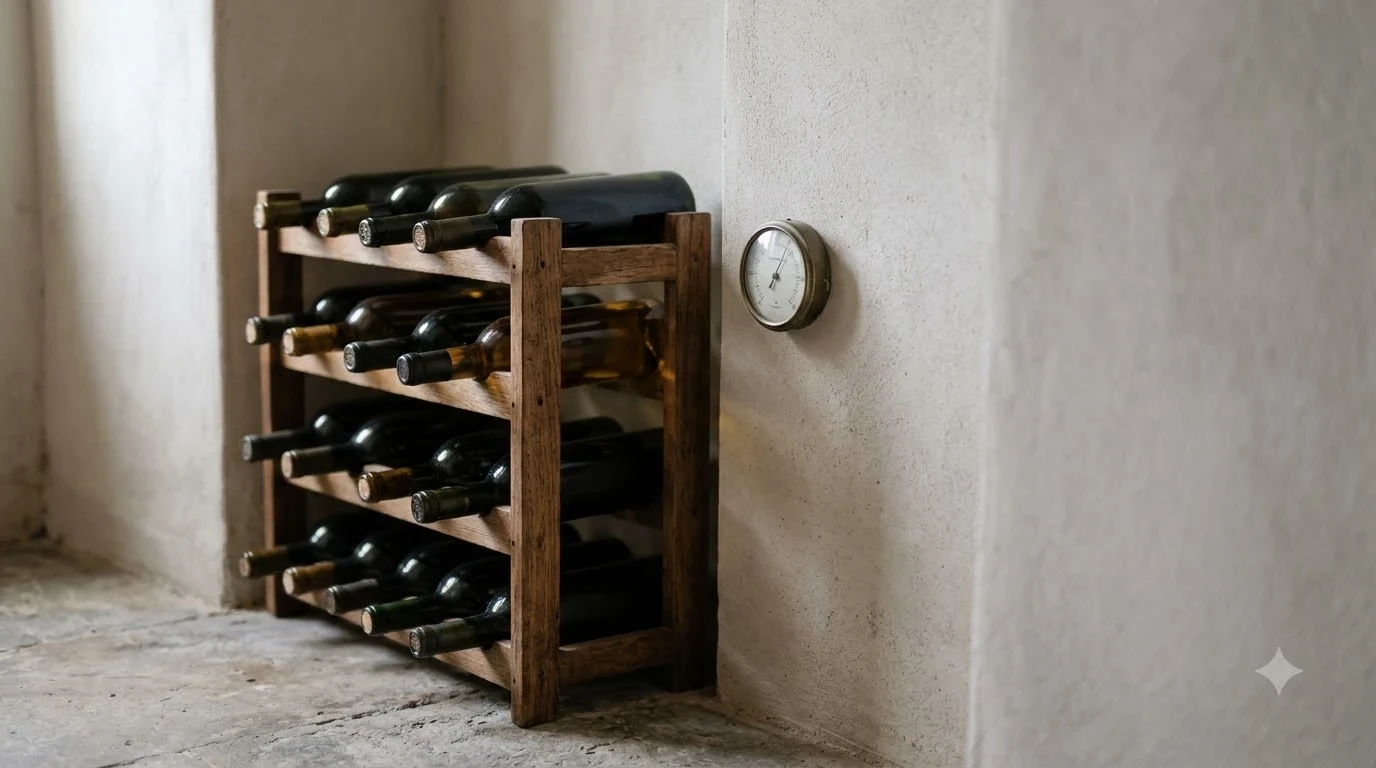
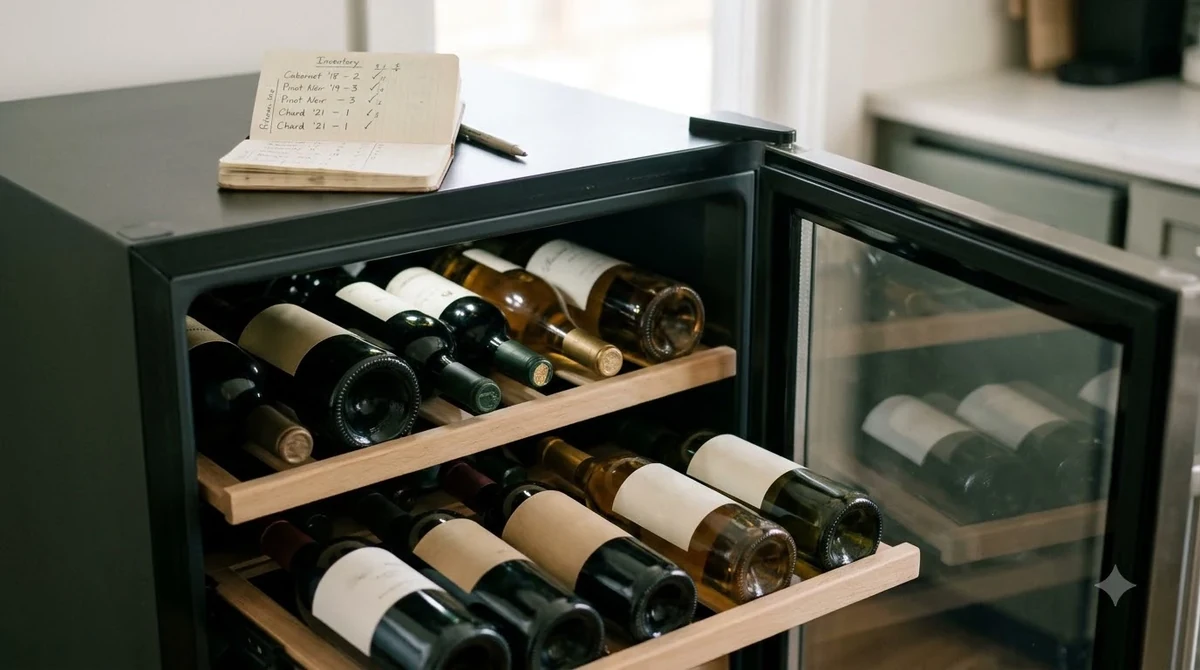
Keep unopened bottles in a cool, dark place with a relatively consistent temperature near 55 degrees Fahrenheit. Store cork-finished bottles on their sides so the cork remains in contact with the wine. Avoid direct sunlight, frequent temperature changes, and locations near ovens, radiators, or other heat sources.
These precautions are especially useful for Rubicon and Cabernet Sauvignon purchases intended for later drinking. Wine can develop poorly if exposed to excessive heat or unstable storage conditions, even when the original purchase was a high-quality bottle.
Serve Each Style at an Appropriate Temperature
Serving temperature influences how wine smells and feels on the palate. A full-bodied red such as Rubicon or Cabernet Sauvignon generally benefits from a serving temperature around 60 to 65 degrees Fahrenheit. A lighter red such as Pinot Noir is better suited to approximately 55 to 60 degrees.
Meerlust Chardonnay can generally be served around 50 to 55 degrees Fahrenheit if it is a fuller-bodied white. Avoid serving every bottle directly from a warm room, as excessive warmth can make alcohol more noticeable and reduce the impression of freshness.
Allow Structured Reds to Breathe
Young, full-bodied reds can benefit from decanting. A young Rubicon or Cabernet Sauvignon may be opened and decanted approximately 30 to 60 minutes before serving. This gives the wine time to interact with air and can help make its aromas more expressive.
Older bottles require more care. Sediment can develop over time, especially in wines that have spent years in the cellar. Pour slowly and stop before the sediment reaches the glass. Excessive aeration is not necessary for every mature wine, so a cautious approach is preferable.
Preserve Open Bottles Properly
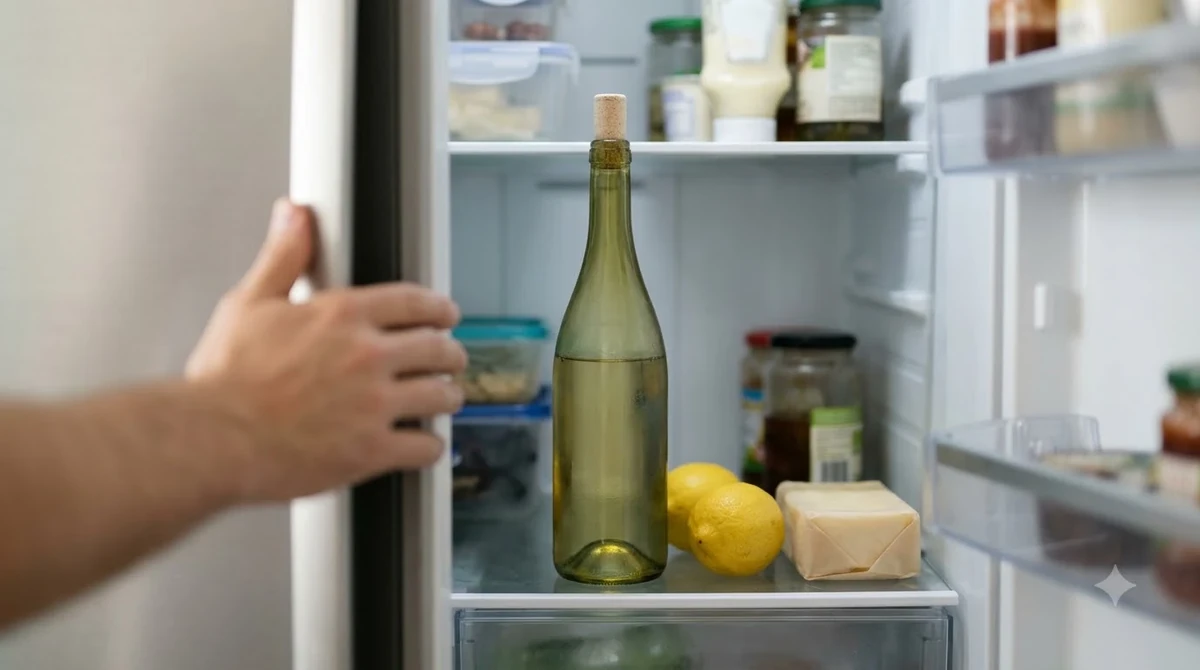
After opening, reseal the bottle and refrigerate it. Most opened still wines are best consumed within approximately 3 to 5 days, although the precise period depends on the wine and how much air remains in the bottle.
Take a refrigerated red out before serving so that it can approach its intended temperature. A wine stopper can help reduce exposure to oxygen, but it cannot completely prevent oxidation. For a premium bottle such as Rubicon, smaller remaining quantities should be transferred to an appropriately sized airtight container if the wine will not be finished promptly.
Frequently Asked Questions
Is Meerlust considered a collectible South African wine?
Rubicon has a particularly established reputation among collectors of South African Bordeaux-style blends. Its first commercial vintage was released in 1980, and the estate maintains a record of older vintages in its official wine information. Collectibility still depends on vintage quality, bottle provenance, storage conditions, and market demand.
Where does the name Meerlust come from?
Meerlust translates from Dutch and Afrikaans as pleasure of the sea. The estate’s historical timeline attributes the name to Henning Huising, who received the farm in 1693. The name reflects the property’s historical identity and its relationship with the maritime environment near False Bay.
Who makes Meerlust wines?
Meerlust is an estate producer in Stellenbosch, South Africa, with the Myburgh family maintaining ownership since 1756. The winery’s history includes important contributions from winemakers such as Giorgio Dalla Cia, who helped develop Rubicon. The estate continues to operate as a producer of estate-grown wines rather than simply purchasing finished wine from unrelated wineries.
Does Meerlust produce sparkling wine?
The official Meerlust portfolio presented here focuses on still wines rather than a dedicated sparkling-wine range. Its listed categories include Chardonnay, Pinot Noir, Estate Red, Merlot, Cabernet Sauvignon, and Rubicon. Shoppers specifically seeking sparkling wine should explore producers specializing in Champagne, Cava, or Prosecco instead.
Can Meerlust wine be purchased directly from the estate?
The official Meerlust website provides wine information and access to its wine shop, while US shoppers may also encounter independent fulfillment retailers. The estate’s South African location means that direct purchasing and international delivery arrangements should be confirmed before ordering. Importer and retailer availability can differ between the United States and South Africa.
Meerlust offers a range of South African wines that spans accessible Estate Red, individual grape varieties, and the more ambitious Rubicon blend. For most shoppers, the sensible approach is to select a preferred style first, then compare matching vintages and bottle sizes before purchasing. Whether the choice is an everyday bottle or a special-occasion red, understanding the differences across the portfolio makes comparing Meerlust wine prices considerably easier.
More in Wine Brands
 Underwood Wine Price: Compare Bottles, Cans, and Pack SizesUpdated Nov 21, 2026
 Zenato Wine Price: Compare Styles and Choose the Right BottleUpdated Nov 21, 2026
 Zuccardi Wine Price: Compare Bottles and Find the Right RangeUpdated Nov 21, 2026
 Yellow Tail Moscato Review: Taste, Sweetness and Serving TipsUpdated Nov 21, 2026
 Wolf Blass Yellow Label Review: Choose Your Best StyleUpdated Nov 21, 2026
 Wolffer Estate Rose Review: Choose the Right Bottle for Your TableUpdated Nov 21, 2026