

We may earn a commission when you buy through links on this page, at no extra cost to you. Learn more.
Freixenet white wine comes in both still and sparkling styles, so the right bottle depends on whether you want a crisp table wine or celebratory bubbles. The brand’s still-white collection includes a fruity Spanish blend, while its Sauvignon Blanc offers a more distinctly citrus-led profile. Knowing the style, grape, and serving temperature makes it easier to pick a bottle for dinner.
The name Freixenet is often associated with Cava, but the producer also sells non-sparkling wines. That distinction matters: a still white and a bottle of sparkling wine may share the same brand, yet they differ in bubbles, structure, and the occasions they suit. Here’s how to tell the options apart and match them with food.
Still white wine and sparkling Freixenet are different styles
Freixenet makes both still wines and sparkling wines, including Cava and Prosecco, so the brand name alone does not tell you whether a bottle has bubbles. The Wine Collection’s still white is a table wine, while Cava and Prosecco are sparkling categories made using different production traditions.
The still-white Freixenet Wine Collection was introduced as a fruity blend with Macabeo, Sauvignon Blanc, Chardonnay, Muscat, and Xarel·lo among its grapes. The New Barcelona Post reported that the wine was protected under the Denominación de Origen Catalunya. That blend is not the same as a bottling labeled Sauvignon Blanc, which may be made primarily or entirely from that single variety. For example, Decanter’s review lists the 2020 Freixenet Sauvignon Blanc as a dry still wine made from 100% Sauvignon Blanc.
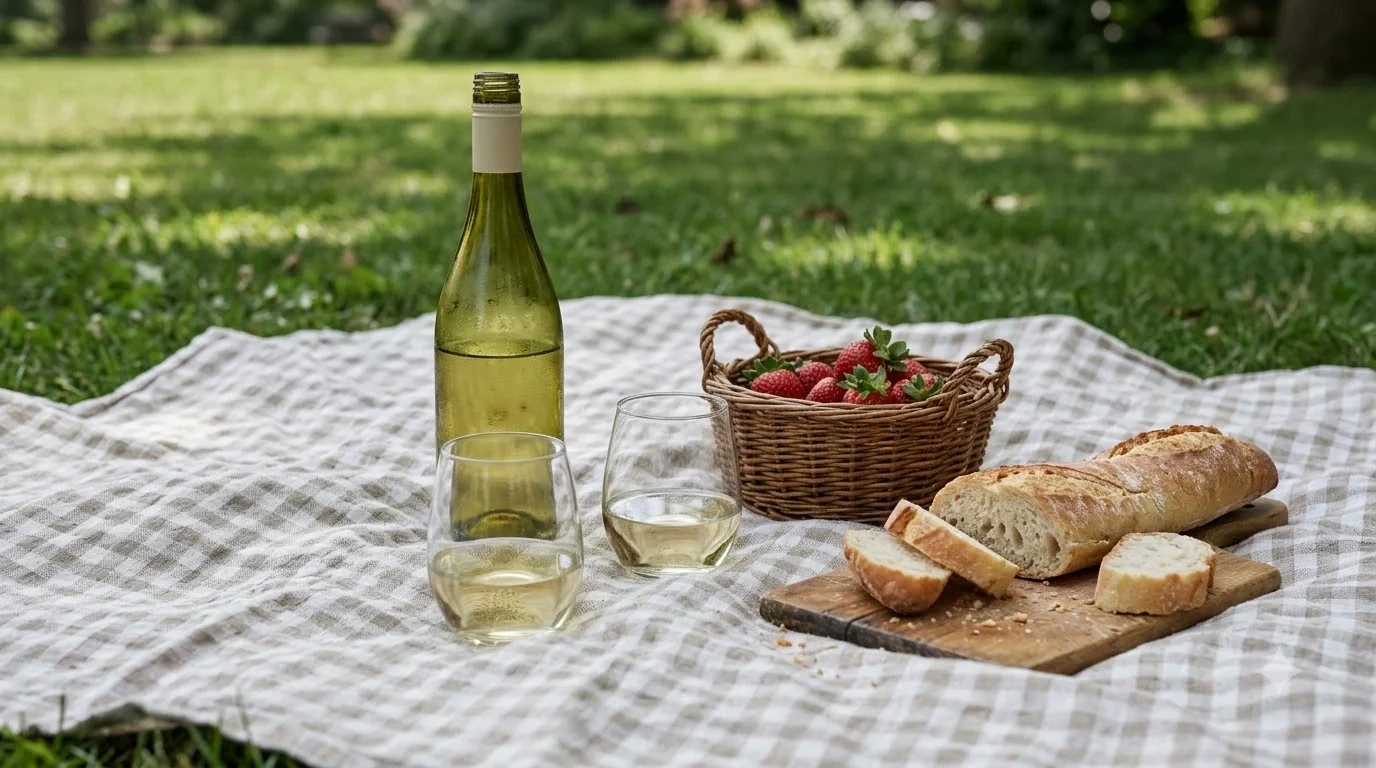
Look at the style and grape information on the bottle before choosing. A still white is a straightforward fit for dinner, a picnic, or a glass poured without a special occasion. A sparkling wine brings bubbles and is a natural choice for a toast, aperitif, or salty snack. For a quick introduction to other producers and styles, browse our Wine Brands overview.
Grapes shape the blend’s fruit and freshness
The Wine Collection white brings together several grapes, while Freixenet’s Sauvignon Blanc provides a narrower varietal profile. Those differences affect the wine’s aroma and flavor: the blend offers a mix of fruit impressions, while Sauvignon Blanc is known for lively citrus and herbal notes.
Macabeo and Xarel·lo are Spanish white grapes often associated with the country’s sparkling-wine tradition, while Chardonnay is widely used in still and sparkling wines. Sauvignon Blanc can show citrus and green, grassy notes. Muscat is often associated with aromatic, floral fruit character. Blending these varieties allows a producer to combine different aromatic and structural elements, rather than relying on one grape’s character alone.
For a specific Freixenet Sauvignon Blanc, Decanter’s review of the 2020 vintage describes citrus and tropical notes, including lime, lemon, and yellow grapefruit, alongside crisp acidity and a creamy impression. It lists that wine at 12% alcohol by volume and as light-bodied. These details describe that reviewed vintage, not every bottle sold under Freixenet’s white-wine range. For a more broadly fruity Spanish option, the still-white blend is the category to look for; for a citrus-forward profile, select a Sauvignon Blanc label.
What “aged on fine lees” means
Freixenet’s product page describes its wine as fermented at low temperatures and aged on fine lees for two months. Lees are the residual yeast cells left after fermentation. Contact with fine lees can contribute a rounder or creamier impression, which may soften the contrast between bright fruit and acidity. The producer also describes its grapes as hand-picked, although vineyard practices and exact details can vary by product.
Those production notes help explain why a Sauvignon Blanc may seem both crisp and slightly rounded, rather than purely sharp or lean. They do not mean that every Freixenet white follows the same fermentation and aging process. The stated two-month period belongs to the product information for the wine page consulted here, so compare the details for the exact bottle if the technique matters to your choice. In practical terms, expect fresh fruit to remain central, with the lees contact providing a modest textural accent rather than turning the wine into a heavy, oak-driven style.
Choose by flavor, body, and the meal
Freixenet white wine is generally a practical choice for fruit-forward, fresh flavors, but the bottle’s variety and style help narrow the pairing. A dry Sauvignon Blanc works well where citrus and acidity can meet herbs, seafood, or tangy dressing; a fruitier blend can accompany light dishes and mild meats.
The product page names light salads, acorn-fed ham, and white pork sausage as pairing ideas. These dishes have relatively gentle flavors, so they need not overwhelm a light-bodied white. For shrimp, grilled white fish, or chicken with herbs, a crisp Sauvignon Blanc can echo lemon, green herbs, or a fresh garnish. Acidic food needs a wine with equal or greater acidity; otherwise, the wine can seem flat beside the dish.
Richness matters too. A crisp, dry white can refresh the palate alongside a cream-based sauce, while a heavily sweet dish may make a dry wine seem sharper. Salt and fat can soften tannin, but white wines usually have little tannin to begin with, so think instead about acidity, weight, and whether the dish is delicate or rich. Avoid serving a dry white as the match for a dessert sweeter than the wine; the dessert can make the wine taste sour or thin.
For a meal centered on an Italian red, such as Zenato wine, the contrast is useful: choose Freixenet white for lighter courses, then move to a red that can stand up to richer flavors. The principle is not to follow a rigid sequence, but to match the wine’s weight and freshness to what is on the plate.
Consider seasoning as well as the main ingredient. A grilled fish with lemon, parsley, and a little olive oil calls for a different balance than the same fish with a sweet glaze or a hot chile sauce. Sauvignon Blanc’s acidity can suit the first preparation, while sweetness in the second may call for a wine with more residual sugar. Alcohol and tannin can make chile heat feel more intense, so keep a spicy dish’s heat in mind when choosing any wine. For a rich pasta sauce, a dry white’s freshness can be a more refreshing counterpart than a wine with pronounced sweetness.
Serve it cold, but not icy
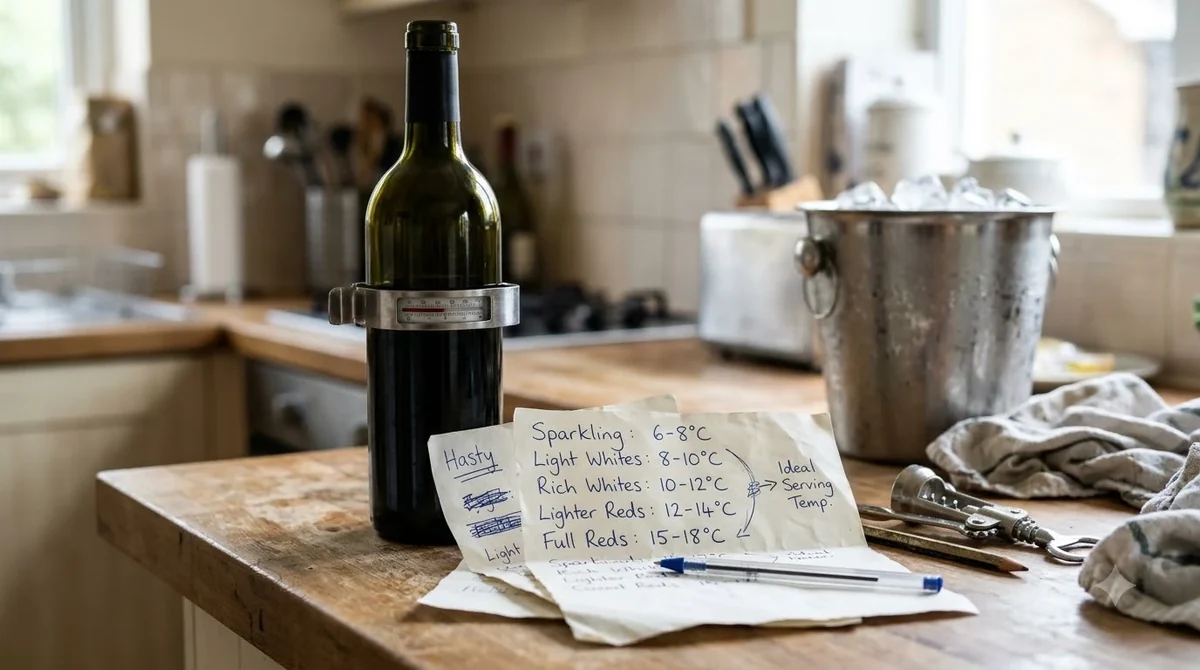
Freixenet recommends serving the wine on its product page at 6°C to 8°C, or about 43°F to 46°F. That is a suitably cold range for a light, fresh white; chilling helps preserve a brisk impression without making the wine so cold that its aromas disappear.
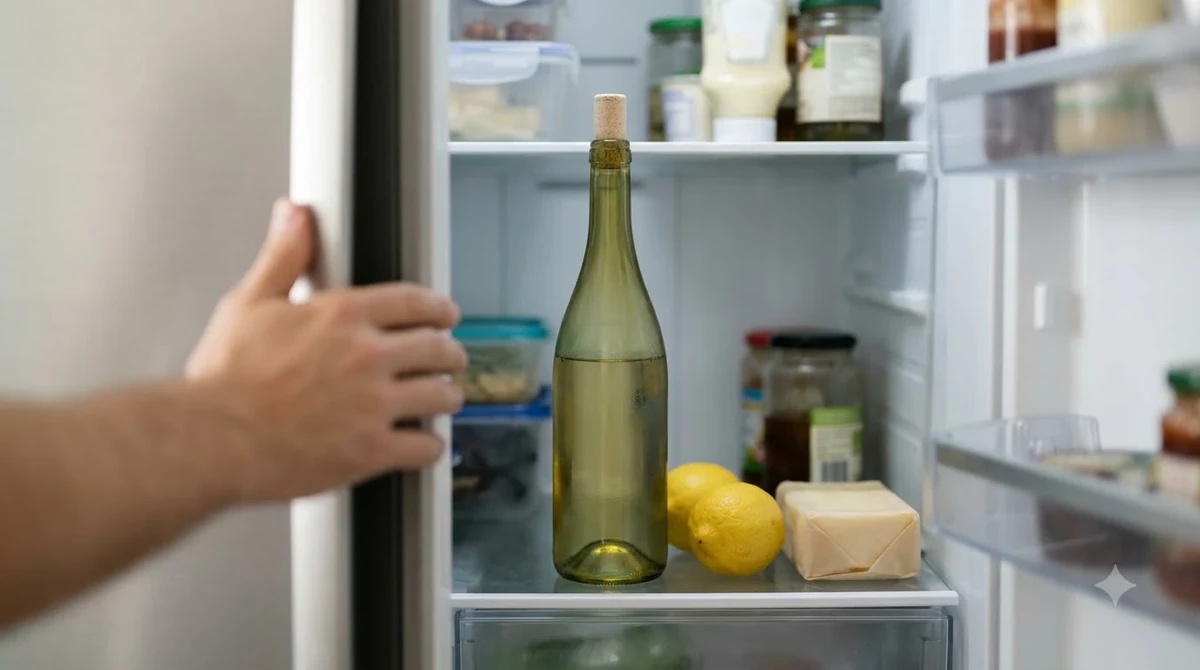
A practical approach is to place the bottle in the refrigerator ahead of dinner, then pour a small first glass and allow it to warm slightly if the aromas seem muted. A bottle taken directly from an especially cold refrigerator can be left on the table for a few minutes. Keep the pour moderate so the wine stays cool in the glass, and return the bottle to the refrigerator between servings if the room is warm.
For a dinner with several styles, serve still whites before fuller reds. Freixenet’s Sauvignon Blanc is described by Decanter as light-bodied, so it suits the earlier part of a meal or a lighter main dish. A sparkling Freixenet can be served colder, around 40°F to 50°F, to keep its bubbles lively. Store unopened bottles on their side in a cool, dark place near 55°F when the closure is a cork.
Tip: If you are serving the still white with salad, keep the dressing’s vinegar or lemon in check. A very sharp dressing can overwhelm a light wine, even when the greens and herbs would otherwise pair well.
For a different red-wine option on another occasion, see Apothic Brew; keep the Freixenet white chilled for lighter appetizers or the first course. A 5-ounce pour is a useful standard serving, and a 750-milliliter bottle holds about five such glasses.
Temperature changes the impression of a white wine, not just how refreshing it feels. If the wine is too cold, fruit aromas and subtle herbal notes can seem quiet. If it becomes too warm, acidity may seem less vivid and alcohol more noticeable. Pouring a little at a time is an easy way to keep the first glass at the recommended temperature while allowing the bottle to open up gradually at the table.
Read the label for style, sweetness, and use
Start by identifying whether the bottle is still or sparkling, then check the grape or blend name and sweetness terms. These clues help avoid the most common mix-up: assuming every Freixenet bottle is Cava because the brand is well known for sparkling wine.
| Label clue | What it tells you | When it may fit |
|---|---|---|
| Still white or Wine Collection white | Non-sparkling Spanish white; the reported collection blend includes five grapes | Light meals, salad, pork sausage, or an everyday dinner |
| Sauvignon Blanc | Varietal white; Decanter’s 2020 review lists 100% Sauvignon Blanc and 12% ABV | Citrus, herbs, seafood, or tangy dishes |
| Cava | Spanish sparkling wine | Toasts, aperitifs, and salty or fried snacks |
| Prosecco | Italian sparkling wine made from Glera, commonly by tank method | Casual celebrations and light appetizers |
The blend information in the first row comes from reporting on the initial Freixenet Wine Collection launch; current releases and markets can differ. For example, the brand’s products are distributed internationally, and names or availability may not be identical in every country. A bottle labeled Sauvignon Blanc should not be assumed to have the same blend as the Wine Collection white.
Sweetness terms matter especially for sparkling bottles. The usual order from driest to sweetest is Brut Nature, Extra Brut, Brut, Extra Dry, Dry, Demi-Sec, and Doux. “Extra Dry” is sweeter than “Brut,” despite how the phrase may sound. The terms apply to sparkling wine categories and should not be confused with a still white’s fruit aroma: a wine can smell fruity and still taste dry.
Look for the terms that answer your immediate question, rather than trying to infer everything from the bottle color or brand name. “Brut” describes a sparkling wine’s sweetness category, not a grape. “Sauvignon Blanc” identifies a grape variety, while a blend name may list more than one grape. If the label says Cava or Prosecco, expect bubbles; if it says still white, expect a wine without carbonation. These straightforward clues make it easier to select the intended style for a dish or gathering.
Pick a bottle for the occasion and keep it fresh
A still Freixenet white is the simpler choice when the menu centers on salad, light pork, or fresh seafood; a sparkling bottle works well for an aperitif, a celebration, or fried and salty foods. The Wine Enthusiast pairing guide notes that sparkling wine’s acidity and carbonation can refresh the palate with salty fried dishes.
For a relaxed meal, serve the still white with a green salad, grilled vegetables, roast chicken, or a mild pork dish. Add lemon or vinegar sparingly if the salad is very acidic. For a more festive start, pour sparkling Freixenet with olives, salted almonds, or fried bites, then switch to a still white with the main course. Keep the wine’s sweetness below the dessert’s only if the dessert is not sweet; for a sweet dessert, choose a wine that tastes at least as sweet as the food.
After opening, refrigerate still wine and use it within about three to five days for the best freshness. Sparkling wine is best enjoyed sooner, typically within one to three days when resealed and kept cold. Air exposure gradually dulls fruit aromas, while bubbles fade from sparkling wine. Smaller pours and a snug closure help reduce oxygen contact, but they cannot preserve an open bottle indefinitely.
Freixenet’s product page describes the listed wine as suitable for vegetarian and vegan diets. That statement applies to the product described on that page, not automatically to every bottle under the brand. If vegan suitability is important for a particular purchase, rely on the relevant bottle or current product information rather than assuming all wines share the same production details.
Planning the serving order can also make a simple meal feel more considered. Start with sparkling wine and small salty bites if guests are arriving, then offer a still white with a lighter first course or main. A modest 5-ounce pour leaves room to enjoy both the food and the wine without filling the glass so high that it warms too quickly. If the bottle remains, close it and return it to the refrigerator promptly rather than leaving it on the counter through the evening.
For an informal menu, the style need not be complicated: crisp white wine with seafood or greens, sparkling wine with salty appetizers, and a fuller wine with a richer main course. The aim is balance, not a strict pairing rule. A lemony dish usually needs enough wine acidity to stay lively; a creamy dish benefits from freshness; and a sweet dessert needs a wine that can meet its sweetness. Those checks help the wine remain pleasant alongside the meal instead of disappearing behind it.
Frequently Asked Questions
Is Freixenet white wine the same as Cava?
No. Freixenet sells still white wine as well as sparkling wines, including Cava. Cava is a sparkling Spanish wine, while the still-white collection is non-sparkling and was reported as a Catalunya-designated wine.
Which grapes are in Freixenet’s white blend?
The initial Freixenet Wine Collection white was reported as featuring Macabeo, Sauvignon Blanc, Chardonnay, Muscat, and Xarel·lo. A separate Sauvignon Blanc bottling can have a different composition; Decanter lists the 2020 vintage as 100% Sauvignon Blanc.
What does Freixenet Sauvignon Blanc taste like?
Decanter’s review of the 2020 vintage notes citrus and tropical fruit, with lime, lemon, and yellow grapefruit. It also describes grassy notes, crisp acidity, and a creamy element.
Is Freixenet white wine vegan?
Freixenet’s product page describes the wine on that page as suitable for vegetarian and vegan diets. Production details may differ among products, so do not extend that claim to every bottle carrying the Freixenet name.
How long does Freixenet white wine last after opening?
For best freshness, keep an opened still white refrigerated and aim to finish it within three to five days. If the bottle is sparkling, reseal it and refrigerate it, but drink it within one to three days because the bubbles fade sooner.
Freixenet white wine covers more than one style, from a fruit-led still blend to a citrus-driven Sauvignon Blanc and sparkling bottles such as Cava. Start with the label, match the wine’s weight and acidity to the food, and serve it cold enough to stay refreshing. That simple approach makes it easier to choose a bottle for dinner or a toast.
More in Wine Brands
 Underwood Wine Price: Compare Bottles, Cans, and Pack SizesUpdated Nov 21, 2026
 Zenato Wine Price: Compare Styles and Choose the Right BottleUpdated Nov 21, 2026
 Zuccardi Wine Price: Compare Bottles and Find the Right RangeUpdated Nov 21, 2026
 Yellow Tail Moscato Review: Taste, Sweetness and Serving TipsUpdated Nov 21, 2026
 Wolf Blass Yellow Label Review: Choose Your Best StyleUpdated Nov 21, 2026
 Wolffer Estate Rose Review: Choose the Right Bottle for Your TableUpdated Nov 21, 2026