

We may earn a commission when you buy through links on this page, at no extra cost to you. Learn more.
Freixenet wine is a Spanish sparkling and still wine portfolio produced by the historic Catalonia-based house founded in 1914, best known worldwide for its Cava sparkling wines. Crafted primarily using the traditional bottle-fermentation method from native Penedès grapes—Macabeo, Xarel·lo, and Parellada—the lineup is anchored by the signature matte-black Cordón Negro bottle alongside Italian sparkling and still releases. Reviewers note its crisp orchard-fruit character, fine bubbles, and accessible, everyday style.
Walking down the sparkling wine aisle in almost any American grocery store, that sleek matte-black bottle with gold lettering immediately stands out against rows of green glass and foil wrappers. Yet while most shoppers recognize the label on sight, fewer realize how much history, traditional winemaking technique, and range sits behind the name, from dry Catalan sparklers to Italian Prosecco and alcohol-removed options.
Who makes Freixenet wine
Freixenet is produced in Sant Sadurní d’Anoia, a town in Catalonia’s Penedès region southwest of Barcelona that serves as the unofficial capital of Spanish Cava. Founded in 1914 by Pedro Ferrer and Dolores Sala Vivé—whose family winemaking roots stretched back to the mid-nineteenth century—the house grew into the world’s largest producer of traditional-method sparkling wine and Spain’s top Cava exporter.
From the start, the founders positioned their sparkling wines as approachable and celebratory rather than overly formal, building new cellars in Sant Sadurní d’Anoia and expanding into the United States and the United Kingdom following World War I. During the Spanish Civil War, Pedro Ferrer lost his life, leaving Dolores Sala Vivé and their children to steer the company through reconstruction and launch Carta Nevada in 1941. Over subsequent decades, the family modernized production with temperature-controlled fermentation and preserved a proprietary yeast strain, known as F5, isolated in 1987 to maintain consistency across millions of bottles.
In 2018, the German sparkling wine group Henkell & Co. acquired a majority stake in the company, creating the Henkell Freixenet alliance, before taking full ownership in 2026. Despite the corporate evolution, Freixenet remains anchored in Sant Sadurní d’Anoia, working with both estate vineyards and thousands of contracted Catalan growers while expanding its international footprint into Italy and beyond, much like other major global wine brands.
How Freixenet makes its sparkling wines
Unlike Prosecco, which relies on pressurized stainless-steel tanks to trap carbonation, Freixenet’s Cava is made using the traditional method—the exact same bottle-fermentation process practiced in Champagne. According to Freixenet’s overview of Cava production, grapes are harvested in early to mid-August and pressed gently by variety to extract clean juice before undergoing a first fermentation in temperature-controlled stainless-steel tanks.

Once the still base wines are fermented, winemakers blend them to balance acidity, body, and aromatics. A mixture of yeast and sugar is added to each bottle before it is sealed with a crown cap and laid horizontally in underground cellars. Inside the bottle, a second fermentation converts that added sugar into alcohol and carbon dioxide, creating natural effervescence while the wine rests in contact with spent yeast cells, or lees.
Cava regulations require a minimum of nine months of aging on the lees for standard releases, with longer maturation periods for higher tiers. Afterward, the bottles undergo riddling to collect sediment in the neck, disgorgement to expel the yeast plug, and a final splash of wine and cane sugar—called dosage—that determines whether the finished bottle tastes bone-dry or lightly sweet.
The Freixenet wine lineup
While Cava remains the heart of the house, Freixenet has broadened its catalog over the past decade to cover multiple sparkling and still categories sold across the United States. The portfolio spans Spanish classics in distinctive frosted bottles, higher-tier cuvées, an Italian range sourced from Veneto and Garda, and zero-alcohol alternatives.
The flagship Cordón Negro Brut, introduced in 1974 in its signature matte-black frosted bottle, represents the dry, crisp core of the Spanish lineup and became famous in the U.S. simply as “The Black Bottle.” Alongside it sits Cordón Negro Extra Dry, which carries slightly higher residual sugar for a softer finish, and Carta Nevada, released in 1941 in a frosted green bottle as a fruit-forward bridge between dry and off-dry styles. For rosé fans, Cordon Rosado blends native red grapes such as Garnacha and Trepat into a berry-scented sparkler.
Beyond Catalonia, Freixenet entered the Italian market in 2017 with a Veneto Prosecco crafted from Glera grapes in a faceted diamond-cut bottle, followed by an Italian Rosé sparkling blend of Glera and Pinot Noir, plus still Pinot Grigio and Chianti. For drinkers skipping alcohol altogether, the producer also bottles alcohol-removed white and rosé sparkling cuvées, offering a similar alternative space to dedicated non-alcoholic labels like Ariel wine.
| Expression | Origin & Style | Key Grapes | Sweetness & Serving Temp |
|---|---|---|---|
| Cordón Negro Brut | Spain (DO Cava) Sparkling | Macabeo, Xarel·lo, Parellada | Brut (dry); 43–46°F (6–8°C) |
| Cordón Negro Extra Dry | Spain (DO Cava) Sparkling | Macabeo, Xarel·lo, Parellada | Extra Dry (off-dry); 43–46°F (6–8°C) |
| Carta Nevada | Spain (DO Cava) Sparkling | Macabeo, Xarel·lo, Parellada | Brut to Semi-Seco; 43–46°F (6–8°C) |
| Cordon Rosado | Spain (DO Cava) Rosé Sparkling | Garnacha, Trepat | Brut (dry); 43–46°F (6–8°C) |
| Freixenet Prosecco | Italy (Veneto) Sparkling | Glera | Extra Dry; 43–46°F (6–8°C) |
| Freixenet Pinot Grigio | Italy (Garda) Still White | Pinot Grigio | Dry (11.5% ABV); 41–45°F (5–7°C) |
Taste profile and key grapes
Because Freixenet’s Spanish Cavas rely on indigenous Catalan varieties rather than Champagne’s Chardonnay and Pinot Noir, they offer a distinct aromatic and structural fingerprint. Each of the three traditional white grapes plays a specific role in the blend, grown across varied elevations and limestone-clay soils in the Penedès.
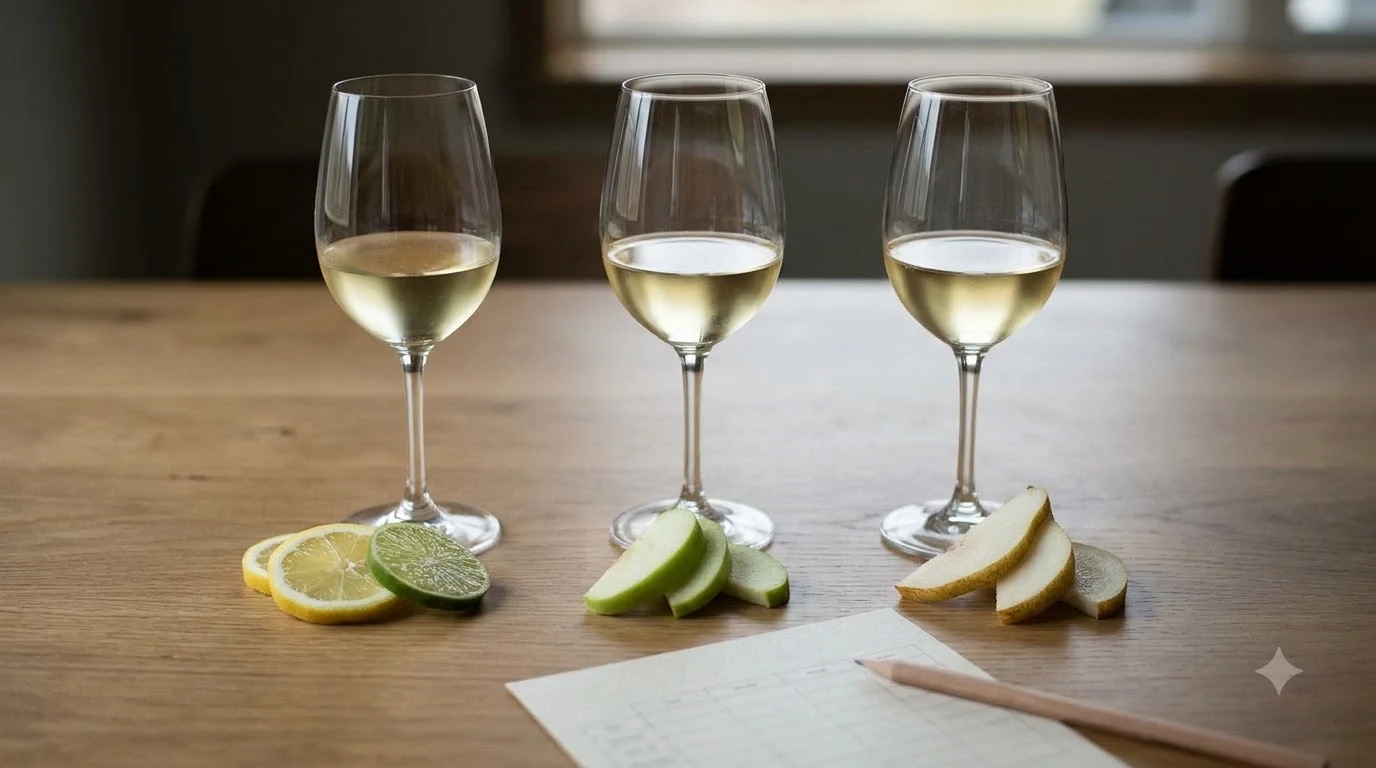
Macabeo contributes floral lift and fresh green-apple aromas, Xarel·lo provides backbone, earthy minerality, and crisp acidity, and Parellada adds delicate citrus notes and finesse from higher-altitude vineyards. In dry expressions like Cordón Negro Brut, the producer describes a light, clean palate driven by apple, ripe pear, and bright lemon-lime zest, supported by lively, persistent bubbles rather than heavy, bready yeast character. Reviewers at Decanter’s tasting panel similarly note ripe, creamy strawberry and raspberry notes balanced by brisk citrus acidity in the house’s Cava Rosé.
The Italian tier shifts toward softer orchard fruit and floral aromatics. Freixenet’s Veneto Prosecco leans into white peach, golden apple, and light lemon blossom with gentler effervescence, while the Garda Pinot Grigio—bottled at 11.5% ABV—emphasizes clean citrus and subtle white flowers for easy warm-weather sipping, comparable in lightness to modern lifestyle whites such as Avaline white wine.
How to serve and pair Freixenet wine
Serving temperature makes a noticeable difference in how Freixenet’s sparkling and still bottles express their fruit and bubbles. The producer recommends chilling its Cavas, Prosecco, and Italian sparkling rosé to between 43°F and 46°F (6°C to 8°C) before pouring, while its still Pinot Grigio performs best slightly cooler at 41°F to 45°F (5°C to 7°C).
Because Cava combines brisk acidity with scrubbing carbonation, it excels alongside salty, fried, or richly textured foods. Freixenet suggests pairing Cordón Negro Brut with crispy fish and chips, fried chicken, or savory vegetable fritters, as the bubbles cut through oil and refresh the palate between bites. Off-dry styles such as Carta Nevada and Cordón Negro Extra Dry handle gentle heat particularly well, making them natural matches for mildly spiced Mexican dishes, bean chili, or herb-roasted turkey.
For Italian expressions, match the wine to coastal and Mediterranean plates: Prosecco shines next to tomato-and-basil bruschetta, fresh ceviche, or salmon tartare, whereas the Pinot Grigio pairs cleanly with oysters, steamed mussels, or clams. If you are hosting a mixed crowd where some guests prefer bolder reds over bubbles, setting out a crowd-pleasing red blend alongside chilled Cava—similar to 14 Hands Hot to Trot wine—keeps the table balanced without complicating the menu.
Tip: Chill Cava in a bucket filled with equal parts ice and cold water for about 20 to 30 minutes rather than leaving it in the freezer, which can dull the aromatics and risk freezing the bottle.
Who Freixenet wine suits best
Freixenet is built for drinkers who want dependable, widely available sparkling wine made by traditional methods without stepping into luxury Champagne territory. Its dry Cavas suit hosts stocking up for weddings, brunches, or holiday toasts where dozens of glasses need to be poured cleanly and consistently.
Cocktail enthusiasts also gravitate toward Cordón Negro Brut and Freixenet Prosecco as reliable bases for mimosas, French 75s, and Aperol spritzes, since their bright citrus profile holds up well when mixed with juice or bitters. Meanwhile, casual wine drinkers who find bone-dry sparkling wines too sharp can easily step over to Carta Nevada or Extra Dry for a rounder, fruitier sip, while those avoiding alcohol can still participate in a toast with the zero-alcohol bottles.
Frequently Asked Questions
Is Freixenet wine considered Cava or Champagne?
Freixenet’s flagship Spanish sparkling wines are Cava, not Champagne. While both are produced using the traditional bottle-fermentation method, Champagne comes exclusively from France’s Champagne region using grapes like Chardonnay and Pinot Noir, whereas Freixenet Cava is made in Catalonia, Spain, primarily from Macabeo, Xarel·lo, and Parellada.
Is Freixenet Cordón Negro dry or sweet?
Standard Freixenet Cordón Negro Brut is a dry sparkling wine with crisp green-apple and citrus flavors and minimal residual sugar. If you prefer a touch of sweetness, look for the Cordón Negro Extra Dry or Carta Nevada Semi-Seco labels, which receive a slightly higher sugar dosage before corking.
Why does Freixenet come in a black frosted bottle?
Freixenet introduced the matte-black frosted bottle in 1974 for its Cordón Negro cuvée to break away from traditional clear or green sparkling wine glass and gold foil wrappers. Beyond giving the bottle an unmistakable look on retail shelves, dark opaque glass also helps shield the sparkling wine inside from light exposure.
Does Freixenet make wines other than Spanish Cava?
Yes, in addition to its core Spanish Cava lineup, Freixenet produces an Italian range that includes Veneto Prosecco, Italian sparkling rosé, still Garda Pinot Grigio, and Chianti. The brand also offers alcohol-removed sparkling white and rosé wines for drinkers looking for zero-alcohol options.
Whether you reach for the classic matte-black Cordón Negro for a weekend brunch or chill a bottle of Carta Nevada alongside spicy takeout, Freixenet offers an accessible entry point into traditional-method sparkling wine. Understanding the difference between its dry Brut, off-dry Extra Dry, and Italian releases makes it easy to pick the right bottle for any occasion.
More in Wine Brands
 Underwood Wine Price: Compare Bottles, Cans, and Pack SizesUpdated Nov 21, 2026
 Zenato Wine Price: Compare Styles and Choose the Right BottleUpdated Nov 21, 2026
 Zuccardi Wine Price: Compare Bottles and Find the Right RangeUpdated Nov 21, 2026
 Yellow Tail Moscato Review: Taste, Sweetness and Serving TipsUpdated Nov 21, 2026
 Wolf Blass Yellow Label Review: Choose Your Best StyleUpdated Nov 21, 2026
 Wolffer Estate Rose Review: Choose the Right Bottle for Your TableUpdated Nov 21, 2026