

We may earn a commission when you buy through links on this page, at no extra cost to you. Learn more.
The easiest way to remember how to pronounce gamay is “gam-AY,” with the emphasis on the second syllable. Start with a short “gam,” as in “ham” with a hard G, then finish with “AY,” as in “day.” In American English, the second syllable is the strong one; a British speaker may put more weight on the first.
Gamay is the red grape most closely associated with Beaujolais, the French wine region north of Lyon. Learning its name is easier when you connect the sound to the wines on a bottle: Beaujolais Nouveau, Beaujolais-Villages, and the region’s ten crus are all useful reference points. The pronunciation is simple, and knowing a little about the grape makes it easier to ask for the style you want.
The American-English Pronunciation
In American English, say Gamay as “gam-AY,” with two syllables and the stress on the final one. Collins gives the American pronunciation as /ɡæˈmeɪ/, which corresponds closely to “gam-AY”; the first vowel sounds like the “a” in “cat,” and the final syllable rhymes with “day.”
That final stress is the part to remember when ordering. Keep “gam” short and unstressed, then let “AY” carry the beat: gam-AY. Avoid stretching the first syllable into “GAAAM” or turning the ending into an “eye” sound. The spelling can tempt English speakers to say “GAM-eye,” but that does not match the standard American dictionary pronunciation.
Pronunciation guides do not always use identical respellings. Total Wine prints the name as “Gah-may,” while Collins represents the American vowel more precisely with its phonetic alphabet. These spellings point toward a similar two-part rhythm, but “gam-AY” is a practical American cue that makes the stress clear. You can compare the dictionary form in Collins’ American English entry before practicing it aloud.
English speakers also encounter different stress patterns across wine names. For a useful comparison, the sound of the final syllable in Gamay is unlike the ending of Chardonnay; the short guide to how to pronounce chardonnay covers another French grape name that often causes hesitation. The goal is not to imitate an elaborate accent, but to say the wine clearly and confidently.
Say Each Syllable Clearly
Breaking the word into two parts makes the pronunciation repeatable: “gam” plus “AY.” The first part is brief, the second is open and longer, and the word should flow as one name rather than sound like two separate words.
Begin with the hard G heard in “go,” not the soft G heard in “giant.” Follow it with the short vowel in “cat,” then close the first syllable with M. The result is a compact “gam.” Do not add an extra vowel after the M, as in “ga-ma”; the consonant should move straight into the final syllable.
For the ending, use the familiar English sound in “say,” “pay,” or “day.” It is not “may” with a very soft, swallowed beginning, and it is not “my.” Put the two pieces together at an even pace once, then give the final syllable a little more emphasis: gam-AY. After that, say it naturally in a sentence such as, “Could I see the Gamay?”
A quick practice routine
Repeat the word three times, first slowly and then at conversation speed. On the first repetition, separate the syllables; on the second, make the ending stronger; on the third, use it in the name “Beaujolais Gamay.” A short practice phrase is more useful than repeating the name in isolation because it prepares you to say it at a tasting counter or restaurant table.
French pronunciation is not identical to an English approximation. The vowel in the French ending is more open than the English “ay,” and the word is spoken with the smooth connection expected in French. For an American wine-shop conversation, “gam-AY” is clear and readily understood; there is no need to force a French accent or exaggerate the final vowel.
Another helpful distinction is between the grape name and the place name. Gamay is the grape, while Beaujolais is the region and the name used for wines from that area. The second word has its own French sound pattern, so learn the two names separately rather than treating “Beaujolais Gamay” as one long pronunciation exercise.
The Grape Behind the Name
Gamay is a black-skinned grape variety best known for producing red wines in Beaujolais, in east-central France. The Beaujolais wine council traces the grape’s long relationship with the region to the early 17th century and describes it as a natural cross between Pinot Noir and Gouais Blanc.
The variety has a particularly strong presence in Beaujolais: the regional council estimates that about half of the world’s 30,000 hectares of Gamay vines are planted there, and that Gamay accounts for 98% of the area producing Beaujolais wine. Those figures help explain why the grape and region are so closely linked, even though Gamay is not limited to one French appellation.
Gamay ripens early and can produce wines with a range of fruit profiles and levels of concentration. The Beaujolais council describes aromas that can include raspberry, wild strawberry, blackberry, and black cherry, with peppery or floral notes appearing in some wines. Its profile can shift with vineyard site and winemaking choices, so the name does not point to one identical flavor in every bottle.
The council’s Gamay profile from the Beaujolais wine council also notes that the grape makes mostly red wines but can be used for rosé in the Beaujolais and Beaujolais-Villages appellations. Gamay therefore identifies a grape, not a single color, level of sweetness, or fixed style.
Its reputation is broader than the familiar light, fruity image. Some examples are made for early drinking, while wines from selected sites can have more structure and the capacity to develop in bottle. The word on the label tells you which grape is involved; the appellation and producer give you more clues about the character of the finished wine.
Beaujolais Labels and Appellations
Beaujolais offers several levels of regional identity, from the broad Beaujolais appellation to Beaujolais-Villages and ten named crus. The distinctions matter because the same grape can produce a fresh, uncomplicated wine or a more concentrated red, depending on where it grows and how it is made.
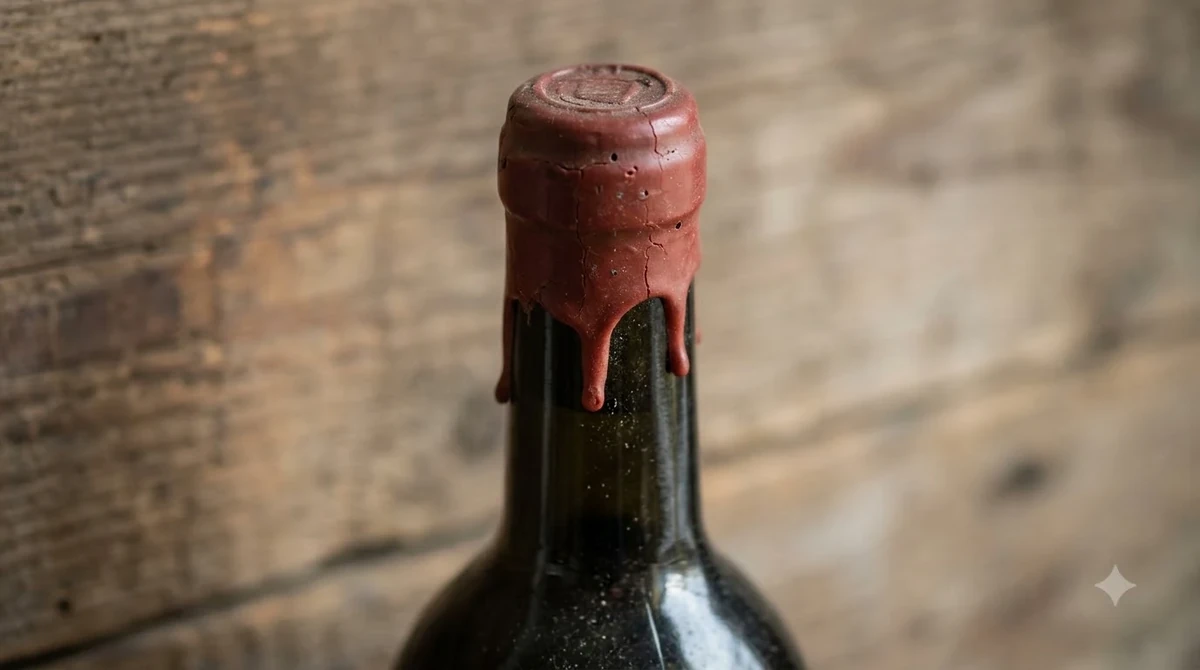
Beaujolais Nouveau is the best-known early-release style: it is made to show fresh fruit and is generally intended for drinking young. Beaujolais-Villages comes from a group of 38 recognized villages, while the ten crus are named areas with their own identities. The crus include Fleurie, Morgon, Moulin-à-Vent, Brouilly, and Saint-Amour; the remaining names are also useful to recognize when browsing a French wine list.
The Beaujolais wine council describes the Gamay vine as a common thread through 12 appellations across the region. That total includes the wider Beaujolais and Beaujolais-Villages designations alongside the ten crus. The table gives a quick way to keep the main numbers straight without assuming that every bottle labeled Beaujolais tastes the same.
| Label or group | Number | What it tells you |
|---|---|---|
| Beaujolais vineyard appellations | 12 | The regional council’s total for the Beaujolais appellation family |
| Beaujolais crus | 10 | Named areas such as Fleurie, Morgon, and Moulin-à-Vent |
| Beaujolais-Villages | 38 villages | A more specific village designation within Beaujolais |
When comparing bottles, start by reading the largest place name. “Beaujolais” usually signals the broadest regional category; “Beaujolais-Villages” narrows the origin; and a cru name such as Morgon or Fleurie identifies a more specific area. These categories are not a simple scorecard in which every cru must be better than every village wine, but they give a useful first idea of origin and likely weight.
For a broader look at styles beyond this region, browse Wine by Type. If you are learning French wine vocabulary, the word “cuvée” appears on labels across many regions, and the guide to how to pronounce cuvee can help with that separate term.
What Gamay Usually Tastes Like
Gamay commonly makes lively reds with red-fruit aromas, moderate acidity, and delicate tannins. Wine Enthusiast describes bright cherry and strawberry as familiar markers, while the Beaujolais council also lists raspberry, blackberry, and sometimes floral or peppery notes.
In a lighter Beaujolais Nouveau, the fruit can seem especially immediate and juicy. Some producers use carbonic maceration or whole-berry fermentation that encourage vivid aromas; Decanter describes bubblegum and banana alongside strawberry and cherry as possible results of carbonic maceration. Those notes are not a required flavor checklist, and not every Gamay is made in that way.
More structured examples can come from the ten Beaujolais crus. Decanter notes that these wines can be more serious and age-worthy than simple early-drinking reds. A cru Gamay may show deeper fruit, spice, firmer texture, or more concentrated flavor, especially when the vineyard site and cellar approach favor structure rather than immediate freshness.
Gamay is often described as light to medium in body, but the style depends on origin and production. A bright, lightly chilled Beaujolais may feel refreshing and easygoing; a richer Morgon or Moulin-à-Vent can feel broader and more substantial. Do not assume a wine is sweet just because its fruit smells ripe. Many Gamay wines are dry, with fruit aromas that can create an impression of sweetness without residual sugar.
That range is one reason the grape is worth learning by name. If a list offers Beaujolais Nouveau, Beaujolais-Villages, and a cru such as Fleurie, the shared grape does not make them interchangeable. The labels describe different origins and styles, and the differences can be more noticeable than the pronunciation question that brought you to the bottle in the first place.
Serving Gamay and Choosing Food
Serve a light, fresh Gamay slightly cool rather than warm, with 55–60°F a useful range for light-bodied reds. A short spell in the refrigerator can freshen a bottle before serving, while a fuller cru can be poured a little warmer so its texture and aromas have room to open.
Gamay’s lively fruit and moderate acidity make it a natural partner for charcuterie, roast chicken, pork, sausages, and grilled vegetables. The Beaujolais grape profile also suits mild goat cheese, while the Bourgogne wine body recommends charcuterie, slow-cooked meats such as braised beef, and rabbit for Gamay wines from the Mâconnais. These pairings work because the wine’s freshness can balance savory foods without the heavy tannin of a more structured red.
For a casual meal, try a chilled Beaujolais with a platter of pâté, saucisson, and bread, or pair a more concentrated cru with roast pork or slow-cooked beef. Mushroom dishes, herbs, and roasted poultry can also complement the grape’s earthy or floral side. When a dish has noticeable acidity, such as a tomato-based sauce, choose a Gamay with enough freshness to keep pace rather than one that tastes flat beside the food.
Tip: Put a light Beaujolais in the refrigerator briefly before serving, then pour a small glass and let it warm slightly in the glass. This is an easy way to find the temperature that shows the fruit without making the wine taste muted.
For a wine with more grip, such as a structured cru, choose food with enough flavor and texture to meet it. Roast duck, grilled pork, lentils, and braised dishes can work well; very delicate foods may be overwhelmed by a concentrated bottle. If you are exploring other French red-wine terms on a list, the separate guide to how to pronounce claret covers a traditional name that points to a different style and region.
Frequently Asked Questions
These quick answers cover details beyond the usual pronunciation and Beaujolais label basics, including the name Gamay Noir à Jus Blanc, Philip the Bold’s 1395 decree, and Gamay’s use in Crémant de Bourgogne.
What is the full name of the Gamay grape?
The principal variety is also called Gamay Noir à Jus Blanc, meaning “black Gamay with white juice.” The longer name distinguishes it from other varieties carrying the Gamay name.
Does Gamay have red juice?
No. Despite its deep blue-black skin, the grape’s juice is naturally colorless, much like the juice of Pinot Noir. Red wine gets its color as the juice extracts pigment from the skins during maceration.
Where does the name Gamay come from?
The name comes from a hamlet called Gamay near Saint-Aubin on the Côte de Beaune. The Bourgogne wine authority records the first known written mention of the variety in the 14th century.
Was Gamay ever prohibited in Burgundy?
Yes. In 1395, Philip the Bold issued a decree banning Gamay from the Duchy of Bourgogne because he feared its prolific yields would compete with Pinot Noir. The grape remained important farther south, especially in Beaujolais and the Mâconnais.
Can Gamay appear in sparkling wine?
Yes. Bourgogne’s regional wine organization notes that Gamay is used in some Crémant de Bourgogne sparkling wines, in addition to still reds and regional blends. That means the grape name alone does not guarantee a still red wine.
For an American wine-shop conversation, “gam-AY” is a reliable, easy-to-understand way to say the name. Remember the final-syllable stress, then use the appellation on the bottle to discover whether you are looking at a fresh Beaujolais or a more structured cru.
More in Wine Types & Grapes
 Zinfandel Sugar Content: Dry Red vs. White Zinfandel GramsUpdated Nov 21, 2026
 Best Zinfandel Substitute Options for Sipping and CookingUpdated Nov 21, 2026
 Zweigelt Food Pairing: Best Dishes, Cheeses, and Serving TipsUpdated Nov 21, 2026
 Zinfandel Tannins Explained: How Structure Shapes Every BottleUpdated Nov 21, 2026
 Zinfandel Sweetness Level: Dry Red vs. Sweet White Zin ExplainedUpdated Nov 21, 2026
 Xinomavro Food Pairing: Best Dishes, Styles, and Serving TipsUpdated Nov 21, 2026