


We may earn a commission when you buy through links on this page, at no extra cost to you. Learn more.
The simplest answer to how to pronounce cuvee is “koo-VAY,” with the emphasis on the second syllable. Say it in two beats: “koo” followed by “VAY,” as in the word “day.” The French spelling is cuvée, and the accent over the final é points you toward the clear “ay” sound. It is an easy pronunciation to remember once you connect the spelling with its two spoken beats.
The term appears on Champagne labels, still wines, and bottles from producers in many countries. Knowing the pronunciation is useful, but knowing what the word tells you is just as important: depending on the region and producer, a cuvée can refer to a selected batch, a blend, or a specific stage in sparkling-wine production.
The Standard Pronunciation Is Koo-VAY
In an American wine shop or restaurant, the most practical pronunciation is “koo-VAY.” Keep the first syllable light and give the second syllable the emphasis; the result should sound like two connected beats rather than three separate sounds.
It helps to say the word at a normal conversational pace. Start with “koo,” move directly into “VAY,” and let the second syllable carry the stress. Avoid stretching the word into “koo-vee,” which replaces the French final vowel with the long “ee” sound many English speakers associate with the letter combination at the end of the spelling. The final written e does not create another spoken syllable.
Pronunciation references use slightly different phonetic symbols for English varieties, but the useful pattern remains consistent: two syllables, with the stress on the final one. For everyday wine conversation, the key points are the two-syllable rhythm and the clear “VAY” ending. A listener is unlikely to misunderstand you when those elements are clear.
Do not let the spelling make the word seem more complicated than it is. You do not need to imitate every feature of a native French accent to order a bottle or ask a useful question about a producer’s cuvée. Say “koo-VAY” clearly, then use the surrounding words—such as Champagne, brut, or the producer’s name—to make your meaning plain.
Break the Word Into Two Clear Syllables
The word has two spoken parts: cu and vée. The second part is the stressed one, so a simple practice pattern is “koo-VAY,” with a short first beat and a more noticeable second beat.
For the first syllable, “koo” is a convenient English approximation. Keep it short rather than turning it into a long, drawn-out “coo.” For the second syllable, use the vowel in “day,” “say,” or “way.” The consonant at the start is a clear v, not an w, so the word should not sound like “koo-way.” Bring the two parts together smoothly: koo-VAY.
A useful practice method is to say “day” three times, then add a v sound before it: “VAY, VAY, VAY.” Next, put the light opening syllable in front of it. This keeps the stress in the right place and prevents the second half from disappearing. You can practice once slowly and twice at the pace you would use when speaking to a server.
Listen for the difference between a stressed and an unstressed syllable. In “koo-VAY,” the second beat sounds more prominent, while the first works almost like a lead-in. By contrast, “KOO-vee” puts the weight in the wrong place and changes the last vowel. Even if a listener understands the intended word, using the second-syllable stress makes the pronunciation sound much more natural.
What the Accent Mark Tells You
The acute accent in cuvée sits over the final é, and it is a useful clue: the ending is a clear “ay”-like vowel, not an “ee” sound. The extra written e after the accented letter does not add a third syllable.
French uses accent marks to distinguish vowel sounds and spelling patterns, and the acute accent is called an accent aigu. In this word, the mark belongs to the first of the two final e letters: é. English speakers often see the ending -ée and try to pronounce both letters as though they formed the sound in “coffee.” That is the main trap to avoid. Treat the ending as one clear vowel sound, then finish the word without adding another beat.
The accent is not decoration, and it is not a signal to stress the first syllable. Stress still falls on the final spoken syllable. When typing, you may see the word written without the accent as cuvee, particularly in plain-text menus or systems that omit diacritics. That simplified spelling points to the same wine term; it does not create a different pronunciation.
On a printed bottle label, the accent may be easy to recognize, but a server may say the word without thinking about its spelling. Use the sound as your guide rather than trying to pronounce each written character separately. If you remember that é points toward “ay” and the word has two beats, you have the most useful pronunciation cues.
What Cuvée Means on a Wine Label
On many wine labels, cuvée identifies a particular batch, selection, or blend made by a producer. It sounds specific, but the word alone does not tell you which grapes were used, where they grew, or how the wine was made.
As Wine Enthusiast explains in its overview of the term, cuvée can describe a blend assembled from different varieties, vineyard parcels, or vintages. A producer might combine Chardonnay and Pinot Noir from one vineyard, for example, or bring together wines from several sites to create a consistent house style. In either case, the final wine can be called a cuvée. The word describes the producer’s selection or combination, not a single mandatory recipe.
That flexibility matters when comparing two bottles. One producer may use cuvée for a special bottling from a chosen lot; another may use it as part of a product name for a blend. A third may apply it to a wine that is not a blend at all. In the United States and France, the term does not have one universal legal definition that guarantees a particular grape mix or quality level. Read the rest of the label for the producer, region, grape variety, vintage, and any appellation information.
For that reason, treat “cuvée” as a clue to identity rather than a quality grade. It can tell you that the winery has given the wine a distinct name or selected it as a separate bottling. It cannot, by itself, prove that the bottle is older, rarer, more expensive, or better made than another wine from the same producer.
Champagne Gives Cuvée a More Technical Meaning
In Champagne, cuvée has a precise pressing meaning as well as a blending meaning. According to the Comité Champagne, a standard press load is 4,000 kilograms of grapes; the first 2,050 liters of juice are called the cuvée, and the next 500 liters are called the taille.
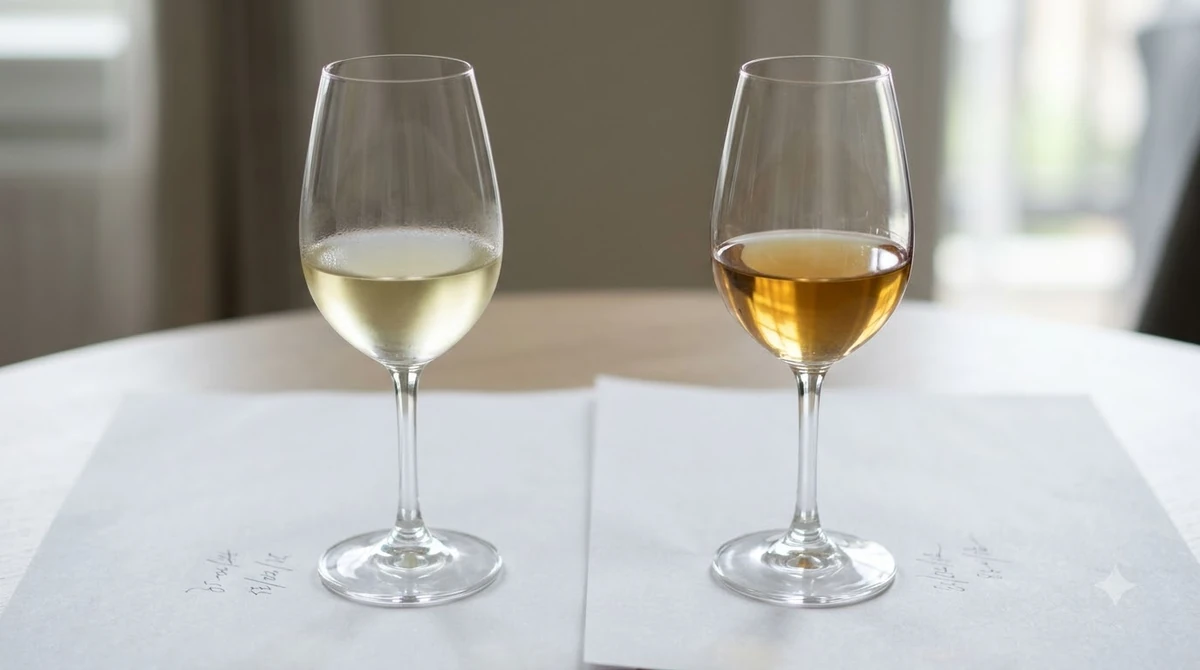
The distinction begins immediately after harvest. The Comité Champagne explanation of pressing describes how whole bunches are pressed and the juice is separated into fractions rather than collected as one undifferentiated lot. The first fraction is the cuvée; the second is the taille. The Champagne trade body explains that these fractions have different characteristics and can be directed toward different wine styles. The first pressing is generally prized for its fresher, less phenolic profile, which is why the word is associated with the earliest juice in this specific production context.
| Champagne pressing term | Quantity from one 4,000 kg press load | What it identifies |
|---|---|---|
| Cuvée | 2,050 liters | First juice fraction |
| Taille | 500 liters | Second juice fraction |
| Press load (marc) | 4,000 kg of grapes | Traditional unit of grapes pressed together |
Champagne producers also use cuvée for the finished wine blend. The Comité Champagne describes blending base wines from different villages, grape varieties, and years to shape the wine’s style. A house may combine wines from different crus, or villages, and draw on reserve wines as well as wines from the current harvest. Here, the term refers not to a single juice fraction but to the carefully composed wine that results from blending.
That is why context matters. In a discussion about the press, cuvée usually means the first juice fraction; in a discussion about a bottle or the winemaker’s final composition, it can mean the blend itself. Champagne production also involves a second fermentation in the bottle, and the Comité Champagne lists minimum cellar-aging periods of 15 months for nonvintage Champagne and 36 months for vintage Champagne. Those rules describe the finished wine’s production, not the pronunciation or a general meaning of the word.
Why Cuvée Does Not Automatically Mean Better Wine
A bottle labeled cuvée is not automatically a premium wine. The word may identify a producer’s selected blend, a named bottling, or—in Champagne—the first juice from a press load, so the meaning depends on the place and the label.
Some producers use additional expressions such as prestige cuvée, grande cuvée, or tête de cuvée to distinguish a special wine within their range. These phrases can signal that the producer considers the bottling important, but they do not work as one worldwide grading system. The producer chooses how to name and position the wine, and the label terminology does not replace information about origin, vintage, grape varieties, or production choices.
Consider two different examples. A California sparkling wine might use cuvée for a blend of Chardonnay and Pinot Noir designed for a house style. A still red from another region might use the word to distinguish a small, separately bottled lot. Neither use tells you the wine’s sweetness, alcohol level, or aging method. Those details have to come from the wine itself and the rest of its label.
When you are choosing between bottles, look first for the information that can be compared: the region, producer, vintage, principal grape varieties, and whether the wine is still or sparkling. For Champagne, a vintage designation and the producer’s explanation of the blend can help you understand the wine more clearly than the word cuvée alone. For a still wine, the appellation and grape blend may provide a more useful first impression.
Tip: Treat cuvée as the name of a particular wine or selection, not as a promise of quality. When two bottles use the word, compare their producers, regions, grapes, and vintages before drawing a conclusion.
How to Use the Word Naturally in Conversation
Once you have the pronunciation, the easiest way to use cuvée is to place it in a simple question about a bottle. Say “koo-VAY” clearly, then ask what grapes or base wines make up that particular cuvée.
For example, at a wine shop you could ask, “Is this cuvée a blend of Chardonnay and Pinot Noir?” At a restaurant, you might ask whether the house cuvée is a Champagne, another traditional-method sparkling wine, or a still blend. Those questions show that you understand the word as a distinct bottling or blend, while leaving room for the producer’s specific definition. They also invite a practical answer about the wine rather than turning the conversation into a pronunciation test.
If you are learning wine vocabulary, practice the term alongside other names you may see on French or European labels. The site’s pronunciation pages for how to pronounce chardonnay and how to pronounce claret can help with two other familiar wine terms. For a less familiar variety, the guide to how to pronounce gruner veltliner provides another useful practice word.
It also helps to know what kind of wine you are discussing. A producer might use cuvée for a sparkling blend, while a still wine might use it for a designated lot. The site’s overview of Wine by Type is a useful starting point for distinguishing sparkling, white, rosé, and red styles. That distinction keeps the conversation accurate: the word names a selection, while the wine type tells you what is in the glass in broader terms. In everyday speech, you do not need to repeat the word several times or exaggerate the French accent; use it once in a natural sentence and focus on the question you want answered.
Frequently Asked Questions
These quick answers cover details that can come up after you learn the basic sound, including the word’s plural form and French background. Champagne also has separate minimum aging periods of 15 months for nonvintage wines and 36 months for vintage wines.
Is “kyoo-VAY” also an accepted pronunciation?
Yes. Collins lists an American form transcribed as /kyˈveɪ/ as well as another American form closer to /kuːˈvei/. The “kyoo-VAY” version is therefore an established English pronunciation, even though “koo-VAY” is a simple option for wine conversation.
Do you pronounce the plural “cuvées” differently?
In French, the final plural -s is silent, so the singular and plural are pronounced alike. You can say “one cuvée” and “two cuvées” with the same spoken word, letting the number or surrounding sentence show that you mean more than one.
What is the literal meaning of “cuvée”?
The word is connected to cuve, the French word for a vat or cask. Collins traces the term to French usage and ultimately to the Latin cūpa, a vessel or tub, which helps explain why the wine word came to refer to the contents of a vat.
Does the French first vowel sound exactly like English “oo”?
No. Collins gives a French transcription with a rounded front vowel, represented by /ʏ/, rather than the English vowel in “too.” English approximations such as “koo” are practical ways to say the word, but they do not reproduce every detail of the French vowel.
Is “cuvée” a masculine or feminine noun in French?
Cuvée is feminine in French, so it is used with the feminine article une, as in une cuvée. That grammatical detail does not change the pronunciation, but it is useful if you encounter the word in a French wine description or conversation.
For most English-speaking wine drinkers, “koo-VAY” is clear, correct, and easy to remember. Keep the stress on the second syllable, recognize that the word can mean more than one thing on a label, and let the producer or region supply the precise definition.
More in Wine Types & Grapes
 Zinfandel Sugar Content: Dry Red vs. White Zinfandel GramsUpdated Nov 21, 2026
 Best Zinfandel Substitute Options for Sipping and CookingUpdated Nov 21, 2026
 Zweigelt Food Pairing: Best Dishes, Cheeses, and Serving TipsUpdated Nov 21, 2026
 Zinfandel Tannins Explained: How Structure Shapes Every BottleUpdated Nov 21, 2026
 Zinfandel Sweetness Level: Dry Red vs. Sweet White Zin ExplainedUpdated Nov 21, 2026
 Xinomavro Food Pairing: Best Dishes, Styles, and Serving TipsUpdated Nov 21, 2026