

We may earn a commission when you buy through links on this page, at no extra cost to you. Learn more.
What is brut champagne? It is a dry style of champagne with very little residual sugar, so it tastes crisp and clean rather than sweet. The word “brut” is a sweetness label used on the bottle, and it sits near the dry end of the scale. Most champagne sold in the United States is labeled Brut, which makes it the default style for toasts, dinners, and everyday celebrations.
If you have ever stood in front of a wine shop shelf wondering what “Brut” means next to the word champagne, this guide explains it in plain terms. It covers where the label comes from, how brut compares with the sweeter and drier styles around it, what the taste is like, and how to serve and pair it so the wine shows its best side.
What the Word Brut Means on a Champagne Label
Brut is a sweetness category, not a grape or a region. It describes how much sugar remains in the finished wine after fermentation. Champagne is made through a second fermentation inside the bottle, and producers add a small measure of sweetened wine, called the dosage, before the bottle is corked. The dosage is what sets the final sweetness level.
VinePair’s guide to sparkling wines describes Brut as the most popular style of sparkling wine, and it notes that these wines are dry but show a hint of sweetness. The same guide adds that Champagne is the most common sparkler to carry the Brut label. In practice, that means if you pick up a bottle of French sparkling wine from the Champagne region and see only the word Brut on the front, you are looking at the standard, dry style that most of the category follows.
How Brut Compares With the Other Champagne Sweetness Levels
Brut sits in the middle of a range that runs from bone dry to clearly sweet. Knowing where it falls makes it easier to choose a bottle that matches your food and your taste. The lighter styles feel sharper and more mineral, while the sweeter styles taste rounder and fruitier.
At the driest end, Brut Nature and Extra Brut have almost no added sugar, and they taste lean and very crisp. Extra Dry sits a step sweeter than Brut, despite its name, and it tends to feel softer and more approachable. Sec, Demi-sec, and Doux are the sweeter categories, with Demi-sec clearly sweet and well suited to dessert. Among these, Brut is the one most people find balanced, because it keeps the freshness of a dry wine while giving the fruit a little room to show.
| Label | Taste on the palate | Typical use |
|---|---|---|
| Brut Nature or Extra Brut | Very dry, lean, sharp | Oysters, raw seafood, serious tasting |
| Brut | Dry with a hint of sweetness | Aperitif, toasts, most dinners |
| Extra Dry | Softer, noticeably sweeter | Brunch, spicy food, lighter desserts |
| Demi-sec | Clearly sweet, rich | Fruit tarts, cake, dessert pairings |
Tip: If the bottle does not say Brut, check the sweetness word on the label before you buy. Words such as Extra Dry and Demi-sec can be surprising to people who expect the drier style.
What Brut Champagne Tastes Like
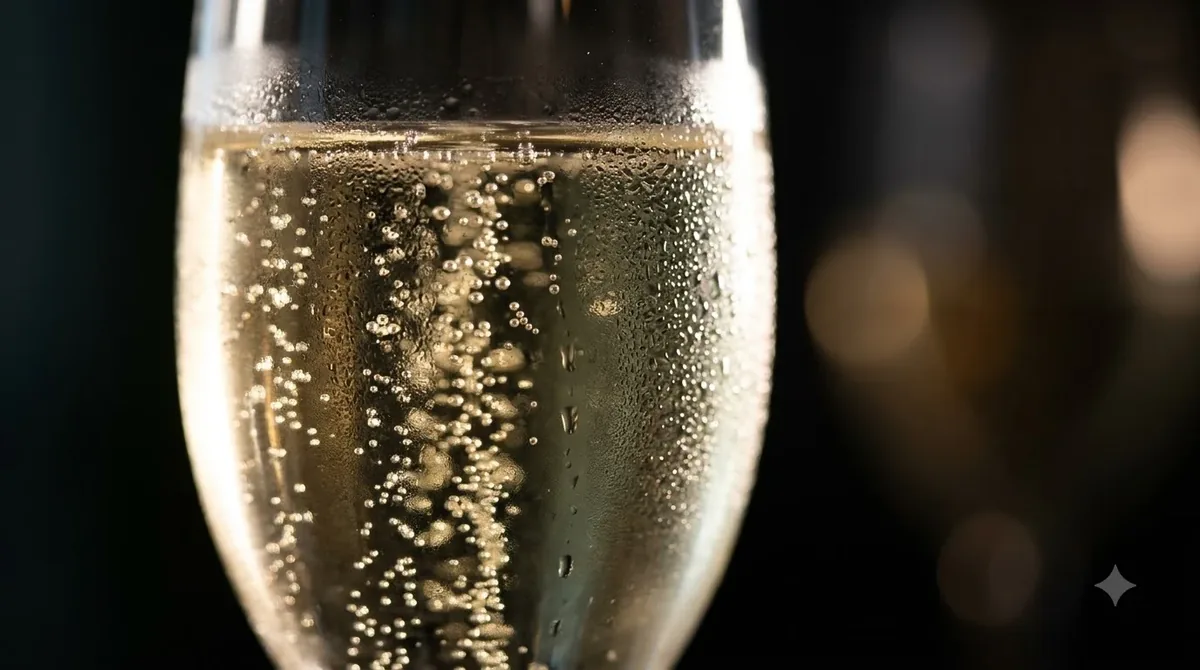
A typical brut champagne shows citrus, green apple, and white pear on the nose, with a fine stream of bubbles and a crisp finish. Many bottles also show notes of toast, brioche, or almond. Those richer aromas come from time the wine spends on its lees in the bottle, and they give the wine more depth than the fruit alone would.
The key feature is acidity. Dryness and acidity work together, so a brut feels fresh and clean on the palate even when the fruit is ripe. That is why brut is so often served as an aperitif: it wakes up the palate without overwhelming it. Quality also plays a role, since well-made examples carry a finer bead and a longer finish than cheaper sparkling wines.

How to Serve Brut Champagne
Serving temperature has a big effect on how brut tastes. Too warm and the wine feels flat and a little heavy. Too cold and the aromas are muted. A well-chilled bottle keeps the bubbles lively and lets the fruit come through, so it is worth giving it time in the refrigerator rather than rushing it into an ice bucket at the last minute.
The glass also matters. A tall flute keeps the bubbles rising in a visible stream and concentrates the aromas near the top. A wider white-wine glass gives the wine more room to open, which some drinkers prefer for complex bottles with toasty notes. Either works, and the choice mostly depends on whether you want to show the bubbles or the aroma.
- Chill the bottle thoroughly in the refrigerator, and use an ice bath if you are short on time.
- Open it slowly to keep the wine from foaming over the rim.
- Pour into a chilled glass and leave some room at the top.
- Serve soon after opening, since the bubbles fade over the next hour or so.
What to Pair With Brut Champagne
Brut is one of the most flexible wines at the table because its acidity cuts through fat and salt. It works with a wide range of dishes, from simple appetizers to full meals. Oysters and other shellfish are a classic match, and the acidity lifts the flavor of the seafood without masking it.
Fried foods, buttery popcorn, and salty snacks also pair well, since the bubbles clean the palate between bites. Roast chicken, creamy pasta, and soft cheeses like brie suit a brut with some toasty character. Brut is less ideal with very sweet desserts, because the sugar in the food makes the wine taste thin. For dessert, a sweeter label such as Demi-sec is usually a better match, or a fruit-based plate that does not rely on chocolate.
If you want a deeper look at matching champagne with specific foods, the guide to champagne with chocolate explains which sweet and bitter combinations work and which ones to avoid.
How Much Brut Champagne to Plan For
For a dinner party, a bottle of brut champagne usually covers several glasses per guest when it is served as an aperitif and then paired with the meal. Planning is easier when you think in glasses rather than bottles, because a standard bottle holds a fixed volume and the number of pours depends on how generously each glass is filled. Many hosts keep a spare bottle on hand for toasts, so the first one does not run out before the meal is over.
Energy and calorie content also vary a little by style. Sweeter champagnes contain more residual sugar, which adds calories, so a brut is often the lighter choice. For more detail on how calories compare across wines and sparkling styles, see calories in champagne.
Frequently Asked Questions
Is brut champagne the same as dry champagne?
Not exactly. Brut is the standard dry category in most markets, but the label Dry on a bottle refers to a sweeter style than Brut. People often treat the two words as synonyms, so read the full sweetness term on the label before you buy.
Does brut champagne have no sugar at all?
No. Brut has some residual sugar from the dosage, which is why reference guides describe it as dry with a hint of sweetness. The driest styles, Brut Nature and Extra Brut, carry much less sugar than Brut does.
Is brut champagne good for a beginner?
Yes. Its balance of freshness and fruit makes it approachable, and it pairs with many foods. Beginners often prefer a softer style at first, but brut is still a safe starting point for most people who want a dry, crisp sparkling wine.
How long does an opened bottle of brut champagne last?
An opened bottle keeps its best character for only a short time. Reseal it with a proper stopper, keep it cold, and try to finish it within a day. The bubbles fade faster than in a still wine, so a fresh pour always tastes livelier.
Brut champagne is the dry, versatile style that most people mean when they order champagne. Knowing what the label says, how it compares with the sweeter categories, and how to chill and pair it will help you choose a bottle with confidence. To keep exploring the category, the champagne guide covers the wine’s origins and styles in more depth, and the Wine by Type page places brut alongside other wine families.
More in Wine Types & Grapes
 Zinfandel Sugar Content: Dry Red vs. White Zinfandel GramsUpdated Nov 21, 2026
 Best Zinfandel Substitute Options for Sipping and CookingUpdated Nov 21, 2026
 Zweigelt Food Pairing: Best Dishes, Cheeses, and Serving TipsUpdated Nov 21, 2026
 Zinfandel Tannins Explained: How Structure Shapes Every BottleUpdated Nov 21, 2026
 Zinfandel Sweetness Level: Dry Red vs. Sweet White Zin ExplainedUpdated Nov 21, 2026
 Xinomavro Food Pairing: Best Dishes, Styles, and Serving TipsUpdated Nov 21, 2026