

We may earn a commission when you buy through links on this page, at no extra cost to you. Learn more.
Champagne with chocolate is a pairing that works when the bottle’s sweetness and the chocolate’s style are matched. Richer, sweeter styles such as Demi-Sec usually handle milk and white chocolate, while very dry Brut wines tend to work better with lighter chocolate desserts or salty bites. Dark chocolate is the hardest case, because its bitterness can make a dry sparkling wine taste sharp.
Champagne is often treated as an aperitif, but it is a food wine too, and chocolate is one of the more surprising matches. Bubbles cut through richness, acidity freshens the palate after a bite of cocoa, and the yeasty notes of aged Champagne can echo the toasty side of a dessert. Getting the pairing right depends on knowing what style is in your glass and what kind of chocolate is on the plate.
Why Champagne and Chocolate Can Work Together
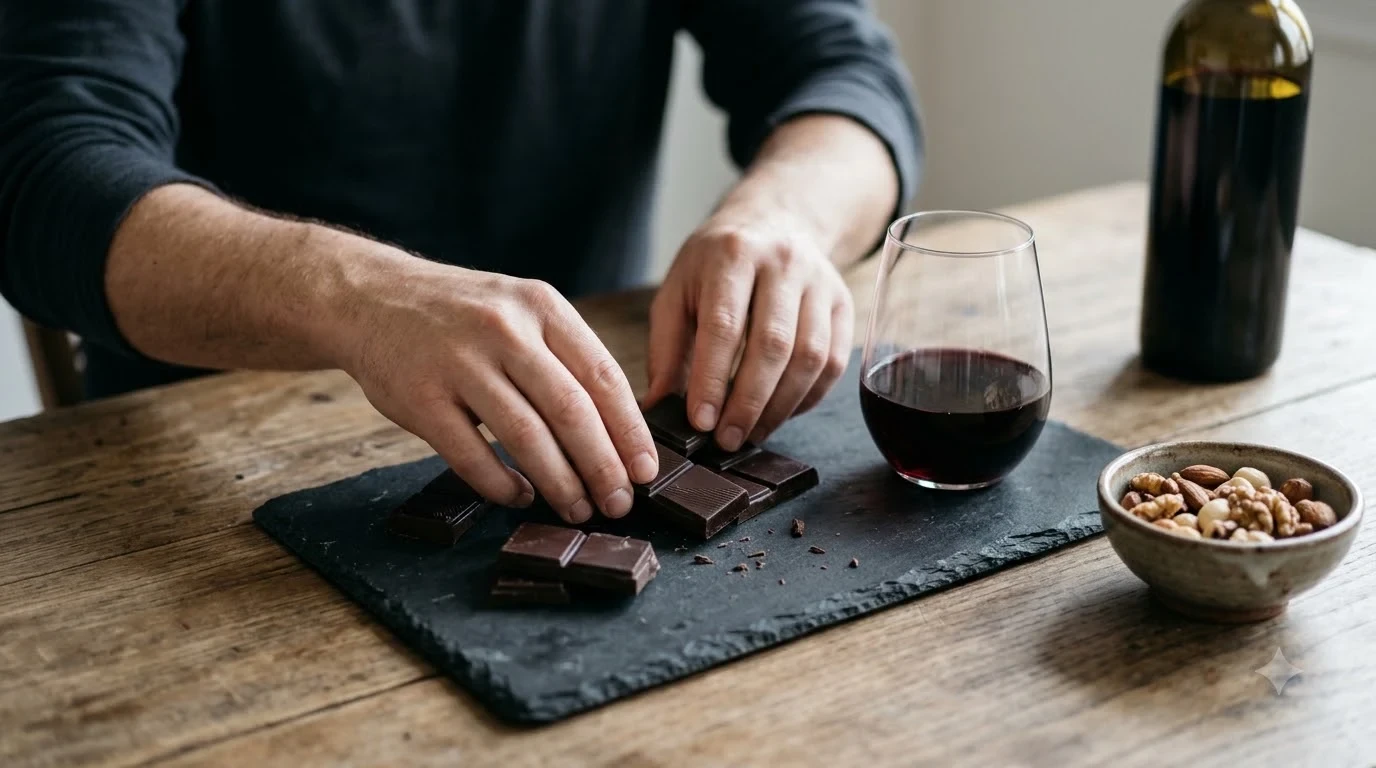
Chocolate is fatty and coats the mouth, which is why many people find it hard to pair with still red wines that have strong tannins. Sparkling wine behaves differently. The carbonation lifts the palate, and the wine’s acidity clears away the fat so the next bite tastes as fresh as the first. That contrast is the main reason Champagne works so well with rich desserts.
Sweetness is the second factor. A wine with a little residual sugar can stand up to chocolate that is sweet, while a bone-dry wine can make a sweet dessert taste thin. This is why pairing guides usually start with the bottle’s style before they look at the cocoa content.
Choosing the Right Champagne Style
Champagne is labeled by sweetness, and the range is wider than many people expect. The official Champagne region site describes a span from very dry styles through to sweeter ones, and notes that the sweetest category is labeled Doux. In the middle of that range, Demi-Sec is the style most often recommended for desserts, because its sugar level is high enough to balance a sweet chocolate dessert.
Brut is the most common style on shelves and is dry enough for most meals. It can still work with chocolate if the dessert is light, such as a chocolate mousse made with a small amount of sugar, or a dark chocolate truffle with a sprinkle of sea salt. The salt and the wine’s acidity give the pairing a clean finish. For more on how sweetness shapes the glass, the Champagne region’s guide to the types of Champagne is a useful starting point.
| Champagne style | Best chocolate match | Why it works |
|---|---|---|
| Demi-Sec | Milk chocolate, white chocolate desserts | Sugar in the wine matches the sweetness of the dessert |
| Extra Dry or Dry | Milk chocolate with fruit | Softer than Brut, so it suits gentler flavors |
| Brut | Light chocolate mousse, salted chocolate | Acidity and bubbles cut through the richness |
| Rosé Brut | Raspberry or strawberry chocolate | Red fruit in the wine echoes the flavors in the dessert |
| Vintage or aged Brut | Dark chocolate with a pinch of salt | Toasty, bready notes balance cocoa bitterness |
Tip: Serve the chocolate slightly cool and the Champagne well chilled. Taste the wine on its own first, then with a small piece of chocolate, so you can see whether the pairing lifts or flattens the flavors.
Matching Chocolate Types to Champagne
Not all chocolate behaves the same way. Milk chocolate has the most sugar and milk fat, so it is the easiest to pair with a sweeter Champagne. White chocolate is very sweet and creamy, which means it needs a wine with enough sugar to hold its own, or a bright, acidic Brut that cuts through the cream.
Dark chocolate is more complicated. The higher the cocoa percentage, the more bitter and astringent the chocolate tastes. A very dry Brut can feel sour next to a dark, intensely bitter bar. In that case, choose a richer wine, such as an aged Brut with toasty notes, or choose a chocolate with some fruit or sea salt to soften the edge.
Filled chocolates, truffles, and fruit-based desserts are often the easiest to pair. A raspberry or cherry filling picks up the red fruit in a rosé Champagne, and the bubbles keep the sweetness from becoming heavy. If you are serving several chocolates, start with the lightest and move to the richest, so the wine does not get overwhelmed early in the tasting.
Texture is another part of the equation. Champagne’s fine bubbles scrub the palate, while chocolate melts slowly and leaves a coating behind. When a bite of dark or milk chocolate is followed by a sip of sparkling wine, the mouth clears quickly, and the next taste of cocoa feels new again. This is why a small square of chocolate and a modest pour can make a better match than a large dessert with a heavy sauce.
Think about the rest of the menu as well. If the meal already includes a rich main course or a creamy dessert, a single chocolate course may be enough. If the chocolate is the finale, a light Brut served earlier in the evening gives guests a fresh start before the sweeter wine arrives.
Serving Champagne With Chocolate
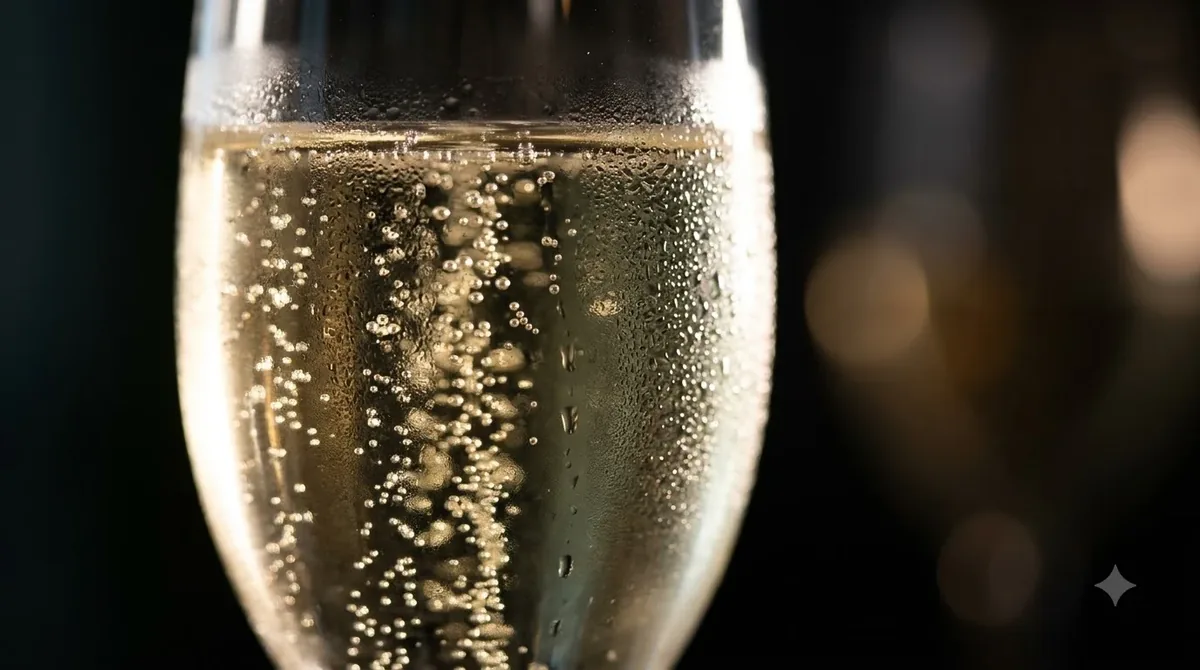
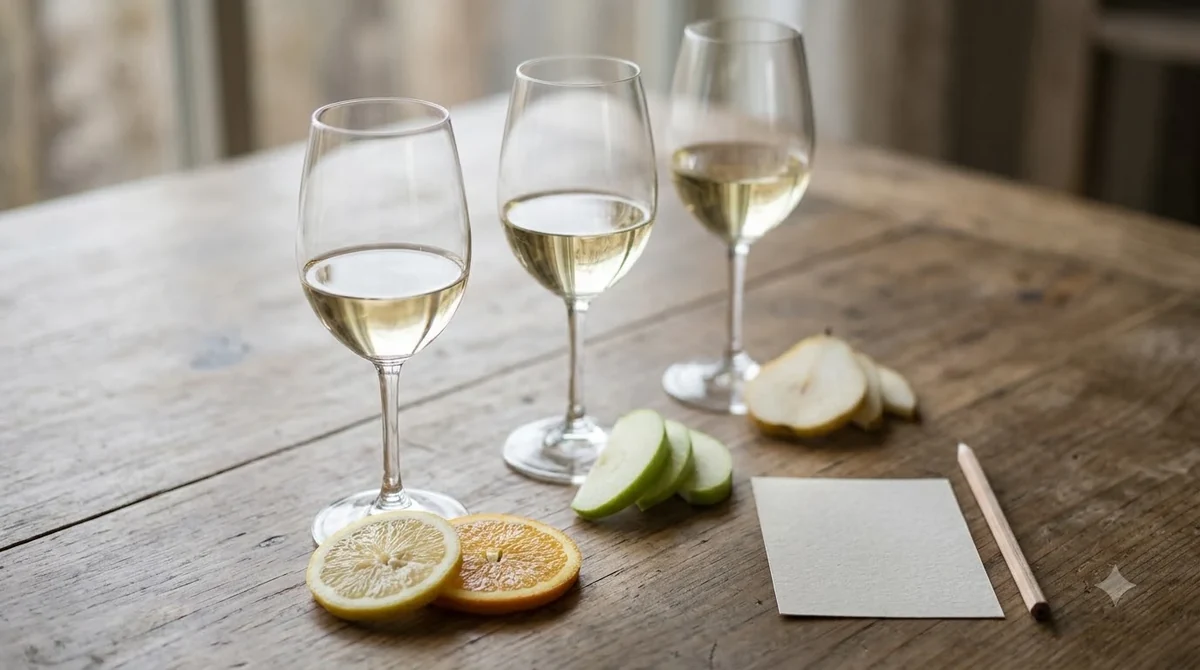
Serving temperature and glassware make a noticeable difference. Champagne tastes best when it is chilled but not ice cold, because very cold temperatures mute the aromas. A flute keeps the bubbles lively and concentrates the scent, while a wider white-wine glass can show more of the wine’s toasty and fruity character. Either works, so pick the glass that feels right for your table.
Pour small portions. A chocolate course is rich, and a few sips of wine go a long way. Serve the chocolate with water on the side so guests can reset their palates between bites. If you are offering both, the wine should arrive first, so guests taste it fresh before the sweetness of the dessert.
Bubbles are a useful tool here. Sparkling wine cleanses the palate after each bite, which is why a small piece of chocolate and a sip of Champagne can feel like a complete moment instead of a heavy dessert. Keep the pairing simple, and let one good bottle and one good chocolate do the work.
Frequently Asked Questions
What type of Champagne goes best with chocolate?
Demi-Sec is usually the easiest match for sweet chocolate desserts because its sugar level balances the richness. A Brut works with lighter chocolate, and an aged Brut can handle dark chocolate with a bit of salt.
Does Champagne go with dark chocolate?
It can, but very dry Brut may taste sharp next to bitter dark chocolate. Try a richer, aged style, or pick a dark chocolate with fruit or sea salt to soften the bitterness.
Should Champagne be sweeter than the chocolate?
Many wine guides suggest the wine should be at least as sweet as the dessert. If the wine is drier than the chocolate, the wine can taste sour or thin, so match sweetness first.
Is rosé Champagne good with chocolate?
Yes. Rosé Champagne often has red fruit notes such as strawberry and raspberry, which pair well with fruit-filled or berry-flavored chocolate. It is a flexible choice when you are serving a mixed plate.
Champagne and chocolate are a pairing worth trying once you know which style to pour. Start with a Demi-Sec for sweet desserts, use a Brut for lighter chocolate, and keep the portions small so both the wine and the chocolate stay enjoyable. For more background on how to store and serve Champagne, see the guide to storing Champagne, or browse Wine by Type to compare other sparkling and dessert wines.
More in Wine Types & Grapes
 Zinfandel Sugar Content: Dry Red vs. White Zinfandel GramsUpdated Nov 21, 2026
 Best Zinfandel Substitute Options for Sipping and CookingUpdated Nov 21, 2026
 Zweigelt Food Pairing: Best Dishes, Cheeses, and Serving TipsUpdated Nov 21, 2026
 Zinfandel Tannins Explained: How Structure Shapes Every BottleUpdated Nov 21, 2026
 Zinfandel Sweetness Level: Dry Red vs. Sweet White Zin ExplainedUpdated Nov 21, 2026
 Xinomavro Food Pairing: Best Dishes, Styles, and Serving TipsUpdated Nov 21, 2026